
1 min walk
Museo Horne
- Must see · Heritage site
- Museum
Language · 11 published
Historic monument · Florence
Palazzo Bardi
Reviewed by Elena Voss · Roavina Travel Editor
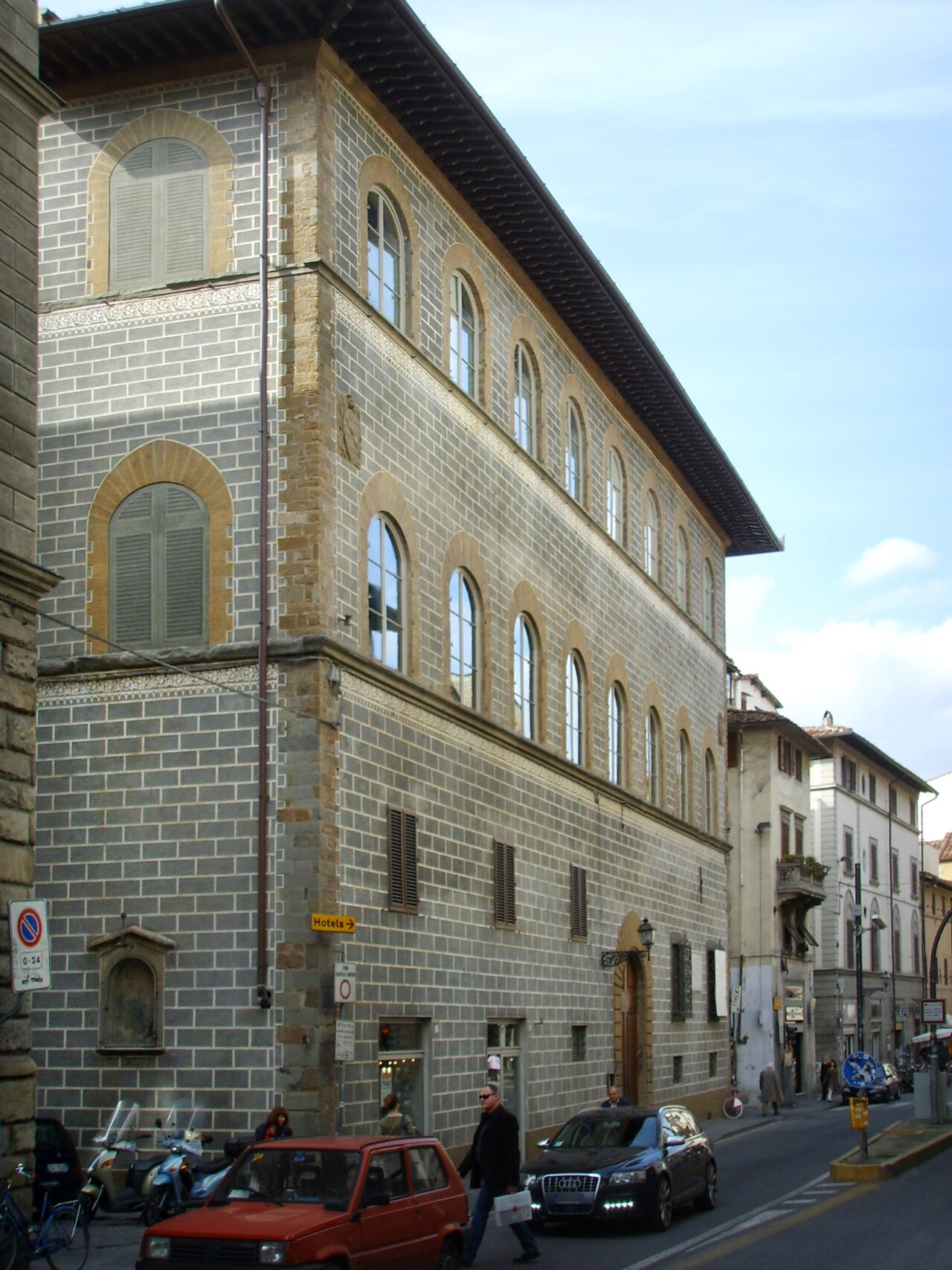
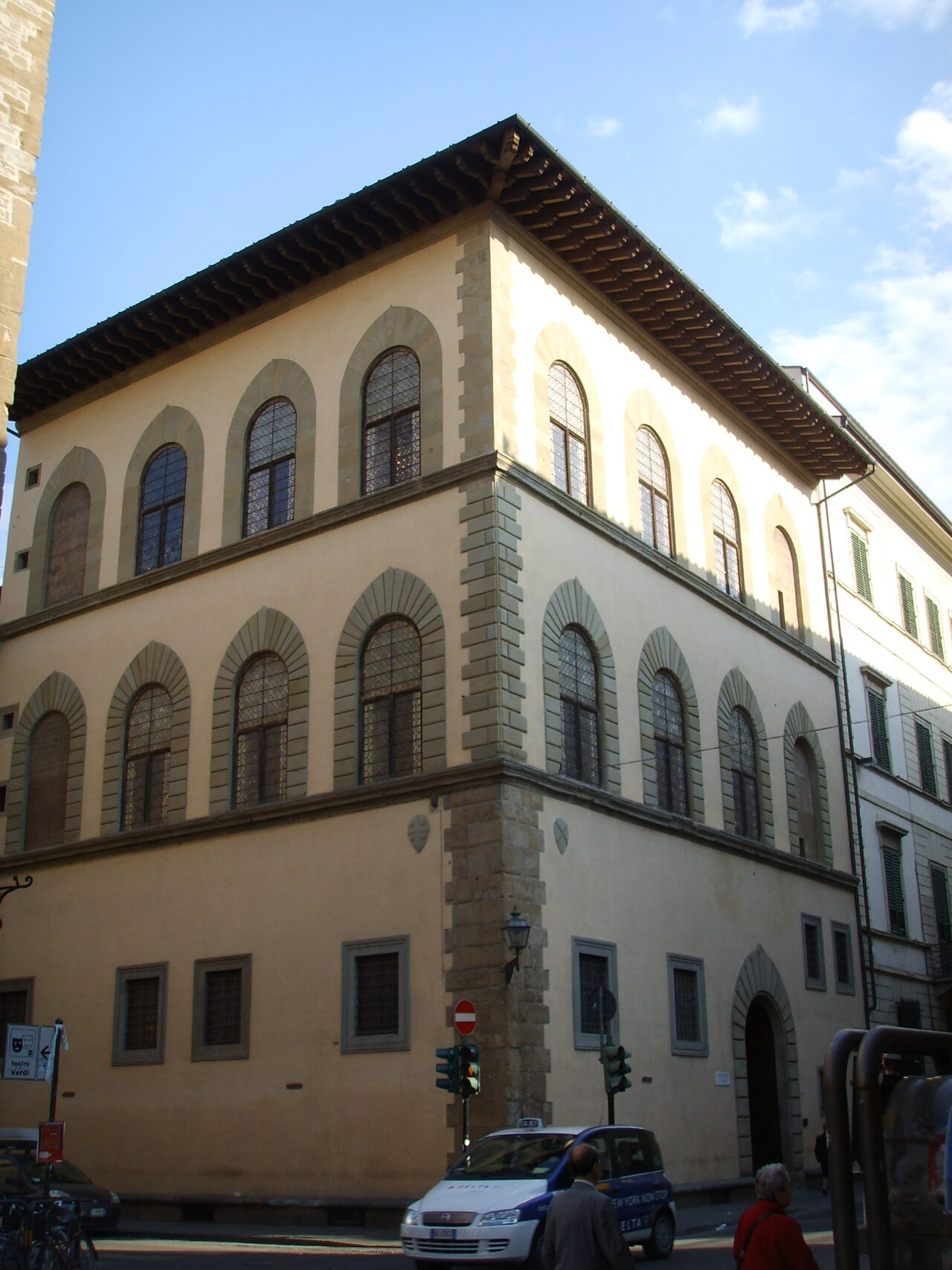
Palazzo Busini Bardi, also known locally as Palazzo Bardi, is a historic palace in Florence, Tuscany. It belongs to the city’s dense Renaissance streetscape, where aristocratic residences stand close to churches, civic buildings, shops, and busy pedestrian routes. The palace is associated with the Bardi family, a prominent Florentine banking family whose influence formed part of the city’s political, commercial, and cultural history. Treat this place as an architectural landmark viewed from the public street rather than as a conventional museum. Its value comes from the relationship between the building, the surrounding historic centre, and the wider pattern of noble residences that gives central Florence its distinctive character. A short stop fits naturally into a walking day devoted to Renaissance streets, family palaces, and the historic centre’s UNESCO-listed urban fabric.
Checked 2026-08-26 · Source
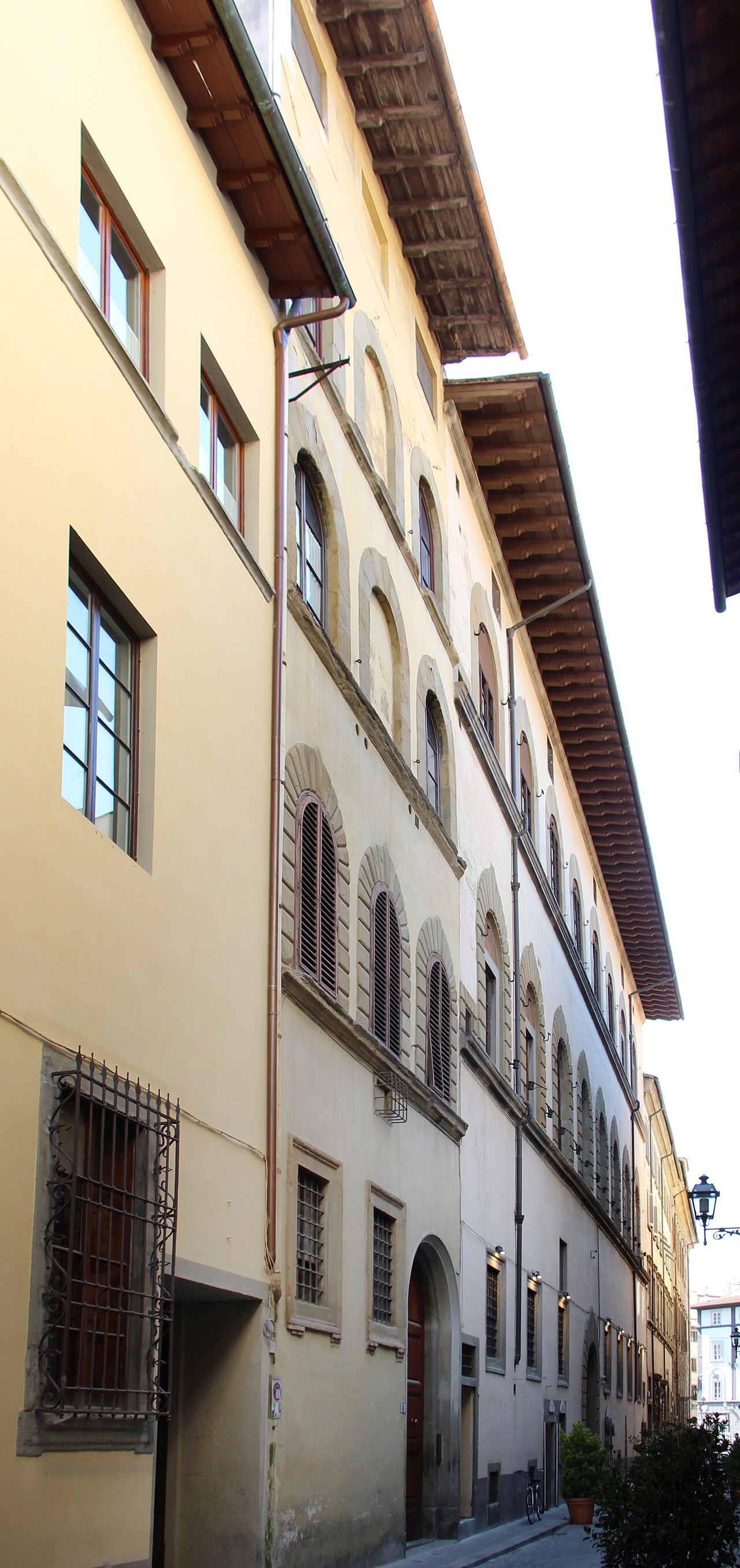
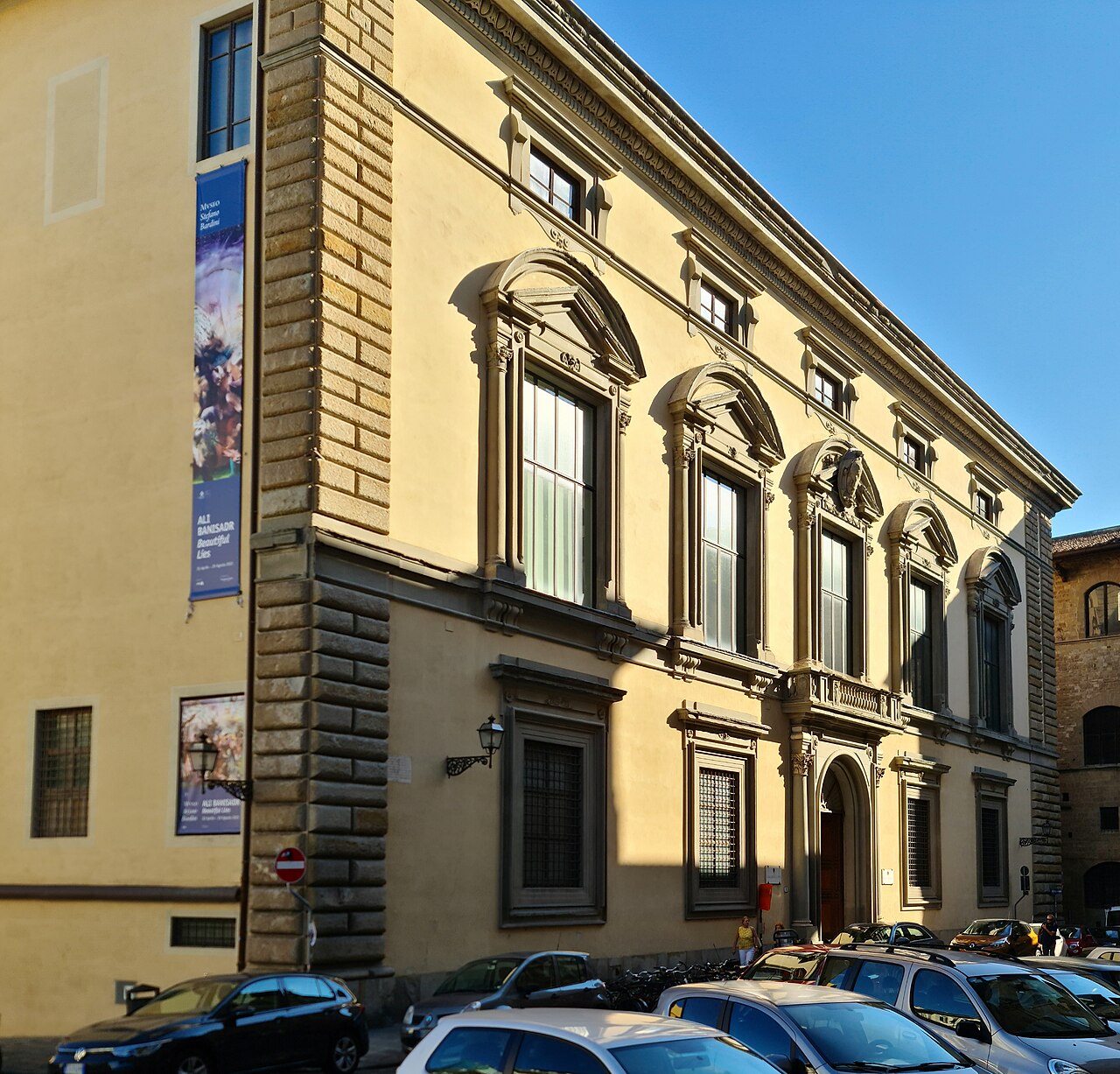
Palazzo Busini Bardi is best understood through its exterior setting and historical association. It is not presented here as a museum with a defined public route, galleries, or scheduled displays. From the street, focus on the palace frontage, its scale, its relationship to neighbouring buildings, and the way the architecture occupies a narrow Florentine block. The surrounding streets provide important context: Renaissance palazzi were designed as urban statements, combining domestic life, family identity, and social status within the city centre. Walk slowly enough to compare the palace with nearby historic façades, doorways, cornices, and street proportions. The experience is architectural and atmospheric rather than collection-based, so the surrounding city is part of what you are visiting.
Checked 2026-08-26 · Source
Allow roughly fifteen to thirty minutes for a dedicated exterior stop at Palazzo Busini Bardi. That time gives you enough space to locate the building, observe the façade from more than one position, read the surrounding street, and take photographs without turning the visit into a hurried glance. Most travellers will combine it with a longer walk through Florence rather than travel across the city solely for this palace. Add time if you enjoy architectural comparison or want to connect the palace with other Bardi-related places and nearby Renaissance landmarks. Keep the stop flexible: narrow streets, pedestrian flow, and the amount of visible frontage can affect how long close observation feels worthwhile.
Checked 2026-08-26 · Source
Daylight is the most useful time for viewing Palazzo Busini Bardi because the palace is experienced from the public street. Spring and autumn are comfortable seasons for a walking route through Florence’s historic centre, while summer combines strong heat with heavy pedestrian traffic. Winter can offer a quieter atmosphere, although shorter daylight limits the time available for exterior details and photography. Early morning is useful when you want a calmer street and clearer sightlines; late afternoon can provide warmer light and a more relaxed walking rhythm. Build the palace into a route with other central landmarks so changing weather or crowd levels do not determine the success of the whole outing.
Checked 2026-08-26 · Source
There is no standard museum visit described for Palazzo Busini Bardi, so plan to see the building from the public realm rather than as a ticketed attraction. A street-side architectural stop does not require you to enter a ticket queue or allocate a museum admission slot. This makes the palace easy to add between better-known Florence landmarks, especially when you are already walking through the historic centre. Do not treat a city museum pass as part of this stop. If a special opening or cultural event is announced separately, its arrangements would belong to that event rather than to the ordinary exterior experience described here.
Checked 2026-08-26 · Source
Reach Palazzo Busini Bardi on foot within Florence’s compact historic centre. The area is suited to walking, and the palace works well as a waypoint between central landmarks, historic streets, and the Arno crossings. From Santa Maria Novella station, continue through the centre on foot as part of a broader route; the walk itself gives you the changing urban context that makes Florence enjoyable. Private vehicles are inconvenient in the historic core because streets are narrow and traffic restrictions shape access. Buses can bring you near the central area, but the final approach is a walk through busy streets. Wear shoes suitable for uneven paving and expect pedestrian traffic around the palace.
Checked 2026-08-26 · Source
Palazzo Busini Bardi has the character of a private historic residence, so remain on public paths and do not approach entrances, courtyards, or doorways as though they were museum facilities. Narrow streets can restrict the best viewing position, and people, bicycles, deliveries, and passing vehicles may interrupt your sightline. Cobblestones and irregular paving make steady footwear useful. Florence’s centre becomes hot and crowded in summer, so carry water for the surrounding walk and keep personal belongings secure in busy areas. Respect residents and neighbouring businesses, avoid blocking the pavement while looking upward, and let the street continue to function around your visit.
Checked 2026-08-26 · Source
Photograph Palazzo Busini Bardi from the public thoroughfare, taking care not to obstruct pedestrians or frame private entrances in an intrusive way. The narrow urban setting makes close architectural details more practical than a single full-building image. Step back only where the pavement remains clear and safe. Morning and late-afternoon light can bring out surface relief and tonal changes across the façade, while overcast weather produces even detail without harsh contrast. A handheld camera is more convenient than a tripod in a busy street. Use the surrounding façades, windows, and street perspective to show how the palace belongs to Florence’s larger Renaissance cityscape.
Checked 2026-08-26 · Source
It is a historic Florentine palace associated with the Bardi family and valued as part of the Renaissance streetscape of the city centre.
Plan about fifteen to thirty minutes for exterior observation, photography, and appreciation of the surrounding historic streets.
Yes. Its central position makes it a natural waypoint during a walking route through Florence’s historic centre and Renaissance architecture.
Focus on the façade, architectural details, street perspective, and the relationship between the palace and neighbouring historic buildings.
Spring and autumn generally provide comfortable conditions for walking through Florence, while early morning offers calmer streets in every season.
Stay on public paths, respect private entrances, keep the pavement clear, and treat the palace as a street-side heritage landmark.
Loading the interactive map…
The interactive map could not be loaded.
Last updated:
Source: OpenStreetMap contributors, Wikidata ·