
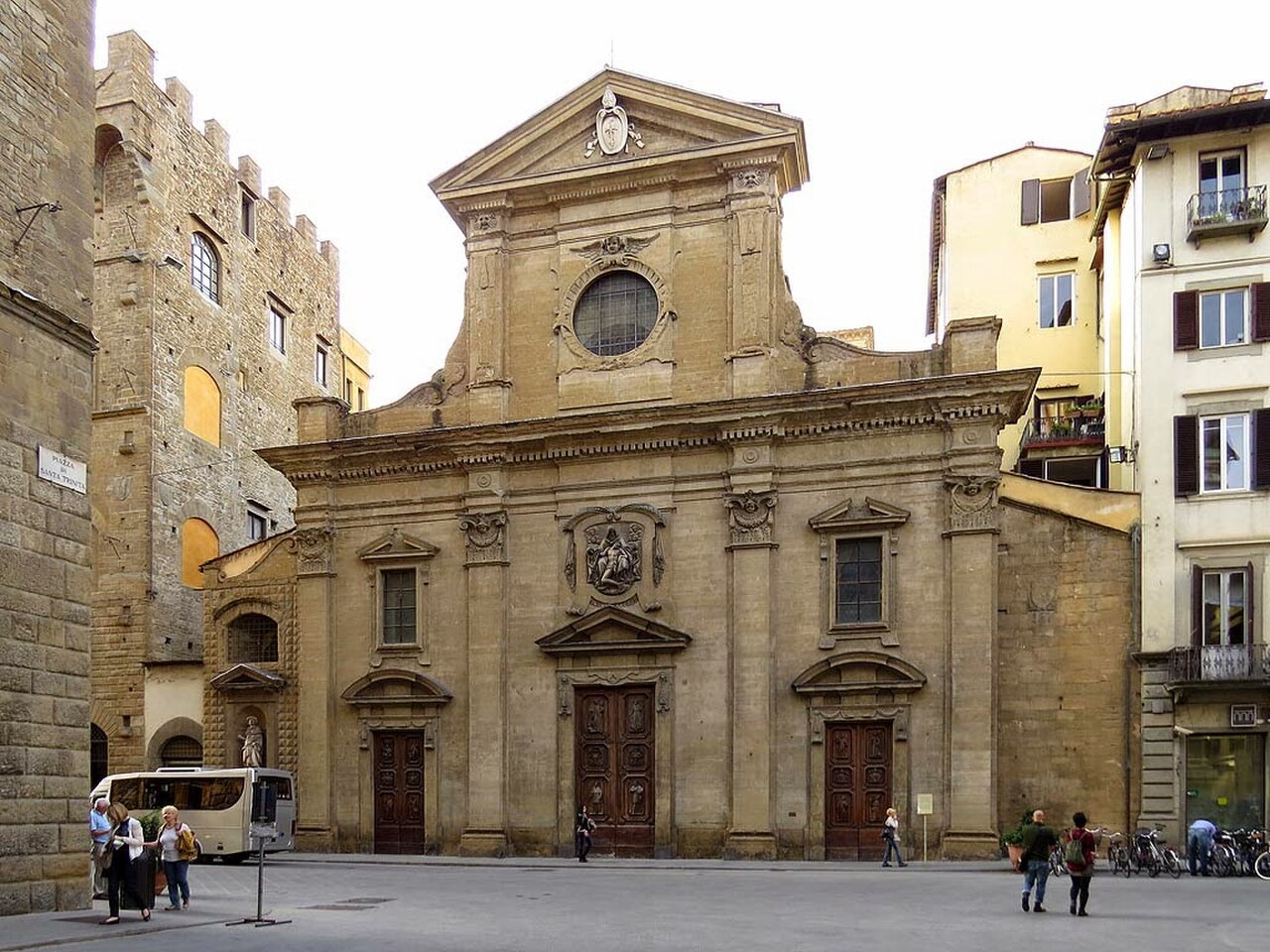
2 min walk
Basilica of the Holy Trinity
- Must see · Heritage site
- Place of worship
Language · 11 published
Historic monument · Florence
Palazzo Corsini al Parione
Reviewed by Elena Voss · Roavina Travel Editor
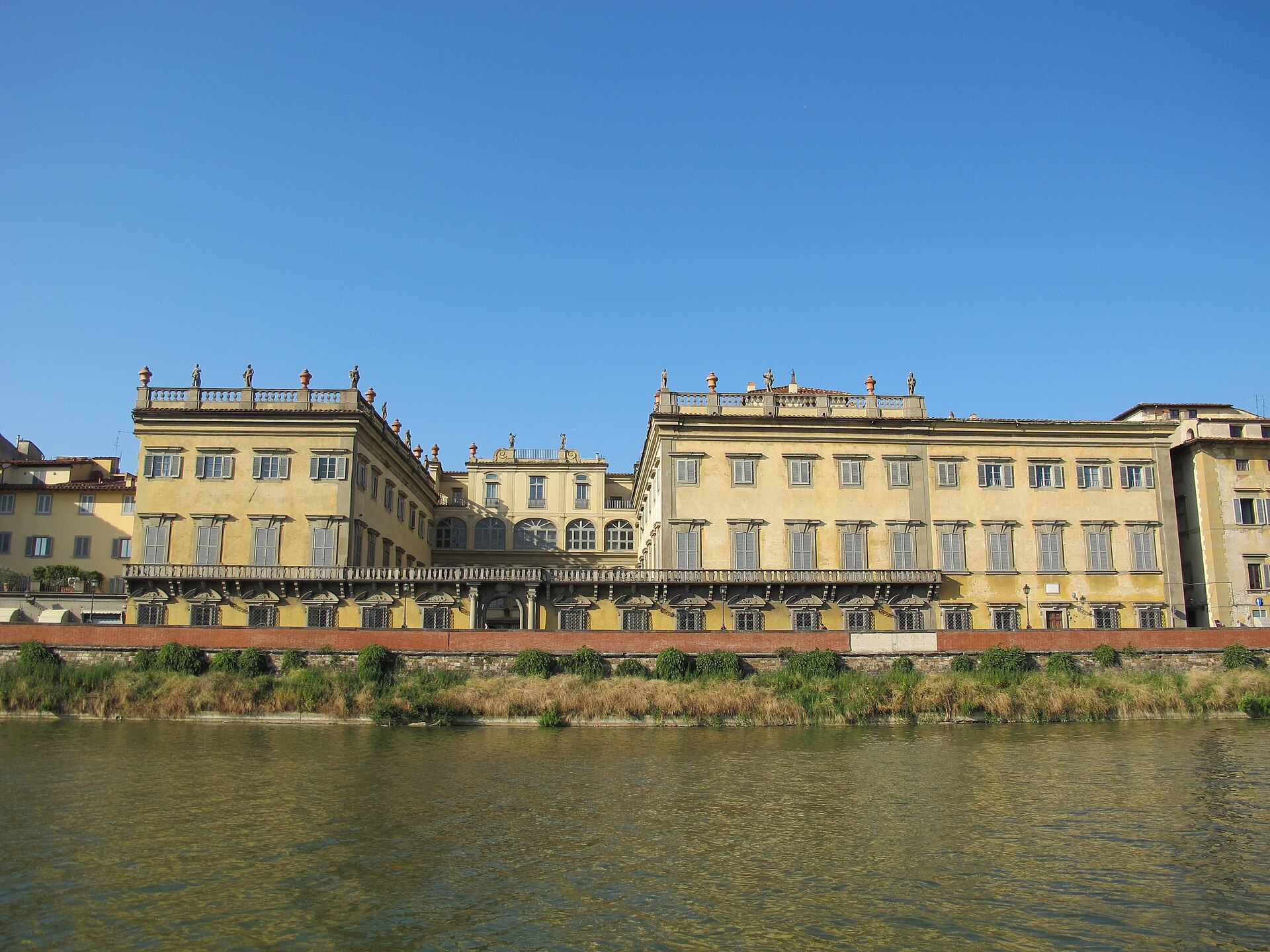
It was established in 1656.
Palazzo Corsini al Parione is a historic palace in central Florence’s Parione district. It is associated with the Corsini family, one of the city’s prominent noble houses, and forms part of the dense architectural setting around the historic centre and the Arno. The palace is best approached as a historic urban landmark whose exterior helps explain Florence’s aristocratic residential heritage. Its surroundings contain layers of medieval and Renaissance streets, churches, commercial routes, and other palazzi. Include Palazzo Corsini when you are exploring this part of Florence on foot, especially if you enjoy reading buildings as evidence of family influence, urban development, and changing patterns of city life.
Checked 2026-08-26 · Source
The reliable visitor experience at Palazzo Corsini al Parione is centred on its place within Florence’s historic streetscape. Do not plan the stop around a defined museum route, public gallery sequence, or confirmed exhibition. Instead, observe the palace exterior, its scale, the rhythm of its façade, and the way the building meets the surrounding streets. The Parione district supplies useful context, with historic structures standing alongside everyday shops, residences, and pedestrian movement. Travellers interested in aristocratic architecture can compare the palace with nearby buildings and consider how noble residences shaped the city’s appearance without needing an interior visit.
Checked 2026-08-26 · Source
Set aside fifteen to thirty minutes for a focused exterior visit to Palazzo Corsini al Parione. This allows time to locate the building, examine visible architectural details, move to a second safe viewpoint, and take photographs. Add time if you are following a palace-focused walk through central Florence or comparing the Corsini residence with other historic façades. The palace does not need to occupy a large part of the day. Its strongest role is as one stop within a sequence of urban observations, with the surrounding Parione streets providing much of the movement, atmosphere, and historical context.
Checked 2026-08-26 · Source
Choose daylight for Palazzo Corsini al Parione, since the visit depends on seeing the exterior and its relationship to the surrounding streets. Spring and autumn are comfortable for walking in central Florence. Summer can be hot and crowded, making early morning the easiest time for a calm architectural stop. Winter usually brings fewer visitors but shorter daylight. Morning light can make details easier to study before the district becomes busy, while late afternoon can add warmth to the façades. Combine the palace with nearby landmarks so the route remains enjoyable if crowds or weather change during the day.
Checked 2026-08-26 · Source
Plan Palazzo Corsini al Parione as an exterior heritage stop rather than a conventional ticketed museum visit. This means you can place it between other activities without reserving a formal entry slot or budgeting for a separate museum admission. The palace adds value to a Florence itinerary by showing how noble architecture remains woven into the ordinary city centre. Keep paid museum visits separate in your planning, and allow time for the public streets around the palace, where the relationship between the building and the district is more important than a ticket counter or interior route.
Checked 2026-08-26 · Source
Reach Palazzo Corsini al Parione on foot through central Florence. The palace is suited to a route connecting the Duomo area, Palazzo Vecchio, the Arno riverfront, and other historic streets. From Santa Maria Novella station, continue through the centre on foot and use the walk to notice the changing architecture around you. Public buses serve the wider area, but the final approach is along narrow streets. Private cars are inconvenient in the historic core because traffic restrictions and limited parking make a walking connection simpler. Wear supportive shoes, especially if the palace forms part of a longer day across the city.
Checked 2026-08-26 · Source
Palazzo Corsini al Parione may combine historic, residential, or institutional character, so stay within public areas and respect any boundaries around entrances. The Parione district has narrow streets and irregular paving that can make movement difficult for visitors using wheels or walking aids. Crowds, deliveries, bicycles, and traffic can change the best viewing position from moment to moment. Wear practical footwear and keep valuables secure during busy periods. In summer, carry water and protect yourself from the sun during the wider walk. Do not block doorways or pavements while studying details, and allow residents and local businesses to move freely.
Checked 2026-08-26 · Source
The exterior of Palazzo Corsini al Parione can be photographed from public thoroughfares, provided that you keep the pavement clear and respect nearby homes and businesses. The compact urban setting favours detail images of the façade, entrances, windows, and decorative elements, along with wider views showing the palace within the Parione streetscape. Use morning or late-afternoon light for texture and warmer tones. A small camera is easier to handle in a crowded street than a tripod or large setup. Avoid directing the lens into private windows, and let pedestrians pass before taking a wider composition.
Checked 2026-08-26 · Source
It stands in Florence’s central Parione district, within walking distance of major historic-centre landmarks and the Arno.
The palace is associated with the Corsini family, a prominent noble family in Florence’s history.
Allow approximately fifteen to thirty minutes for exterior observation and photography, with extra time for a palace-focused walk.
Walking through central Florence is the most practical approach; buses serve the wider area before the final walk through narrow streets.
Photograph the façade, windows, entrances, architectural details, and the palace’s relationship with the surrounding Parione streets.
Supportive shoes and water are useful for walking across Florence’s historic centre, especially in warm weather and on uneven paving.
Loading the interactive map…
The interactive map could not be loaded.
Last updated:
Source: OpenStreetMap contributors, Wikidata ·