
2 min walk
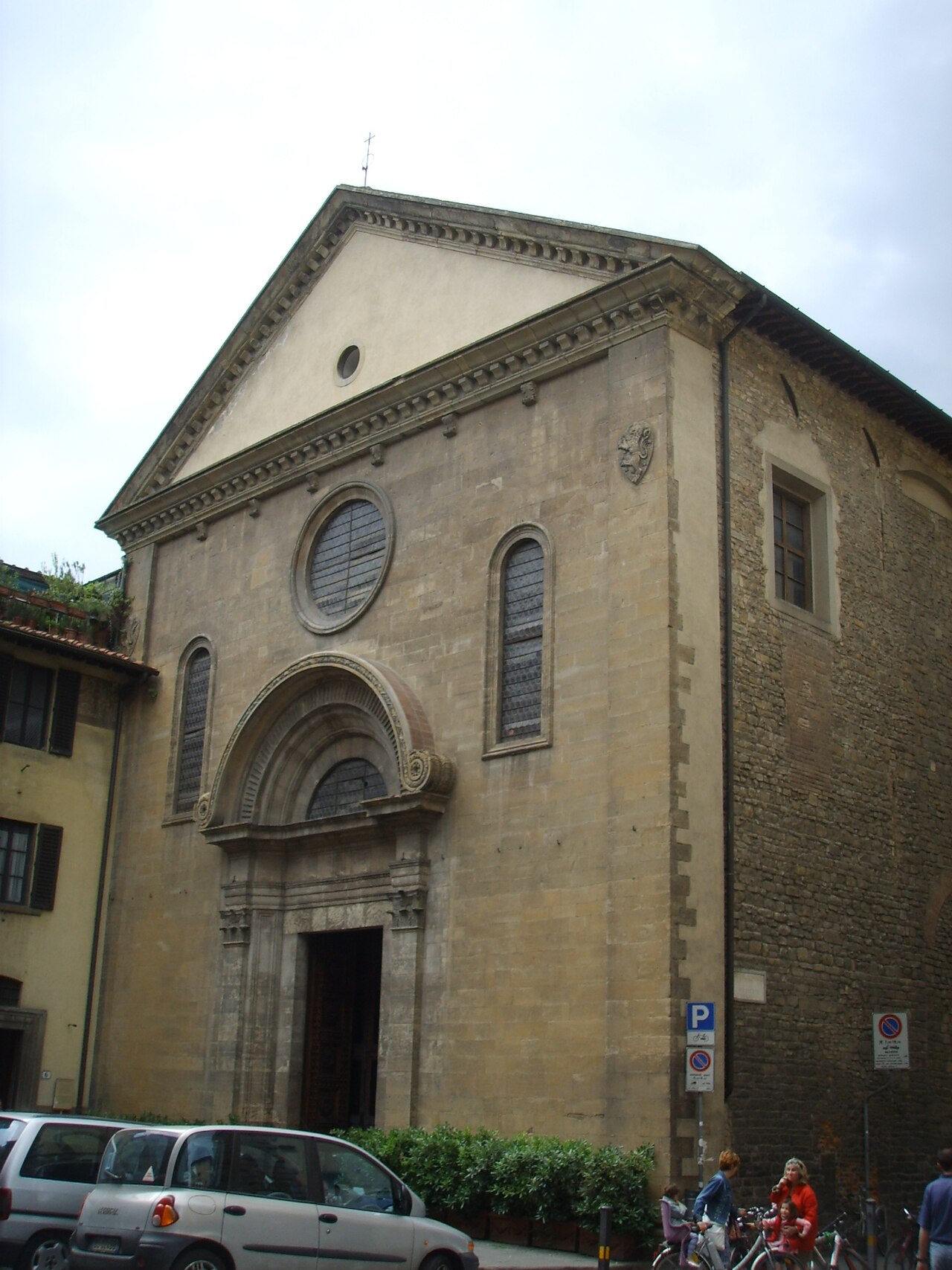
San Felice church
- High
- Historic monument
Museum · Florence
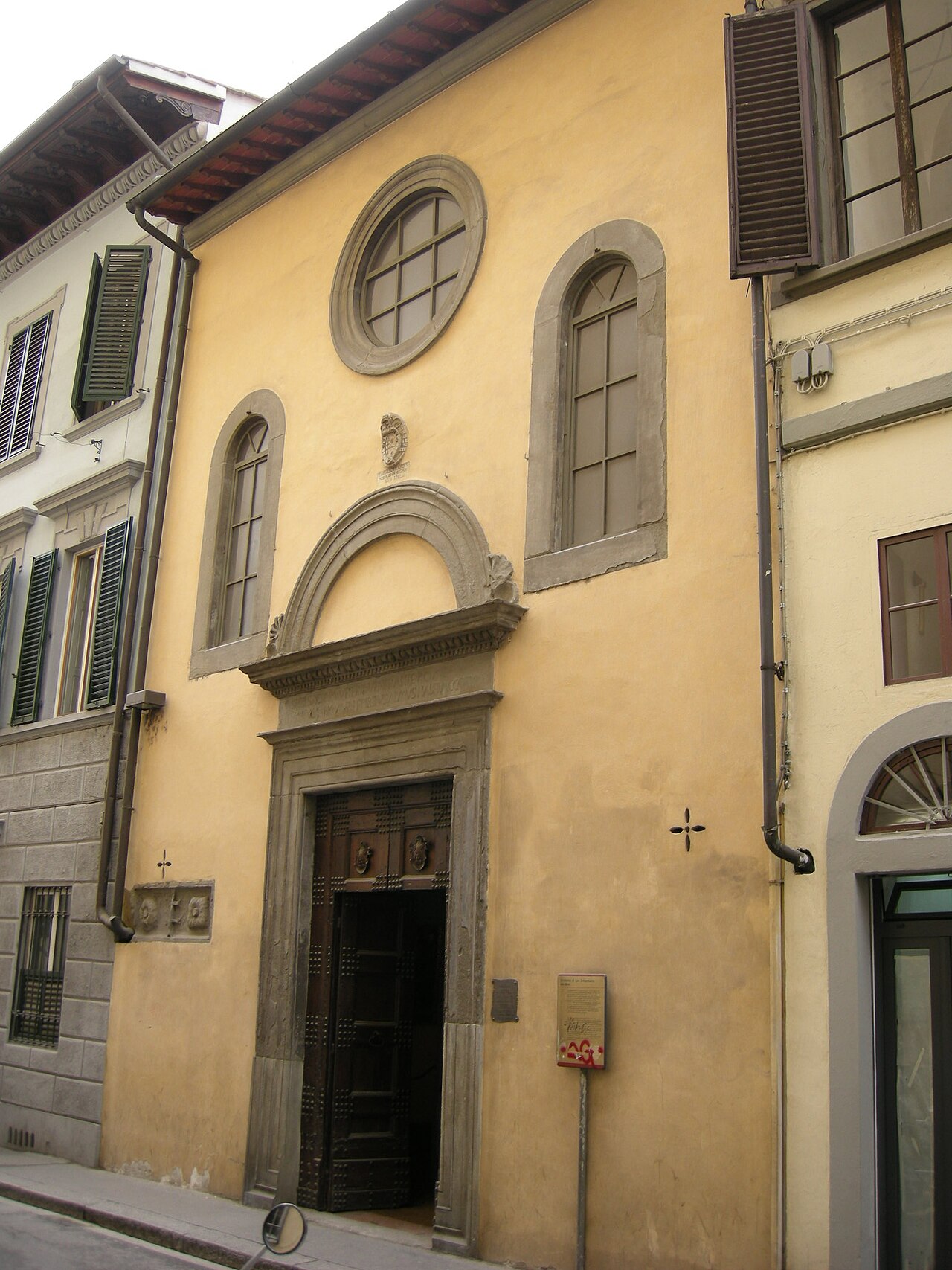
Oratorio di San Sebastiano de' Bini
San Sebastiano de' Bini, also known as Oratorio di San Sebastiano de' Bini, is a religious oratory in Florence. It belongs to the city’s layered ecclesiastical heritage and represents the smaller devotional spaces that sit alongside Florence’s celebrated churches and museums. An oratory is shaped by worship rather than by a visitor route, so its character is quieter and more local than that of a major attraction. Include it for an interest in religious history, neighbourhood fabric, and lesser-known Florentine architecture. San Sebastiano de' Bini, known locally as Oratorio di San Sebastiano de' Bini, is a religious oratory in Florence, Tuscany. The structure belongs to the city's rich ecclesiastical heritage, representing one of numerous historic devotional spaces that characterize Florence's urban fabric. As a place of worship, it served religious functions within its neighborhood context. The oratory's name indicates historical connections to a family or patronage system common in Renaissance and early modern Florence, where private chapels and oratories were established by wealthy families. Current accessibility is not confirmed. As an active oratory, it may have restricted hours or prioritize religious functions over visitor access.
Checked 2026-08-26 · Source
The building’s identity is devotional, with the interior serving the purposes of an oratory rather than a conventional museum. Visitors should look for the relationship between the worship space, its architectural proportions, and the surrounding historic city fabric. A short visit may be enough to appreciate the building’s atmosphere and religious function. Avoid expecting a large exhibition or extensive visitor infrastructure; the appeal lies in encountering a modest ecclesiastical place within Florence’s broader history of chapels, oratories, and neighbourhood worship.
Checked 2026-08-26 · Source
If access is available, a brief visit of around fifteen to forty-five minutes suits the scale and purpose of an oratory. Use the shorter end for a quiet look at the architecture and devotional atmosphere, and the longer end when the interior allows closer attention. It works best as one element in a walking itinerary rather than as a destination requiring several hours. Keep the timing flexible, since religious use can take priority over sightseeing and may change how long you can remain.
Checked 2026-08-26 · Source
Choose a time when your Florence itinerary already passes through the historic centre, and approach the oratory as a respectful cultural encounter rather than a guaranteed museum appointment. Religious buildings can be affected by worship, ceremonies, or local use. A quieter part of the day is appropriate for reflection and for observing the space without competing with a large sightseeing crowd. The surrounding season matters less than the balance between your walking route, the city’s congestion, and the oratory’s religious purpose.
Checked 2026-08-26 · Source
San Sebastiano de' Bini is a religious oratory rather than a large museum attraction. Carrying a small amount of cash can be useful for ordinary church donations in Florence, but no payment should be treated as part of the confirmed visit experience here. The main value of the stop is its devotional and architectural character within the historic city, not a formal ticketed exhibition.
Checked 2026-08-26 · Source
The oratory is situated within Florence’s historic centre, where pedestrian travel is the practical way to move between small religious sites and major landmarks. Central streets can be narrow, busy, and uneven, while vehicle restrictions make a walking approach more natural than a private-car journey. Add it to a route that already includes nearby churches or historic quarters. A map is useful for the final approach because minor oratories can be easy to pass without noticing amid the dense urban fabric.
Checked 2026-08-26 · Source
Religious functions take precedence at an oratory. Enter quietly, dress respectfully, and leave space for worshippers or local activities. Paving in Florence’s historic centre can be uneven, so comfortable footwear is valuable on the walk. Visitor services may be limited compared with a museum, and the interior may not be arranged for prolonged sightseeing. Keep your expectations modest and your behaviour unobtrusive. The reward is a glimpse of the city’s smaller devotional layer, not a large sequence of exhibits or formal amenities.
Checked 2026-08-26 · Source
Photography should never interfere with prayer or religious activity. Follow any signs and instructions in the building, and avoid flash around painted, decorated, or historic surfaces. If no guidance is visible, put the camera away and experience the space directly rather than treating the oratory as a photo stop. Exterior details can be appreciated quietly while passing through the surrounding streets. A discreet approach respects the devotional purpose of San Sebastiano de' Bini and helps preserve the calm that makes a small oratory meaningful.
Checked 2026-08-26 · Source
It is a religious oratory in Florence, also known locally as Oratorio di San Sebastiano de' Bini.
If access is available, allow roughly fifteen to forty-five minutes for the architecture and devotional atmosphere.
Enter quietly, dress respectfully, give priority to worshippers, and avoid interrupting religious activity or local use of the space.
It is within Florence’s historic centre, where walking is the practical way to connect it with nearby churches and landmarks.
No. San Sebastiano de' Bini is a modest religious oratory, valued for its devotional character and place within Florence’s historic urban fabric.
Photography should remain subordinate to worship and follow any posted rules or staff directions. Avoid flash and put the camera away whenever the policy is unclear.
Loading the interactive map…
The interactive map could not be loaded.
Last updated:
Source: OpenStreetMap contributors, Wikidata ·