
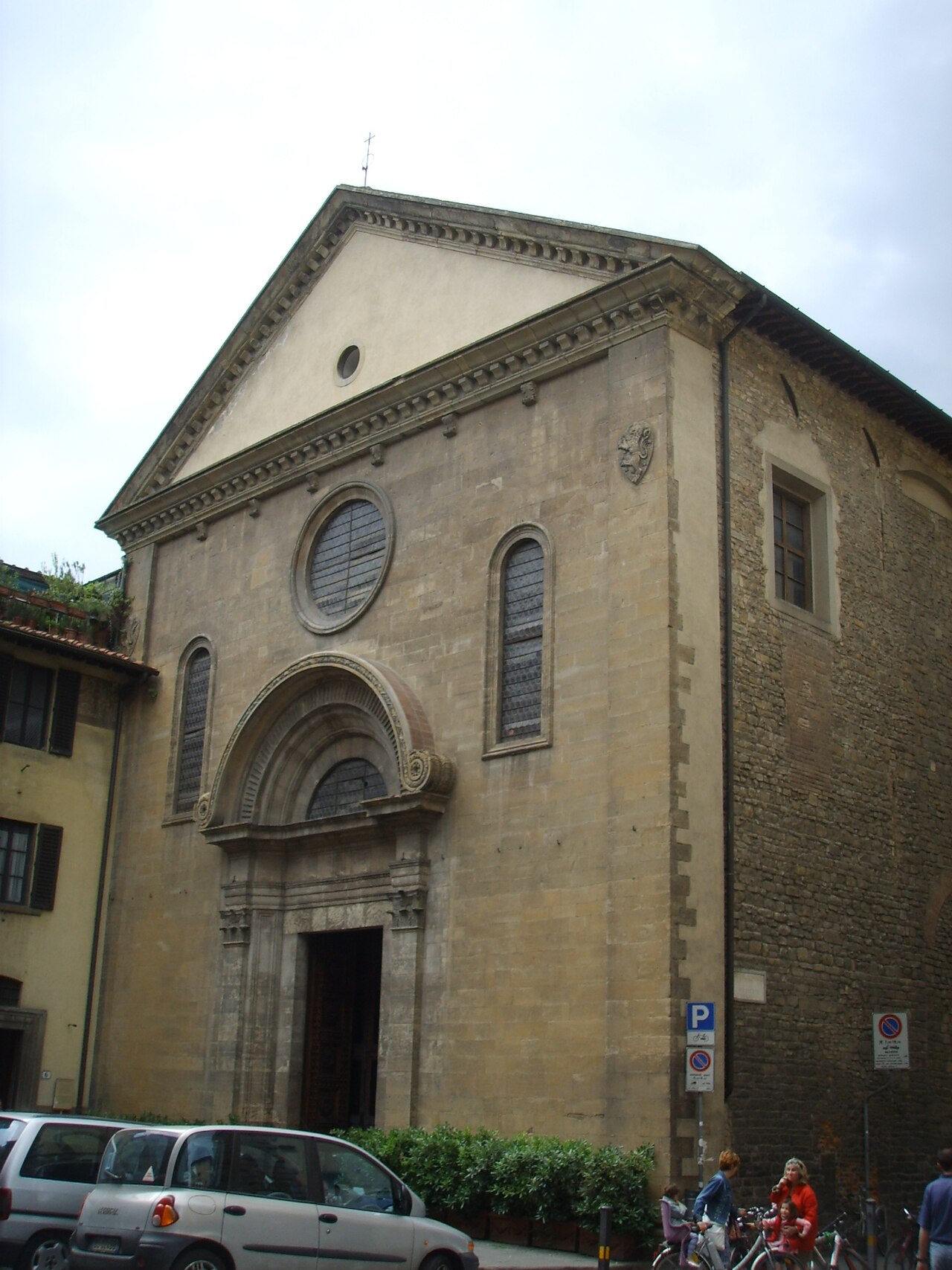
2 min walk
San Felice church
- High
- Historic monument
Museum · Florence
La Specola
Closed today, Monday. Next open Tuesday at 09:00 — the planner will not place a stop here on a Monday.
Plan around it| Monday | Closed |
|---|---|
| Tuesday | 09:00 – 17:00 |
| Wednesday | 09:00 – 17:00 |
| Thursday | 09:00 – 17:00 |
| Friday | 09:00 – 17:00 |
| Saturday | 09:00 – 17:00 |
| Sunday | 09:00 – 17:00 |
Parsed from OpenStreetMap opening hours on 2026-09-09.
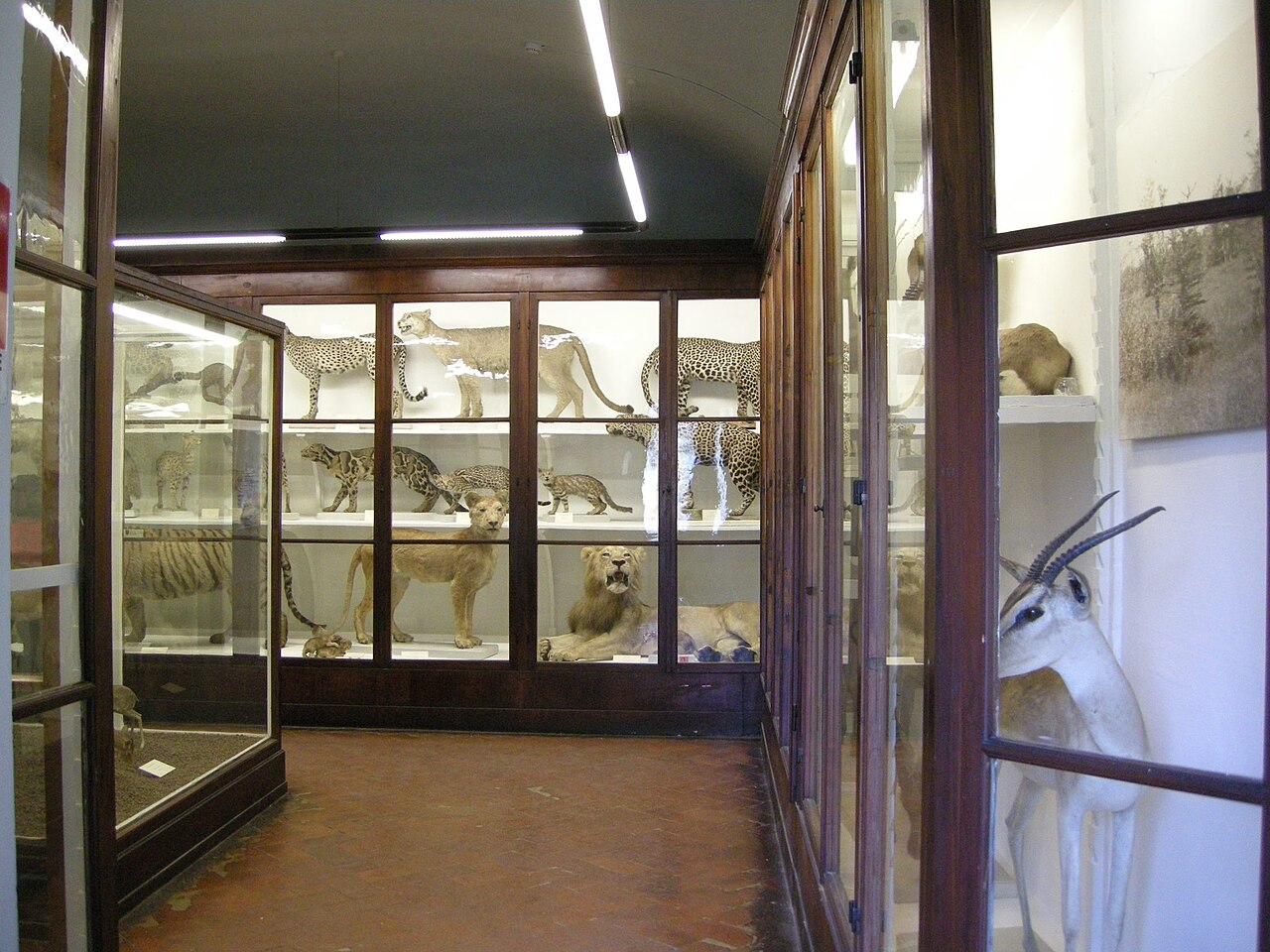
La Specola is the zoological museum of the University of Florence. It brings together scientific heritage, natural-history collections and the history of university teaching in a historic Florentine setting. The name recalls the astronomical observatory once associated with the building, while the museum's identity is centred on zoology and scientific display. It offers a different experience from Florence's painting galleries: visitors come here to encounter specimens, research traditions and the visual history of how natural science was taught. La Specola is the zoological museum of the Università di Firenze, housed in a historic building in Florence. Its name derives from the astronomical observatory once located here. The museum holds significant scientific collections developed over centuries of research and teaching at the university. The museum contains anatomical specimens and taxidermied animals that may disturb younger or sensitive visitors. Parental discretion is advised based on individual child temperament.
Checked 2026-08-26 · Source
The museum's collections include taxidermied animals, anatomical specimens, scientific instruments and anatomical wax models made for teaching. The waxworks are especially distinctive because they combine scientific purpose with highly skilled craftsmanship. Move slowly through the displays and compare the different ways animals, bodies and scientific tools have been presented across generations. La Specola is most rewarding for visitors who enjoy close looking, natural history and the material culture of medicine. Some exhibits can be intense, so allow time to process what you see.
Checked 2026-08-26 · Source
Allow roughly one to two hours for La Specola. That gives a casual visitor time to follow the galleries and gives a more curious visitor room to study the wax models, specimens and instruments. Students of zoology, medicine or museum history may want longer, since individual displays invite detailed comparison. The museum fits naturally into a half-day in the Oltrarno, particularly when paired with a walk near Palazzo Pitti or the Boboli Gardens. Keep the rest of the day flexible if scientific collections are a strong interest.
Checked 2026-08-26 · Source
La Specola suits a Florence itinerary built around museums and quieter cultural stops. A morning visit can leave the afternoon open for the Oltrarno, while an earlier arrival may help you engage with the displays before a long day of sightseeing becomes tiring. Give particular thought to your group: realistic anatomical models and preserved specimens are fascinating to some visitors and unsettling to others. The museum's university setting also makes it a good choice when you want a break from Florence's busiest landmark crowds.
Checked 2026-08-26 · Source
Plan La Specola as a dedicated museum visit rather than an informal walk-in sight. Its academic character gives the experience a different rhythm from Florence's major commercial museums: the collections reward attention, and the historic setting is part of the visit. Keep identification and payment essentials with you, and leave enough time to enjoy the galleries rather than arriving immediately before another fixed appointment. The surrounding Oltrarno makes it easy to continue with food, streets and other cultural experiences after the museum.
Checked 2026-08-26 · Source
La Specola is in Florence's Oltrarno, south of the Arno, within walking reach of the Palazzo Pitti and Boboli Gardens area. From the central city, walking makes the museum easy to combine with other sights, although narrow streets and older paving call for comfortable shoes. Visitors arriving at Santa Maria Novella can cross the central area and continue on foot. Public transport can help with longer approaches, while driving is inconvenient because central Florence includes restricted-traffic streets and limited parking.
Checked 2026-08-26 · Source
La Specola contains realistic anatomical wax models and preserved specimens, including displays that some children or sensitive adults may find disturbing. Prepare younger visitors before entering and let them decide how closely to look. The historic building may include stairs, uneven surfaces and variable indoor conditions, so plan carefully if anyone in your group has mobility needs. Move gently through the galleries, protect the scholarly atmosphere and expect the experience to feel more specialised than a conventional family museum.
Checked 2026-08-26 · Source
Photography should support careful observation at La Specola rather than dominate the visit. Follow signs and staff directions, keep equipment compact and avoid flash when viewing specimens or wax models. Do not obstruct narrow passages while composing an image, and be especially considerate of other visitors confronting sensitive displays. The historic collections deserve a quiet pace, so take a few deliberate photographs and then return your attention to the objects themselves. Keep tripods and elaborate setups out of the galleries unless explicitly permitted.
Checked 2026-08-26 · Source
It can suit children who enjoy animals and science, but anatomical wax models and preserved specimens may be unsettling for younger or sensitive visitors.
The museum presents taxidermied animals, anatomical specimens, scientific instruments and historically important anatomical wax models.
Plan approximately one to two hours, with extra time if you want to study the scientific collections in detail.
It is the university's zoological museum and reflects the institution's teaching, research and scientific collecting traditions.
The museum is in the Oltrarno, south of the Arno and within walking reach of Palazzo Pitti and the Boboli Gardens area.
The name recalls the astronomical observatory that was once associated with the building; the museum today is focused on zoological collections.
Loading the interactive map…
The interactive map could not be loaded.
Last updated:
Source: OpenStreetMap contributors, Wikidata ·