1 min walk
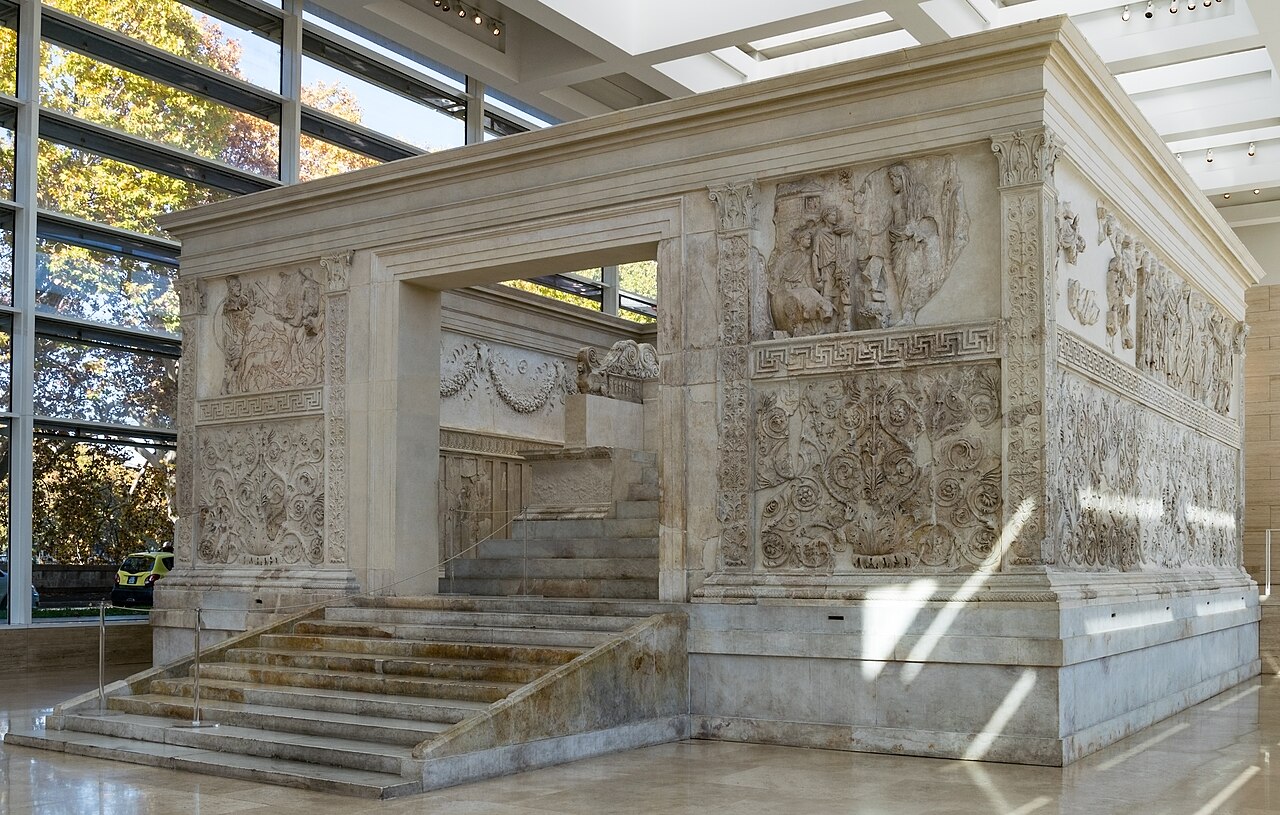
Ara Pacis
- Must see
- Historic monument
Historic monument · Rome
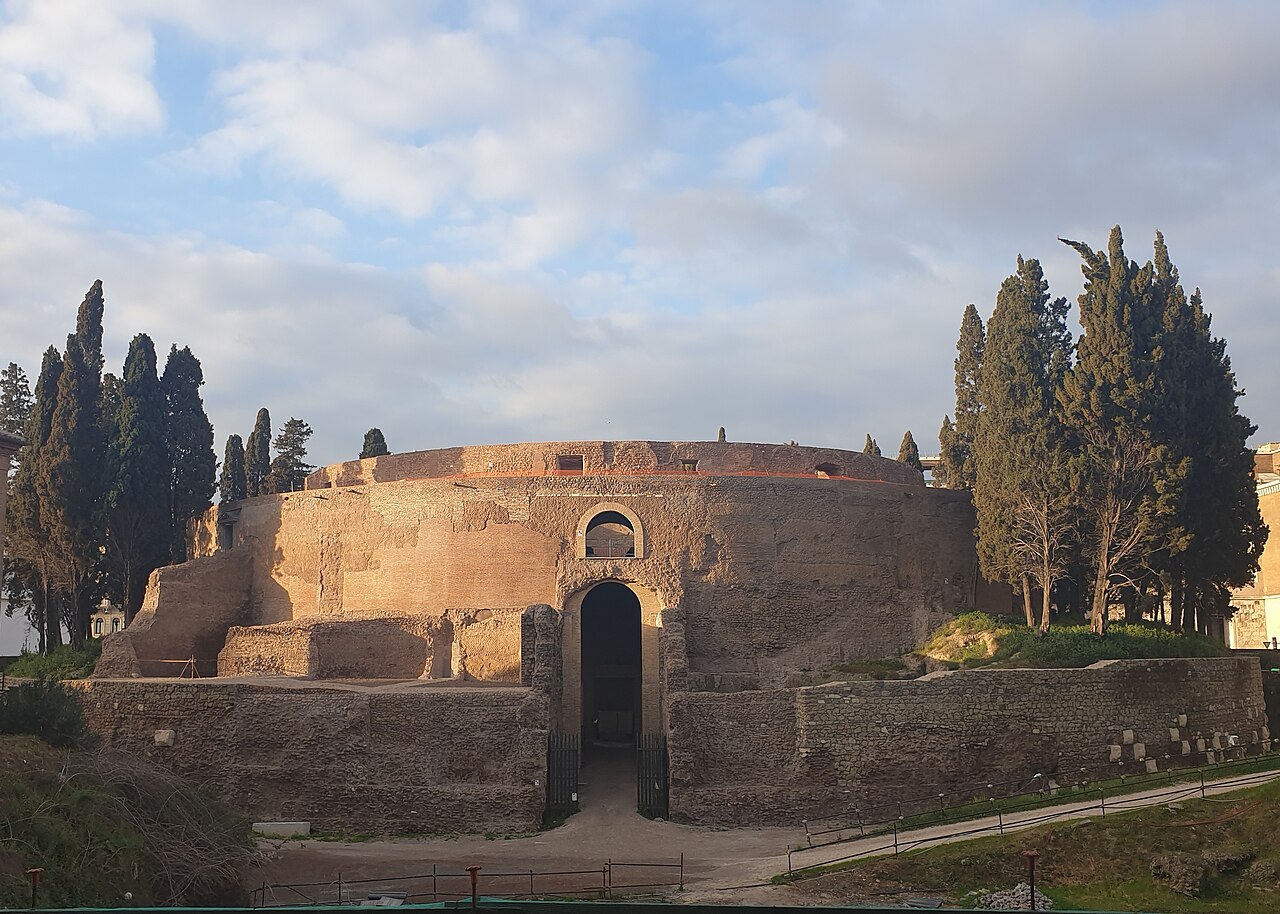
Mausoleo di Augusto
The Mausoleum of Augustus is a large circular tomb built as the final resting place of Emperor Augustus, the first Roman emperor. Constructed in the Campus Martius area of ancient Rome, it once held the remains of several Julio-Claudian dynasty members. The structure has undergone numerous transformations across two millennia, serving variously as a fortress, garden, bullring, and concert hall before its modern restoration and reopening as an archaeological site. Mausoleum of Augustus also earns time in a rome itinerary because Exact unique production name match within the declared city scope. Its value becomes clearer when the stop is compared with the surrounding streets and the other ranked places nearby.
Checked 2026-08-26
Visitors can explore the interior spaces of the mausoleum, including the central burial chamber and surrounding corridors. The site features modern walkways and interpretive installations that explain its layered history. Original structural elements remain visible, though the decorative marble and bronze fittings that once adorned the tomb were removed long ago. The space emphasizes architectural form and historical significance rather than intact ancient decoration, with explanatory materials guiding understanding of what the monument once contained. A flexible visit lets travellers connect Mausoleum of Augustus with the rest of the day without treating one room, viewpoint or photograph as the whole experience. The useful pace depends on personal interest and conditions on arrival.
Checked 2026-08-26
A complete visit to the Mausoleum of Augustus typically requires between forty-five minutes and one hour. The circuit through the interior spaces is relatively compact, with visitors moving through defined pathways. Those with deep interest in Roman imperial history or architectural evolution may wish to spend additional time examining the interpretive displays. The experience pairs well with nearby sites in the historic center, allowing visitors to construct a fuller day of exploration in the surrounding area without excessive time commitment.
Checked 2026-08-26
Visitors should consult official sources before planning their arrival. The interior experience is not strongly weather-dependent, though the approach and any exterior examination are more pleasant in dry conditions. Rome receives substantial tourist traffic during spring and autumn peak seasons, which may affect queue times if entry is restricted. Advance planning remains advisable given the site's popularity and the controlled access typical of major archaeological monuments in the city center. Check the operator's own site for the travel date before relying on a schedule or fare.
Checked 2026-08-26
Visitors must verify current admission costs through official channels before visiting. The Mausoleum of Augustus may operate with timed entry reservations, a common practice for capacity management at significant Roman sites. Combination arrangements with neighboring attractions occasionally exist, though specific partnerships cannot be confirmed without current documentation. Reduced or free admission categories typical of Italian state museums may apply, but eligibility requirements and documentation needs should be confirmed directly with operators rather than assumed. Check the operator's own site for the travel date before relying on a schedule or fare.
Checked 2026-08-26
The Mausoleum occupies a central position near the Tiber River, accessible from multiple directions within Rome's historic core. The Piazza del Popolo lies immediately adjacent, itself a major transit nexus. Numerous bus routes serve the surrounding area, and the Flaminio metro station on Line A provides nearby underground connection. Walking from other central monuments is feasible for most visitors, as the site sits among densely clustered attractions. The riverside location makes it identifiable by major landmarks even for those navigating without precise addresses.
Checked 2026-08-26
The interior surfaces may be uneven or damp in places, requiring appropriate footwear and attention to footing. The confined spaces of the ancient structure may prove challenging for visitors with mobility limitations or discomfort in enclosed environments. Lighting is designed for safety and atmosphere but may be subdued in certain passages. Visitors should remain within marked pathways to protect both the archaeological fabric and personal safety. Crowding can occur at narrow points within the circuit, necessitating patience and spatial awareness during peak visitation periods.
Checked 2026-08-26
Personal photography for non-commercial purposes is generally permitted at Italian archaeological sites, though flash and tripod use may be restricted to protect sensitive surfaces and visitor flow. Specific regulations for the Mausoleum of Augustus should be verified on arrival, as policies can evolve. The interior's subdued lighting creates challenging conditions for casual photography, with artificial illumination producing color casts and limited exposure options. The monumental scale and curved surfaces reward wide-angle perspectives, while detail shots of ancient construction techniques offer documentary interest for those studying Roman building methods.
Checked 2026-08-26
The structure has undergone extensive modern restoration work to stabilize and reopen it for public access, though it does not replicate its original decorative appearance.
Walk-in availability cannot be guaranteed; many major Roman sites operate with reservation systems, and visitors should verify current access procedures before traveling.
The ancient funerary urns and remains were removed or dispersed over centuries; the site preserves the architectural container rather than its original contents.
Ancient structures often present accessibility challenges; visitors with specific mobility requirements should contact operators directly to confirm current provisions.
Both monuments were erected by Augustus in the Campus Martius area and are frequently visited in combination, though they operate as separate attractions with independent access.
Standard entry typically permits self-guided circulation; whether guided tours or audio devices are available should be confirmed through official channels at time of visit.
Loading the interactive map…
The interactive map could not be loaded.
Last updated:
Source: OpenStreetMap contributors, Wikidata ·
.jpg)