3 min walk
Athenaeum
- Must see · Heritage site
- Historic monument
Language · 11 published
Historic monument · Rome
Reviewed by Elena Voss · Roavina Travel Editor
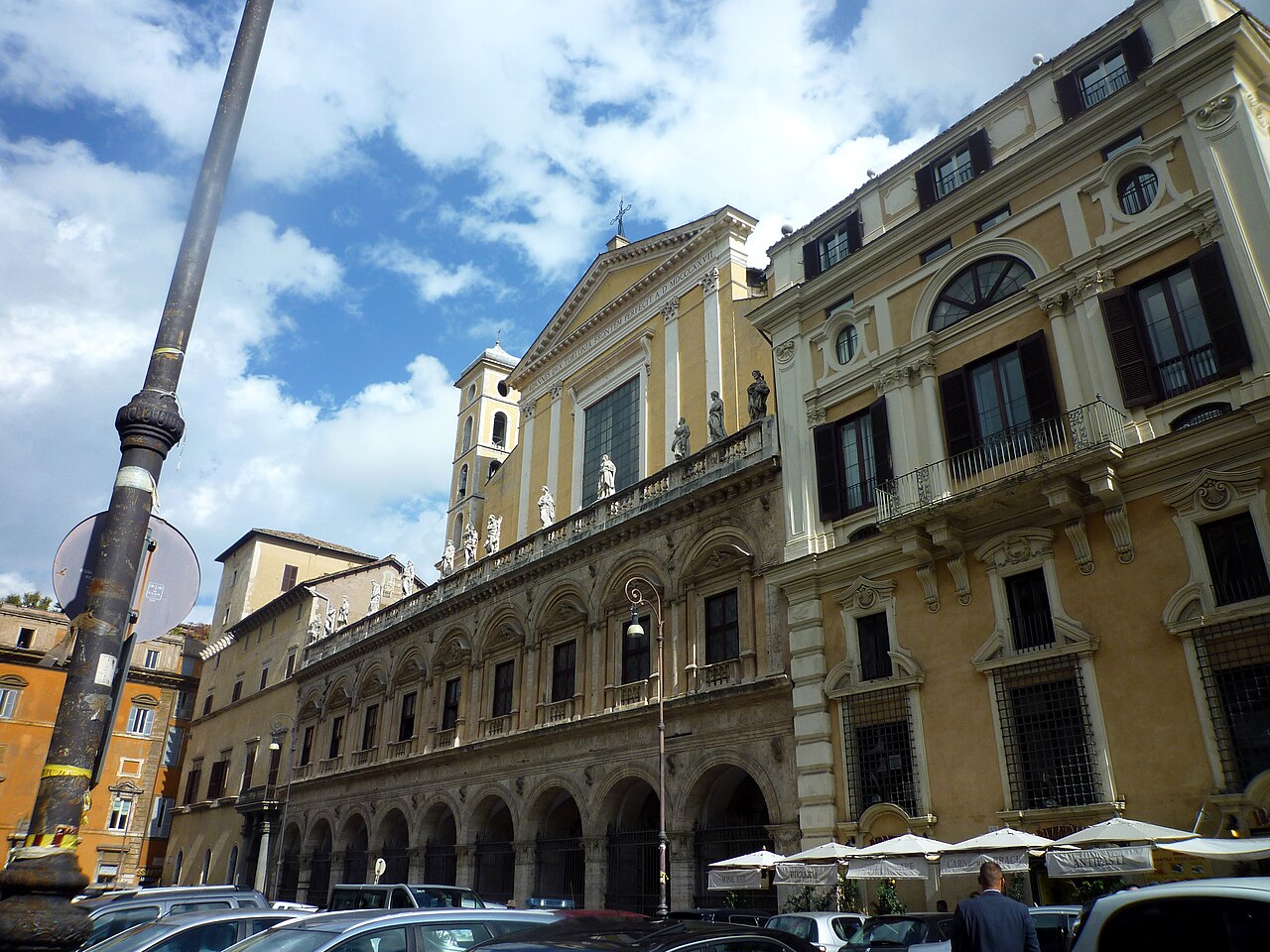
This place is a Attraction. It was built in the baroque architecture style. It carries the Italian national heritage heritage designation.
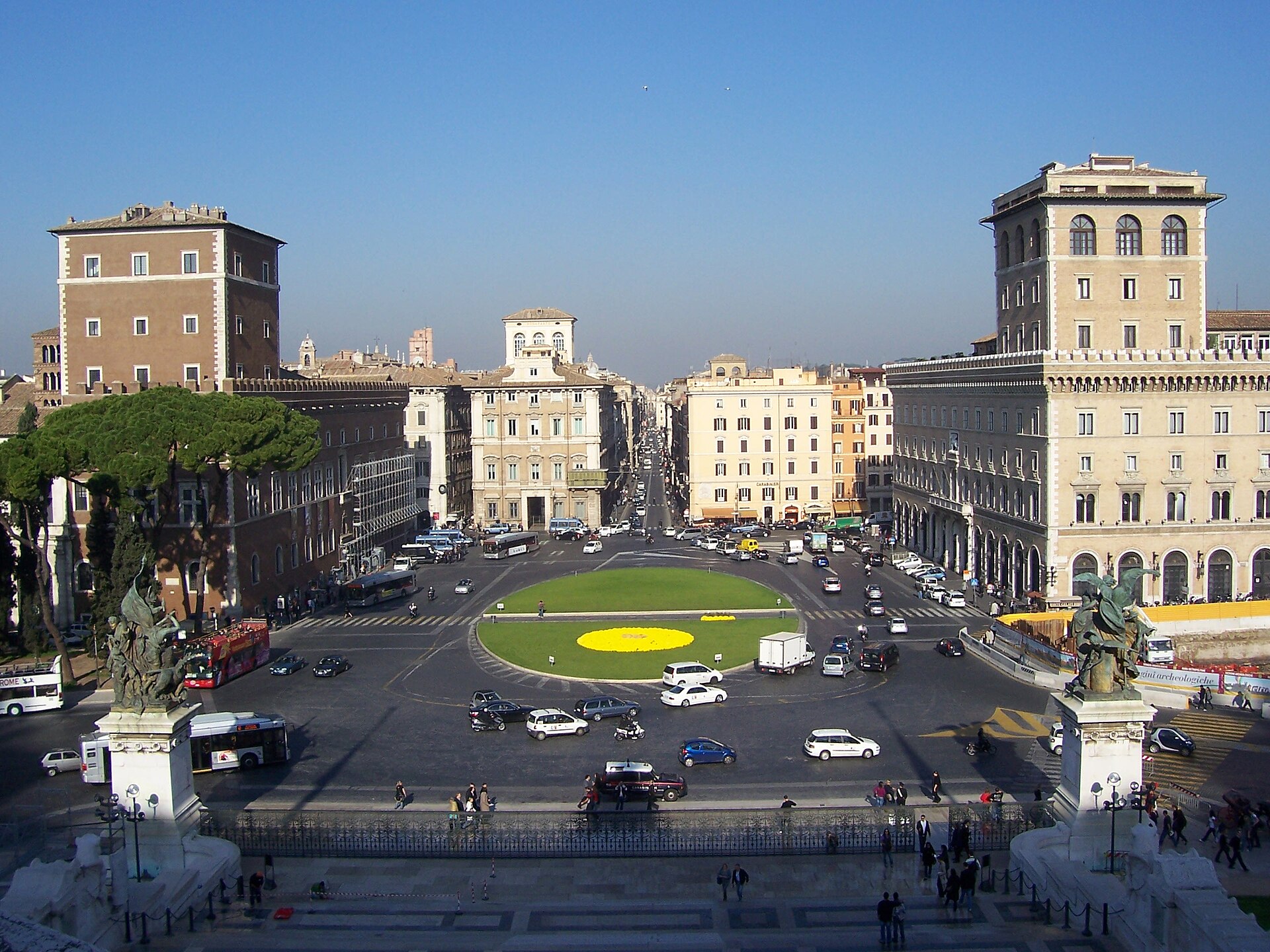
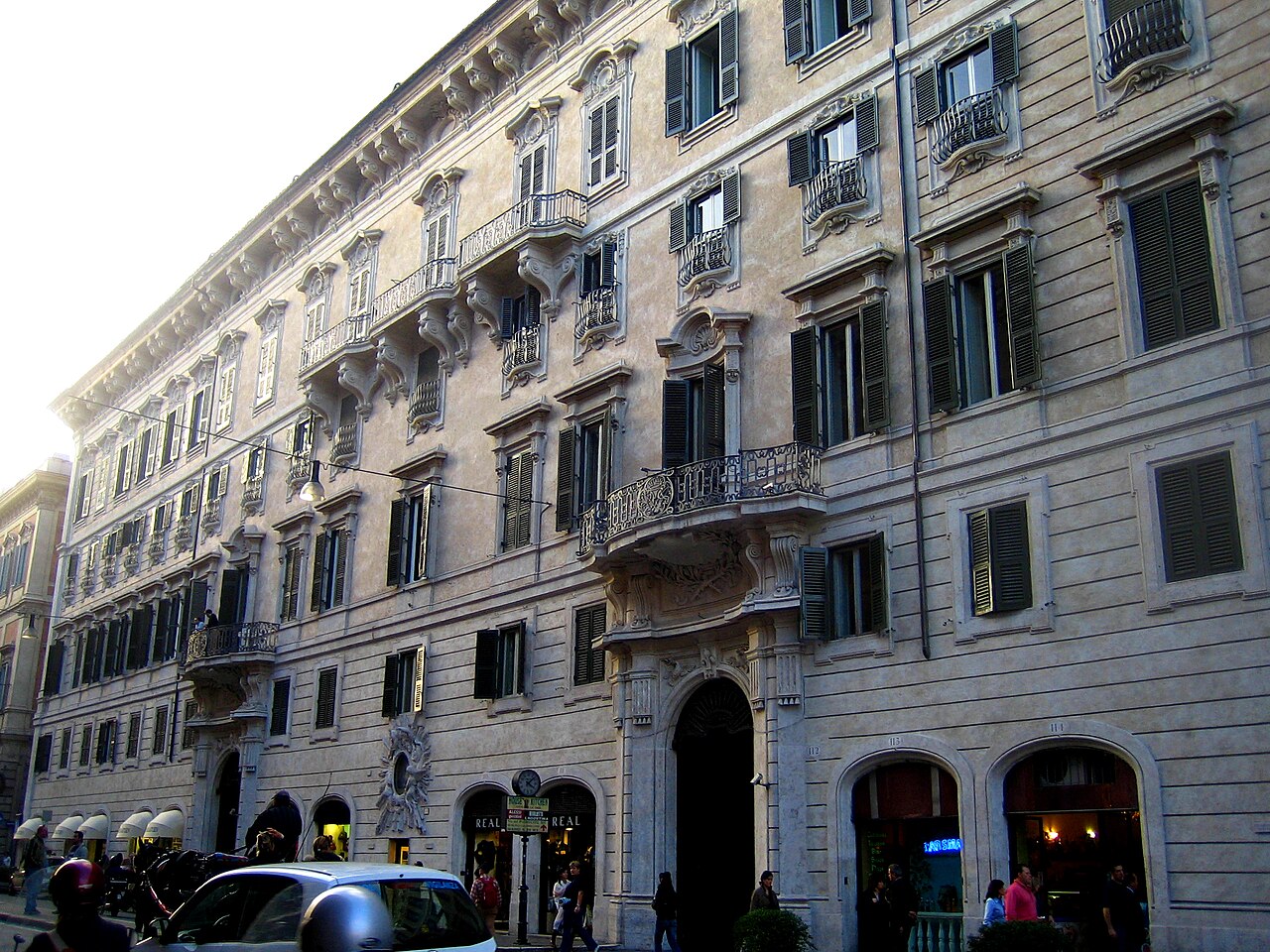
Palazzo Colonna is a historic palace in Rome, Italy, belonging to the Colonna family, one of the oldest and most prominent noble families in the city. The palace complex has developed over centuries, with origins dating to medieval times and significant expansions during subsequent periods. It occupies a substantial site near Piazza Venezia in central Rome. The building represents an important example of Roman aristocratic residential architecture, combining different stylistic layers from its long construction history. The palace remains partly in private family use while also accommodating public visitation to certain areas.
Checked 2026-08-26
The palace contains the Galleria Colonna, a major art collection displayed in richly decorated halls. The gallery features works by Italian and European masters spanning several centuries, including paintings, sculptures, and decorative arts. The interiors preserve elaborate Baroque and later decorative schemes, with frescoed ceilings, gilded stucco work, and historically significant furnishings. The Great Hall and other state rooms demonstrate the ceremonial requirements of a princely Roman residence. Gardens and courtyards form part of the complex. The exact current display configuration and complete inventory are not recorded pending review.
Checked 2026-08-26
A typical visit to the accessible portions of Palazzo Colonna requires approximately one to two hours, depending on visitor interest in art historical detail and decorative interiors. Those with strong engagement in Baroque painting, aristocratic palace architecture, or the specific Colonna family collections may wish to extend their stay. The route through the gallery spaces proceeds at a measured pace given the density of artworks and architectural features. Visitors should allow additional time for any security procedures or waiting periods. Self-guided pacing is generally possible within the permitted areas.
Checked 2026-08-26
Visitors should consult official sources before planning attendance. The palace has historically maintained restricted opening schedules, often limited to specific mornings or weekend periods, reflecting its dual function as private residence and public monument. Morning visits may offer more tranquil conditions when access is available. Rome's peak tourist seasons of spring and autumn bring general congestion to central sites near Piazza Venezia. Summer interior conditions depend on historical ventilation and any climate control systems, which are not recorded. Advance verification remains essential. Check the operator's own site for the travel date before relying on a schedule or fare.
Checked 2026-08-26
The palace has historically required paid admission for gallery access, with potential variations between standard and reduced categories. Any current ticketing structure, including reservation requirements, online purchase options, or combination arrangements with other sites, remains unverified. Visitors should consult official channels for definitive information. Payment methods accepted, cancellation policies, and validity periods are not recorded. Group rates or specialized visit types may exist but require direct confirmation. Budgeting should incorporate provisional allowances subject to revision upon official inquiry. Check the operator's own site for the travel date before relying on a schedule or fare.
Checked 2026-08-26
Palazzo Colonna occupies a central location near Piazza Venezia, accessible by multiple Rome public transport options. Bus services converge on the piazza and adjacent streets. The nearest metro stations are Colosseo and Circo Massimo on Line B, requiring subsequent walking through the historic centre. Walking from other major monuments including the Roman Forum, Capitoline Hill, or Trevi Fountain is feasible within the compact historic core. Traffic restrictions affect the immediate zone, limiting private vehicle access. Pedestrian navigation through dense urban fabric demands attention to signage and mapping tools.
Checked 2026-08-26
The palace functions partly as private residence, imposing behavioural expectations distinct from fully public museums. Photography restrictions may apply in specific spaces; visitors should observe posted instructions and staff guidance. The historic interiors contain fragile surfaces and artworks requiring careful movement and bag management. Crowding in narrow gallery passages may occur during limited opening periods. Rome's central location exposes visitors to general urban concerns including pickpocketing in congested areas. Appropriate attire reflecting the dignified character of a princely palace is prudent. Accessibility limitations from historic building fabric should be anticipated.
Checked 2026-08-26
Photography policies within Palazzo Colonna are not recorded pending review. Historic Italian palaces typically impose restrictions, often prohibiting flash photography to protect light-sensitive artworks and decorative surfaces. Tripods, selfie sticks, and professional equipment commonly face prohibition without special arrangement. Mobile photography may be permitted in designated areas while restricted in others containing particularly vulnerable materials. Visitors should verify current regulations before arrival and comply promptly with staff instructions. Any commercial or publication use requires separate authorization. Respect for fellow visitors and the private residential function should inform all image-making behaviour.
Checked 2026-08-26
No. The palace maintains a dual function as private family residence and public monument. Only specific portions, primarily the Galleria Colonna, are accessible to visitors. Other areas remain in private use.
Booking requirements are not recorded pending review. Given restricted opening schedules and limited capacity, advance reservation may be advisable. Consult official sources for current procedures.
The availability of guided tours is not recorded pending review. Some historic palaces offer scheduled tours or audio options, but current Palazzo Colonna provisions require direct verification.
Accessibility provisions are not recorded pending review. Historic Roman palaces often present structural barriers including stairs, uneven flooring, and narrow passages. Direct inquiry is recommended.
The palace has medieval origins with successive expansions over centuries. Precise founding dates and construction phases are not recorded pending review of authoritative historical sources.
Yes. The palace remains the property of the Colonna family and continues to serve as their residence, which directly affects public access arrangements and interior preservation policies.
Loading the interactive map…
The interactive map could not be loaded.
Last updated:
Source: OpenStreetMap contributors, Wikidata ·