1 min walk
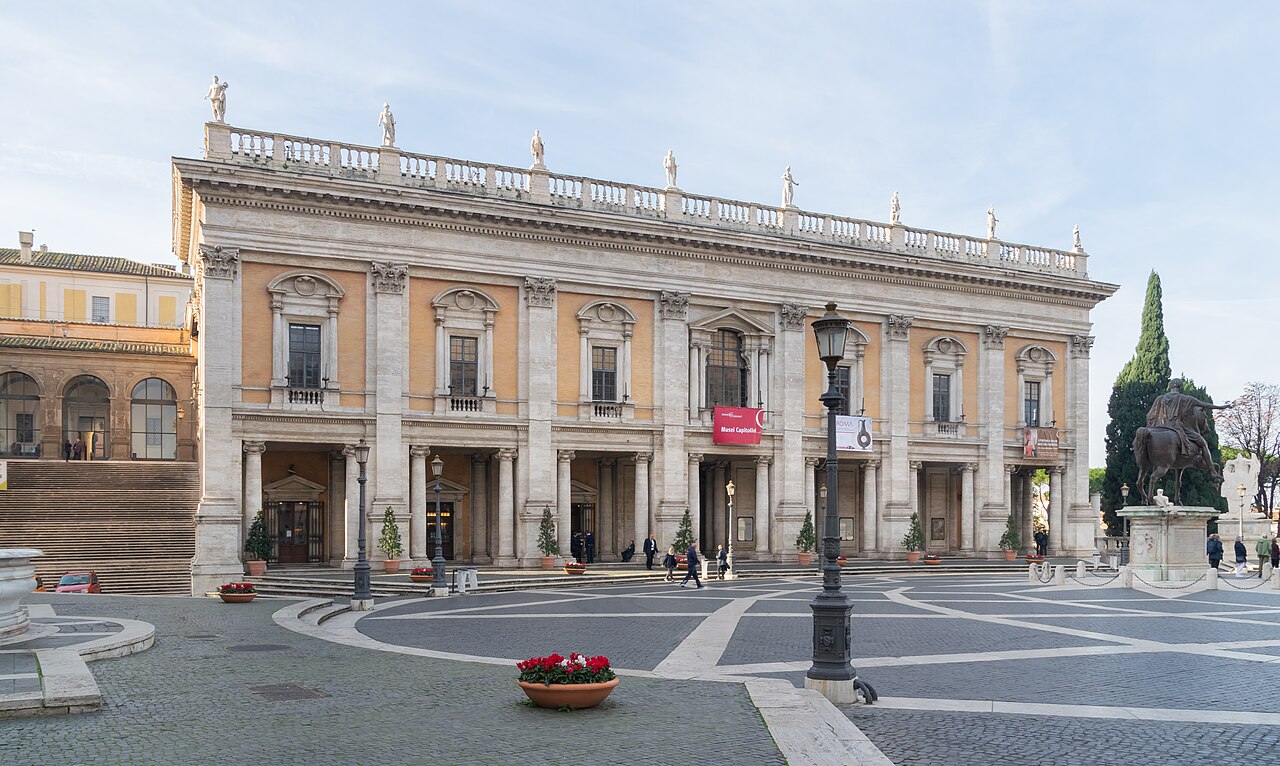
Capitoline Museums
- Must see · Heritage site
- Museum
Language · 11 published
Historic monument · Rome
Reviewed by Elena Voss · Roavina Travel Editor
This place is a Attraction. It was designed by Michelangelo.
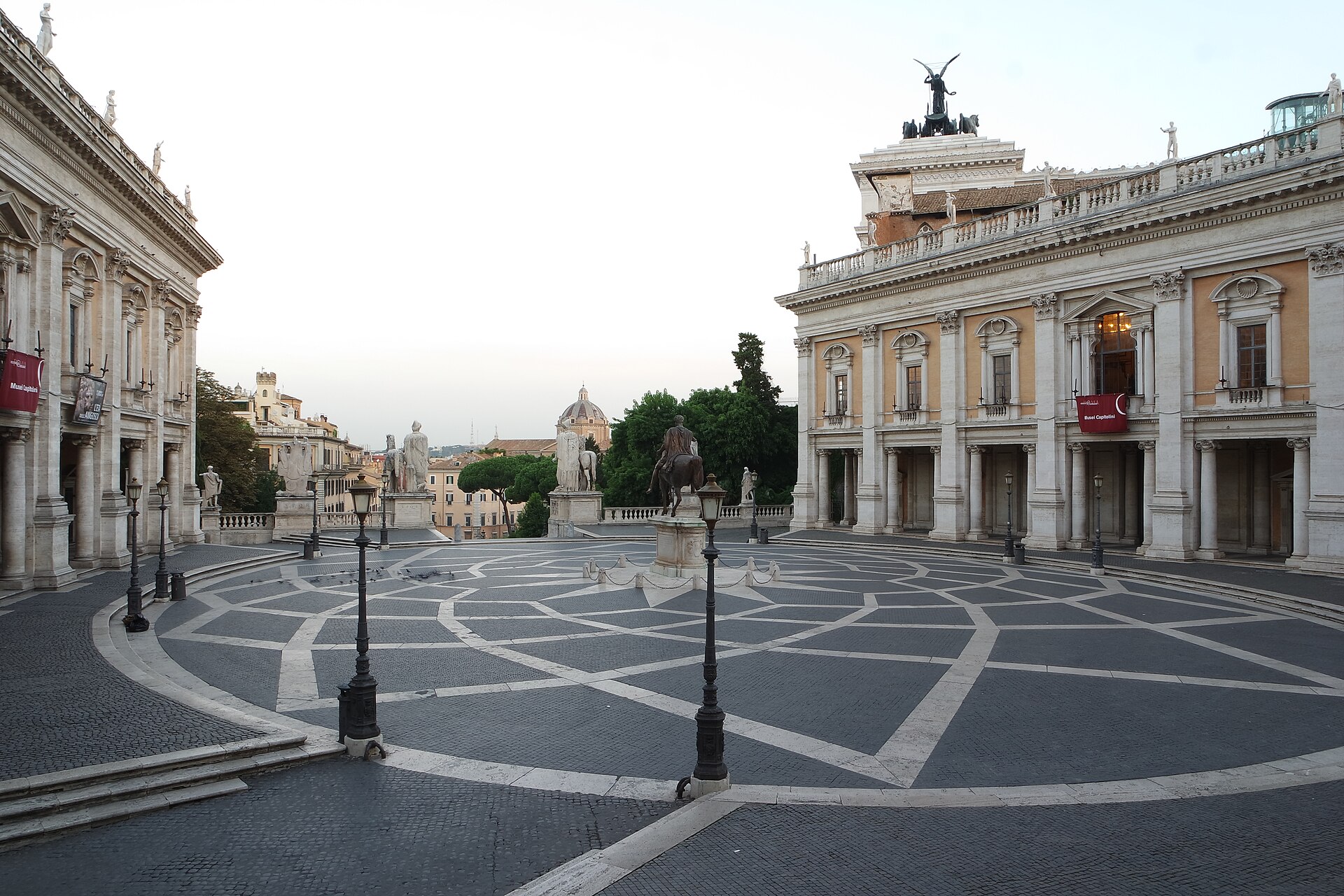
Piazza del Campidoglio is a public square atop the Capitoline Hill in Rome, Italy. Designed by Michelangelo in the 16th century, it represents one of the most significant examples of Renaissance urban planning. The square is framed by three palaces: the Palazzo Senatorio, Palazzo dei Conservatori, and Palazzo Nuovo. These buildings now house the Capitoline Museums. The piazza features an equestrian statue of Marcus Aurelius at its center, though the original is protected indoors. The geometric pavement pattern and symmetrical arrangement demonstrate Michelangelo's architectural vision for this civic space.
Checked 2026-08-26
The square contains the Palazzo Senatorio, serving as Rome's city hall, and two buildings forming the Capitoline Museums. The Palazzo dei Conservatori and Palazzo Nuovo display classical sculpture, Renaissance art, and archaeological collections. Visitors can examine ancient Roman statues, including the Capitoline Wolf. The Cordonata, a wide ceremonial staircase designed by Michelangelo, leads upward to the piazza. The square's pavement features an interlaced twelve-pointed star pattern. The replica equestrian statue of Marcus Aurelius stands prominently. The underground connection between the two museum buildings allows visitors to traverse beneath the piazza.
Checked 2026-08-26
Visitors typically spend between one and three hours at Piazza del Campidoglio, depending on their interests. Those exploring only the exterior square and taking photographs may require thirty to sixty minutes. Visitors entering the Capitoline Museums should allocate additional time, as the collections are extensive. The underground passage connecting the palaces adds to the visit duration. Evening visits to the square itself are common for the views. The adjacent terrace overlooking the Roman Forum encourages extended stays. Individual pacing varies considerably based on museum engagement and photographic interests.
Checked 2026-08-26
The square is accessible as an outdoor public space throughout the day and evening. The Capitoline Museums maintain separate operating schedules. Visitors should consult official sources before planning museum visits. The outdoor piazza offers notable atmosphere during early morning and evening hours when crowds diminish. Sunset provides views across the city from the adjacent terrace. Summer midday heat on the exposed hilltop can be intense. Winter visits may offer clearer atmospheric conditions for photography of the surrounding historic landscape. Check the operator's own site for the travel date before relying on a schedule or fare.
Checked 2026-08-26
Entry to Piazza del Campidoglio itself as a public square requires no admission fee. The Capitoline Museums charge separate entry fees for access to their collections. Visitors should verify current admission costs through official channels before visiting. Combined tickets or reservation systems may apply to museum entry. The municipal nature of some facilities suggests potential variation in pricing structures. Advance booking is commonly recommended for museum visits during peak tourist seasons. Free entry conditions may apply to specific visitor categories under Italian cultural heritage regulations. Check the operator's own site for the travel date before relying on a schedule or fare.
Checked 2026-08-26
The piazza sits atop Capitoline Hill near the Roman Forum and Piazza Venezia. Multiple bus routes serve the surrounding area with stops at nearby thoroughfares. The nearest Metro station is Colosseo on Line B, requiring an uphill walk of approximately ten to fifteen minutes. The Cordonata staircase provides pedestrian access from Via del Teatro di Marcello. Alternative stepped approaches exist from other directions. The central location permits walking connections from numerous historic sites. Taxis and ride services can approach nearby streets though direct vehicle access to the square itself is restricted. Signage indicates pedestrian routes through the historic center.
Checked 2026-08-26
The Cordonata staircase is wide but uneven in places, requiring attention particularly in wet conditions. The exposed hilltop position offers limited shade during summer months. Crowding peaks during mid-morning and afternoon hours when tour groups arrive. The terrace edge overlooking the Forum has protective barriers but demands awareness with children. Street vendors operate in surrounding areas. Pickpocketing risk exists in crowded tourist zones nearby. Museum entry queues can extend substantially without reservations. Evening lighting on the square is atmospheric but reduces visibility of architectural details. Winter surfaces may become slippery. Accessibility for mobility-impaired visitors varies by approach route.
Checked 2026-08-26
The symmetrical piazza design offers strong central composition opportunities facing the Palazzo Senatorio. The Marcus Aurelius statue provides a focal point for wide-angle captures. The Cordonata staircase creates dramatic leading lines from below. The adjacent terrace delivers panoramic views across the Roman Forum toward the Colosseum, particularly effective during golden hour. Interior museum photography may be restricted; visitors should observe posted regulations. Tripod use in the public square may attract security attention. Night photography benefits from architectural illumination though artificial color temperature varies. The geometric pavement pattern rewards overhead or elevated viewpoints. Morning light illuminates the palace facades directly.
Checked 2026-08-26
Yes, the piazza itself is a public square with no admission fee. The Capitoline Museums within the surrounding palaces require separate paid entry.
Michelangelo Buonarroti designed the square in the 16th century, creating its symmetrical layout, the Cordonata staircase, and the palace facades.
Yes, an adjacent terrace offers panoramic views overlooking the Roman Forum archaeological area.
The statue in the square is a replica. The original ancient bronze is preserved indoors, likely within the Capitoline Museums.
Bus routes serve nearby streets. The Colosseo Metro station on Line B is the nearest, requiring an uphill walk.
For the museums, advance booking is commonly recommended during peak periods. The square itself requires no reservation.
Loading the interactive map…
The interactive map could not be loaded.
Last updated:
Source: OpenStreetMap contributors, Wikidata ·