1 min walk
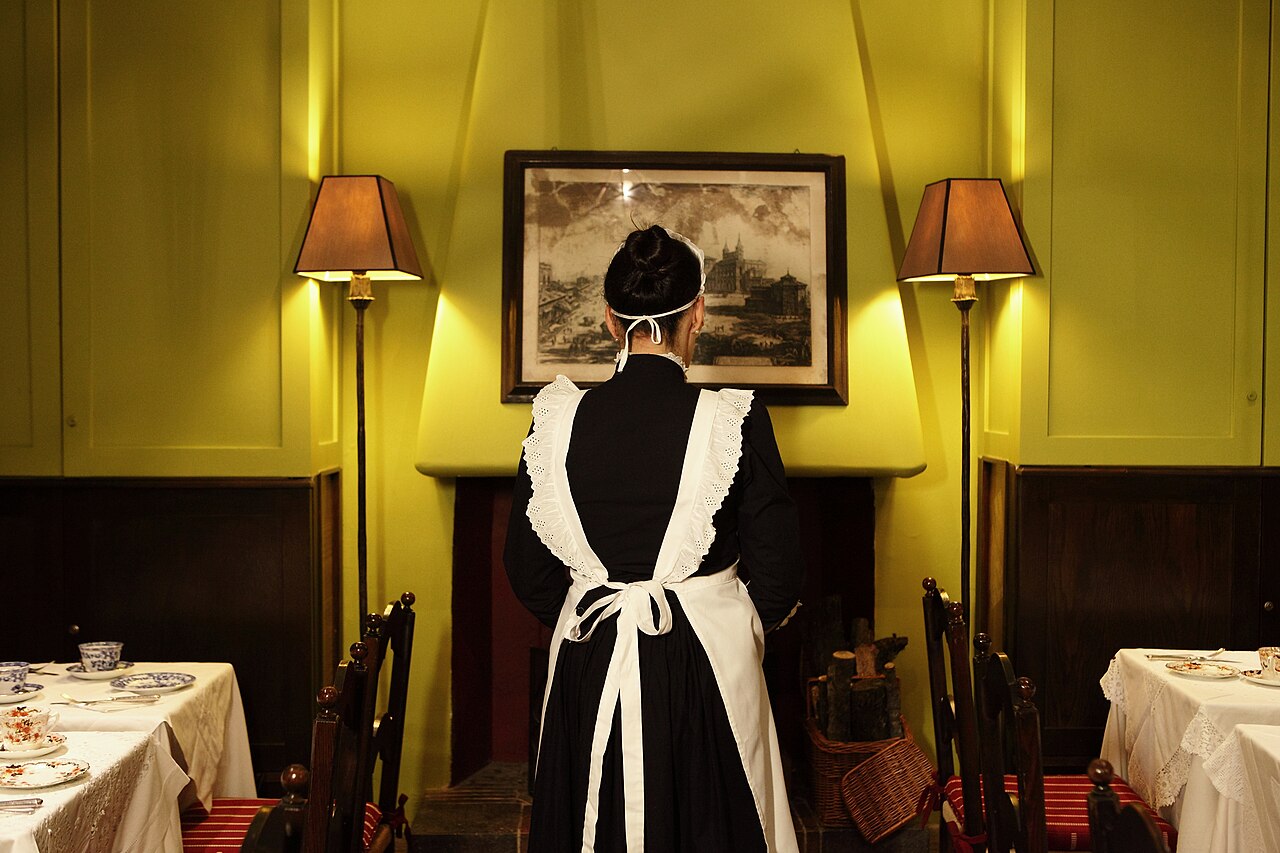
Babington's tea room
- Notable
- Restaurant or café
Language · 11 published
Historic monument · Rome
Reviewed by Elena Voss · Roavina Travel Editor
This place is a Attraction. It was established in 1726. It was built in the baroque architecture style.
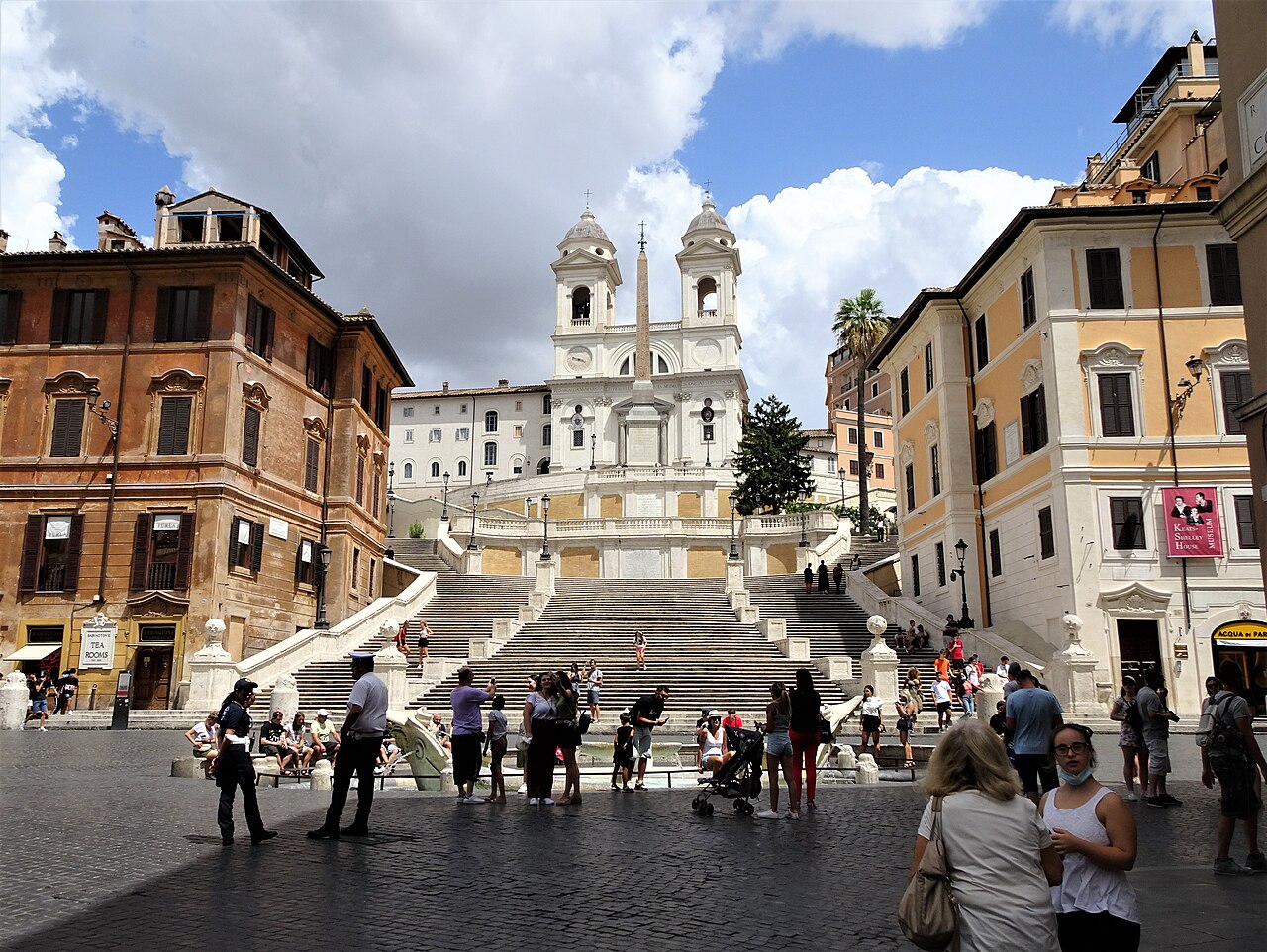
Piazza di Spagna is a prominent public square in Rome's historic centre, named after the Spanish Embassy to the Holy See. The square is dominated by the celebrated Spanish Steps, a monumental staircase of 135 steps connecting the square to the Trinità dei Monti church above. The fountain of the Barcaccia, designed by Pietro Bernini, sits at the foot of the steps. The piazza has served as a gathering place for visitors and locals since the eighteenth century and remains one of Rome's most recognisable urban spaces.
Checked 2026-08-26
The Spanish Steps form the central architectural feature, providing seating and circulation between levels. At the base, the Barcaccia fountain depicts a sinking ship in travertine marble. The Trinità dei Monti church crowns the upper terrace with its twin bell towers. Surrounding the square are historic buildings including the Babingtons Tea Room, established in the nineteenth century. The Keats-Shelley Memorial House adjoins the steps at the right corner, commemorating the Romantic poets. Luxury retail streets including Via dei Condotti radiate from the piazza.
Checked 2026-08-26
Visitors typically spend between thirty minutes and two hours at Piazza di Spagna, depending on whether they ascend the steps, visit the church, or pause for refreshment. The square itself requires minimal time to comprehend spatially. Many combine this stop with walks through the Campo Marzio district or shopping excursions along adjacent streets. Photographers and those seeking rest on the steps may extend their stay. The experience is largely self-directed without guided structure or fixed itinerary constraints.
Checked 2026-08-26
The piazza operates as public open space without controlled access. Seasonal patterns affect visitor density, with summer months and midday periods typically most crowded. Spring and autumn offer moderate temperatures for climbing the steps comfortably. Early morning and evening hours provide reduced congestion and favourable lighting conditions. Visitors should anticipate variable conditions and plan flexibly around personal preferences for atmosphere and photographic opportunities rather than scheduled programming. A flexible visit lets travellers connect Piazza di Spagna with the rest of the day without treating one room, viewpoint or photograph as the whole experience. The useful pace depends on personal interest and conditions on arrival. Check the operator's own site for the travel date before relying on a schedule or fare.
Checked 2026-08-26
Access to Piazza di Spagna and the Spanish Steps requires no admission fee as a public square. The Trinità dei Monti church may accept voluntary donations. The Keats-Shelley Memorial House operates separately with its own admission policy. Visitors should carry means for incidental purchases such as refreshments from surrounding establishments. No advance booking is necessary for the square itself, though associated attractions may have independent requirements. Piazza di Spagna also earns time in a rome itinerary because Exact unique production name match within the declared city scope. Its value becomes clearer when the stop is compared with the surrounding streets and the other ranked places nearby.
Checked 2026-08-26
The Spagna station on Line A of the Rome Metro serves the piazza directly. Multiple bus routes including the 117 and 119 operate in the vicinity, though central Rome's narrow streets limit vehicular access. Walking from nearby landmarks including the Trevi Fountain or Piazza del Popolo is feasible for able visitors. Taxis and ride services may access adjacent streets but cannot enter the immediate pedestrian zone. The historic centre's restricted traffic zone applies; private vehicles require appropriate permits.
Checked 2026-08-26
The steps become slippery in wet conditions; appropriate footwear is advisable. Pickpockets operate in dense tourist concentrations, particularly during peak visitation. Sitting on the steps has been subject to municipal regulation enforcement; visitors should observe posted restrictions and local practice. The fountain area can become crowded, limiting clear movement. Street vendors and costumed performers solicit interaction; engagement is discretionary. Sun exposure is substantial on the upper steps during clear weather. Water from the Barcaccia is not potable.
Checked 2026-08-26
The stepped elevation provides varied perspectives of the piazza, fountain, and surrounding rooftops. Morning light illuminates the Trinità dei Monti facade; afternoon light accents the lower square. Tripod use may attract official attention in this high-traffic area. The fountain and steps offer classical compositional elements. Night photography benefits from architectural illumination, though artificial lighting is not uniform. The Keats-Shelley House balcony is not publicly accessible for photography. Respect for individuals in the public space should govern portrait and street photography practices.
Checked 2026-08-26
No, the piazza and Spanish Steps are public spaces without admission charges.
Municipal regulations have restricted sitting on the steps; visitors should observe current enforcement and signage.
Yes, the church is reached by ascending the Spanish Steps to the upper terrace.
Public restroom facilities are not recorded within the immediate square; visitors should plan accordingly.
The house adjoins the steps but operates as a separate museum with independent access policies.
The immediate square is pedestrianised; the surrounding area falls within Rome's restricted traffic zone.
Loading the interactive map…
The interactive map could not be loaded.
Last updated:
Source: OpenStreetMap contributors, Wikidata ·