8 min walk
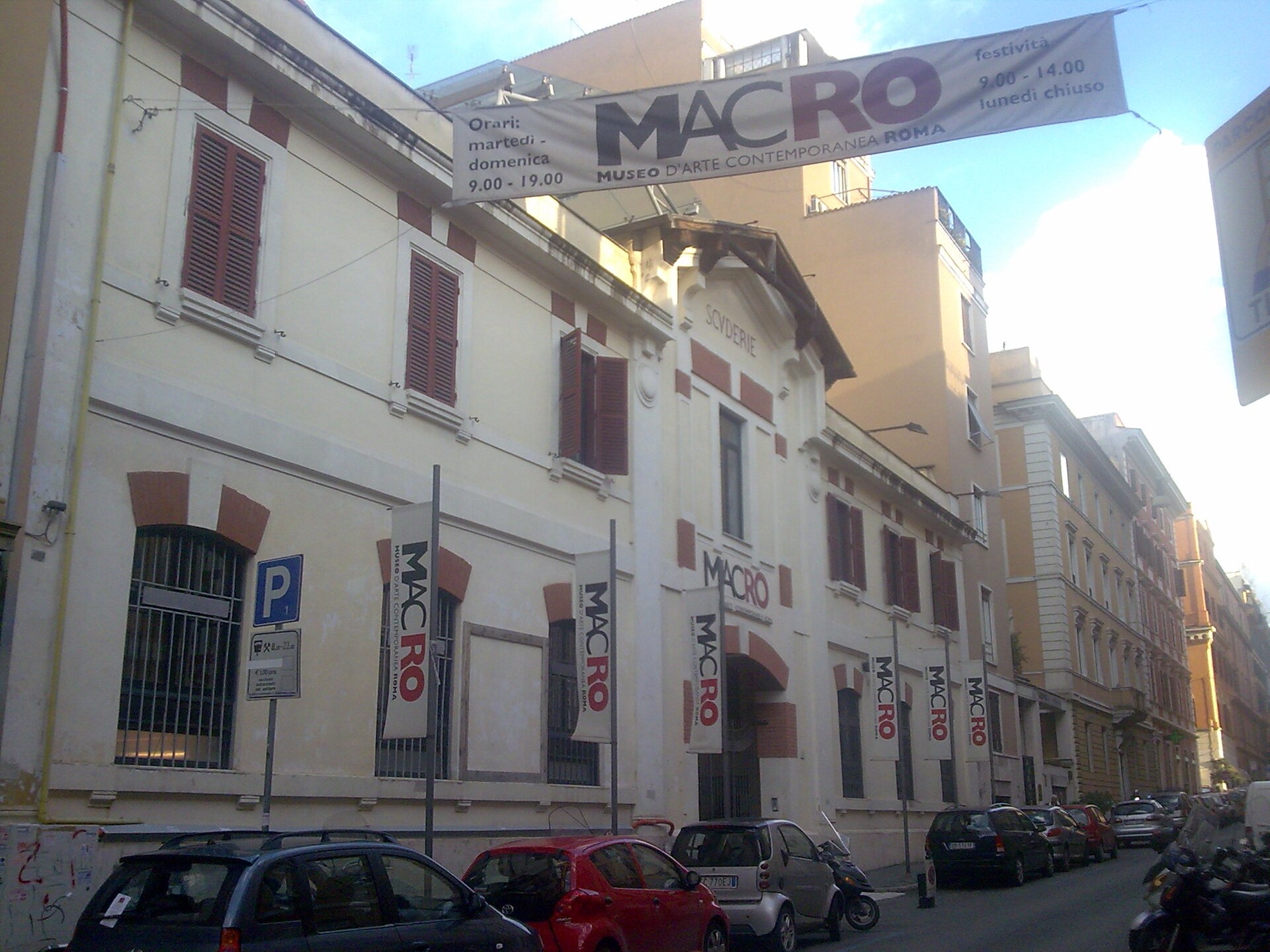
Museum of Contemporary Art of Rome
- Must see · Heritage site
- Museum
Language · 11 published
Historic monument · Rome
Reviewed by Elena Voss · Roavina Travel Editor
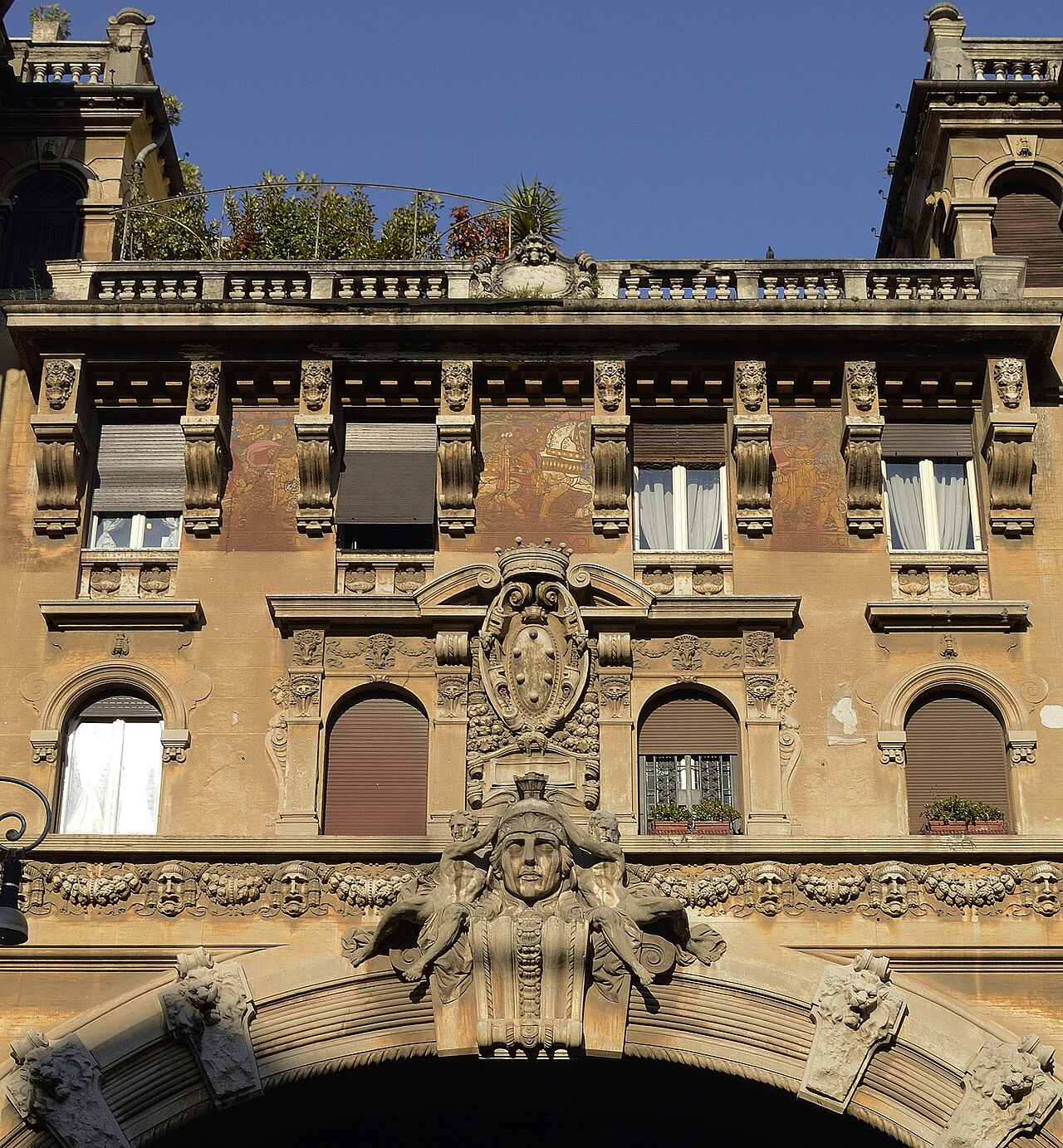
This place is a Attraction. It was built in the eclecticism in art style. It was designed by Gino Coppedè.
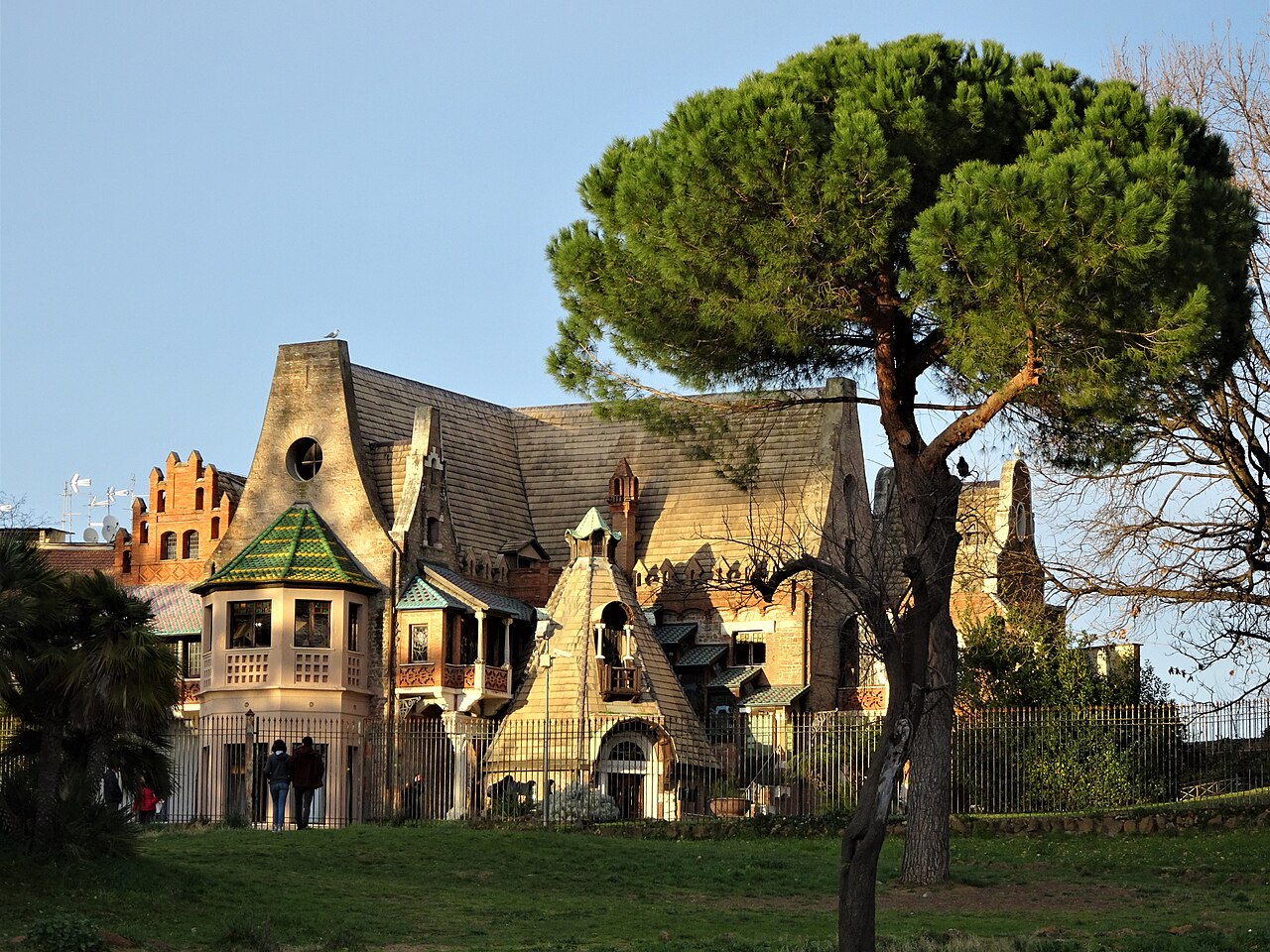
Quartiere Coppedè is an architectural enclave in Rome's Trieste district, conceived by Florentine architect Gino Coppedè between 1913 and 1927. The quarter spans roughly one block and represents a distinctive fusion of Art Nouveau, medieval, Baroque, and ancient Greek influences. It defies conventional Roman architectural categories. The entrance arch at Via Dora connects two palaces with a wrought-iron chandelier. The neighbourhood was intended as a unified residential showcase rather than a monument or museum complex. Its fantastical character makes it an outlier in Rome's urban fabric, attracting architecture enthusiasts seeking alternatives to classical ruins and Renaissance churches.
Checked 2026-08-26
The quarter contains approximately forty buildings and structures designed as an integrated whole. Notable elements include the Fontana delle Rane fountain in Piazza Mincio, the Palazzo del Ragno with its spider emblem, and the grand entrance arch spanning Via Dora. Decorative details encompass gargoyles, cherubs, wrought-iron balconies, frescoed ceilings, and mosaic inlays. The buildings feature turrets, loggias, and asymmetrical facades. Residential apartments occupy most structures; interiors remain private. The public spaces comprise small piazzas and connecting streets. No dedicated visitor centre, museum, or exhibition space operates within the quarter. The architectural ensemble rewards close observation of surface ornament and structural whimsy.
Checked 2026-08-26
A thorough exterior exploration requires approximately thirty to sixty minutes. The compact footprint permits comprehensive coverage without extended walking. Visitors prioritising photography or architectural detail examination may extend their stay to ninety minutes. No timed entry or guided tour infrastructure exists to structure visits. The quarter functions as a residential neighbourhood; prolonged loitering would be inappropriate. Combination with nearby Villa Ada park or the Trieste district's Art Nouveau architecture could constitute a half-day itinerary. Evening visits remain possible given public street access, though lighting conditions vary. No facilities for refreshments or rest exist within the quarter itself.
Checked 2026-08-26
The quarter comprises public streets and piazzas with no controlled access points, suggesting continuous availability. Daylight hours offer optimal conditions for observing architectural details and photography. Morning light illuminates eastern facades; afternoon suits western exposures. Summer midday heat may discomfort visitors given minimal shade. Weekday visits encounter fewer local pedestrians than weekends. No seasonal closures apply to the public realm. Private building interiors remain inaccessible regardless of timing. Visitors should respect residential character by moderating noise and congregation, particularly during early morning and evening hours when residents are likely present. Check the operator's own site for the travel date before relying on a schedule or fare.
Checked 2026-08-26
No admission fee applies to the public streets and piazzas comprising the quarter. The area functions as open urban space without ticketing infrastructure. No guided tours, audio guides, or interpretive materials are offered officially. Private tour companies may include the quarter in broader Rome itineraries at their own pricing; such arrangements are external to the site itself. Photography of exteriors requires no permit for personal use. Commercial filming or photography may require municipal authorisation through standard Rome protocols. Visitors should anticipate no on-site expenditure beyond incidental purchases at surrounding businesses. Check the operator's own site for the travel date before relying on a schedule or fare.
Checked 2026-08-26
The quarter sits northeast of Rome's historic centre in the Trieste-Salario quarter. Bus lines serve the vicinity with stops on adjacent Viale Regina Margherita and Via Salaria. The nearest metro station is Policlinico on Line B, approximately fifteen minutes' walk southwest. Castro Pretorio station, also Line B, lies comparable distance west. Tram routes operate along Viale Regina Margherita. Walking from Villa Borghese park takes roughly twenty-five minutes northward. The area lacks prominent signage; visitors should navigate to Piazza Mincio or Via Dora specifically. Street parking is limited and regulated. The quarter's compact size makes it impractical as a standalone destination for vehicle-based itineraries.
Checked 2026-08-26
Residential privacy demands priority; visitors must not enter buildings, photograph through windows, or congregate noisily. Street surfaces are uneven with cobblestones and paving variations requiring appropriate footwear. Minimal public seating exists. No public toilets operate within the quarter. Shade is scarce during summer months. The area receives limited tourist footfall, meaning visitor services are absent. Evening lighting is atmospheric but uneven for navigation. Some decorative elements show weathering and require attentive viewing. The quarter's obscurity means surrounding amenities cater to residents rather than tourists. Language barriers may arise in local businesses. Standard urban precautions regarding valuables apply despite the calm atmosphere.
Checked 2026-08-26
The quarter presents distinctive photographic subjects including the Fontana delle Rane, entrance arch, and ornate building facades. Morning and late afternoon light enhance three-dimensional ornamentation. Wide-angle lenses accommodate narrow streets and towering structures. Details reward telephoto or macro approaches for gargoyles, ironwork, and mosaic elements. Overcast conditions reduce harsh shadows on intricate surfaces. Tripod use in streets may obstruct pedestrian flow and attract attention; discretion advised. Night photography of illuminated fountain and street-lit facades is possible but equipment security warrants caution. No aerial or drone photography should occur without appropriate regulatory compliance. Respect for resident privacy prohibits intrusive angles toward apartment interiors.
Checked 2026-08-26
No. It is a residential neighbourhood of public streets and piazzas with no admission fee or controlled entry.
No. The structures are private residences with no public interior access.
Thirty to sixty minutes suffices for exterior exploration; photography enthusiasts may prefer ninety minutes.
No official tours operate within the quarter. Private tour companies may include it in broader itineraries.
Bus lines on Viale Regina Margherita and Via Salaria; metro Line B stations Policlinico or Castro Pretorio within fifteen minutes' walk.
No. The quarter lacks visitor centres, toilets, seating, and refreshment facilities.
Loading the interactive map…
The interactive map could not be loaded.
Last updated:
Source: OpenStreetMap contributors, Wikidata ·