11 min walk
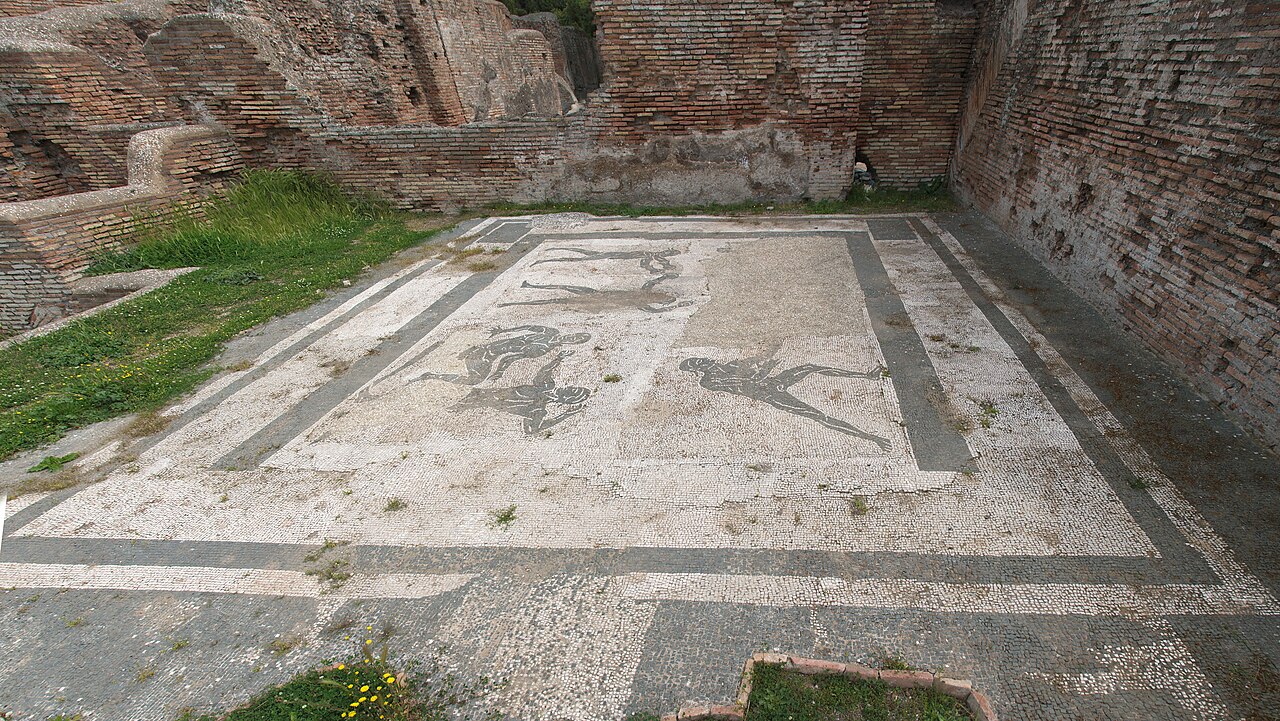
Palestra delle terme (RE G. II. INS IV.)
- High
- Historic monument
Language · 11 published
Historic monument · Rome
Castello di Giulio II
Reviewed by Elena Voss · Roavina Travel Editor
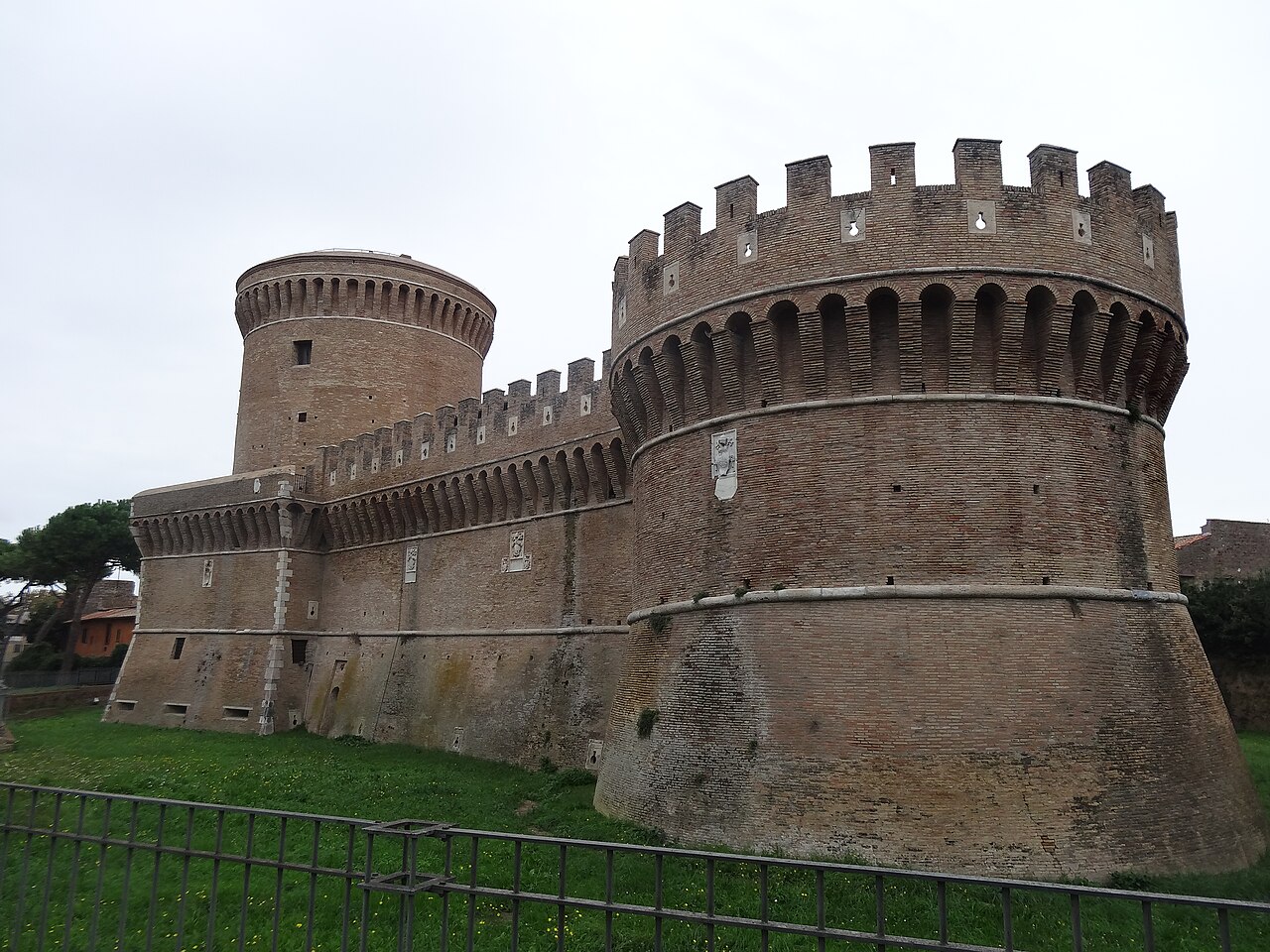
It was established in 1483. It was designed by Baccio Pontelli. It carries the Italian national heritage heritage designation.
Rocca di Ostia, locally known as Castello di Giulio II, is a fortress in Rome's Ostia district. Built for Pope Julius II, it served military and defensive purposes near the ancient port of Ostia. The structure represents Renaissance military architecture with modifications across centuries. It stands as a significant historical monument within the broader archaeological zone of Ostia Antica, contributing to Rome's layered historical landscape as both papal stronghold and coastal defense installation. Rocca di Ostia also earns time in a rome itinerary because Exact unique production name match within the declared city scope. Its value becomes clearer when the stop is compared with the surrounding streets and the other ranked places nearby.
Checked 2026-08-26
The fortress contains interior spaces typical of Renaissance military construction, including defensive walls, towers, and courtyards. Architectural features reflect its papal commission and subsequent adaptations. Visitors may observe structural elements demonstrating period construction techniques. The building's interior layout served both residential and military functions during its operational history. Specific current exhibitions, furnished rooms, or interpretive displays are Not recorded pending review. The relationship between the fortress and surrounding archaeological remains forms part of its contextual significance. A flexible visit lets travellers connect Rocca di Ostia with the rest of the day without treating one room, viewpoint or photograph as the whole experience. The useful pace depends on personal interest and conditions on arrival.
Checked 2026-08-26
A thorough visit to Rocca di Ostia typically requires approximately one to two hours, depending on individual interest in architectural and historical details. This duration allows for examination of the fortress structure and appreciation of its setting. Visitors combining this site with nearby Ostia Antica archaeological park should allocate substantially more time. The compact nature of the fortress permits efficient viewing, though photography and careful observation of construction details may extend the visit. Personal pacing significantly affects actual time spent.
Checked 2026-08-26
Visitors should verify current opening schedules through official channels before planning their visit. Seasonal considerations for Rome include warmer temperatures from June through August, potentially making early morning or late afternoon visits more comfortable. Spring and autumn generally offer milder conditions for outdoor exploration of the fortress and its surroundings. Winter visits may provide quieter experiences though with shorter daylight hours. Weather protection is advisable given exposed architectural elements. Check the operator's own site for the travel date before relying on a schedule or fare.
Checked 2026-08-26
Visitors must consult official sources for current admission fees, applicable concessions, and any combined ticketing arrangements with nearby attractions. Free entry circumstances, such as cultural heritage days or specific visitor categories, require verification from authoritative sources. Payment methods accepted at the site are unknown. Advance booking possibilities, particularly for guided tours or special access, remain unconfirmed. Budget-conscious travelers should investigate whether the fortress participates in any city-wide museum passes or cultural cards. Check the operator's own site for the travel date before relying on a schedule or fare.
Checked 2026-08-26
Rocca di Ostia occupies a position in Rome's Ostia area, accessible via public transportation serving the coastal district. The Rome-Lido railway line connects central Rome to Ostia Lido station, with walking or local bus connections required to reach the fortress. Private vehicle access involves navigating Rome's peripheral road network toward the coast. Parking availability in the immediate vicinity is Not recorded pending review. Cycling from central Ostia represents another possibility given relatively flat terrain. Integration with Ostia Antica archaeological site visits offers logical itinerary planning.
Checked 2026-08-26
The fortress structure contains uneven surfaces, steps, and potentially steep elements typical of historical military architecture. Appropriate footwear is essential. Limited accessibility for mobility-impaired visitors should be anticipated given the building's age and original defensive purpose. Exposed areas lack modern climate control, requiring weather-appropriate preparation. Supervision of children is necessary near walls and drops. Security regulations regarding bags and prohibited items are Not recorded pending review. Emergency procedures and first aid facilities at the site remain unverified. Visitors should maintain situational awareness in all historical structures.
Checked 2026-08-26
Photography policies at Rocca di Ostia are Not recorded pending review. Visitors must verify whether personal photography is permitted, any restrictions on flash or tripod use, and regulations concerning commercial or social media photography. The fortress exterior and courtyard areas likely offer photographic opportunities given architectural character and historical atmosphere. Interior photography permissions may differ. Drone usage would require specific authorization given proximity to archaeological zones and potential flight restrictions. Respect for other visitors and any ongoing conservation work should guide photographic behavior regardless of formal regulations.
Checked 2026-08-26
No. Rocca di Ostia is a Renaissance fortress, while Ostia Antica is the extensive ancient Roman port city nearby. They are distinct but related sites.
Yes, geographical proximity supports combined visits, though total time required depends on depth of exploration at each location.
Availability of guided tours is Not recorded pending review. Visitors should check official sources for current offerings.
Given its age and original military function, significant accessibility limitations should be anticipated. Specific accommodations are Not recorded pending review.
Availability of visitor amenities including restrooms is Not recorded pending review. Planning accordingly is advisable.
The local name Castello di Giulio II indicates papal commission. The fortress was built during or reflecting his papal tenure as a defensive and administrative structure.
Loading the interactive map…
The interactive map could not be loaded.
Last updated:
Source: OpenStreetMap contributors, Wikidata ·