2 min walk
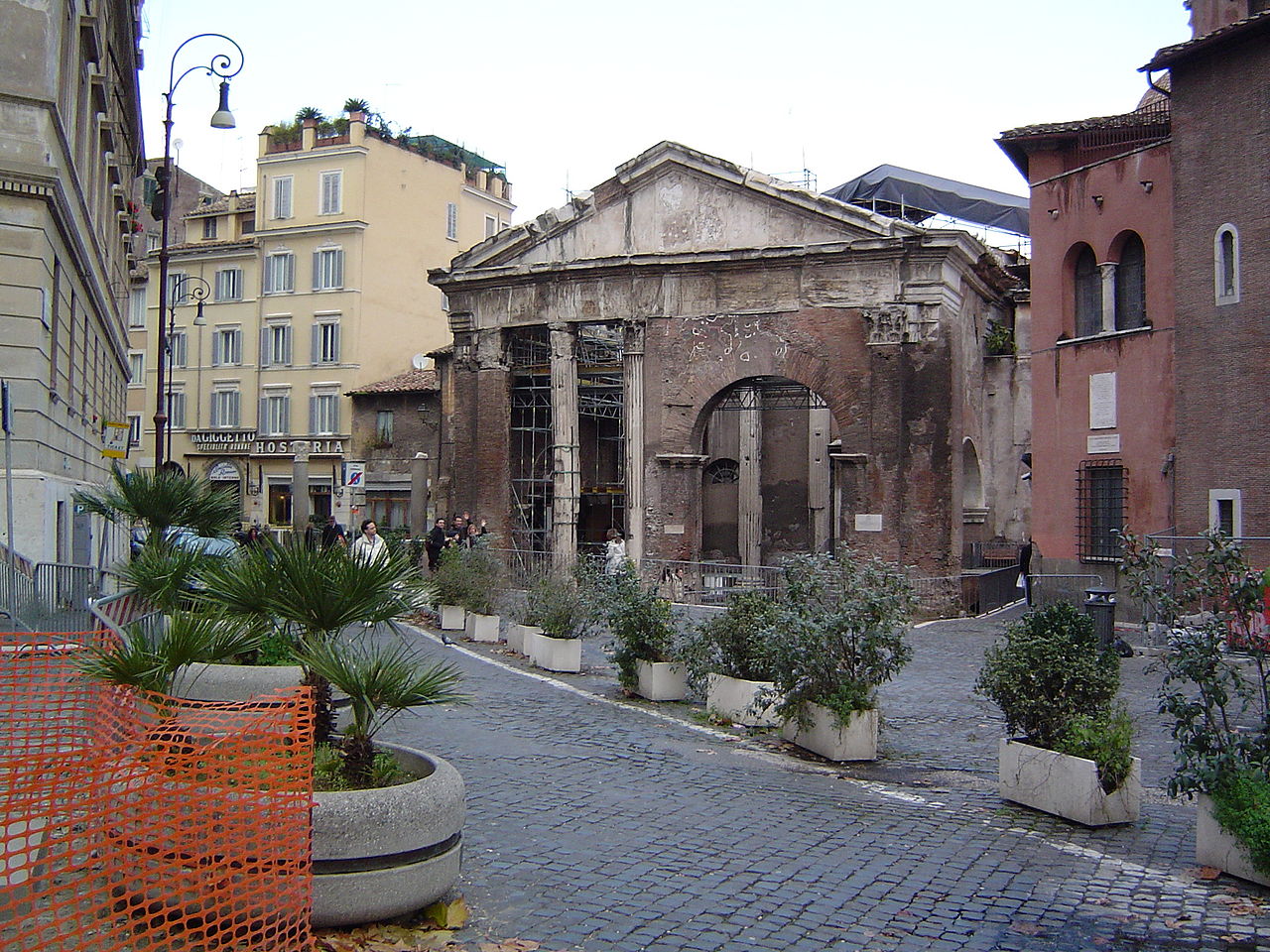
Porticus Octaviae
- Must see
- Historic monument
Historic monument · Rome
Teatro di Marcello
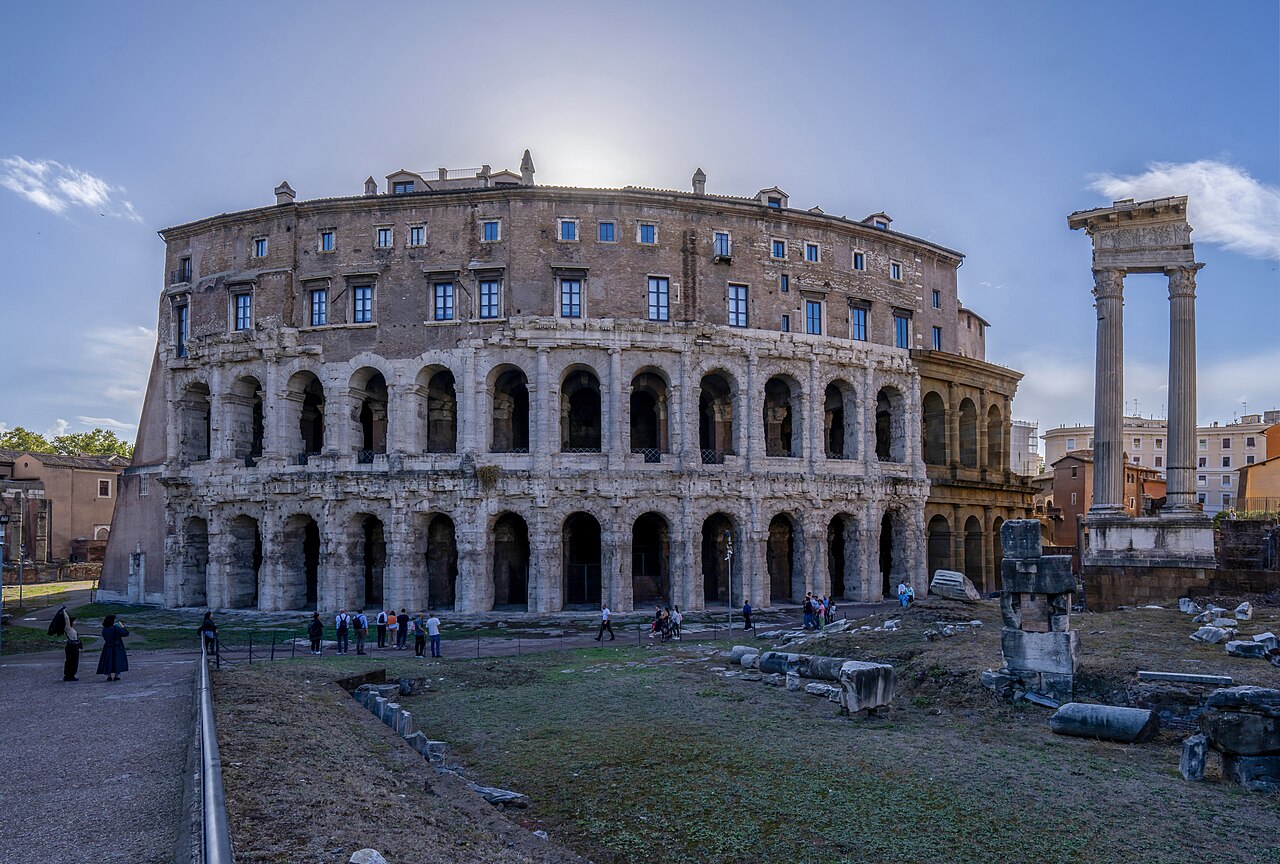
The Theatre of Marcellus is an ancient open-air theatre in Rome, Italy. Its local name is Teatro di Marcello. Construction began under Julius Caesar and was completed by Augustus in 13 BC, dedicated to his nephew Marcus Claudius Marcellus. The structure served as a prototype for later Roman theatres. Its semicircular design influenced architectural developments across the empire. The building later incorporated into medieval and Renaissance structures, with upper floors converted to residential use. It remains one of Rome's most significant surviving monuments from the Augustan era.
Checked 2026-08-26
The Theatre of Marcellus features a partially preserved cavea, or seating area, though much of the interior is not fully accessible to visitors. The exterior facade displays travertine and tufa construction with engaged columns in the Doric, Ionic, and Corinthian orders across three levels. The structure demonstrates Roman engineering through its use of concrete and vaulted substructures. Medieval and later architectural modifications are visible in the upper stories. The interior spaces include remnants of the original theatrical infrastructure and later residential adaptations. Visitors can observe the monument's layered historical fabric from exterior viewpoints.
Checked 2026-08-26
A visit to the Theatre of Marcellus typically requires approximately thirty to sixty minutes for exterior observation and photography. The site does not offer extensive interior access for general visitors, limiting the duration of exploration. Visitors often combine this stop with nearby ancient monuments in the central archaeological zone. The surrounding area includes the Portico d'Ottavia and Jewish Ghetto, which may extend a walking itinerary. Planning for a brief dedicated visit allows adequate appreciation of the architectural significance without requiring substantial time commitment. Individual pacing varies based on historical interest and photographic activities.
Checked 2026-08-26
The Theatre of Marcellus can be viewed from public thoroughfares throughout the year. Seasonal conditions in Rome affect visitor comfort, with summer months bringing high temperatures and crowds, while winter offers cooler conditions with reduced tourist density. Early morning and evening hours provide favorable lighting for exterior observation. Visitors should verify current accessibility conditions through official sources before planning. The monument's exterior visibility makes it suitable for inclusion in flexible itineraries regardless of specific time constraints or seasonal preferences. Check the operator's own site for the travel date before relying on a schedule or fare.
Checked 2026-08-26
General exterior viewing of the Theatre of Marcellus from surrounding streets and piazzas requires no admission fee. Limited interior access may involve separate arrangements or guided tour inclusions. Visitors should consult official municipal or cultural heritage resources for current information regarding any special access programs. Combination tickets for archaeological sites in central Rome may or may not include this monument. Verification through authoritative channels is recommended before visit planning. Budget considerations should account primarily for transportation and adjacent site admissions rather than dedicated entry costs.
Checked 2026-08-26
The Theatre of Marcellus occupies a central location in Rome's historic core, accessible by multiple transportation options. Walking from major nearby landmarks including the Roman Forum, Capitoline Hill, and Piazza Venezia is feasible for mobile visitors. Public bus routes serve stops in the surrounding area. The nearest metro stations require additional walking distance. The monument's position near the Tiber River and within the dense urban fabric makes it suitable for inclusion in pedestrian exploration of ancient Rome. Visitors should consult current transit schedules and route maps for optimal approach planning.
Checked 2026-08-26
Visitors should exercise caution regarding traffic on adjacent roadways when photographing or observing the monument from street level. The surrounding urban environment includes active vehicle circulation. Uneven paving and cobblestone surfaces in the historic district present trip hazards, particularly in wet conditions. Limited shade at exterior viewpoints exposes visitors to sun exposure during summer months. The area experiences high pedestrian density during peak tourist seasons, requiring awareness of personal belongings. No dedicated visitor facilities are immediately adjacent. Hydration and appropriate footwear are advisable for extended walking in the archaeological zone.
Checked 2026-08-26
The Theatre of Marcellus offers substantial photographic interest from multiple exterior vantage points. The Via del Teatro di Marcello provides direct facade views. The monument's layered architectural history creates varied textural and compositional opportunities. Morning and late afternoon lighting enhances the travertine surfaces. Tripod use in public thoroughfares may attract attention or obstruction; discretion is advisable. The surrounding urban context including medieval and Renaissance structures adds contextual depth to images. Night illumination, if operational, may provide alternative photographic conditions. Visitors should remain aware of pedestrian and vehicle traffic while positioning for shots.
Checked 2026-08-26
General interior access is limited. Most visitors observe the monument from exterior public spaces. Special arrangements or guided tours may offer additional access, but current availability is not confirmed.
No. These are distinct monuments with different historical periods and functions. The Theatre of Marcellus predates the Colosseum and served as a theatrical venue rather than an amphitheatre for gladiatorial events.
No dedicated visitor facilities are located at the monument. Visitors should plan accordingly using facilities at nearby restaurants, museums, or other attractions in the central historic area.
The surrounding streets contain cobblestones and uneven surfaces typical of Rome's historic center. Some viewpoints may present challenges. Individual assessment of mobility requirements is recommended.
The structure does not function as an active theatre in its original capacity. Its current use includes private residential spaces in upper levels. Performance functionality is not maintained.
These adjacent ancient structures occupy neighboring positions in Rome's historic Jewish Ghetto area. Both date to the Republican and Augustan periods and formed part of the monumental zone near the Circus Flaminius.
Loading the interactive map…
The interactive map could not be loaded.
Last updated:
Source: OpenStreetMap contributors, Wikidata ·