
5 min walk
Nanzen-ji Temple
- Must see · Heritage site
- Place of worship
Language · 11 published
Historic monument · Kyoto
永觀堂
Reviewed by Elena Voss · Roavina Travel Editor
This place is a Memorial.
Eikan-do, formally called Zenrin-ji, is a historic Buddhist temple in Kyoto’s eastern Sakyo ward. It belongs to the Jodo sect and was founded in the ninth century. The temple is especially famous for autumn maple colour, when crimson and gold foliage surrounds halls, gardens, and hillside paths. It remains an active place of worship, so the visit combines cultural sightseeing with a quiet religious atmosphere. Eikan-do, formally known as Zenrin-ji, is a historic Buddhist temple in Kyoto's eastern Sakyo ward. The temple belongs to the Jodo sect of Japanese Buddhism and was founded in the ninth century. It is celebrated nationwide for its striking autumn foliage, particularly maple trees that illuminate the temple grounds with vivid crimson and gold hues. The temple complex sits against the forested slopes of Higashiyama, offering visitors a contemplative atmosphere distinct from Kyoto's more crowded attractions. Eikan-do functions as an active place of worship alongside its role as a cultural destination. The temple grounds involve hillside walking, stairs, and uneven surfaces that present challenges. Visitors with mobility limitations should assess personal capabilities against these terrain features. The eastern Kyoto location permits sequential visits to Nanzen-ji and Philosopher's Path areas, though walking distances and time requirements should be realistically calculated. The temple grounds involve hillside walking, stairs, and uneven surfaces that present challenges. Visitors with mobility limitations should assess personal capabilities against these terrain features.
Checked 2026-08-26 · Source
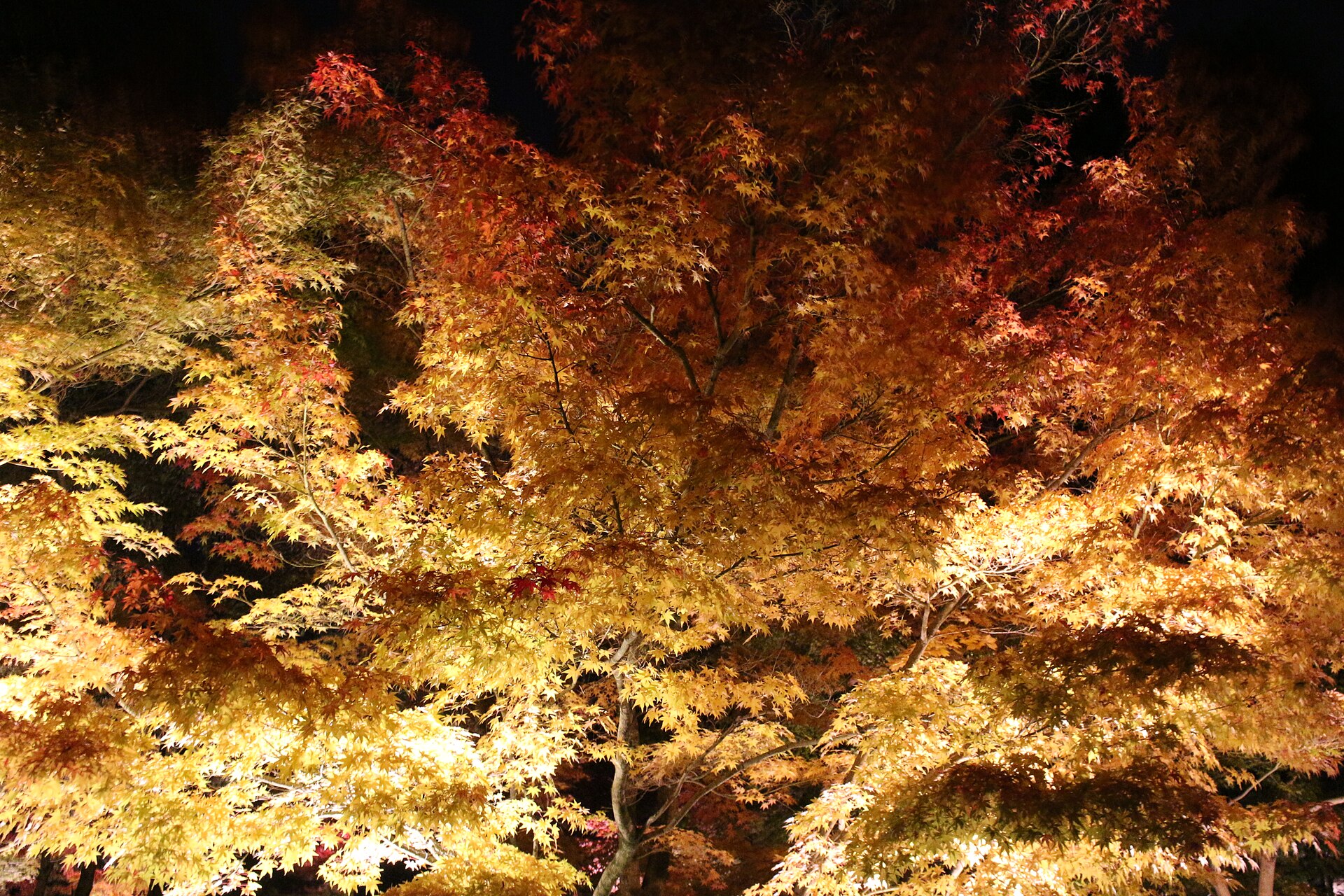
The complex includes Buddhist halls, gardens, stone paths, wooden corridors, and landscaped greenery. The Tahoto Pagoda is one of the most recognisable structures and stands above the surrounding grounds, while a pond garden adds a reflective centre to the temple landscape. Traditional Japanese construction and the hillside setting make the route feel connected to Higashiyama’s wooded slopes rather than arranged like a modern museum. The temple grounds encompass multiple halls, gardens, and walking paths. The Tahoto Pagoda stands as a notable structure within the complex, providing elevated views across the surrounding landscape. Various temple buildings display Buddhist imagery and artifacts. The grounds feature extensive maple plantings that transform seasonally. A pond garden contributes to the serene environment typical of Japanese temple design. The architecture reflects traditional Japanese construction methods. Visitors encounter stone pathways, wooden corridors, and landscaped greenery throughout the precinct.
Checked 2026-08-26 · Source
Allow roughly sixty to ninety minutes for a considered visit. The time includes movement between halls, gardens, viewpoints, and the pagoda, with stairs and moderate slopes along the way. Visitors who enjoy photographing foliage or sitting quietly beside the pond may stay longer. During peak autumn colour, queues and dense pedestrian traffic can slow progress through narrow corridors and popular viewpoints.
Checked 2026-08-26 · Source
Late November is the classic time to visit because the maple trees are the temple’s defining seasonal attraction, although the exact display changes with the year’s weather. Spring brings fresh greenery and can feel calmer. Summer offers dense foliage but humid conditions, while winter gives a quieter, more subdued landscape. Autumn illumination events may create a different evening experience when they are scheduled.
Checked 2026-08-26 · Source
Visitors enter through a paid admission gate. Seasonal illumination events and special exhibitions may use separate charges from ordinary daytime entry. Carry Japanese yen because cash is standard practice at the temple. The site is not presented as part of a combined-ticket scheme with nearby temples, so plan Eikan-do as its own admission stop within an eastern Kyoto sightseeing route.
Checked 2026-08-26 · Source
Keage Station on the Tozai subway line and the Nanzenji-Eikando-michi bus stop are practical approach points. From either, continue on foot through the eastern Kyoto temple area, including uphill sections. Taxis can come closer but still finish where vehicle access ends. The temple’s position works well with Nanzen-ji and the Philosopher’s Path, provided the walking distances fit your day.
Checked 2026-08-26 · Source
Wear stable shoes for uneven stone surfaces, wooden stairs, and hillside gradients. Rain can make paths slippery, and the grounds offer limited shelter during sudden weather changes. At busy autumn periods, narrow corridors and viewpoints become crowded. Eikan-do is a working temple: keep voices low in worship areas, follow photography signs, and do not eat or drink inside temple buildings.
Checked 2026-08-26 · Source
Frame the Tahoto Pagoda with maple foliage, use the pond for reflections, and look for details in wooden corridors and traditional buildings. Morning and late-afternoon light can bring depth to autumn colour, while overcast conditions soften garden shadows. Interior images of Buddhist figures may be restricted, and tripod use may not suit the confined routes. Keep equipment and positioning clear of other visitors.
Checked 2026-08-26 · Source
The grounds include hillside paths, stairs, uneven stone surfaces, and wooden corridors, so the route requires confident walking and suitable footwear.
Its eastern Kyoto location makes it possible to combine the temple with Nanzen-ji and the Philosopher’s Path, with enough time reserved for walking between them.
Eikan-do is best known for its hillside temple setting, extensive maple plantings, gardens, and vivid autumn foliage.
Plan approximately sixty to ninety minutes, adding time if you want to photograph the gardens or pause for quiet contemplation.
Late November is most associated with Eikan-do because the temple’s maple trees create a celebrated display of red and gold foliage.
The Tahoto Pagoda is a prominent landmark within the complex and provides an elevated viewpoint over parts of the surrounding landscape.
Loading the interactive map…
The interactive map could not be loaded.
Last updated:
Source: OpenStreetMap contributors ·