
7 min walk
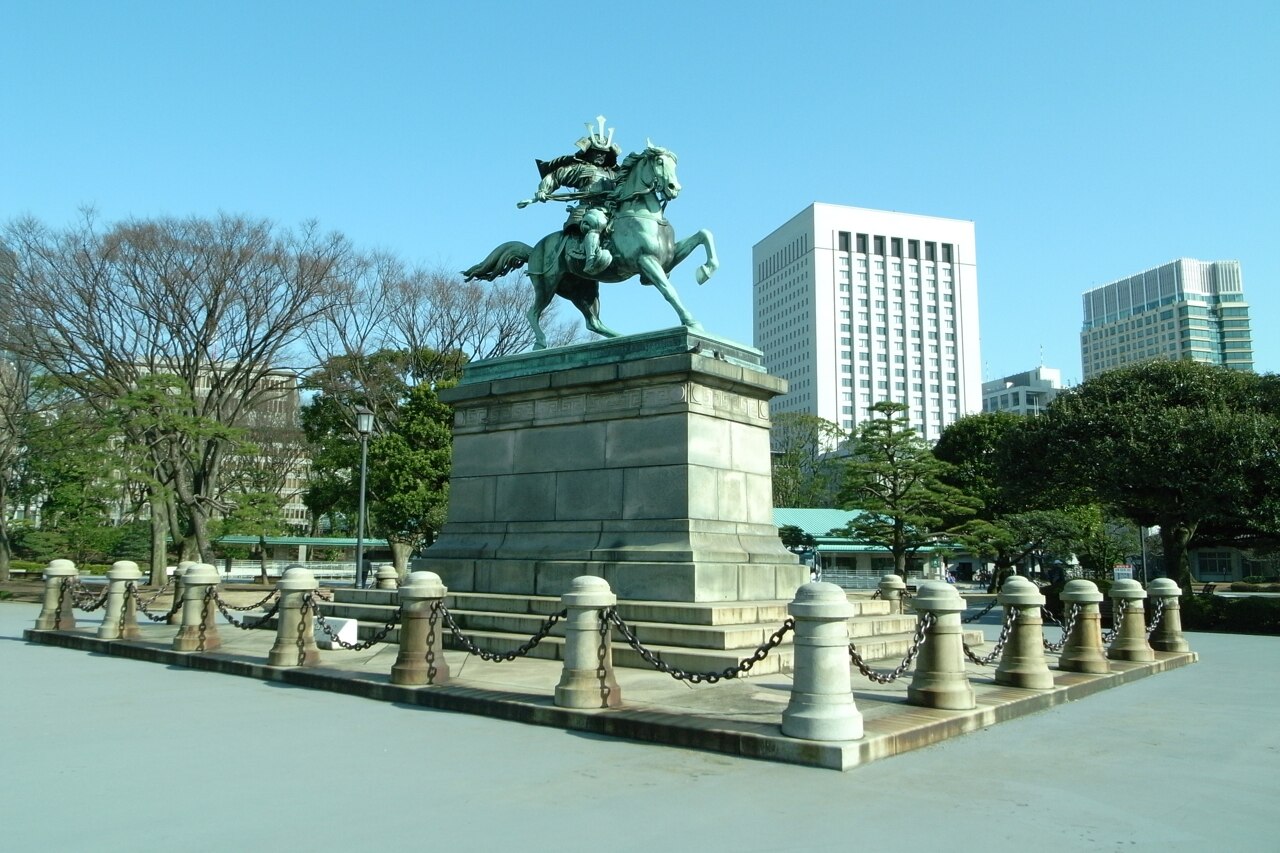
Statue of Kusunoki Masashige
- Notable
- Historic monument
Language · 11 published
Nature site · Tokyo
日比谷公園
Reviewed by Elena Voss · Roavina Travel Editor
This place is a Park. It opened in 1903.
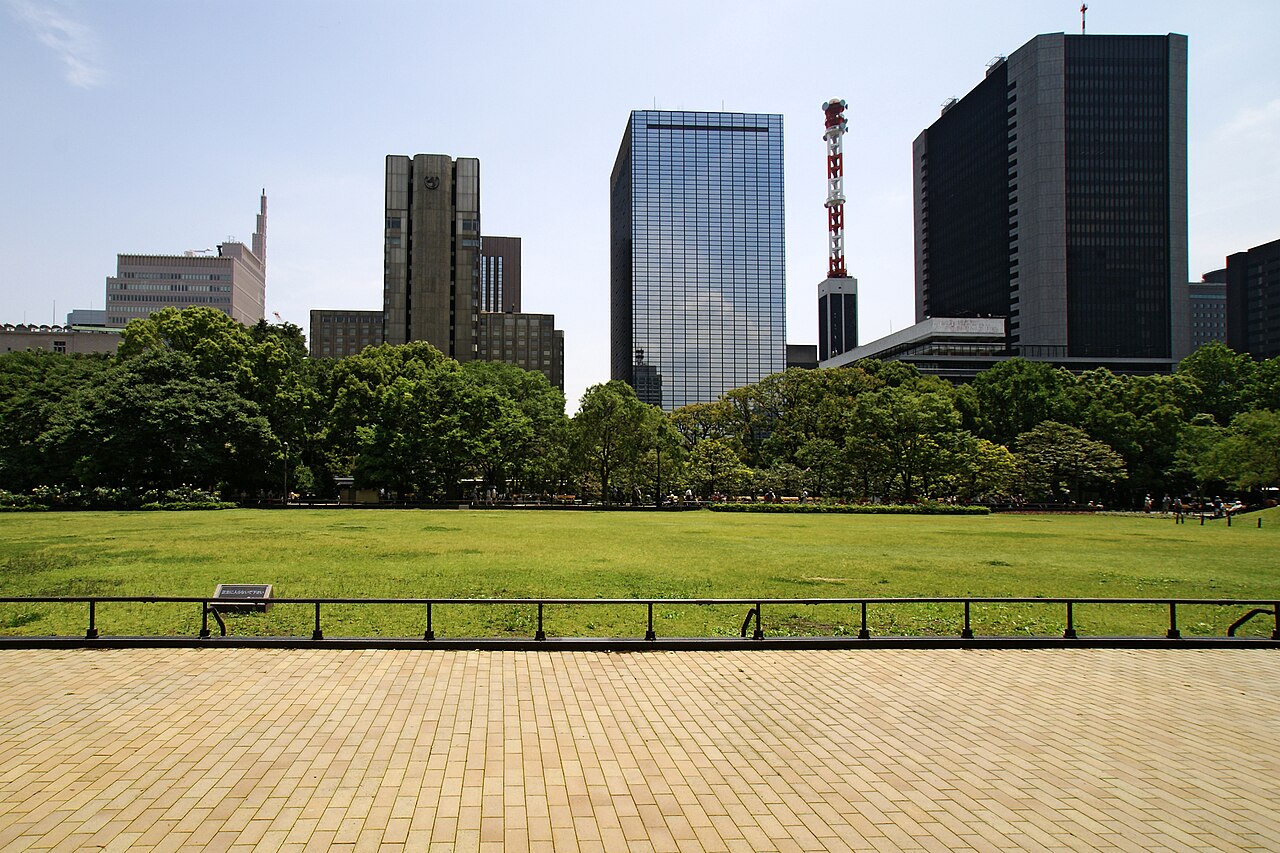
Hibiya Park is a major public green space in central Tokyo, near the Imperial Palace and Ginza. Established on former imperial army grounds, it became Japan’s first Western-style modern park. Today it offers a break from dense commercial and governmental districts through lawns, mature trees, flower beds, fountains, monuments, and open paths. Its central location makes it useful both as a destination and as a calm pause between visits to nearby Marunouchi, Ginza, and the Imperial Palace area. Hibiya Park is a public park in central Tokyo, established on former imperial army grounds and opened as Japan's first Western-style modern park. The local name is 日比谷公園. It occupies a significant plot near the Imperial Palace and Ginza district. The park serves as an urban green space with lawns, flower beds, and mature trees. It hosts seasonal events and provides respite from surrounding commercial districts. General access to this public park is typically without charge, though special events or facilities may require separate payment.
Checked 2026-08-26 · Source
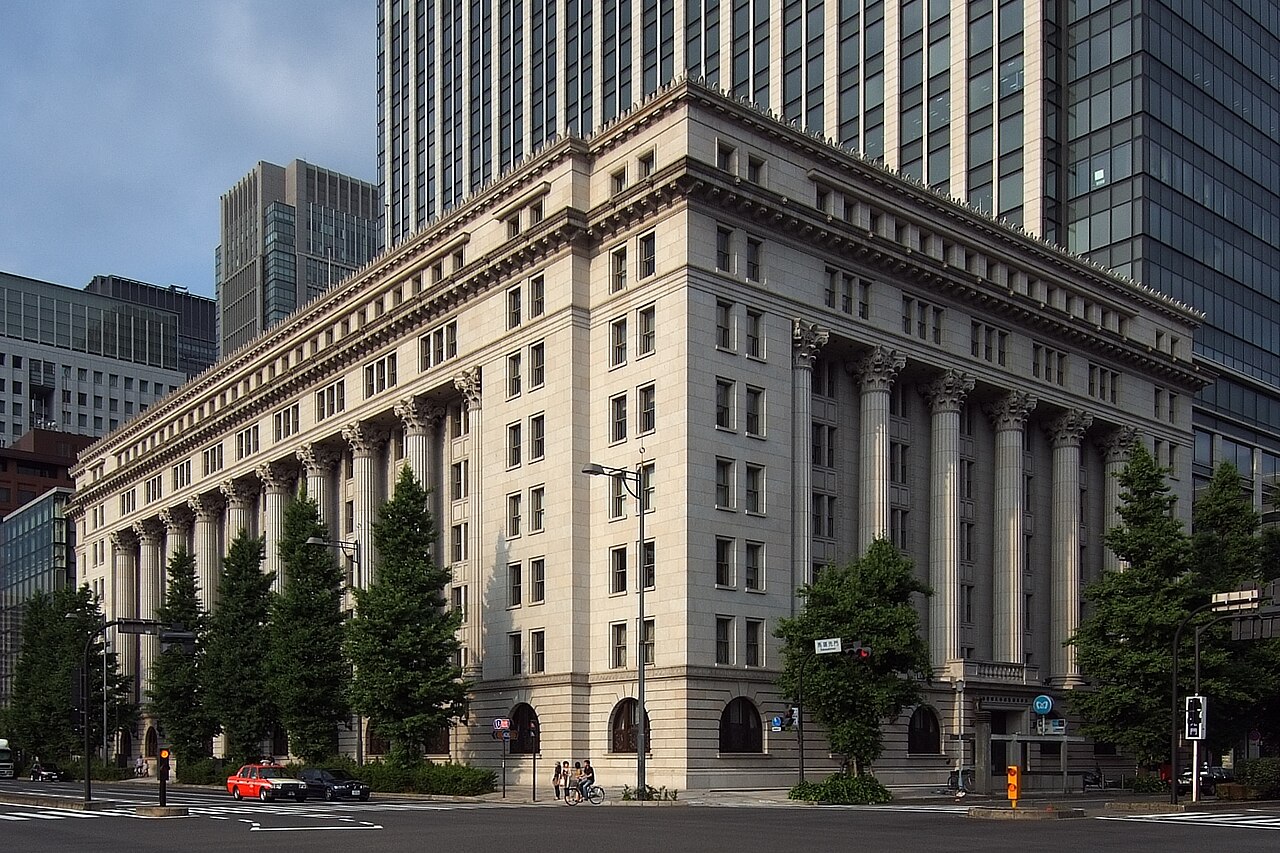
The park combines landscaped gardens, lawns, fountains, monuments, sculptures, and seasonal plantings. Hibiya Open-Air Concert Hall provides a dedicated music venue within the grounds, while restaurants and cafes offer places to eat during a longer stop. Tulips in spring and ginkgo trees in autumn add strong seasonal color. Surrounding landmarks include the Imperial Hotel and government buildings. Explore the principal paths at an unhurried pace, then choose either a flower-filled garden area, a shaded walk, or a quiet lawn for a break.
Checked 2026-08-26 · Source
A general walk through the park takes around thirty to sixty minutes. Add time for photographs, seasonal flowers, monuments, or a rest on the lawns. A concert at Hibiya Open-Air Concert Hall requires additional time around the performance itself. Because the park lies close to Ginza, Yurakucho, Kasumigaseki, and the Imperial Palace area, it fits naturally into a longer central Tokyo itinerary. Use it as a focused garden visit or as a restorative pause between urban attractions.
Checked 2026-08-26 · Source
Hibiya Park changes noticeably through the year. Spring brings cherry and tulip blossoms, summer emphasizes dense green foliage, autumn highlights ginkgo color, and winter creates a quieter atmosphere around the evergreen plantings. Morning and late afternoon are comfortable times for walking and photography, while summer midday can feel humid in exposed areas. Concerts and seasonal events change the park’s atmosphere and crowd levels. Choose your season according to whether you want flowers, autumn color, greenery, or a quieter urban garden.
Checked 2026-08-26 · Source
General access to Hibiya Park is free because it is a public municipal park. Separate activities inside the grounds can have their own costs, especially concerts at Hibiya Open-Air Concert Hall and other special events. A walk through the gardens, lawns, fountains, and monument areas does not require an admission purchase. If you plan to attend a performance, treat that as a separate event from the free park visit. The surrounding Ginza and Yurakucho districts provide additional dining and shopping choices.
Checked 2026-08-26 · Source
Hibiya Park is served by several central Tokyo stations. Hibiya Station connects with the Tokyo Metro Hibiya and Chiyoda lines and the Toei Mita line. Yurakucho Station serves JR Yamanote and Keihin-Tohoku services, while Kasumigaseki Station connects with Tokyo Metro Marunouchi, Hibiya, and Chiyoda lines. Walking from Ginza is also practical. Use the station map or a current navigation app to select the exit closest to your chosen section of the park.
Checked 2026-08-26 · Source
The park borders busy central roads, so take care at crossings and entrances. Event days can make paths and gathering areas crowded; keep personal belongings close in dense groups. Summer sun and humidity make water and sun protection useful, while rain can leave paths slippery. Respect lawns, planted beds, monuments, and park regulations. Hibiya Park is generally a peaceful urban refuge, but it remains surrounded by active streets and offices. Keep children within sight near roads and during large public events.
Checked 2026-08-26 · Source
Photographers can work with formal gardens, fountains, flowers, mature trees, monuments, sculptures, and the architectural backdrop of central Tokyo. Spring tulips and autumn ginkgo trees provide the strongest seasonal color. Morning or late afternoon light can soften garden scenes, while overcast weather helps with detail and foliage. Event crowds add human energy but reduce clear compositions. Keep paths open, respect other park users’ privacy, and follow staff directions around concerts or organized activities. The surrounding buildings offer useful urban contrast to the greenery.
Checked 2026-08-26 · Source
Yes. General access to Hibiya Park is free. Concerts at Hibiya Open-Air Concert Hall and special events can involve separate admission.
Hibiya Park is known as Japan’s first Western-style modern park and for its lawns, gardens, fountains, monuments, seasonal flowers, mature trees, and central Tokyo location.
The nearby stations are Hibiya, Yurakucho, and Kasumigaseki. They connect with Tokyo Metro, Toei, and JR lines, and Ginza is also within walking distance.
Spring brings tulips and cherry blossoms, summer offers lush greenery, autumn brings ginkgo color, and winter provides a quieter garden atmosphere. Choose according to the scenery you prefer.
Yes. Hibiya Open-Air Concert Hall is located within the park. Concert attendance is separate from free access to the surrounding public park.
Allow thirty to sixty minutes for a general walk. Flowers, monuments, photographs, a meal, or time on the lawns can extend the visit, especially during a seasonal display.
Loading the interactive map…
The interactive map could not be loaded.
Last updated:
Source: OpenStreetMap contributors, Wikidata ·