
7 min walk
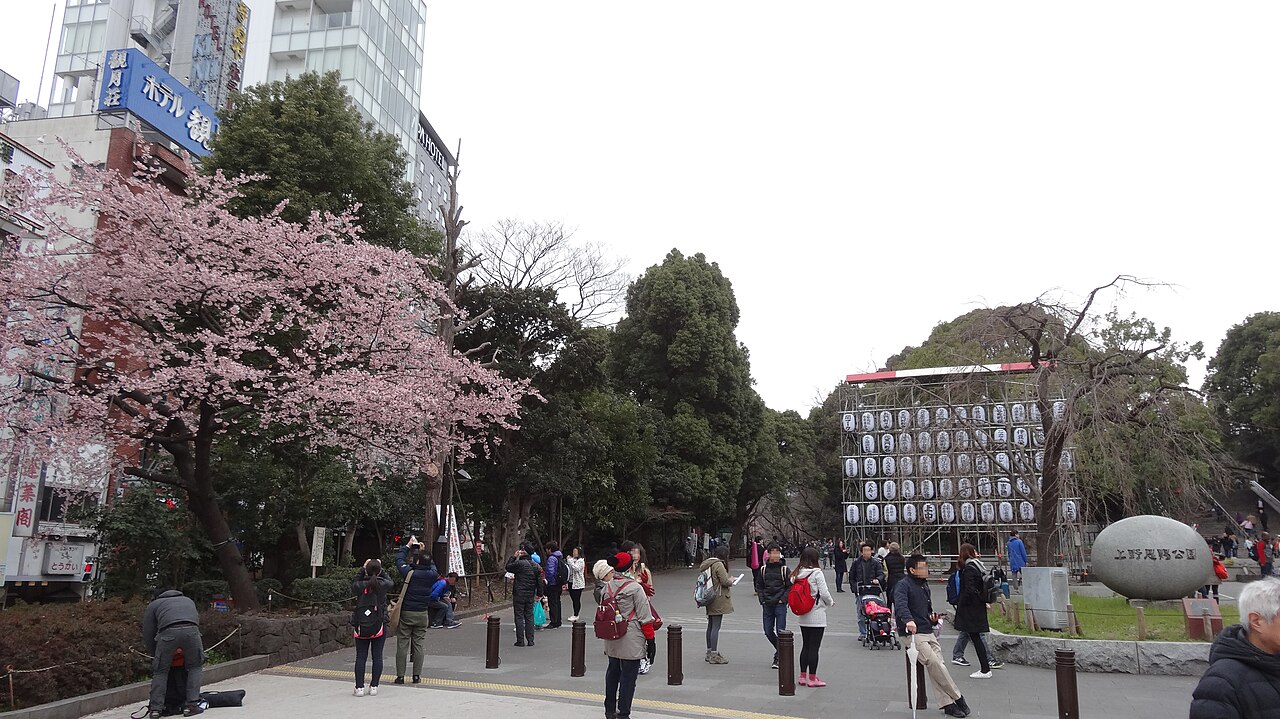
上野恩賜公園
- Notable
- Historic monument
Nature site · Tokyo
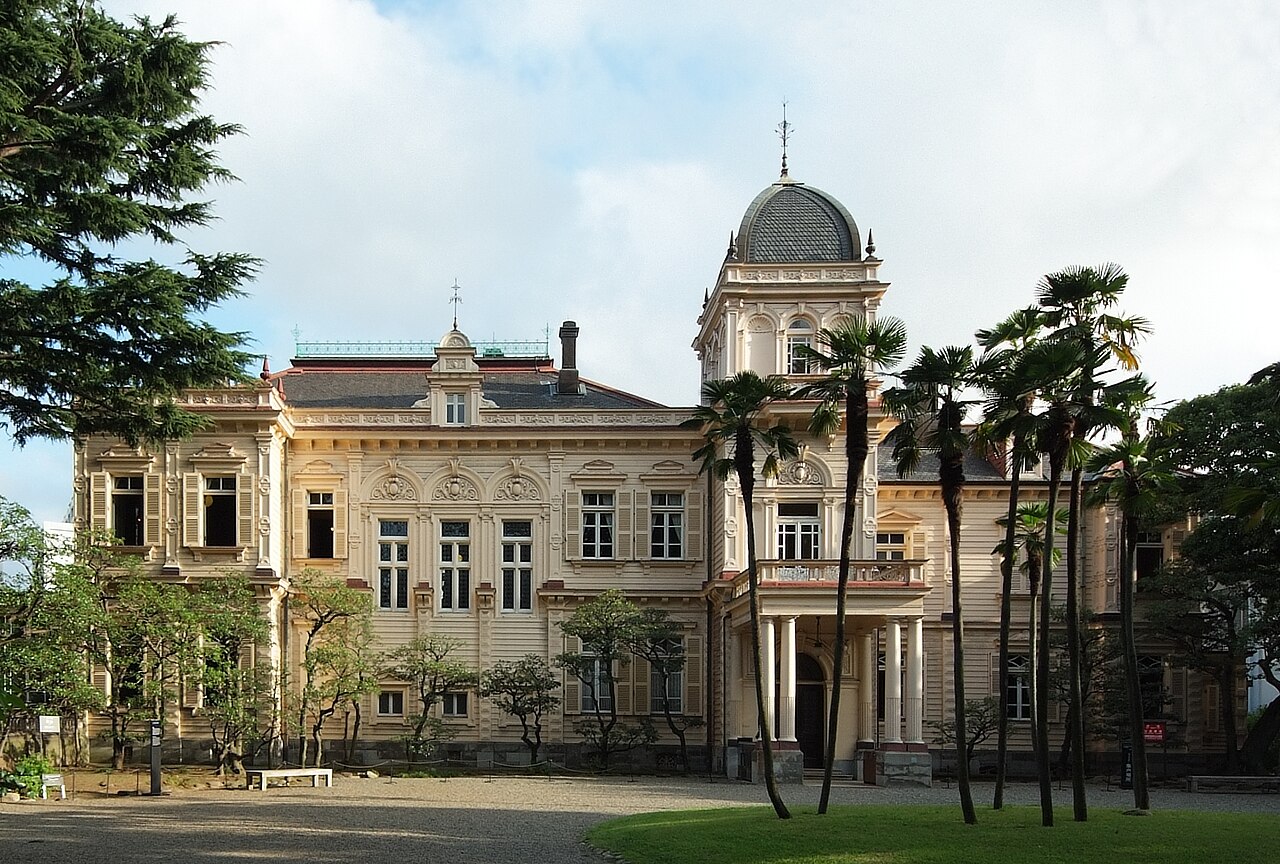
旧岩崎邸庭園
Kyu-Iwasaki-tei Garden is a historic garden and former estate in Tokyo, Japan. The property preserves the residence and grounds of the Iwasaki family, founders of the Mitsubishi conglomerate. The site represents an important example of Meiji-era architecture and landscape design, blending Western and Japanese influences. The garden surrounds the main house and provides a green retreat within the dense urban environment of Tokyo. It stands as a testament to the wealth and cultural aspirations of Japan's industrial elite during the period of rapid modernization.
Checked 2026-08-28
The garden contains the former Iwasaki family residence, a substantial Western-style mansion designed by British architect Josiah Conder. The grounds include landscaped areas with trees, lawns, and traditional garden elements alongside Western features. The main house displays ornate interiors with imported materials and craftsmanship. Outbuildings and gates contribute to the estate's historical atmosphere. The property demonstrates the eclectic architectural tastes of the Meiji period, when Japanese elites embraced Western styles while maintaining certain domestic traditions. The spatial arrangement reflects both aesthetic and social hierarchies of the era.
Checked 2026-08-28
Visitors typically allocate between sixty and ninety minutes for a complete experience of the garden and house interior. Those with strong interest in architectural history or Meiji-period culture may extend their stay to two hours. The compact nature of the site allows efficient viewing without excessive walking. Photography restrictions inside the main building may accelerate or delay progress depending on individual habits. Seasonal variations in garden appearance could influence desired duration. The visit combines structured interior circulation with self-paced garden exploration, permitting flexible scheduling within reasonable bounds.
Checked 2026-08-28
Visitors should consult official sources before planning attendance. The garden's appeal varies seasonally, with spring cherry blossoms and autumn foliage offering enhanced atmosphere. Summer brings dense greenery but potentially uncomfortable humidity. Winter provides structural clarity for architectural appreciation with reduced crowds. Weekday mornings generally promise quieter conditions than weekends. The covered interiors offer refuge during inclement weather, though garden enjoyment diminishes in heavy rain. Advance verification of accessibility prevents disappointment, as seasonal adjustments or special events may affect regular operations without widespread notification. Check the operator's own site for the travel date before relying on a schedule or fare.
Checked 2026-08-28
Visitors must verify current admission fees through official channels before arrival. Historical properties in Tokyo typically implement modest charges, with potential variations for adults, students, and seniors. Some facilities offer combination tickets with nearby attractions. Group rates may apply with advance reservation. Payment methods should be confirmed, as cashless systems are increasingly common but not universal. Annual passes or cultural facility reciprocal agreements might benefit repeat visitors. Budget-conscious travelers should research free admission days, though these often coincide with peak crowding that compromises the contemplative experience. Check the operator's own site for the travel date before relying on a schedule or fare.
Checked 2026-08-28
The garden occupies a location in Tokyo accessible through the city's extensive rail network. Multiple train and subway lines serve the general district, requiring walking from the nearest stations. Street-level navigation through residential and commercial areas completes the journey. Signage in Japanese assists orientation, with limited English guidance. Taxis provide direct access but incur higher cost. Cycling represents an alternative for local residents, though parking availability requires confirmation. The address and map coordinates from OpenStreetMap facilitate precise positioning. Visitors should allow buffer time for wayfinding in Tokyo's complex addressing system, where sequential numbering rather than street names predominate.
Checked 2026-08-28
Interior photography may be restricted or prohibited; observe posted regulations and staff instructions. Shoe removal is typically required for traditional Japanese building entry; wear easily removable footwear. The garden paths may become slippery after rain; appropriate footwear enhances safety. Crowding concentrates during peak seasons and weekends, affecting movement and atmosphere. Some original surfaces and furnishings are fragile; maintain respectful distance. Multilingual information may be limited; prior research compensates for sparse English signage. Accessibility features for mobility-impaired visitors should be verified in advance, as historic structures often present stairs and uneven thresholds. Respectful conduct preserves the site's dignity.
Checked 2026-08-28
Exterior photography of the garden and building facades is generally permitted for personal use. Interior photography restrictions are common in historic Japanese residences to protect delicate materials and maintain atmosphere. Tripods and professional equipment may require special permission or fees. Flash photography is typically prohibited indoors due to conservation concerns. Drone operation is almost certainly forbidden within Tokyo's dense urban environment and near private property. Visitors should prioritize visual memory and written observation where camera use is limited. Commercial or publication use demands explicit authorization from management. Discretion and compliance with posted rules preserve access for future visitors.
Checked 2026-08-28
Interior access is available but may be subject to restrictions; verify current status with official sources.
English information may be limited; visitors should prepare through independent research before attending.
Eating and drinking policies are not recorded; consult on-site guidance or official communications.
Accessibility features for historic properties vary; direct inquiry with management is recommended before visiting.
Tour offerings are not recorded; check official channels for scheduled programs or audio guide options.
The estate was built for the Iwasaki family, founders of Mitsubishi, and reflects their historical prominence in Japanese industry.
Loading the interactive map…
The interactive map could not be loaded.
Last updated:
Source: OpenStreetMap contributors, Wikidata ·