
.jpg)
.jpg)
.jpg)
.jpg)
.jpg)

4 min walk
KLCC Park
- Must see
- Nature site
Language · 11 published
Place of worship · Kuala Lumpur
Masjid As Syakirin
Reviewed by Elena Voss · Roavina Travel Editor
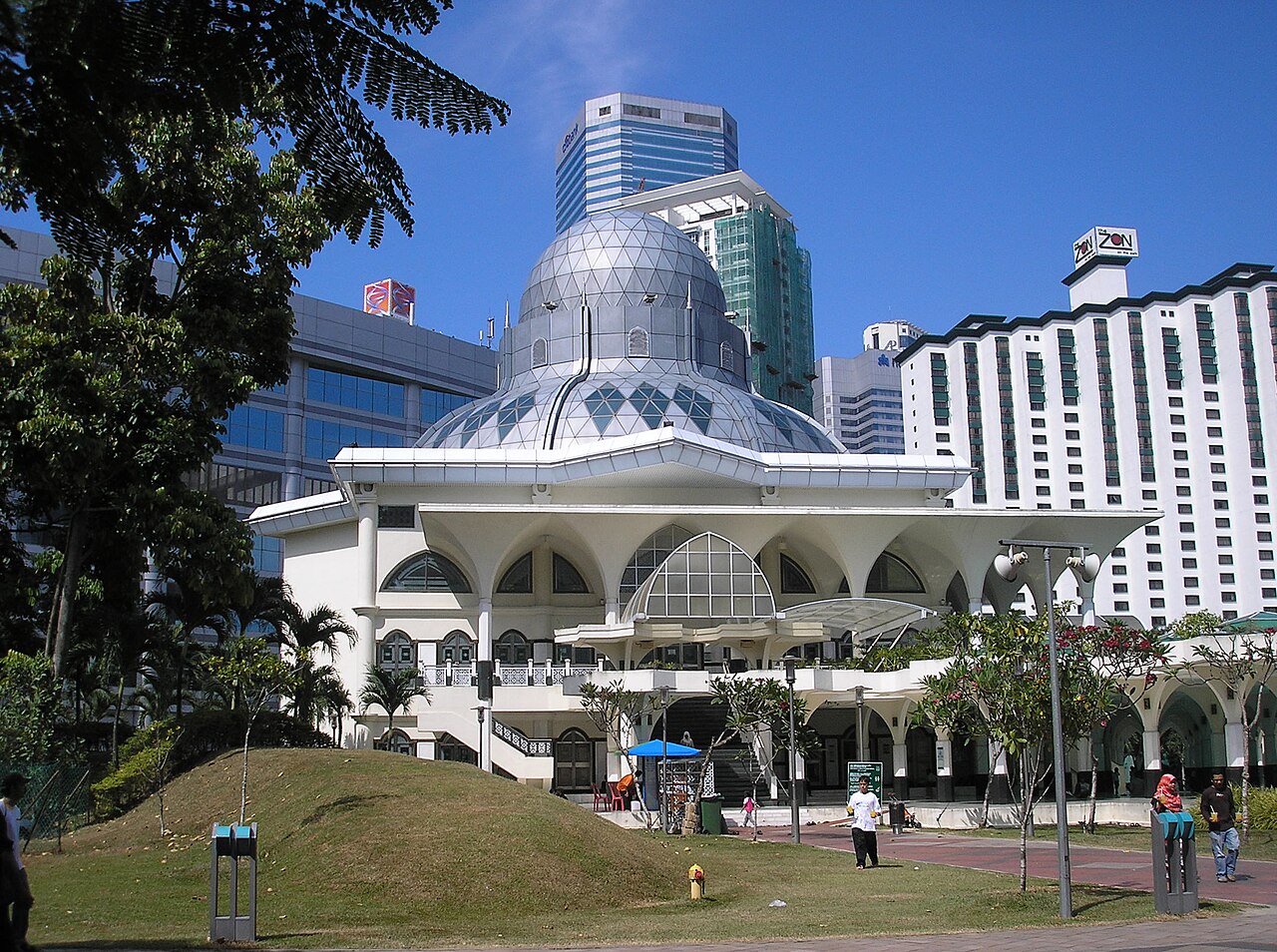
This place is a Place of worship. It was established in 1996. It was built in the Islamic architecture style.
As Syakirin Mosque, also known as Masjid As Syakirin, is an active Muslim place of worship in Kuala Lumpur. Its primary purpose is prayer and religious life rather than sightseeing. The mosque forms part of Kuala Lumpur’s diverse urban religious landscape and offers travelers interested in Islamic architecture a chance to encounter a living community space. Visit with the understanding that worshippers and religious observance take priority throughout the building and grounds. The experience is best approached quietly, respectfully, and without treating the mosque as a conventional tourist attraction.
Checked 2026-08-26 · Source
The mosque contains prayer spaces arranged for Muslim worship, with the interior organized around the requirements of communal prayer. Visitors can expect the visual and functional features associated with a working mosque, including a prayer hall oriented toward Mecca and areas connected with ablution. A mihrab and minbar are customary elements of mosque prayer spaces, while the building’s wider character belongs to Kuala Lumpur’s contemporary Islamic environment. The most important feature is not a display collection but the continuing religious use of the site. Move carefully, keep voices low, and leave worship areas clear.
Checked 2026-08-26 · Source
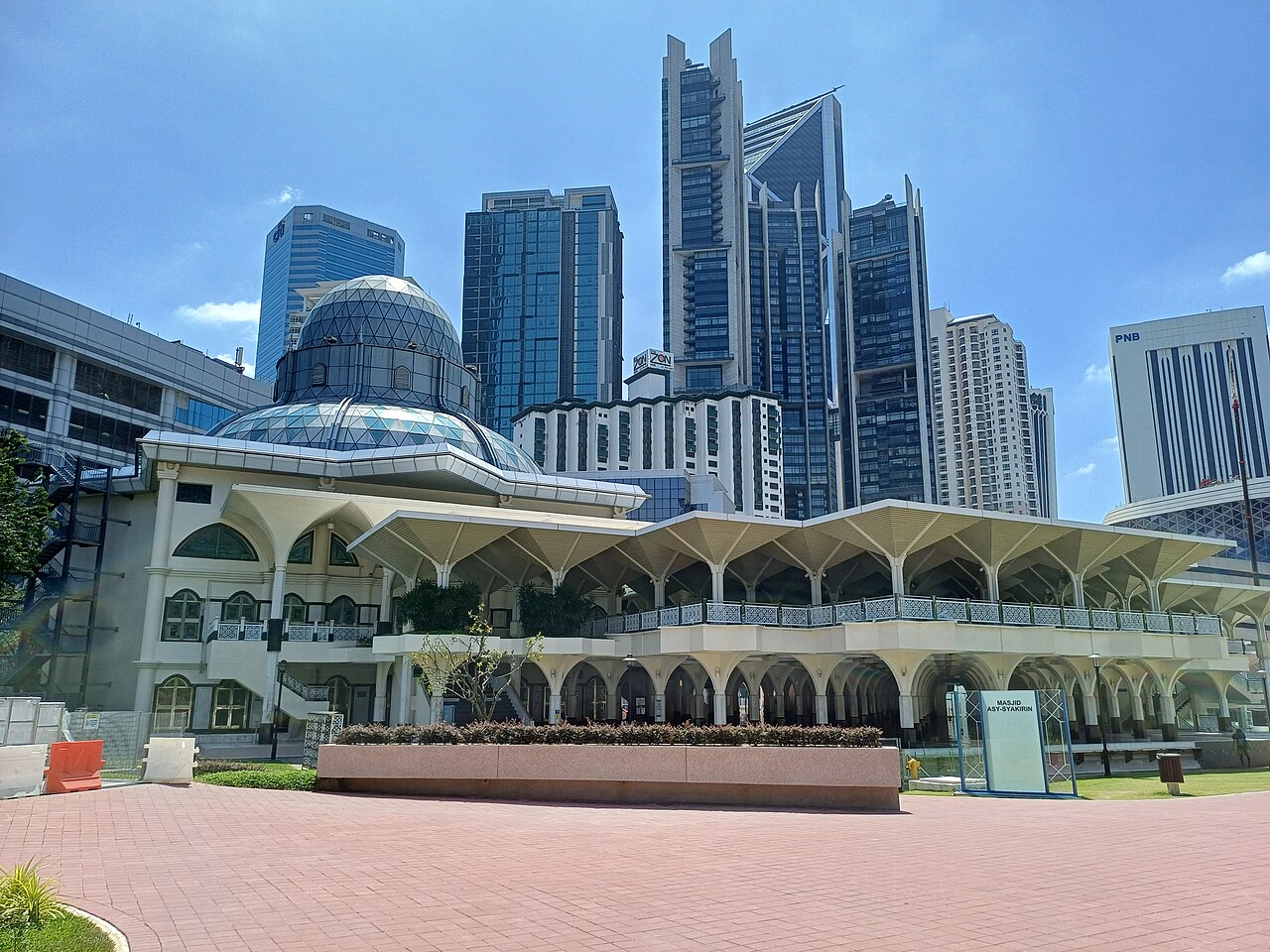
Allow around fifteen to thirty minutes for a brief exterior visit and quiet orientation. A longer stay of roughly forty-five minutes to one hour suits travelers who want to observe the mosque’s architecture and atmosphere outside active prayer. The right length depends on the purpose of the visit: worshippers may remain for religious activities, while sightseers should avoid lingering in ways that interrupt community use. During prayer, minimize movement and wait quietly if necessary. The mosque rewards a calm visit rather than a rushed checklist stop between Kuala Lumpur attractions.
Checked 2026-08-26 · Source
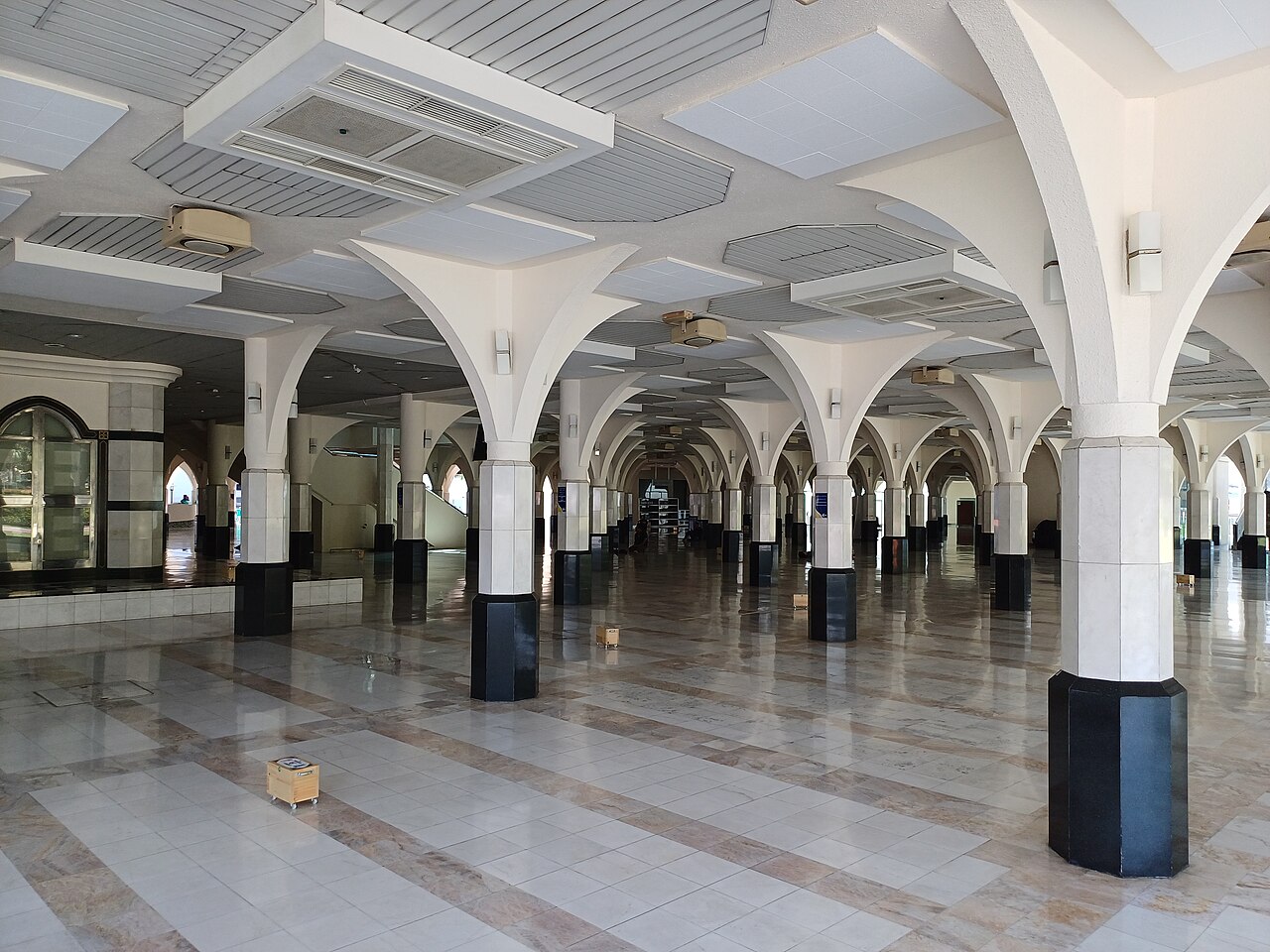
Choose a period outside the main prayer gatherings when the aim is architectural observation. Friday is especially significant because Muslims attend the congregational Jumu’ah prayer, so the mosque may be busy and visitor movement may be inappropriate. Ramadan and other Islamic observances also change the rhythm of the building and bring stronger community activity. Early morning or late afternoon can offer a quieter setting, while Kuala Lumpur’s tropical weather makes rain protection useful. A visit should fit around worship, not the other way around, and the mosque’s religious calendar matters more than sightseeing convenience.
Checked 2026-08-26 · Source
As Syakirin Mosque is a religious institution, the visit is centered on worship rather than a commercial attraction experience. Travelers should treat entry as a matter of respectful access to a community mosque, not as a ticketed sightseeing activity. Keep modest funds available for a voluntary contribution if one is requested in person, but do not treat a donation as an admission purchase. Religious areas may have different expectations from public tourist venues. The most useful preparation is appropriate clothing, quiet conduct, and enough time to respond courteously to local guidance.
Checked 2026-08-26 · Source
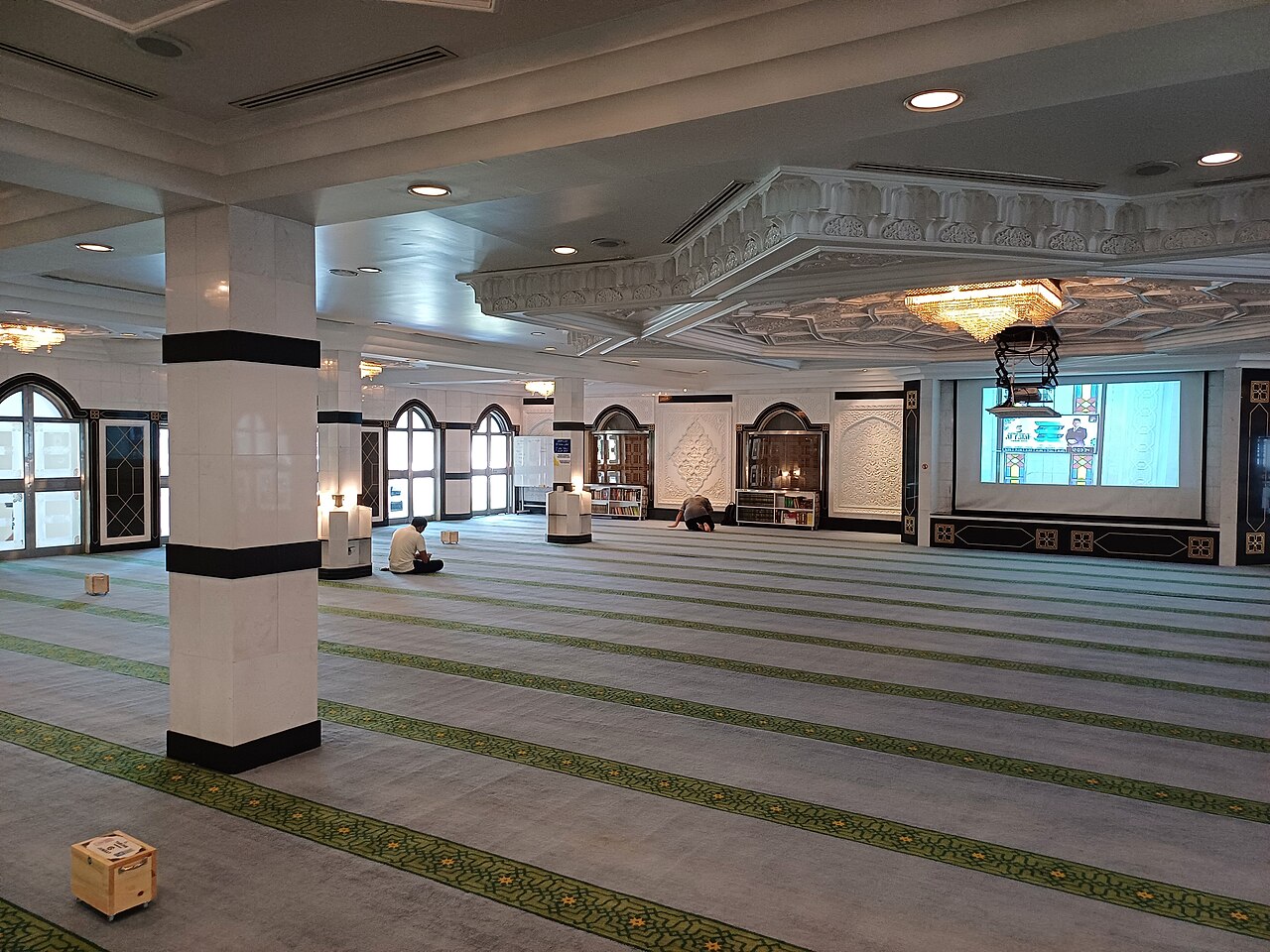
As Syakirin Mosque is located in Kuala Lumpur, plan the final approach with the city’s urban transport network and a current map. Rail services, buses, taxis, and ride-hailing vehicles serve the metropolitan area, while the exact walking route depends on the traveler’s starting point and the mosque’s position within the street network. If arriving by car, treat parking as a separate logistical question. Once nearby, follow public paths and mosque signage rather than crossing worship areas or restricted edges. A map application is useful for the last walking stage, especially in dense city streets.
Checked 2026-08-26 · Source
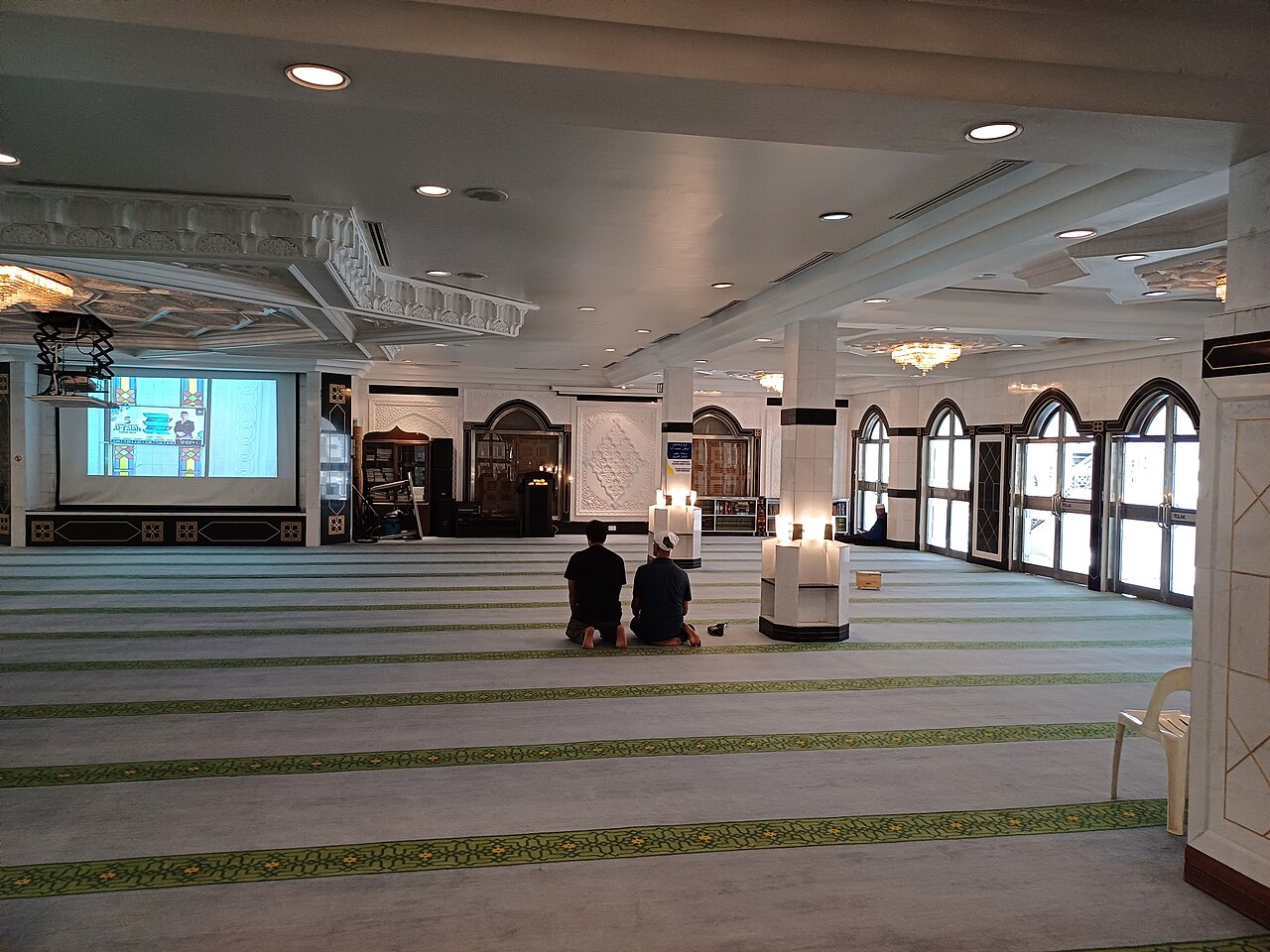
Wear loose, modest clothing that covers the shoulders, arms, and legs; women should carry a head covering for prayer areas. Remove shoes before entering carpeted worship spaces and keep ablution areas orderly. Do not walk through a prayer line, interrupt worshippers, or speak loudly. Friday prayer and Ramadan can make the mosque substantially busier. Photography of people requires particular care, and worshippers should never become background subjects without permission. Gender-specific arrangements may apply inside the mosque. The building’s religious function should guide every decision about movement, clothing, conversation, and timing.
Checked 2026-08-26 · Source
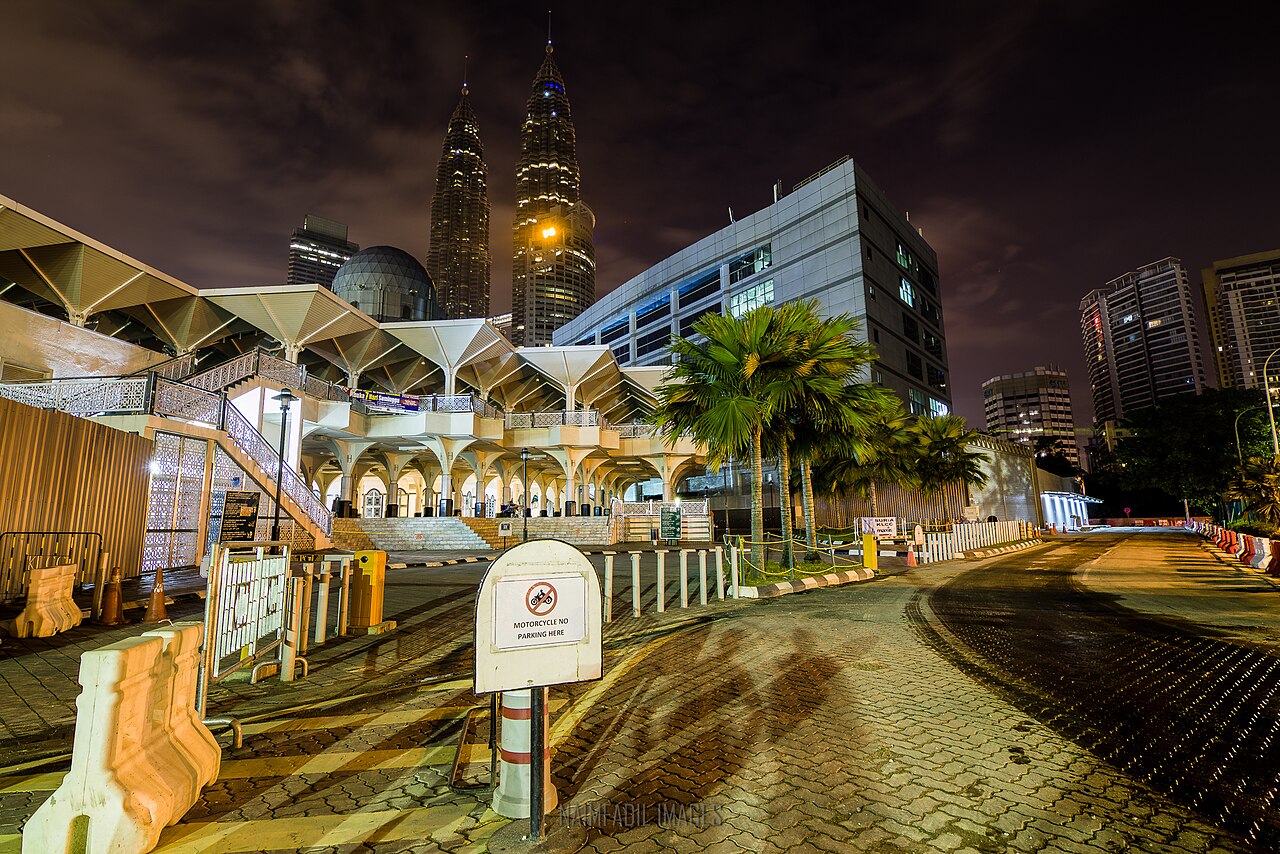
Treat photography at As Syakirin Mosque as a privilege subordinate to worship. Exterior views from public space are the least disruptive option, provided that people entering or leaving are not obstructed. Ask before photographing inside or recording architectural details near prayer activity. Never photograph worshippers during prayer without clear permission, and avoid flash, loud camera sounds, and equipment that blocks a passage. A phone carried discreetly is more suitable than a large setup in a working mosque. The strongest images come from patient observation of the building’s relationship with Kuala Lumpur, not from intrusive close-ups.
Checked 2026-08-26 · Source
As Syakirin Mosque is an active Muslim place of worship in Kuala Lumpur. Its main function is communal prayer and religious life, so visitors should approach it as a living mosque rather than a conventional tourist attraction.
Wear loose, modest clothing covering the shoulders, arms, and legs. Women should carry a head covering for prayer areas. Remove shoes before entering carpeted worship spaces and follow local arrangements inside.
Friday brings the congregational Jumu’ah prayer, when the mosque serves a larger gathering of worshippers. Sightseeing movement can become disruptive, so visitors should keep clear of prayer activity and choose another period for architectural observation.
Allow fifteen to thirty minutes for a brief visit. Travelers wanting more time for quiet observation can allow approximately forty-five minutes to one hour, while worshippers may stay for religious activities.
The mosque’s interior is organized around Muslim prayer and includes prayer spaces, areas connected with ablution, and the customary functional elements of a mosque such as a mihrab and minbar.
Use public-space exterior views when possible. Ask before photographing inside, never photograph worshippers during prayer without permission, and avoid flash, loud camera sounds, and equipment that blocks passages.
Loading the interactive map…
The interactive map could not be loaded.
Last updated:
Source: OpenStreetMap contributors, Wikidata ·