.jpg)
.jpg)
.jpg)


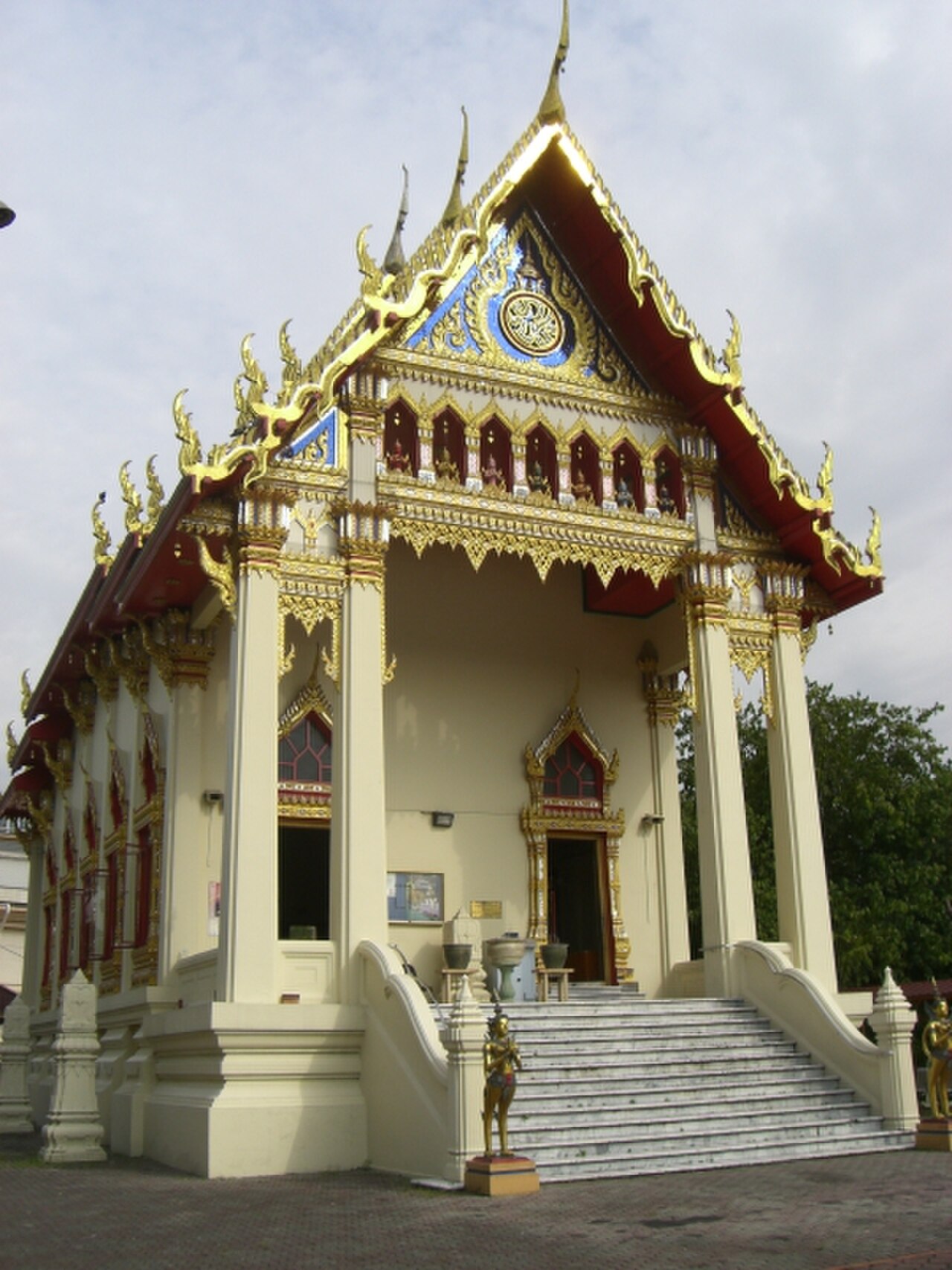
19 min walk
Wat Chetawan
- Notable
- Place of worship
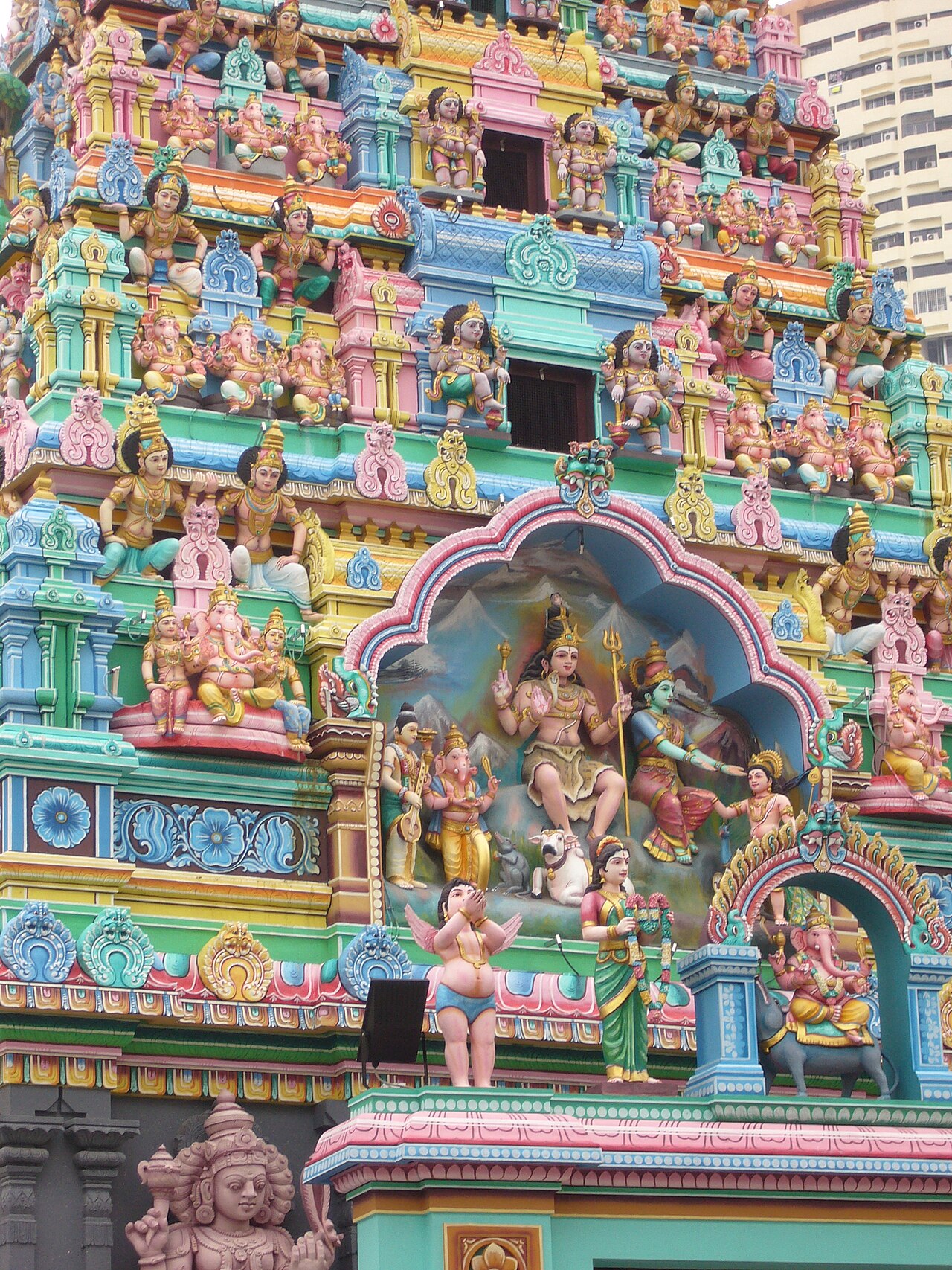
Place of worship · Kuala Lumpur
Sri Sithi Vinayagar Temple is an active Hindu place of worship in Kuala Lumpur dedicated to Lord Ganesha, also known as Vinayagar. It serves the local Hindu community while offering respectful visitors a window into South Indian Tamil religious traditions in Malaysia. Come for the living devotional atmosphere, not a staged tourist performance. The temple represents the city’s religious diversity and remains meaningful because worship, ritual, and community life continue here. Sri Sithi Vinayagar Temple is a Hindu temple in Kuala Lumpur dedicated to Lord Ganesha, the elephant-headed deity revered as the remover of obstacles. The temple serves the local Hindu community and visiting devotees, functioning as an active place of worship rather than a purpose-built tourist attraction. It represents the enduring presence of South Indian Tamil Hindu traditions in Malaysia's capital. The temple's identity was matched exactly to the production city pool, with stored identity, local name and coordinates copied without approximation.
Checked 2026-08-26 · Source
The temple centers on the sanctum of Sri Sithi Vinayagar and includes spaces associated with prayer, offerings, and Hindu ceremonies. Visitors may encounter subsidiary shrines, devotional objects, lamps, and ritual activity connected with Tamil Hindu practice. The interior should be read as a sacred environment rather than a museum display. Observe how worshippers move through the space, remain quiet, and allow religious activity to continue without interruption. As an operational Hindu temple, the interior typically contains a sanctum sanctorum housing the main deity Sri Sithi Vinayagar, along with subsidiary shrines for other deities common to Tamil temple architecture. Devotional spaces would include areas for ritual offerings, prayer halls, and spaces for religious ceremonies. Visitors should expect an atmosphere of active religious practice.
Checked 2026-08-26 · Source
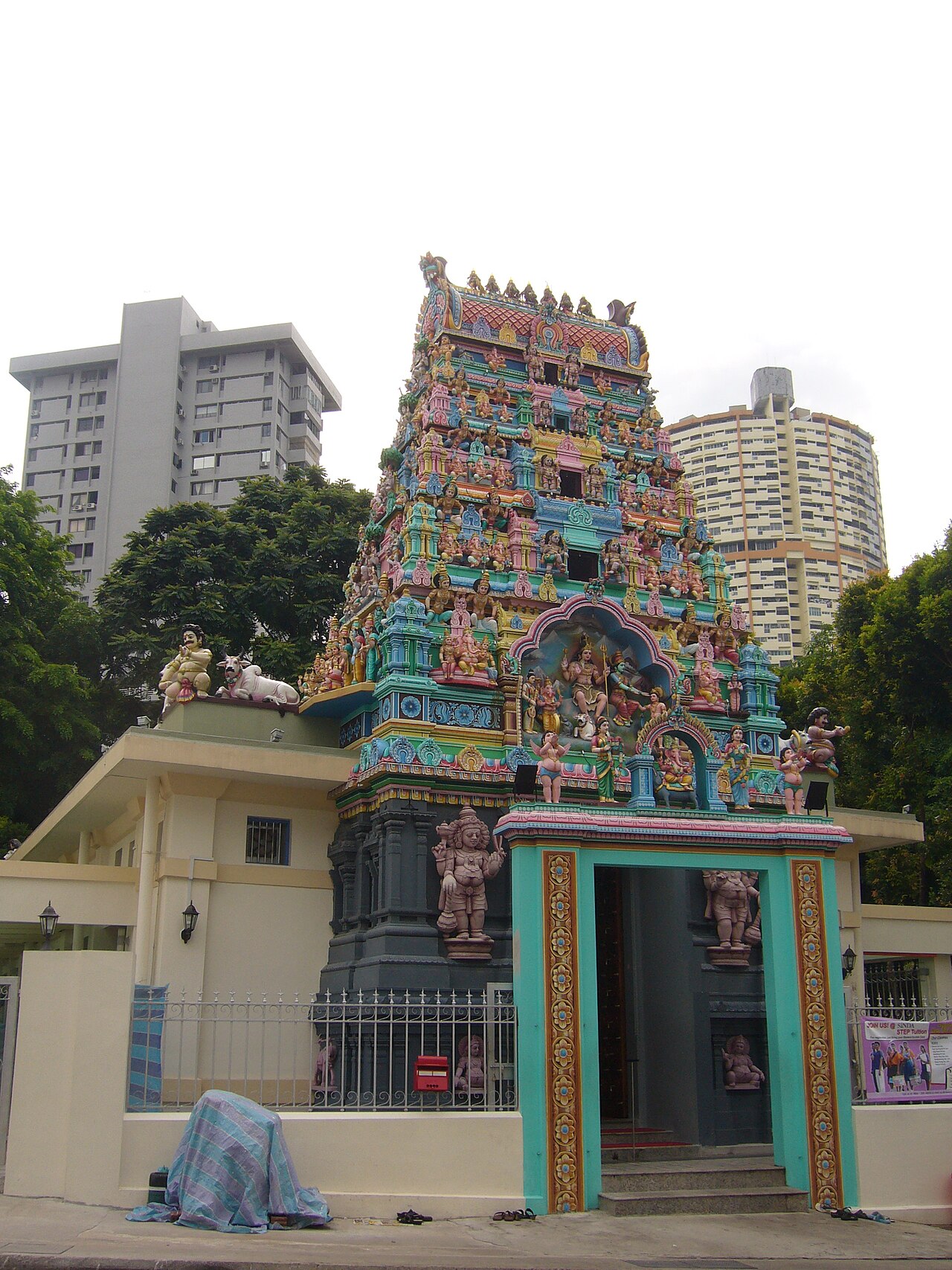
Allow twenty minutes to one hour for a respectful visit. A brief stop can include quiet observation of the temple environment and its devotional details, while a longer stay suits visitors who want to watch prayer or ritual activity without hurrying. Leave additional time if attending a ceremony or festival. The pace belongs to the temple’s religious life, so wait patiently when worshippers or temple duties take priority. A respectful visit to Sri Sithi Vinayagar Temple would typically require between twenty minutes and one hour, depending on individual interest in observing rituals, participating in prayer, or simply appreciating the temple environment.
Checked 2026-08-26 · Source
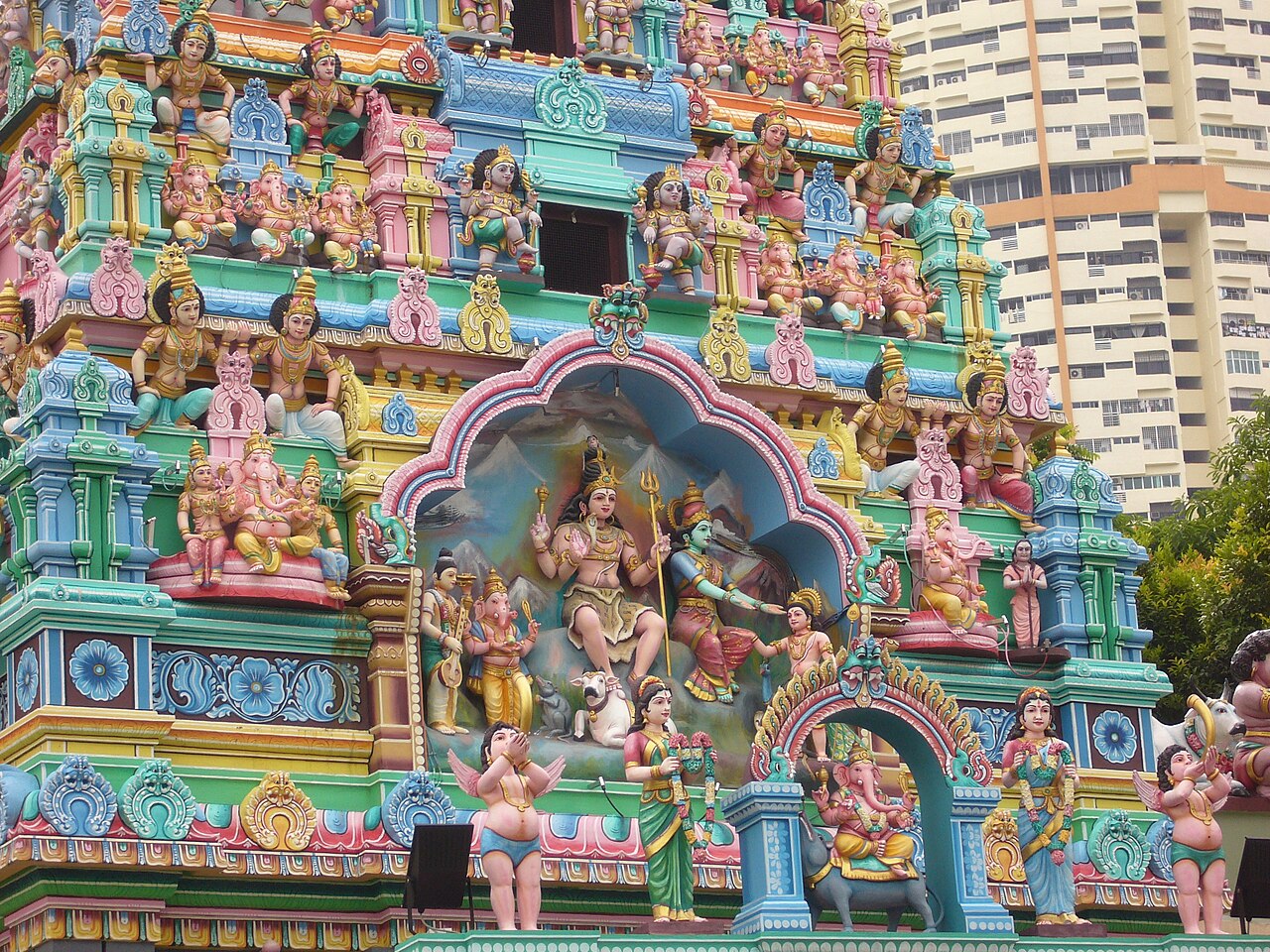
Temple visits are shaped by worship and ceremony rather than sightseeing timetables. Early morning and evening are important prayer periods in Hindu temple life, while festivals such as Thaipusam and Vinayagar Chaturthi can bring heightened devotional activity and large crowds. Choose a quieter weekday period for contemplation, or attend a festival for a more energetic experience. In either case, keep your behavior aligned with the needs of worshippers.
Checked 2026-08-26 · Source
Sri Sithi Vinayagar Temple is a religious institution rather than a conventional ticketed attraction. Visitors should be prepared for a devotional setting in which offerings or donations may support temple activities and maintenance. Carrying small Malaysian ringgit denominations is practical when you wish to contribute. Any religious service or offering should be approached with humility and according to the temple’s own arrangements, without turning worship into a commercial transaction.
Checked 2026-08-26 · Source
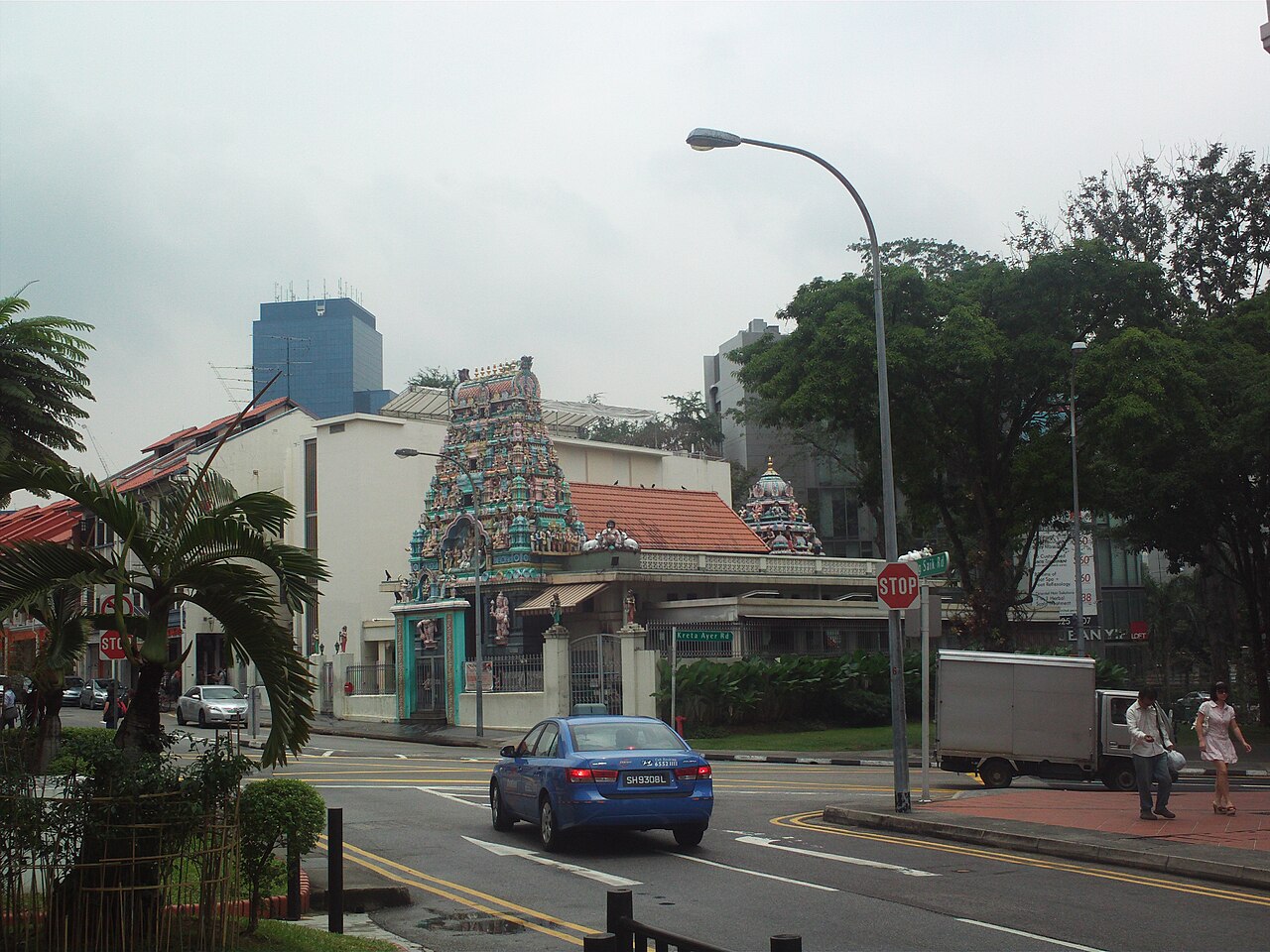
The temple is within Kuala Lumpur’s urban transport area and can be reached by MRT, LRT, bus, taxi, or ride-hailing service, followed by any necessary walk from the nearest practical stop. Use the mapped location for the final navigation stage. Heat and tropical rain can make walking uncomfortable, so plan water and suitable clothing. Road journeys take longer during busy periods; include a buffer when connecting the temple with other city stops.
Checked 2026-08-26 · Source
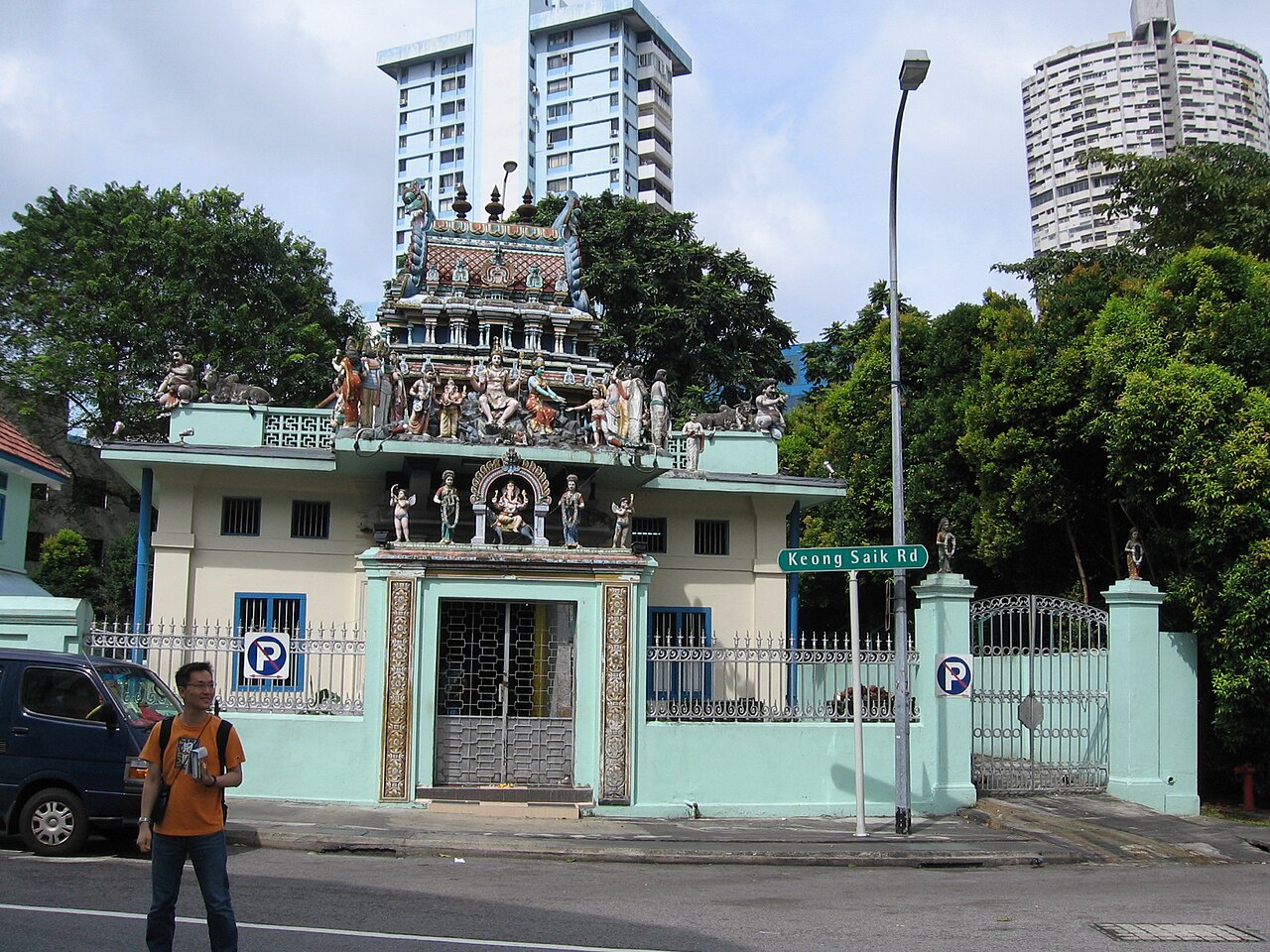
Remove footwear before entering and wear clothing that covers shoulders and knees. Keep voices low, avoid interrupting prayers, and give worshippers privacy. Inner sacred areas may have access limits, and uneven surfaces can be difficult when barefoot. Ask before photographing people, rituals, or devotional spaces. During festivals, expect crowded conditions and move patiently. Drink water before or after the visit, particularly when walking through Kuala Lumpur’s tropical heat.
Checked 2026-08-26 · Source
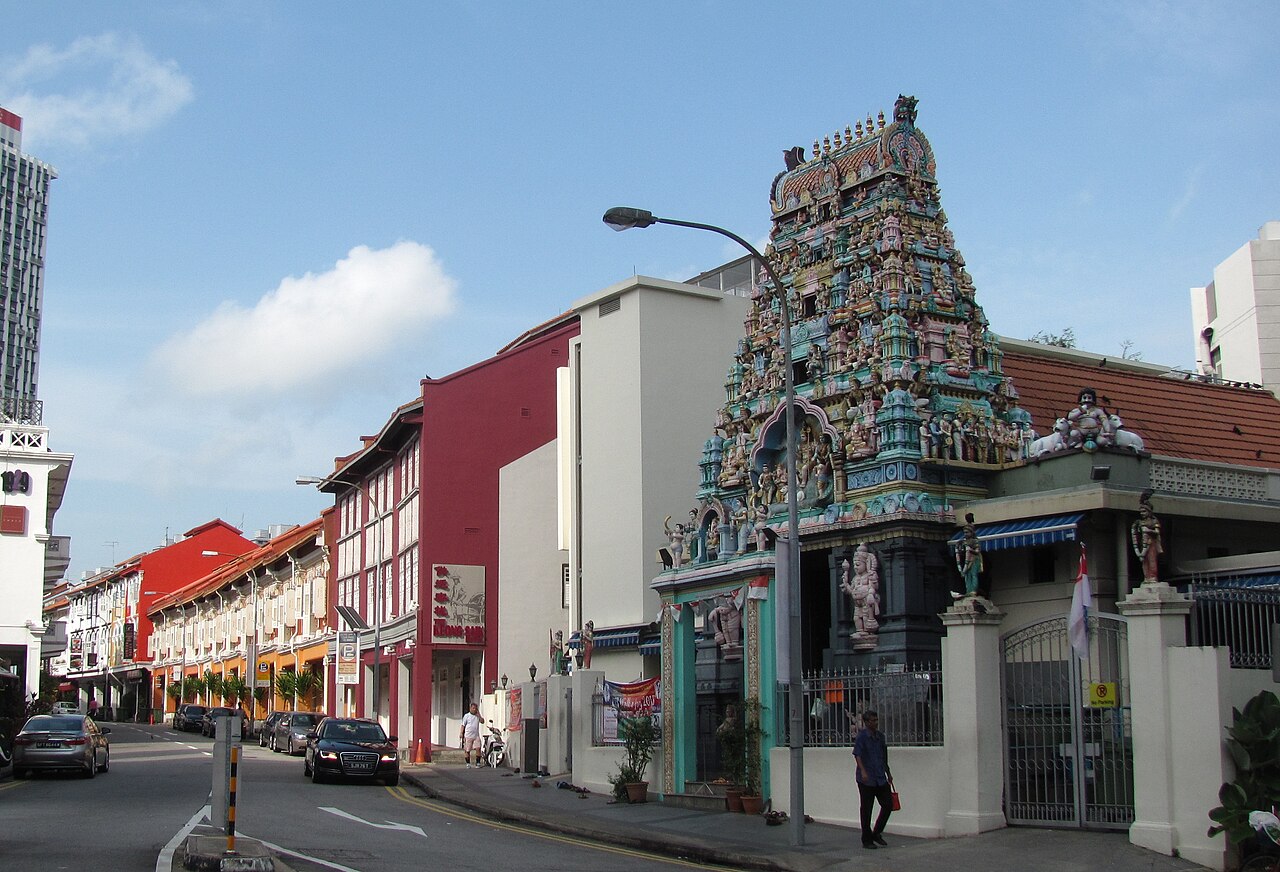
Make photography a careful privilege rather than the purpose of the visit. Ask temple authorities before photographing interiors, ceremonies, deities, or worshippers, and respect any area where cameras are prohibited. Keep flash turned off and avoid tripods or equipment that obstructs movement. Exterior architecture may offer suitable subjects, but privacy and devotion remain more important than an image. Put the phone away whenever worship activity requires your full attention.
Checked 2026-08-26 · Source
It is an active Hindu temple serving the local community, dedicated to Lord Ganesha, also called Vinayagar, rather than a purpose-built tourist attraction.
The temple is dedicated to Lord Ganesha, known in Tamil Hindu tradition as Vinayagar and associated with the removal of obstacles.
Wear modest clothing covering the shoulders and knees, and remove your footwear before entering the temple premises.
A respectful visit can take twenty minutes to one hour. Stay longer only when the space is calm and your presence does not interfere with worship or ceremony.
Thaipusam and Vinayagar Chaturthi are significant occasions connected with Lord Murugan and Lord Ganesha respectively, and festival periods can bring increased religious activity and crowds.
Remove footwear, dress modestly, keep quiet, respect worshippers, follow temple directions, and ask before photographing religious activity or sacred spaces.
Loading the interactive map…
The interactive map could not be loaded.
Last updated:
Source: OpenStreetMap contributors, Wikidata ·