

76
1 hr 30 min
Pioneers Of Kuala Lumpur Museum
Pioneers Of Kuala Lumpur Museum is a heritage museum devoted to the people who helped shape Kuala Lumpur.
- High
- Museum
City guide · Malaysia
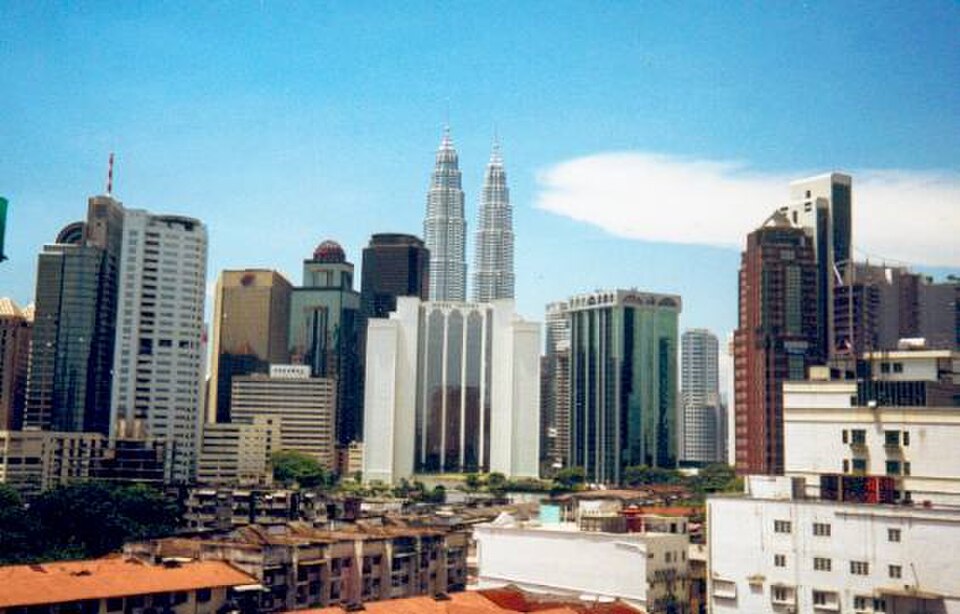
Kuala Lumpur is Malaysia's national capital and its principal urban centre, developed around the meeting of the Klang and Gombak rivers. The visitor city is pol...
Photograph · thomasgl · Public domain
Set your days, your pace and the hours you actually want to be out. The planner works around closing days and travel time, and leaves room to eat.
Reviewed by Elena Voss · Roavina Travel Editor
Kuala Lumpur is Malaysia's national capital and its principal urban centre, developed around the meeting of the Klang and Gombak rivers. The visitor city is polycentric: the colonial-era core around Merdeka Square, Chinatown and the river confluence sits west of the modern towers at KLCC, while Bukit Bintang forms the main shopping and evening district between them. Museums, markets, religious sites, parks and high-rise viewpoints are spread across these adjoining centres rather than enclosed in one old town.
Checked 2026-08-26
September · September in Kuala Lumpur has mean high 32.1°C, mean low 23.2°C, rainfall 192.8 mm, and 13 rain days. Frequent heavy rain can disrupt a day built around outdoor sights. Build in indoor stops for September in Kuala Lumpur rather than relying on an all-day outdoor route.
Ranked by importance — sitelinks, pageviews and heritage status, not editor preference.
95 places match
Category
Typical visit duration
Interests
Pioneers Of Kuala Lumpur Museum is a heritage museum devoted to the people who helped shape Kuala Lumpur.
The Historical Museum of Traditional Chinese Medicine in Malaysia presents the heritage of traditional Chinese medicine within Malaysia’s multicultural setting.
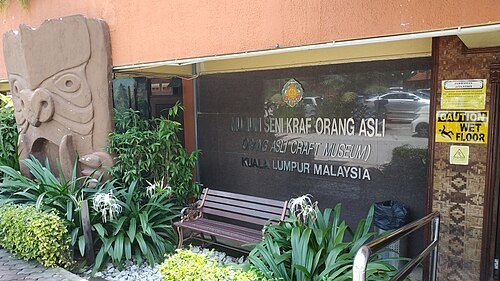
Muzium Seni Kraf Orang Asli
Muzium Seni Kraf Orang Asli is a museum in Kuala Lumpur dedicated to the indigenous crafts and artistic heritage of Malaysia's Orang Asli communities.
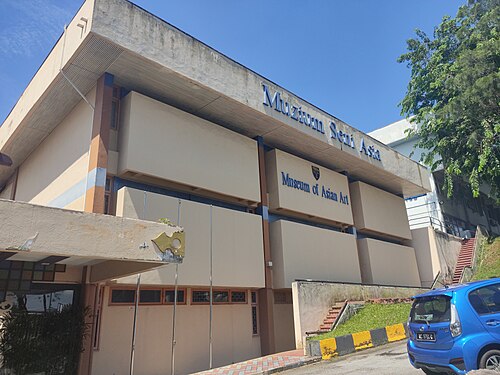
Muzium Seni Asia
Museum of Asian Art, also known locally as Muzium Seni Asia, is a Kuala Lumpur cultural institution devoted to Asian artistic heritage. It gives travelers an art-focused alternative to the city’s historical monuments, religious buildings, and modern attractions.
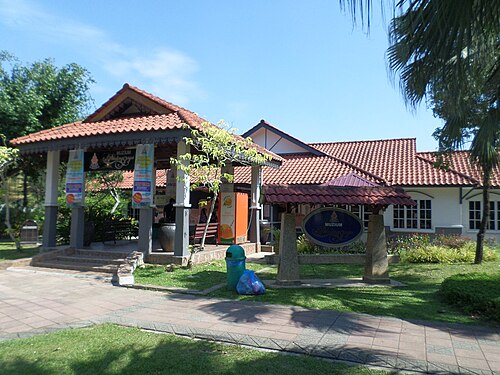
Muzium Petaling Jaya
Petaling Jaya Museum, known locally as Muzium Petaling Jaya, is a municipal museum located in Petaling Jaya, a major suburb within the greater Kuala Lumpur metropolitan area.
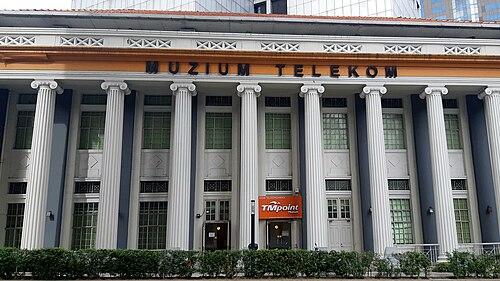
Muzium Telekom
Telekom Museum, or Muzium Telekom, explores the history of telecommunications in Malaysia. It occupies a distinctive colonial-era building in central Kuala Lumpur and links the city’s built heritage with the technologies that transformed everyday communication.
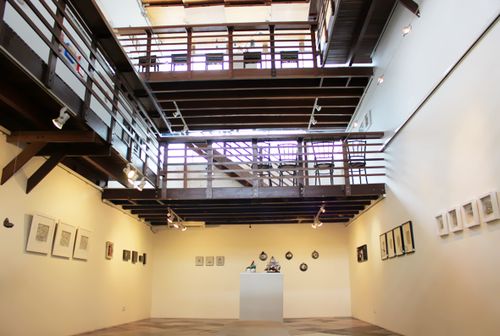
Wei-Ling Gallery is a commercial art gallery in Kuala Lumpur, Malaysia. It operates as a private exhibition space dedicated to contemporary art, showcasing works by Malaysian and regional artists.
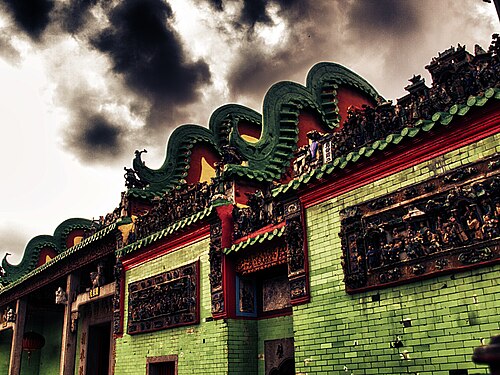
Chan See Shu Yuen Temple
Chan She Shu Yuen Temple is a Chinese clan temple in Kuala Lumpur, associated with the Chan family and broader Chinese community heritage. The structure represents traditional southern Chinese architectural influence in Malaysia's capital.
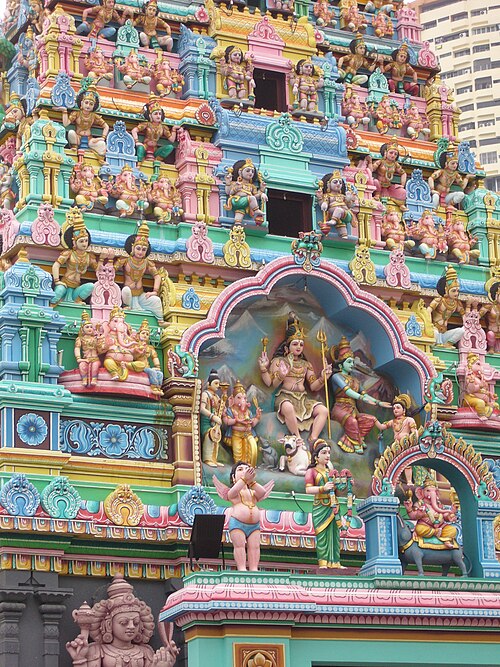
Sri Sithi Vinayagar Temple is an active Hindu place of worship in Kuala Lumpur dedicated to Lord Ganesha, also known as Vinayagar.
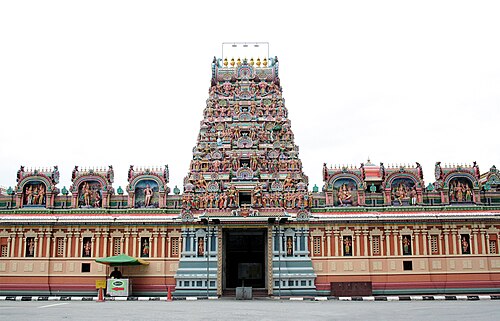
Sri Kandaswamy Kovil is an active Hindu temple in Kuala Lumpur dedicated to Lord Murugan, also known as Kandaswamy. It is a place of worship for the Hindu community and a cultural landmark connected with Tamil Hindu traditions in Malaysia.
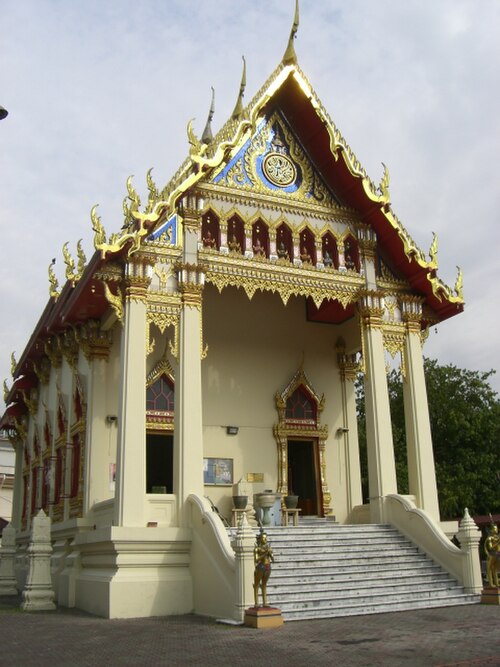
Thai Buddhist Chetawan Temple
Wat Chetawan, also known locally as Thai Buddhist Chetawan Temple, is a Thai Buddhist temple in Kuala Lumpur. It serves the Thai Buddhist community as a place of worship, meditation and community gathering.
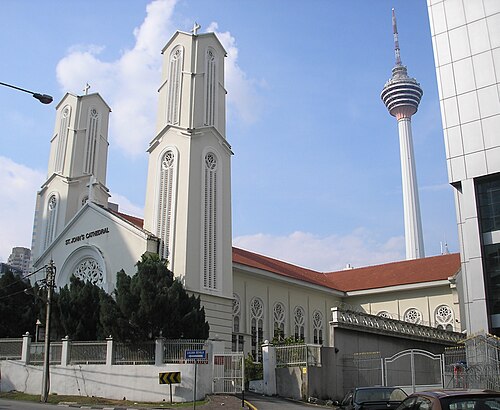
St. John’s Cathedral is a Roman Catholic cathedral in Kuala Lumpur and the seat of the Archbishop of Kuala Lumpur. It is an active place of worship serving the city’s Catholic community.
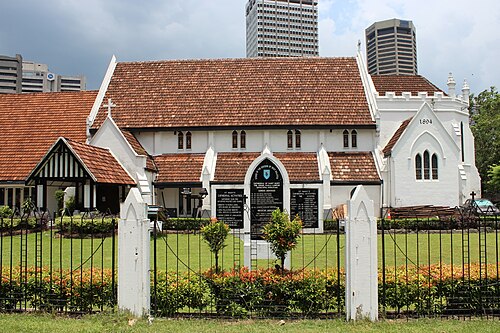
St Mary's Cathedral
St. Mary’s Cathedral is an Anglican cathedral in Kuala Lumpur and the cathedral church of the Diocese of West Malaysia.
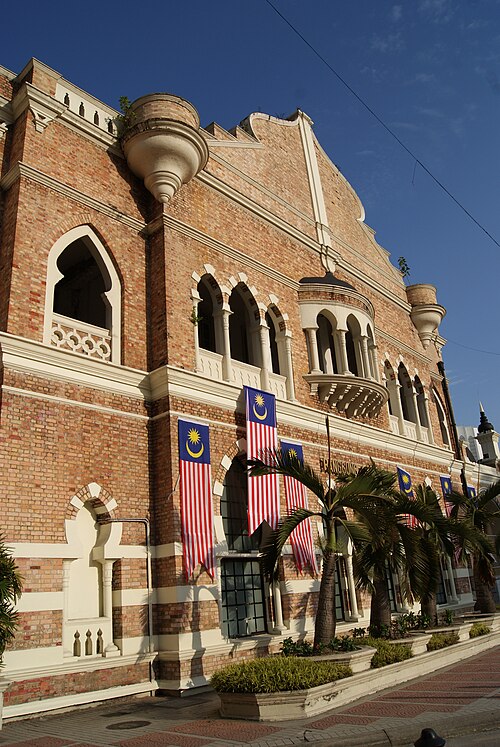
Panggung Bandaraya DBKL is a historic theatre in central Kuala Lumpur managed by Dewan Bandaraya Kuala Lumpur. The building belongs to the city’s civic and performing-arts landscape, close to the heritage setting around Dataran Merdeka.
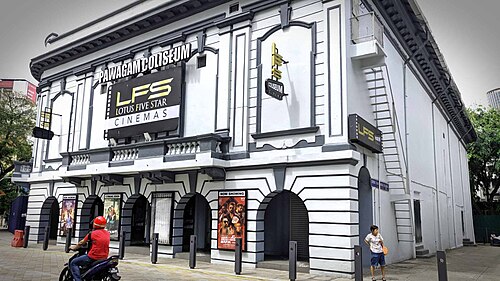
LFS Cinema @ Coliseum
The Coliseum Theatre is a historic cinema building in Kuala Lumpur, Malaysia. Originally established as a live performance venue and later converted to cinema use, it represents one of the city's enduring entertainment landmarks.
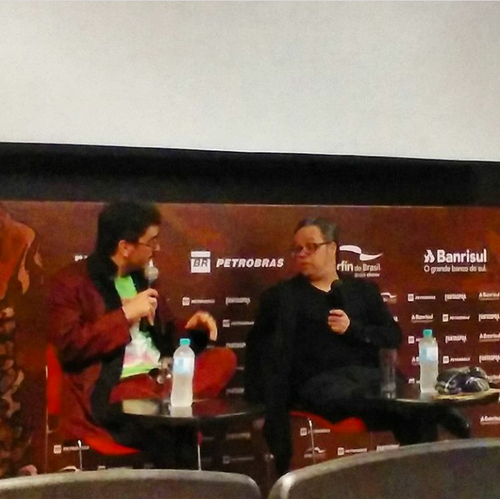
Federal Cinema
Federal Theatre, also known locally as Federal Cinema, is a historic entertainment venue in Kuala Lumpur. Its name connects the site with the city’s cinema and theatre culture, offering travellers a glimpse into the recreational history of Malaysia’s capital.
Taksu Gallery is an art gallery in Kuala Lumpur and a natural stop for travellers interested in the city’s creative scene. A gallery visit offers a quieter contrast to Kuala Lumpur’s malls, traffic and large public attractions.

Universiti Malaya Art Gallery is an exhibition space within the Universiti Malaya campus in Kuala Lumpur. Its setting connects visual art with the academic life of one of Malaysia’s oldest public universities, established in 1949.
Lim Lian Geok Memorial
Lim Lian-Geok is a memorial in Kuala Lumpur dedicated to Lim Lian Geok, a prominent Chinese educationist and advocate for Chinese-language education in Malaysia.
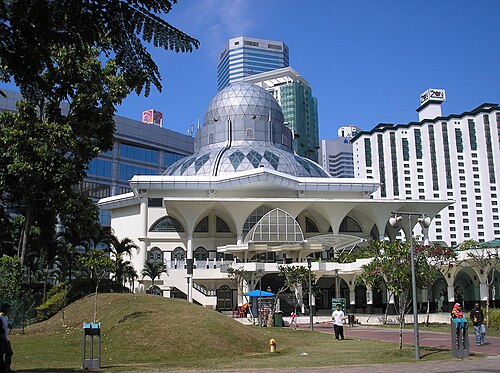
Masjid As Syakirin
As Syakirin Mosque, also known as Masjid As Syakirin, is an active Muslim place of worship in Kuala Lumpur. Its primary purpose is prayer and religious life rather than sightseeing.
Use three central clusters. Merdeka Square, the river confluence, Central Market and Chinatown form the historic western core. KLCC lies to the east around the Petronas Twin Towers, Suria KLCC, the convention centre and the park. Bukit Bintang sits southwest of KLCC and links major shopping streets, food areas and entertainment. The wider city continues into lake gardens, museum districts and residential suburbs, while Batu Caves and Putrajaya are separate excursions outside the compact central pattern. Plan routes around rail stations because major roads can interrupt apparently short walks.
Checked 2026-08-26
Rapid KL rail and bus services are the practical backbone for moving between the central clusters. The network joins LRT, MRT, monorail and bus routes, and the official journey planner reports current service information. Walk within Chinatown, the Merdeka area, KLCC or Bukit Bintang, but use rail between them when heat, rain or large road junctions make a direct walk uncomfortable. Airport rail and intercity services are separate products, so confirm the correct operator and ticket before departure rather than assuming an urban pass covers them.
Checked 2026-08-26
A fixed stay length is not recorded. Plan by clusters: the historic Merdeka and Chinatown area, KLCC, Bukit Bintang, then any museum, garden or out-of-centre excursion that matters to you.
The historic cluster is around Merdeka Square, the Klang-Gombak river confluence, Central Market and Chinatown. KLCC and Bukit Bintang are separate modern centres to the east and southeast.
Use Rapid KL rail between central districts and walk within each cluster. The official journey planner combines current rail and bus information and should be checked before travel.
The districts are connected through the city, but heat, rain and major roads can make the walk less practical than the map suggests. Rail is the reliable default between clusters.
No. Both are separate excursions outside the compact Merdeka, KLCC and Bukit Bintang pattern. Plan their transport independently rather than adding them to a central walking route.