Palacio de Bellas Artes
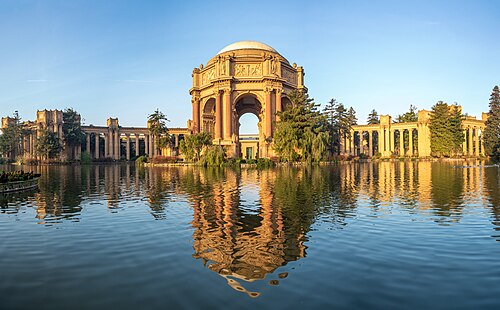
Palacio de Bellas Artes is Mexico City's national palace for visual and performing arts, completed in 1934 in the historic centre.
- Must see
- Art and culture venue
- Mexico City
Language · 11 published
Country guide
Mexico took 42.2 million international arrivals in 2022, sixth most of any country in the world, and a large share of them never left the Caribbean coast. That coast is a reasonable holiday and a very small fraction of 1,972,550 km2, thirteenth-largest on Earth, holding 32 states and more than 134 million people. Mexico City sits high in a valley in the middle of it, with colonial silver towns a few hours north and the Maya sites of the Yucatan two hours east by air. No country in the Americas has more World Heritage Sites.
Reviewed by Elena Voss · Roavina Travel Editor
Every city catalogued in this country so far, ranked by how much there is to see.
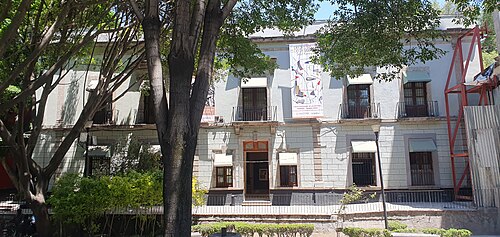
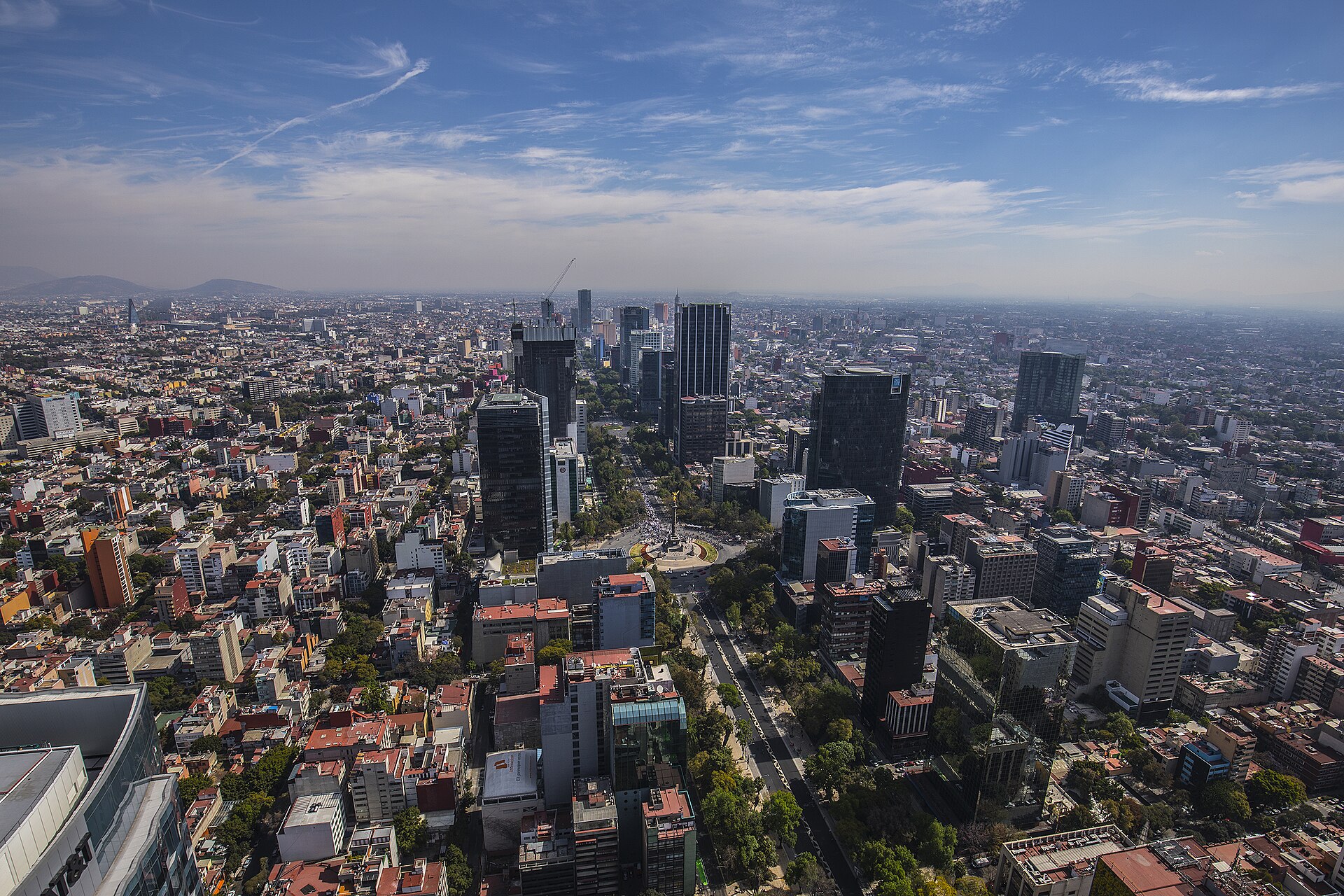
Photograph · Gobierno CDMX · CC0
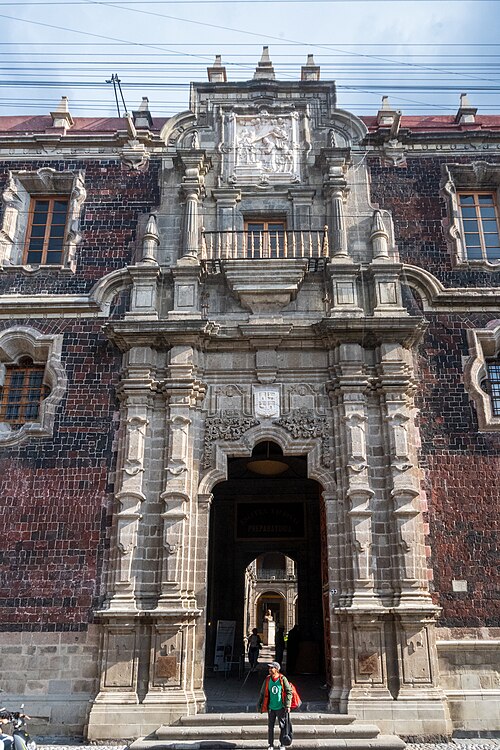
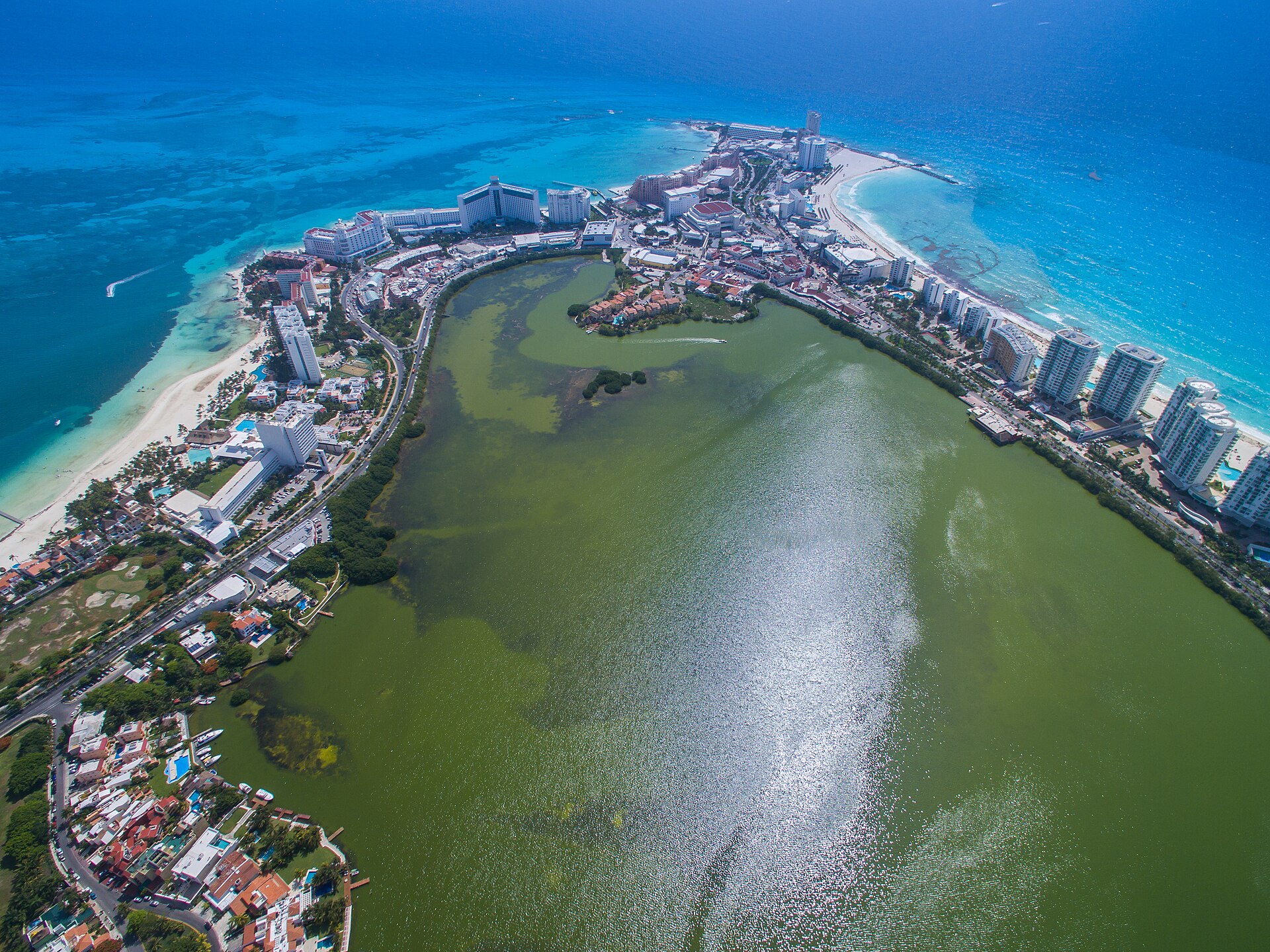
Photograph · dronepicr · CC BY 2.0
Ranked by importance — sitelinks, pageviews and heritage status, not editor preference.
47 places match
Category
Typical visit duration
Interests
Palacio de Bellas Artes is Mexico City's national palace for visual and performing arts, completed in 1934 in the historic centre.
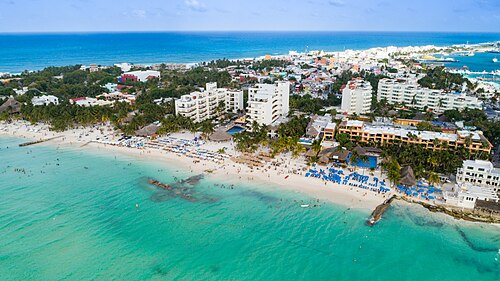
Isla Mujeres is an island destination in the Mexican Caribbean, located off the coast of the Yucatán Peninsula near Cancún. The name translates to Island of Women, derived from historical associations with the Mayan goddess Ixchel.
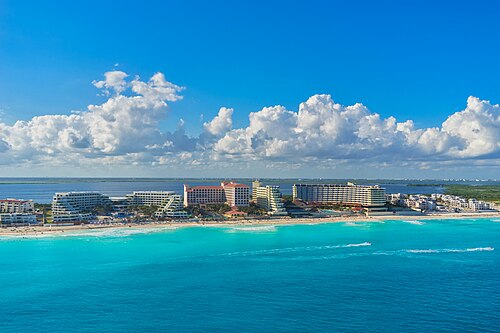
Zona Hotelera de Cancún
Zona Hotelera de Cancún is the principal tourist district of Cancún, Mexico, situated on a narrow barrier island shaped like the number seven. This 22.5-kilometer strip separates the Nichupté Lagoon from the Caribbean Sea.
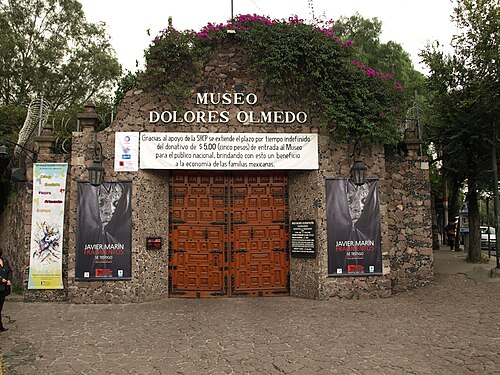
Museo Dolores Olmedo occupies a former hacienda in Xochimilco, in southern Mexico City. The museum grew from the collection of Dolores Olmedo, an important patron of Mexican art.
Isla Blanca is a coastal area north of Cancún proper, positioned on a narrow peninsula that separates the Caribbean Sea from Chacmuchuc Lagoon.
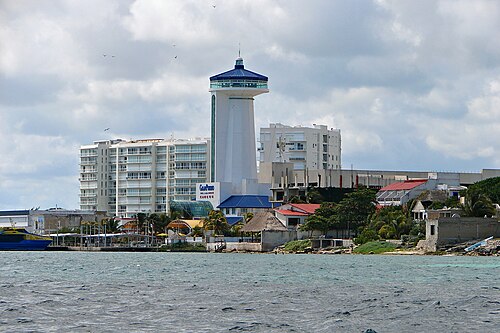
Puerto Juárez
Puerto Juárez is a working maritime zone and passenger ferry terminal on the northern edge of Cancún's Hotel Zone. It serves as the mainland departure point for services to Isla Mujeres, a nearby island destination.
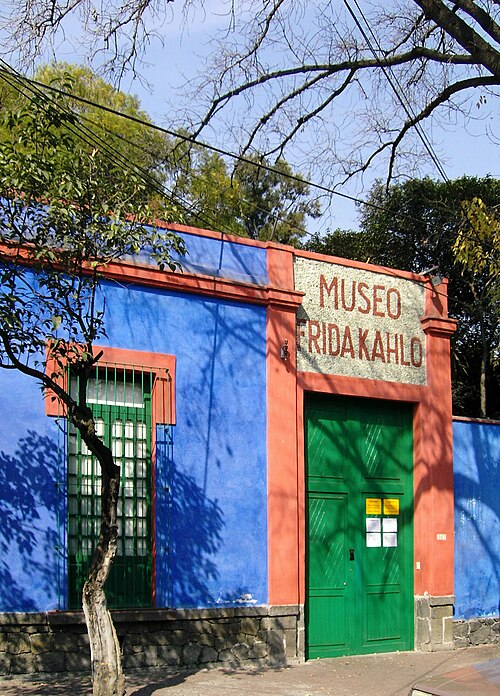
Museo "Frida Kahlo"
The Frida Kahlo Museum, known locally as Museo Frida Kahlo and nicknamed Casa Azul for its distinctive cobalt walls, is the former family home and studio of Mexican artist Frida Kahlo.
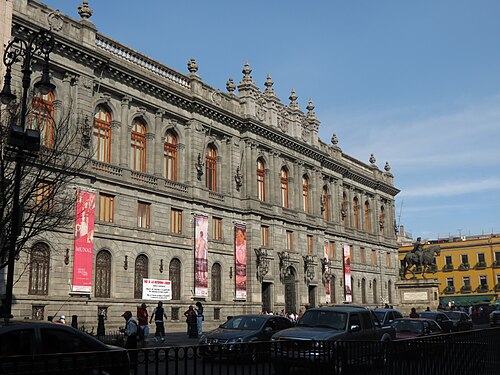
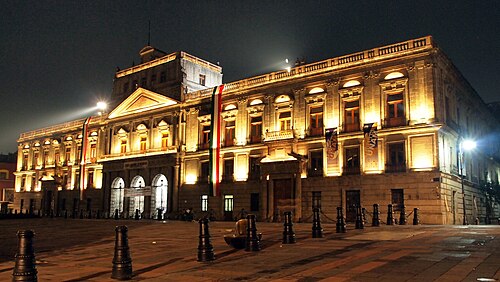
Museo Nacional de Arte
The Museo Nacional de Arte, usually called MUNAL, is Mexico City's national museum of Mexican art. It occupies a grand historic building in the Centro Histórico, formerly associated with the Secretariat of Communications and Public Works.
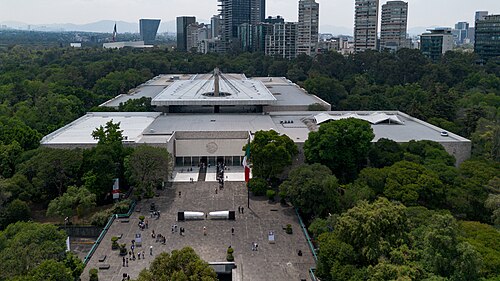
Museo Nacional de Antropología
The Museo Nacional de Antropología is Mexico's principal museum dedicated to archaeology and anthropology. It houses the country's definitive pre-Hispanic collections and stands as one of the most significant institutions of its kind in the Americas.
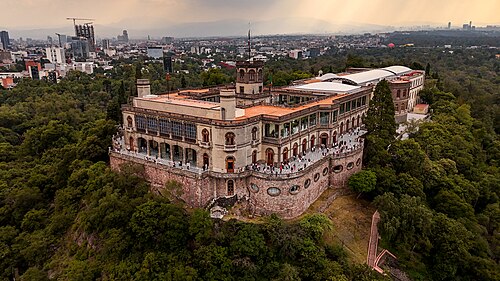
Museo Nacional de Historia Castillo de Chapultepec
Chapultepec Castle is the former imperial and presidential residence situated atop Chapultepec Hill in Mexico City. It is Mexico's singular castle visit and functions as a national-history museum.
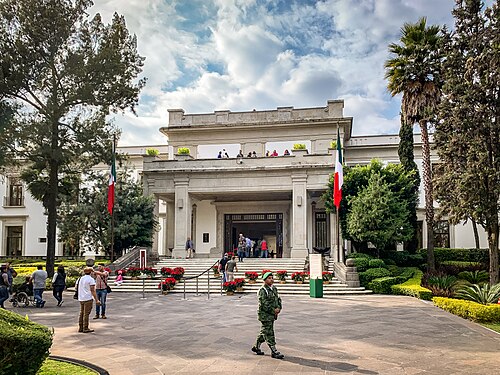
Los Pinos Cultural Complex, known locally as Complejo Cultural Los Pinos, is a public cultural institution in Mexico City's Chapultepec area.
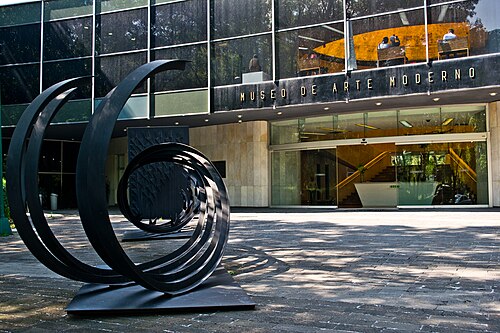
Museo de Arte Moderno
The Museum of Modern Art, or Museo de Arte Moderno, is a major cultural stop inside Chapultepec Park. Its purpose-built modernist building opened in 1964 and was designed by Pedro Ramírez Vázquez and Rafael Mijares Alcérreca.
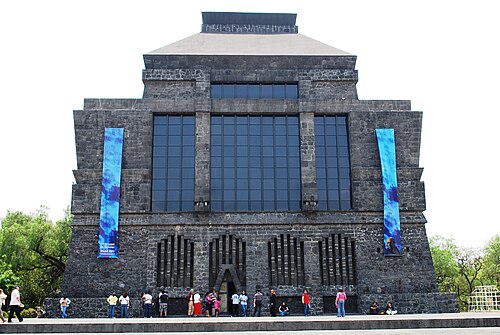
Museo Diego Rivera Anahuacalli
The Diego Rivera Anahuacalli Museum is a volcanic-stone building in Mexico City designed by the renowned Mexican muralist Diego Rivera to house his extensive pre-Hispanic art collection.
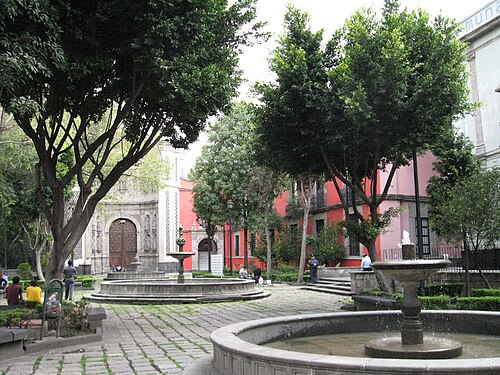
Museo Franz Mayer
The Franz Mayer Museum is a cultural institution housed in a former hospital building in Mexico City. It bears the name of Franz Mayer, a German-born financier and collector who assembled significant holdings of decorative arts.
Museo de la Ciudad de México
Mexico City Museum, or Museo de la Ciudad de México, occupies a former palace in the capital’s historic center.
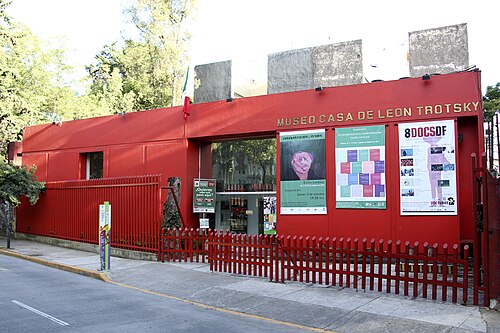
Museo Casa de León Trotsky
Leon Trotsky House Museum preserves the Coyoacán home where the Russian revolutionary lived during exile from 1939 until his assassination in 1940. The house, garden, and defensive modifications create an unusually direct encounter with twentieth-century political history.
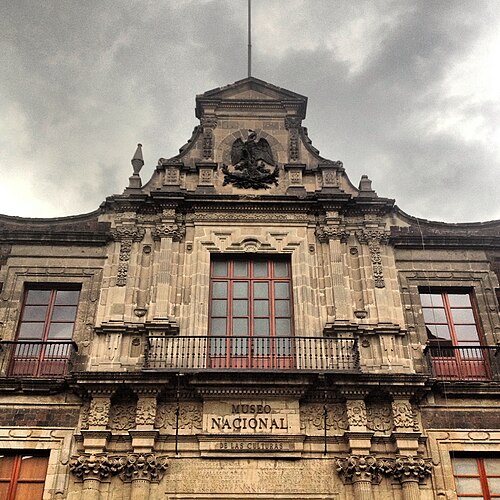
Museo Nacional de las Culturas
Museo Nacional de las Culturas del Mundo occupies a historic-centre position and is Mexico’s principal museum collection devoted to cultures beyond Mexico.
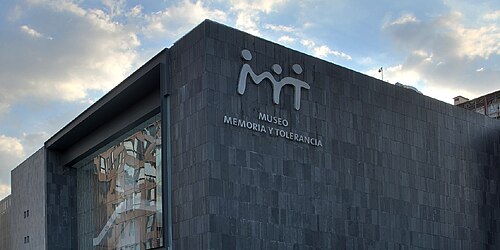
Museo Memoria y Tolerancia
The Memory and Tolerance Museum is an internationally focused institution in Mexico City dedicated to examining genocide, human rights, and civic tolerance. Located beside Alameda Central, the museum occupies a prominent position in the historic center.
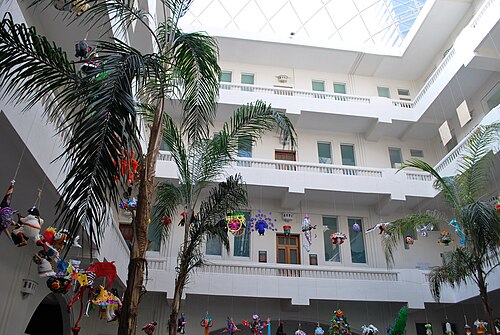
Museo de Arte Popular
The Museum of Popular Art, known locally as Museo de Arte Popular, is a cultural institution in Mexico City dedicated to Mexican folk art and craft traditions.
Palacio de Minería is a neoclassical building in Mexico City’s historic centre. It was constructed as an engineering school and remains one of the area’s notable civic interiors.
The Museo Nacional de la Estampa, or National Museum of Prints, is Mexico’s national museum devoted to printmaking and graphic art.
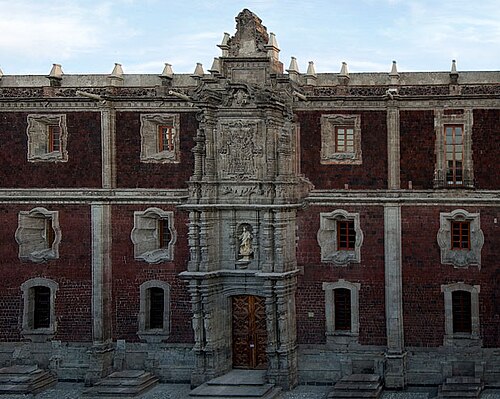
Antiguo Colegio de San Ildefonso
The Antiguo Colegio de San Ildefonso is a former Jesuit college in Mexico City. Founded in the sixteenth century, it became one of the most important educational institutions in colonial New Spain.
Museo Rufino Tamayo
Museo Tamayo Arte Contemporáneo is a contemporary art museum in Mexico City dedicated to the work of Rufino Tamayo, one of Mexico's most significant 20th-century artists.
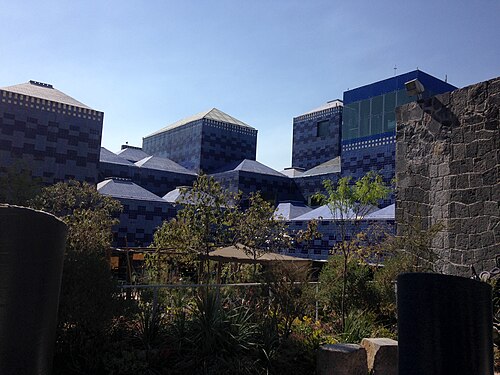
Museo Jumex
Museo Jumex is a private contemporary-art museum in Polanco, Mexico City. Established by the Colección Jumex, one of Latin America's most significant collections of contemporary art, the museum occupies a distinctive building designed by British architect David Chipperfield.
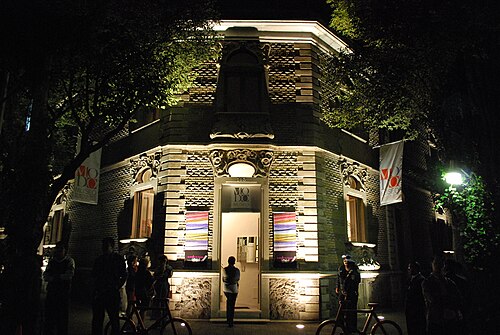
MODO - Museo del Objeto del Objeto
Museo del Objeto del Objeto, known as MODO, is a museum in Mexico City’s Roma neighbourhood. It interprets visual culture through Mexican design, advertising and everyday objects.
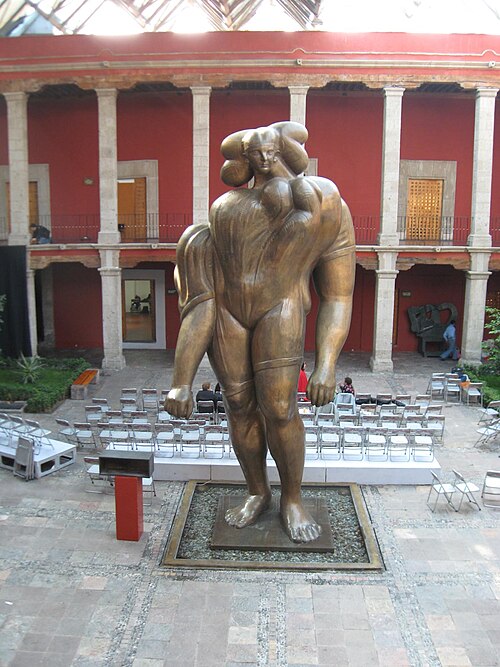
Museo José Luis Cuevas
The Museo José Luis Cuevas is an art museum located in Mexico City near the Zócalo. It occupies a former convent building, giving it historical architectural significance alongside its cultural purpose.
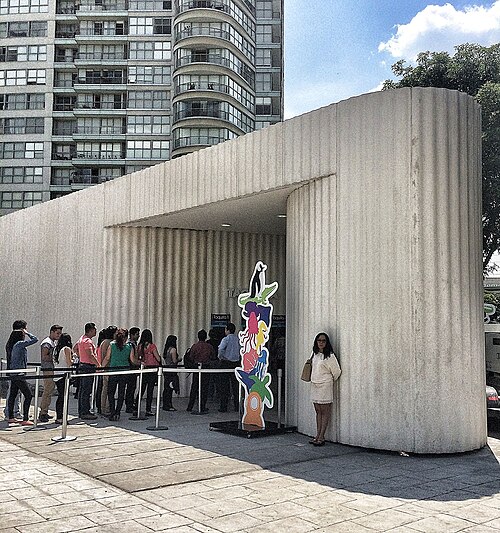
Museo de la Luz
The Museo de la Luz is a science museum operated by the National Autonomous University of Mexico (UNAM). Located in Mexico City's historic centre, it occupies a building near the Metropolitan Cathedral.
Papalote•Museo del Niño
Papalote Museo del Niño is a hands-on children's museum located in Mexico City. It stands as one of the city's leading family-oriented institutions, positioned near the Chapultepec area.
Six Flags Mexico
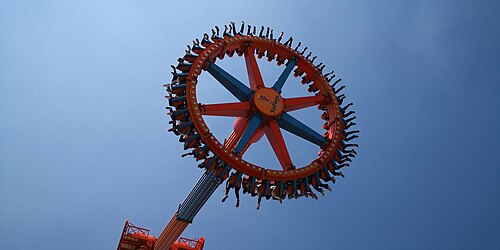
Six Flags México is a major amusement park in the Tlalpan borough of Mexico City. It is designed around a full day of rides, entertainment, food, and family recreation rather than a short museum-style visit.
Zoológico de Chapultepec
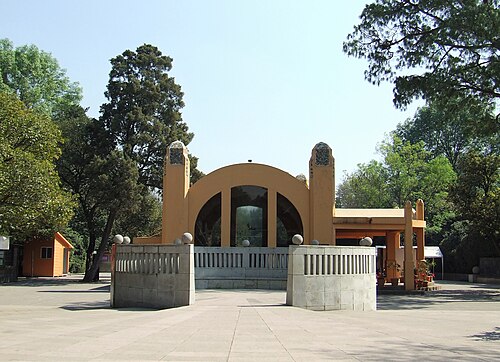
Chapultepec Zoo, or Zoológico de Chapultepec, is a large public zoo in the first section of Chapultepec Park in Mexico City.
Museo Estanquillo
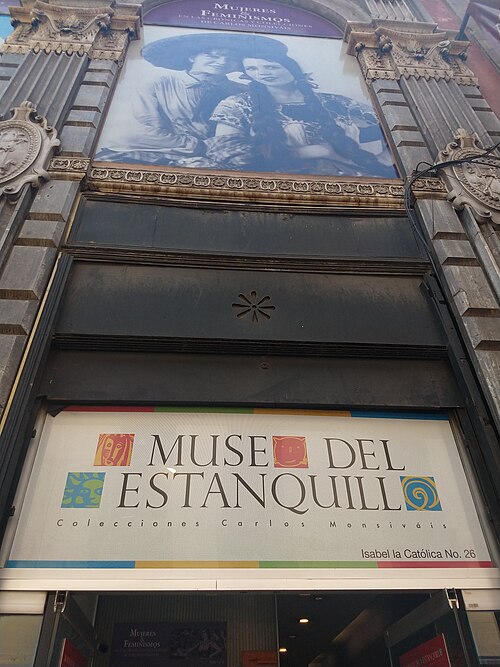
Museo del Estanquillo is a museum in Mexico City housing the personal collection of Carlos Monsiváis, the celebrated Mexican writer and chronicler.
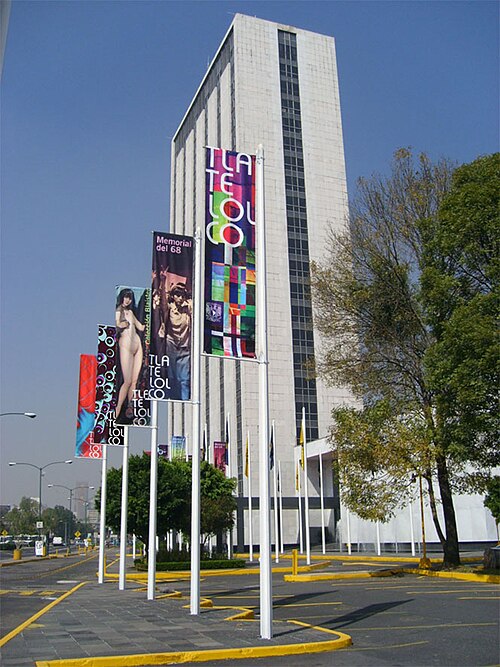
Centro Cultural Universitario Tlatelolco is a cultural complex operated by the National Autonomous University of Mexico (UNAM). It occupies a significant site in the Tlatelolco area of Mexico City, near the historic Plaza de las Tres Culturas.
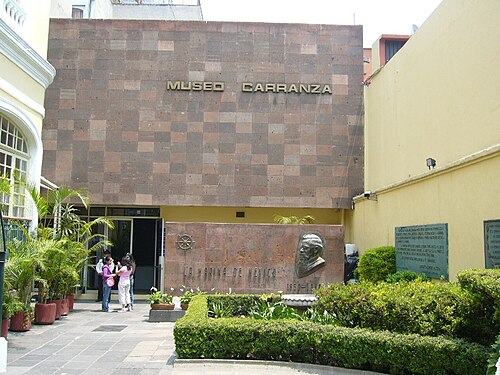
Casa de Carranza
The Museo Casa de Carranza is a historic house museum in Mexico City dedicated to Venustiano Carranza, a constitutionalist president and key figure in Mexico's revolutionary era.
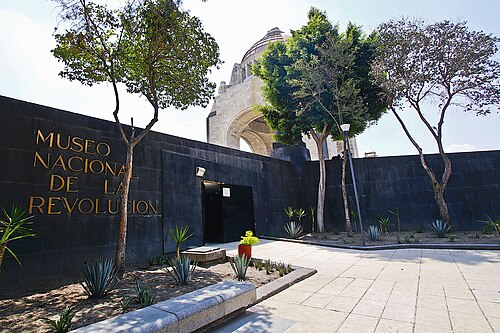
The National Museum of the Revolution occupies the Monument to the Revolution, a landmark structure in Mexico City. The monument itself was originally intended as a legislative palace during the Porfiriato but was repurposed after the revolutionary upheaval.
Acuario Inbursa is a large aquarium in Mexico City’s Polanco district. It adds a family-oriented marine attraction to an area known for museums and cultural institutions, creating an easy contrast between underwater displays and the district’s art and history.
COCO BONGO CANCUN
Coco Bongo Cancún is a nightlife venue in Cancún, Mexico. It operates as a combination of nightclub and live entertainment space, featuring performances that blend music, acrobatics, and theatrical elements.
Museo Mural Diego Rivera
Museo Mural Diego Rivera is a Mexico City museum built around Diego Rivera’s monumental painting Dream of a Sunday Afternoon in the Alameda Central.
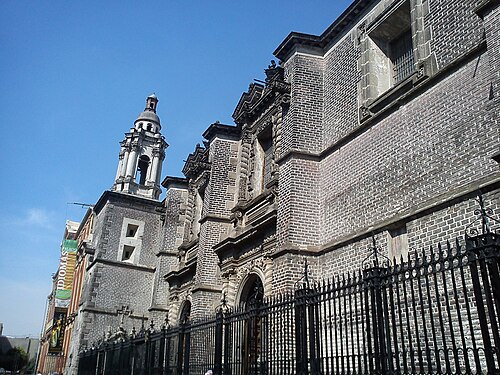
Ex Teresa Arte Actual is a contemporary performance and experimental art venue housed in a former convent in Mexico City's historic centre. The building's colonial-era religious architecture provides a striking contrast to its current cutting-edge cultural programming.
Interactive Aquarium Cancun, known locally as Acuario Interactivo Cancún, is a visitor attraction in Cancún, Mexico. The facility offers marine life encounters and educational experiences for tourists.
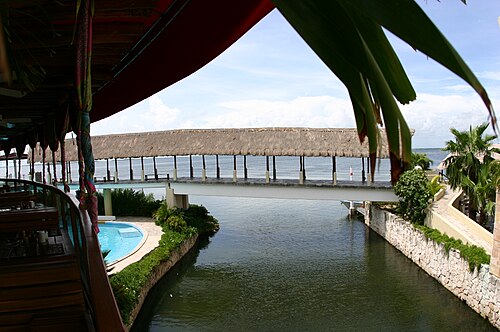
The Museum of Natural History and Environmental Culture is a natural-history museum in Chapultepec Park, Mexico City. Its subject is the natural world and environmental culture, making it a different experience from the nearby National Museum of Anthropology.
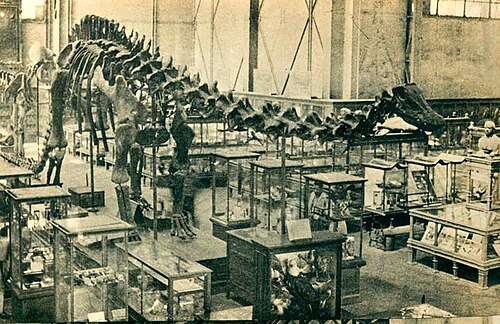
Museo del Caracol is a history museum in Mexico City’s Chapultepec complex. Its formal name is Museo Nacional de Historia, Museo del Caracol, while the popular name refers to the building’s distinctive spiral form.
The Museum of Antique Toys Mexico, known locally as Museo del Juguete Antiguo México or MUJAM, is a distinctive private museum in Mexico City dedicated to popular culture and folk art through the lens of vintage toys.
Museo Kaluz is a Mexico City museum devoted to Mexican art. It occupies a restored former hospice facing Alameda Central, placing a private cultural collection directly within the historic centre.
Museo Maya de Cancún is an INAH archaeology museum on Boulevard Kukulcán in Cancún's Hotel Zone.
Museo Soumaya is a private art museum in Mexico City's Polanco district. The building features a distinctive reflective exterior that has become an architectural landmark in the city.
Ventura Park is an amusement park in the Cancún area of Mexico’s Yucatán Peninsula. The venue combines water-based recreation with dry amusement attractions, giving visitors a leisure option beyond Cancún’s beaches, resorts, and archaeological excursions.
Xoximilco Cancún is a themed floating-fiesta park operated by Grupo Xcaret near Cancún, Mexico. It recreates the atmosphere of Xochimilco, the historic canal district of Mexico City famous for trajinera boats, music, and communal celebration.
Source: OpenStreetMap contributors, Wikidata ·
Ten to fourteen days should focus on one Mexican region, such as the central highlands, Yucatán or a Pacific corridor. Domestic distances are too large for a first trip that treats Mexico City, Cancún and several coasts as nearby stops.
Mexico’s Instituto Nacional de Migración provides the official entry process and forms. Admission conditions depend on passport, purpose and route, so use its current service rather than an airline summary or an old exemption list.
Mexico City and Cancún are major international gateways, with domestic flights and intercity buses linking regional centres. Urban transport is city-specific, and road legs should be planned against current official route guidance.
November to April is a useful broad window for many central and coastal routes. Hurricane exposure, altitude and regional rainy seasons differ sharply, so the selected coast or highland region should control timing.
The Mexican peso (MXN) is the recorded currency. ATM fees, card acceptance and conversion terms are Not recorded in this guide; read the amount in pesos before approving a transaction.
Mexico uses 911 for emergencies and Type A or B plugs at 127 V. Tap-water guidance is Not recorded nationally in the cited source and should be checked at the destination.