
01
1 hr 30 min
Stedelijk Museum Amsterdam
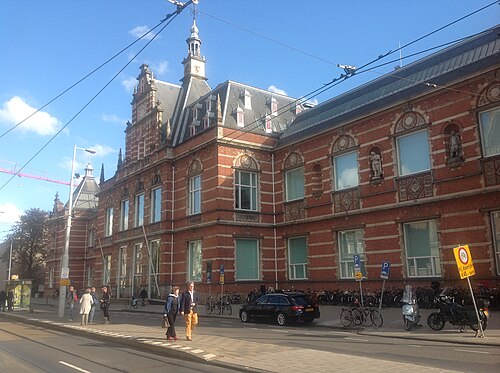
Stedelijk Museum Amsterdam is the city's museum for modern and contemporary art and design, located at Museumplein.
- Must see
- Museum
Language · 11 published
City guide · Netherlands
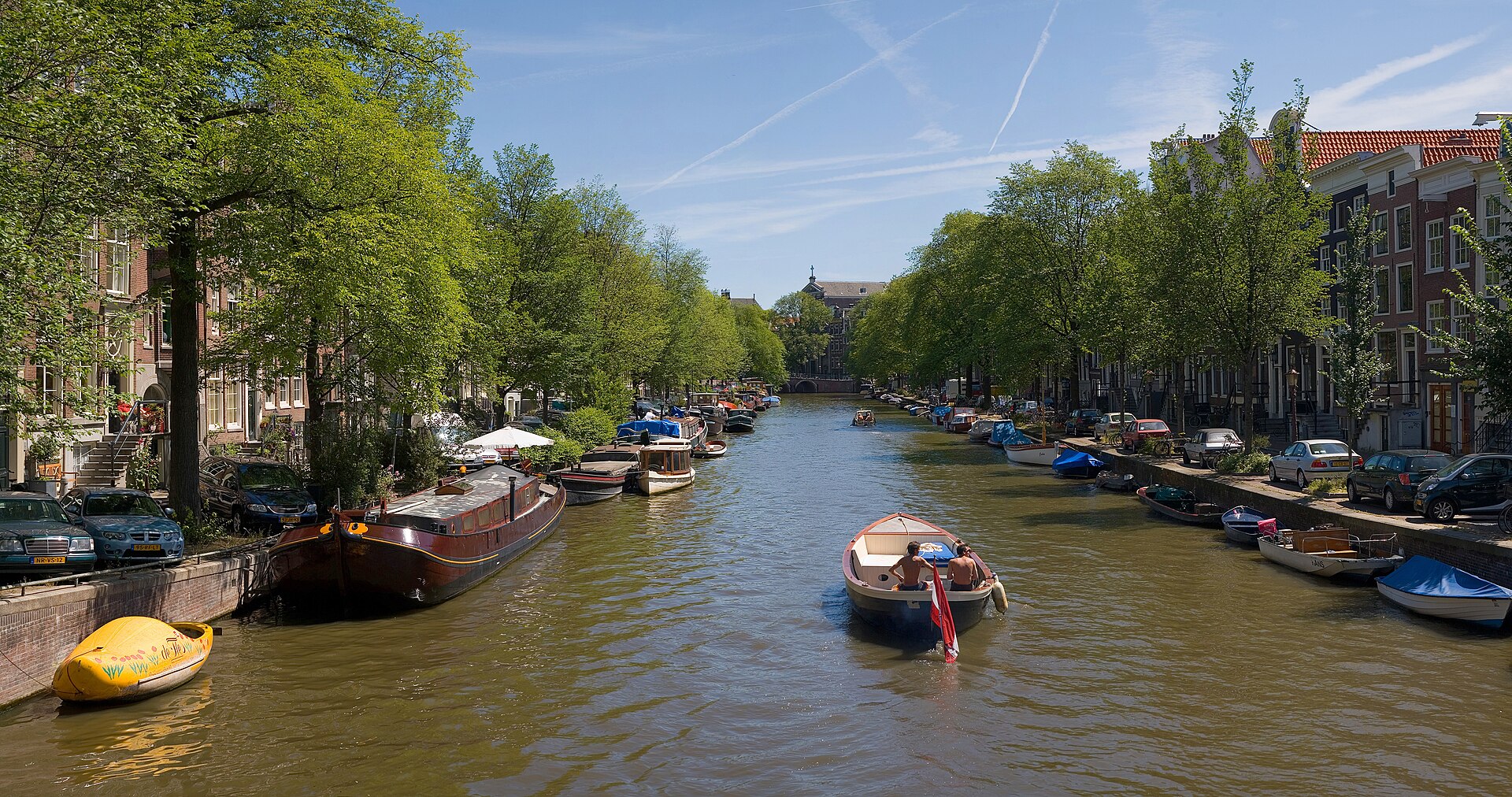
Amsterdam is the constitutional capital of the Netherlands, organised around a historic centre of canals, bridges and narrow streets. The seventeenth-century canal ring shapes the central visitor experience, while major museums cluster south around Museumplein and ferries connect Centraal Station with Amsterdam Noord. The city is compact but not confined to the old centre: Jordaan, De Pijp, Plantage, Westerpark, Oost and the redeveloped northern waterfront each work as distinct neighbourhood visits.
Reviewed by Elena Voss · Roavina Travel Editor
Set your days, your pace and the hours you actually want to be out. The planner works around closing days and travel time, and leaves room to eat.
Ranked by importance — sitelinks, pageviews and heritage status, not editor preference.
34 places match
Category
Typical visit duration
Interests
Stedelijk Museum Amsterdam is the city's museum for modern and contemporary art and design, located at Museumplein.
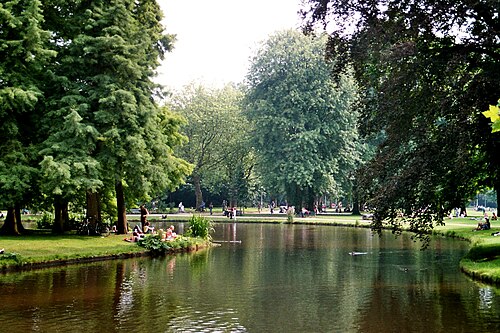
Vondelpark is Amsterdam's best known city park, a long ribbon of lawn, water and curving path that runs from the Stadhouderskade beside the Leidseplein west to the Amstelveenseweg.
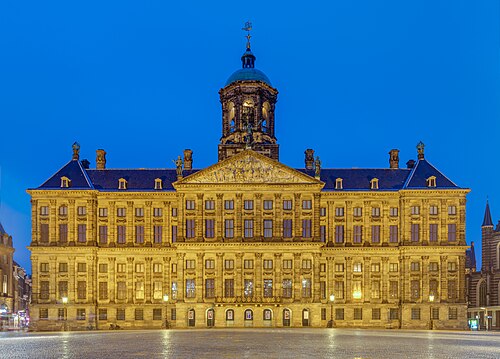
Koninklijk Paleis
The Royal Palace Amsterdam stands on the west side of Dam Square, opposite the National Monument and beside the Nieuwe Kerk. It was not built as a palace.
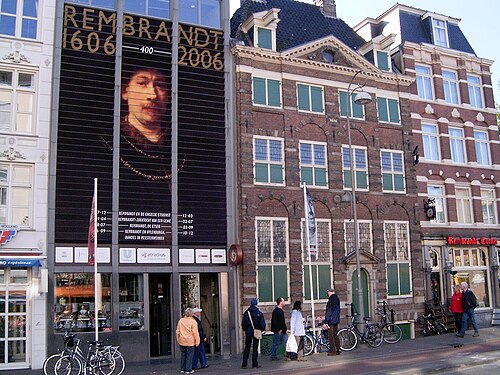
Rembrandthuis
Museum Het Rembrandthuis is the house on Jodenbreestraat that Rembrandt van Rijn bought on 5 January 1639 for thirteen thousand guilders and lived in until his bankruptcy forced its auction in 1658, when it fetched eleven thousand.
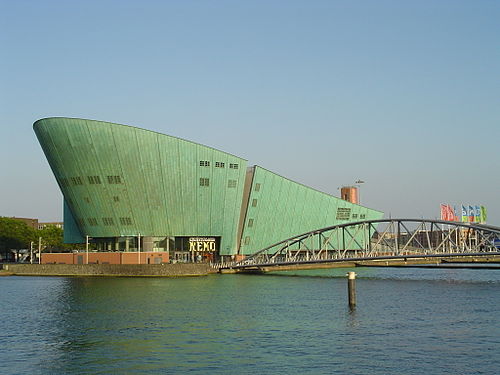
Nemo
NEMO Science Center is a science museum located in Amsterdam, Netherlands. It is housed in a distinctive green copper-clad building designed by Renzo Piano, which resembles a ship rising from the water.
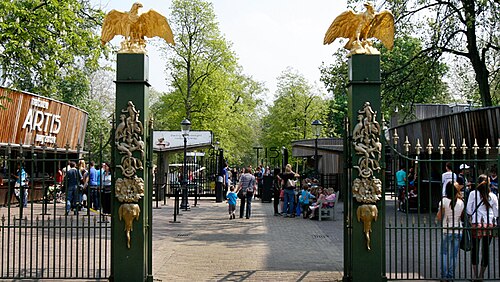
Artis
Natura Artis Magistra, known locally as Artis, is a zoo located in Amsterdam. The full Latin name translates roughly to Nature is the Teacher of Art.
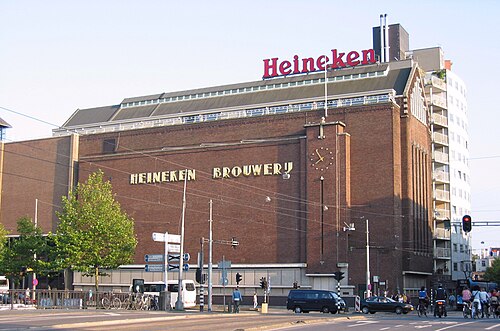
The Heineken Experience is a visitor attraction located in Amsterdam, housed in a former Heineken brewery. The building served as the company's primary brewing facility from 1867 until 1988, when production moved to larger premises outside the city center.
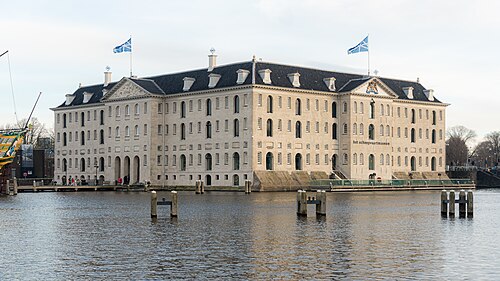
Het Scheepvaartmuseum
Het Scheepvaartmuseum is the National Maritime Museum of the Netherlands, housed in a former naval arsenal built in 1656. The monumental building stands on the waterfront near Amsterdam's city center, serving as a major institution dedicated to Dutch maritime history.
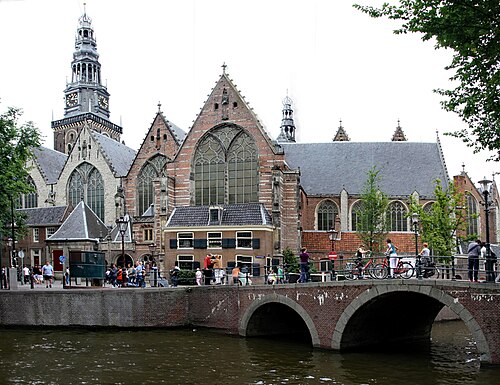
The Oude Kerk is the oldest building in Amsterdam and, since 2012, a museum of contemporary art that happens to be a medieval parish church.

Nationaal Holocaustmuseum
The National Holocaust Museum in Amsterdam occupies a former nursery and teacher training college that served as a clandestine escape route for Jewish children during the German occupation of the Netherlands.
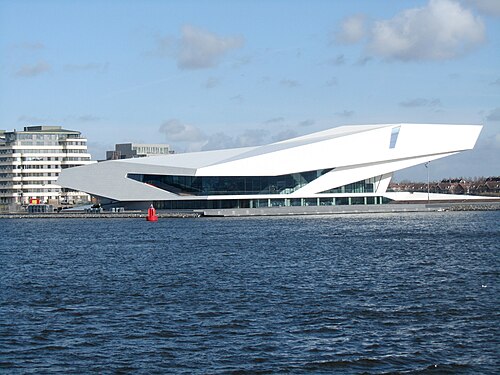
Eye Filmmuseum is a museum dedicated to film culture situated on the northern bank of the IJ river in Amsterdam. The building occupies a prominent position opposite Amsterdam Central Station, accessible by ferry.
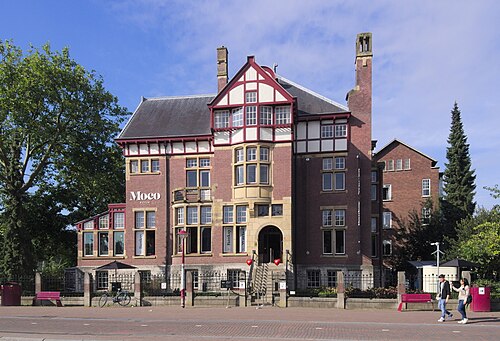
Moco Museum is a private contemporary art museum in Amsterdam. The institution occupies a historic townhouse near Museumplein in the city's Museum Quarter. It positions itself as a boutique museum experience focused on modern and contemporary art movements.

STRAAT
STRAAT is a museum in Amsterdam Noord dedicated to street art and graffiti. Housed in a former NDSM shipyard warehouse, it occupies a substantial industrial space on the north bank of the IJ river.
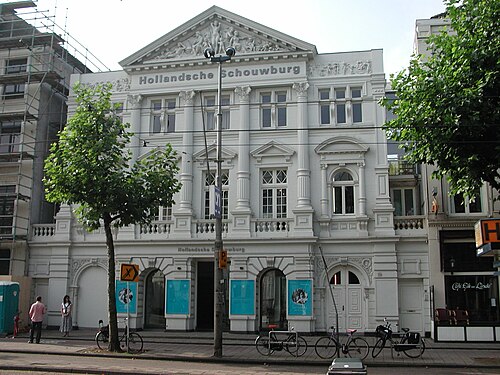
Hollandsche Schouwburg is a former theatre in Amsterdam’s Plantage district and now a place of Holocaust remembrance. Opened as a theatre in 1892, the building was later used during the German occupation as a deportation centre for Jewish people.
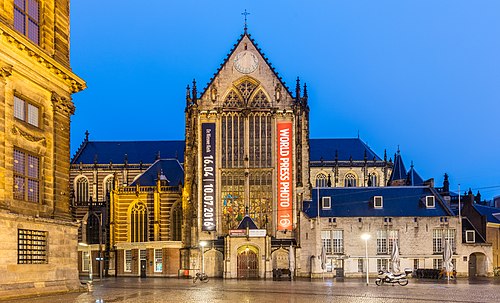
De Nieuwe Kerk stands on the west side of Dam Square, wall to wall with the Royal Palace, and it is no longer a working parish church.
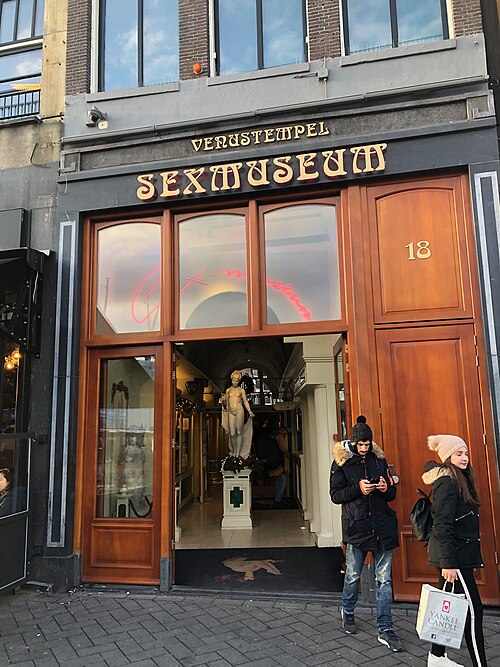
Venustempel Sexmuseum
Sexmuseum Amsterdam is a compact, multi-floor museum in Amsterdam’s historic centre near Dam Square, focused specifically on the history and cultural representation of human sexuality.
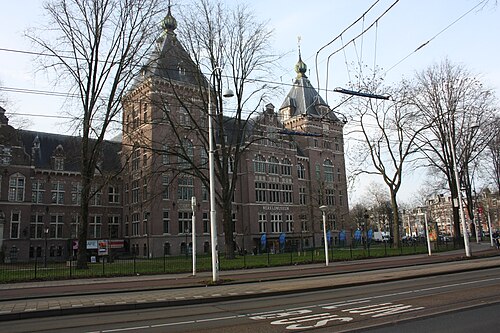
Wereldmuseum Amsterdam is a museum in Amsterdam dedicated to world cultures and ethnographic collections. The institution presents artifacts and narratives from diverse global traditions, positioned within the Netherlands' historical context of colonial engagement and maritime trade.
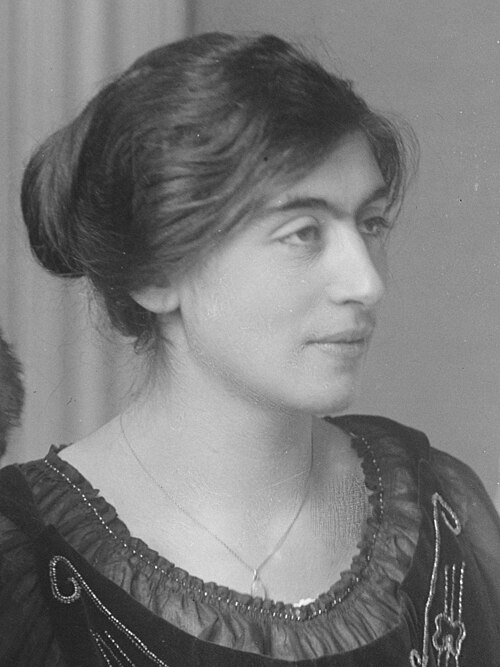
Joods Museum
Amsterdam’s Jewish Museum is a cultural institution devoted to Jewish history, religion and culture in the Netherlands. Its setting in the city’s historic Jewish quarter gives the museum a direct relationship with the streets and community it interprets.
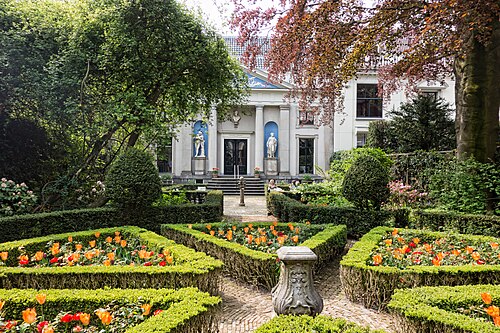
Museum Van Loon is a historic canal-house museum on Amsterdam’s Keizersgracht, where the building itself forms the central experience.

H'ART Museum
H'Art Museum is an art institution on Amsterdam’s Amstel riverfront, where the character of the visit is tied to both the galleries and the historic waterway setting.
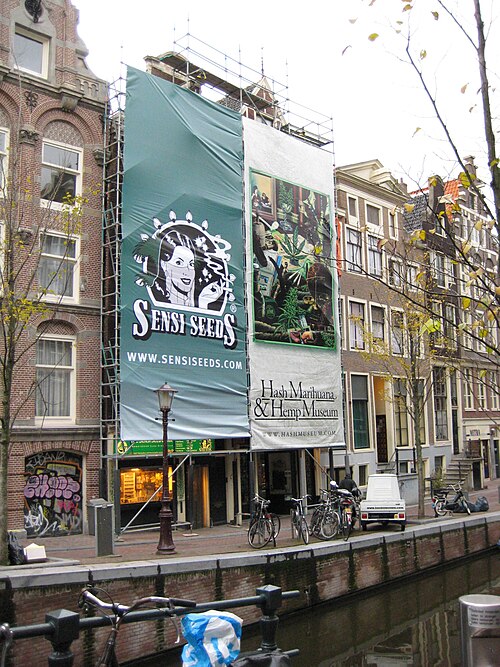
Hash Marihuana & Hemp Museum
The Hash Marihuana & Hemp Museum in Amsterdam is a museum dedicated to cannabis culture and the history of hemp. It explores the plant's multifaceted uses across medicine, industry, and recreation.
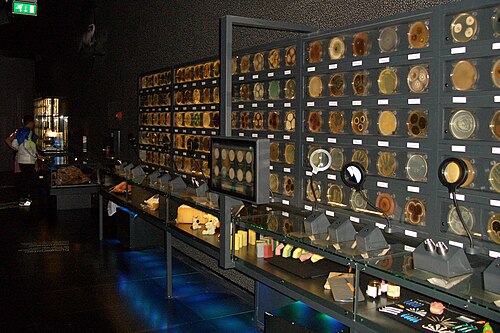
Micropia is Amsterdam’s museum devoted to microbial life, in the Plantage district beside Artis Zoo. Its subject is the living world of bacteria, fungi, and other microorganisms that normally remains beyond unaided sight.
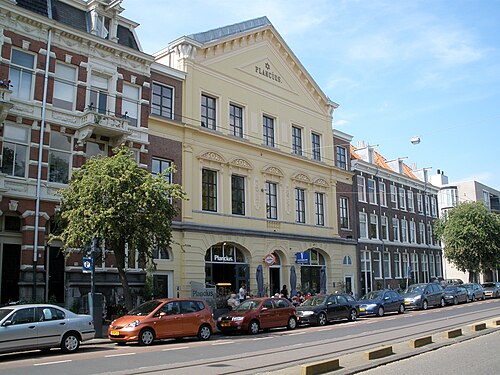
Verzetsmuseum
The Dutch Resistance Museum, known locally as Verzetsmuseum, documents the history of Dutch resistance during the German occupation of the Netherlands in World War II.
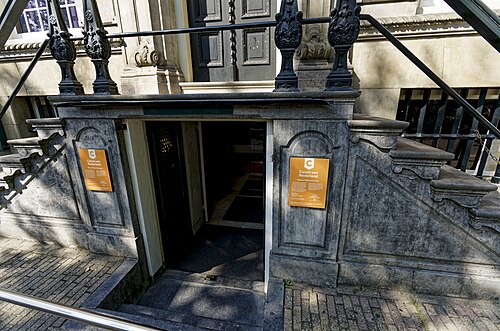
Willet-Holthuysen
Museum Willet-Holthuysen is a preserved canal-house residence at Herengracht 605, where visitors enter the world of Amsterdam’s nineteenth-century wealthy urban households.
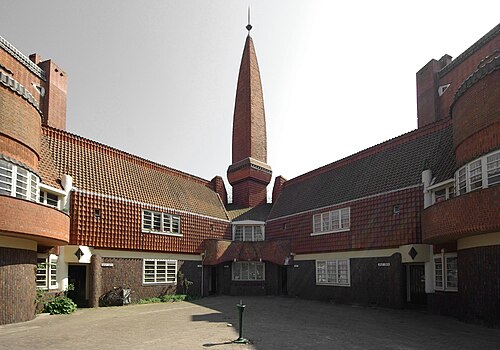
Museum Het Schip
Het Schip is a social-housing complex in Amsterdam’s Spaarndammerbuurt, designed by Michel de Klerk and completed in 1921.
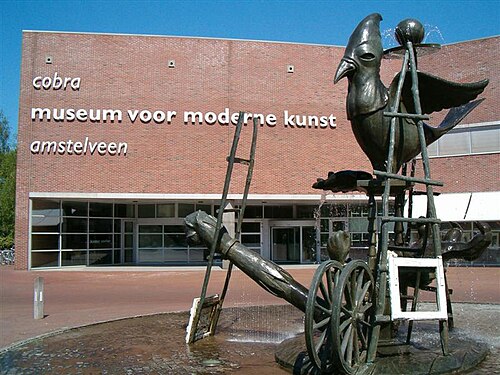
Cobra Museum is a specialist art museum in Amstelveen, the municipality bordering Amsterdam. Its subject is the Cobra movement, an international post-war group whose name joins Copenhagen, Brussels and Amsterdam.

Madame Tussauds Amsterdam is a wax museum located in the city centre of Amsterdam, Netherlands. It is part of the global Madame Tussauds franchise known for displaying lifelike wax figures of celebrities, historical figures, and cultural icons.
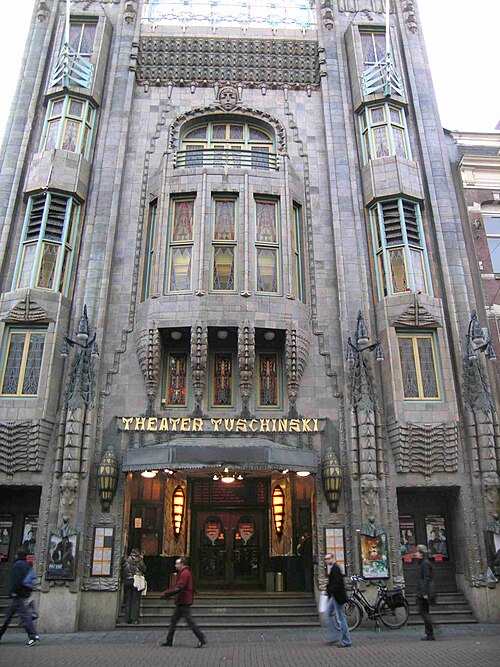
Pathé
Tuschinski Theatre is a historic Amsterdam cinema that continues to operate as a Pathé venue. Built as a luxurious film theatre in the early twentieth century, it remains both an entertainment destination and an architectural landmark.
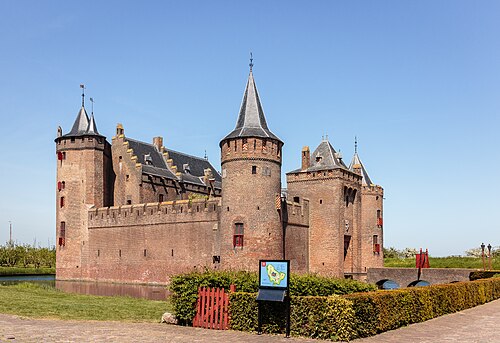
Muiderslot is a medieval castle located near Amsterdam in the town of Muiden, southeast of the city centre. The structure dates to approximately 1285 and represents one of the Netherlands' best-preserved historic castles.
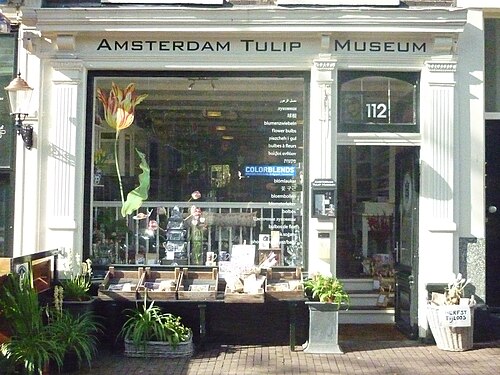
The Amsterdam Tulip Museum is a specialist museum in Amsterdam’s Jordaan district devoted to the tulip’s historical and cultural importance in the Netherlands. Its distinctive subject is the relationship between a flower, horticulture, trade and national imagery.
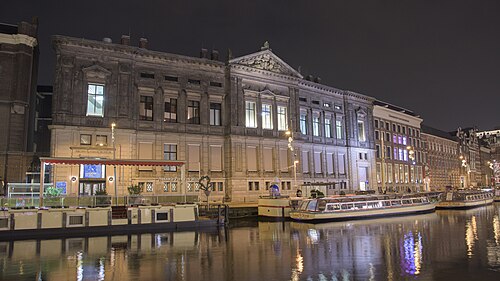
The Allard Pierson Museum is the archaeological museum of the University of Amsterdam. It houses collections of antiquities from ancient Egypt, the Near East, the Greek world, Etruria, and the Roman Empire.
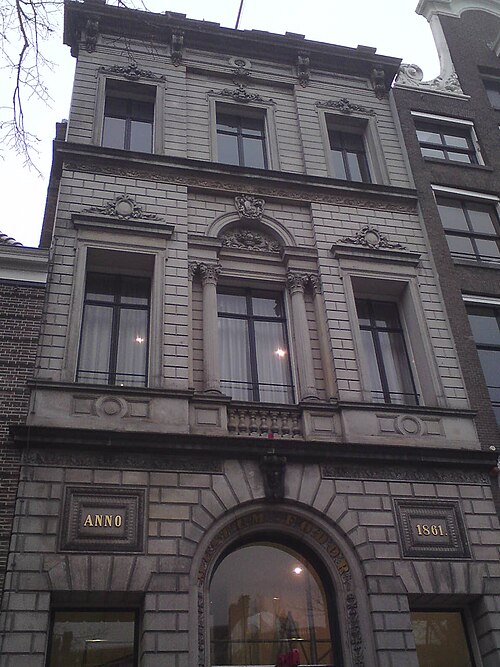
foam
Foam Fotografiemuseum Amsterdam is a photography museum housed on Keizersgracht in Amsterdam’s central canal district.
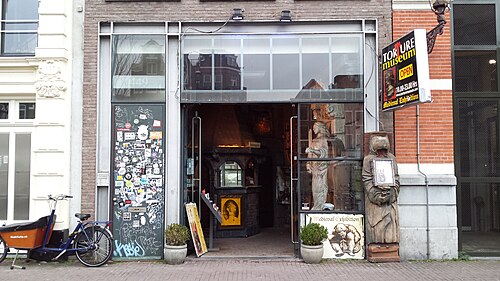
Amsterdam’s Torture Museum is a compact specialist museum devoted to judicial torture and punishment in European history. Its narrow canal-house setting gives the visit an intimate old-city character unlike Amsterdam’s large national museums.

Kattenkabinet
The Kattenkabinet is a museum in Amsterdam dedicated entirely to cat-related art and culture. Founded in 1990, it occupies a canal house on the Herengracht.
Source: OpenStreetMap contributors, Wikidata ·
Start with Centrum around Dam Square and the medieval streets, then read the canal belt as widening arcs around it. Jordaan lies west of the Prinsengracht, while the Museum Quarter and De Pijp sit south of the central canals. Plantage and the eastern islands extend the cultural route eastward. Amsterdam Noord is across the IJ rather than across another canal and is reached from the Centraal Station waterfront. The municipality divides Amsterdam into seven districts plus the Weesp city area, but visitor neighbourhood names are usually more useful than administrative boundaries.
Checked 2026-08-26
Walk through the central canals and use GVB trams, metros, buses and ferries for longer links. GVB accepts contactless check-in and check-out through OVpay as well as its own visitor tickets. Cycling is part of daily transport, but unfamiliar riders should not treat busy cycle lanes as a sightseeing attraction; public transport is the calmer first choice. Ferries are particularly useful for Amsterdam Noord, while trams connect the centre with Museumplein and surrounding neighbourhoods. Always check in and out with the same card or device.
Checked 2026-08-26
A fixed stay length is not recorded. Organise time around Centrum and the canal ring, the Museum Quarter, then one or more outer neighbourhoods such as Noord, De Pijp or Oost.
Centrum and the canal ring form the main historic core. Jordaan lies to the west, Museumplein to the south, and Amsterdam Noord sits across the IJ from Centraal Station.
GVB supports OVpay. Check in when boarding or entering the system and check out at the end using the same contactless card, phone or watch.
No. Walking and GVB services cover the visitor city well. Cycling is practical for confident riders, but busy local cycle traffic makes it a poor default for an unfamiliar visitor.
Use the GVB ferries from the waterfront behind Centraal Station. Noord is across the IJ and should be planned as a separate neighbourhood cluster rather than part of a canal-ring walk.