
13 min walk
Cineplanet
- Notable
- Entertainment venue
Language · 11 published
Activity · Cusco
Wanchaq
Reviewed by Elena Voss · Roavina Travel Editor
Wanchaq District is a working urban district south of Cusco’s historic colonial core. Its character comes from everyday commerce, local movement, transport connections, markets, and streets used by residents. It offers a useful counterpoint to Cusco’s monument-filled centre: instead of a concentrated heritage circuit, you encounter contemporary city life supporting the wider metropolitan area. Include Wanchaq when you want to see how Cusco functions beyond its best-known churches, plazas, and archaeological attractions. Wanchaq District is one of the eight districts composing the city of Cusco, Peru. It lies south of the historic colonial core, serving as a modern commercial and transportation zone rather than a tourist monument. The district provides context for understanding Cusco beyond its famous center, functioning as a working area where residents conduct daily business. Its identity is tied to practical urban functions rather than preserved heritage architecture. Visitors passing through encounter contemporary Peruvian city life, local markets, and infrastructure that supports the broader metropolitan area. Standard urban precautions apply. No specific safety warnings are recorded for this district beyond general guidance for Peruvian cities.
Checked 2026-08-26 · Source
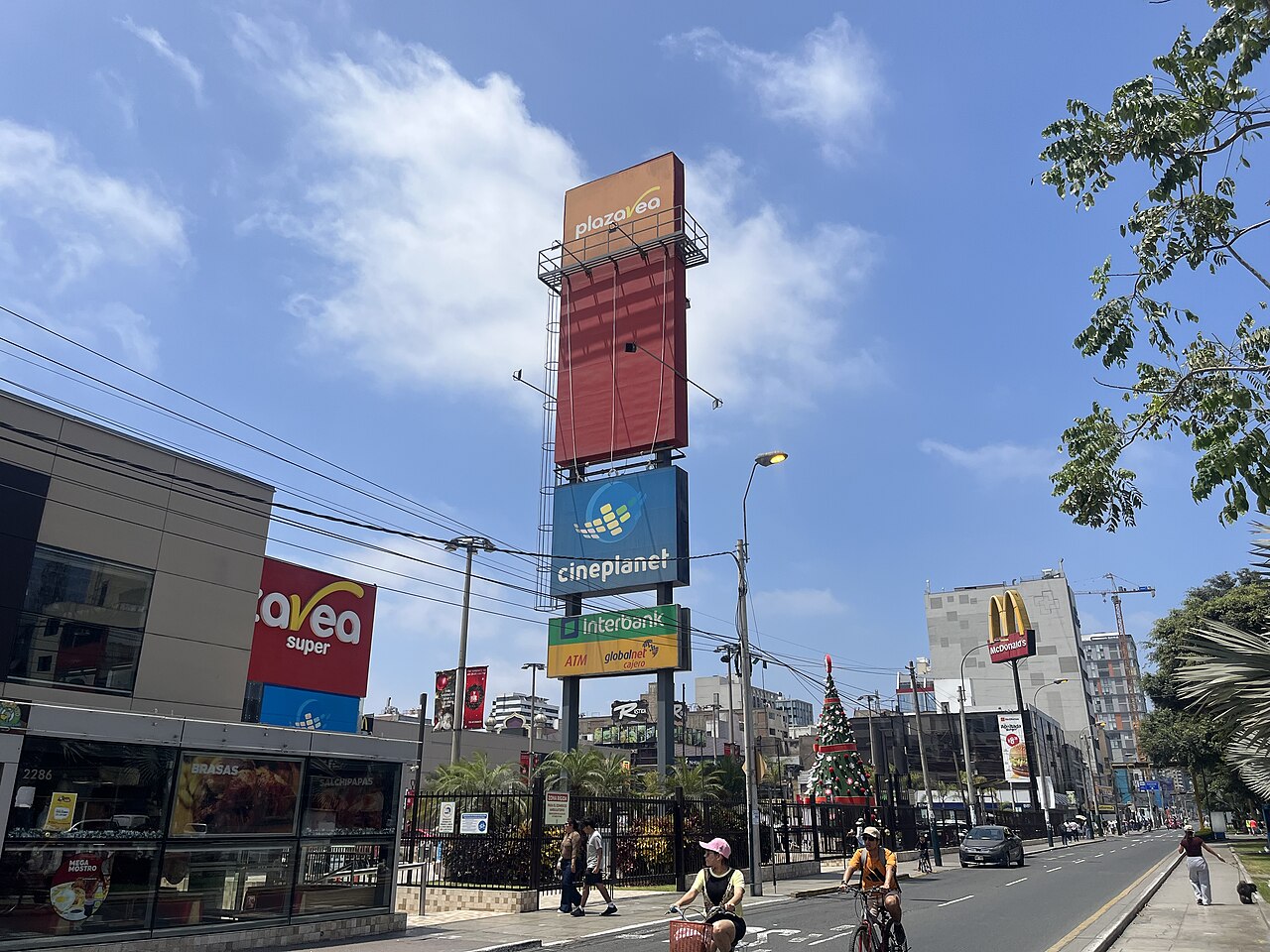
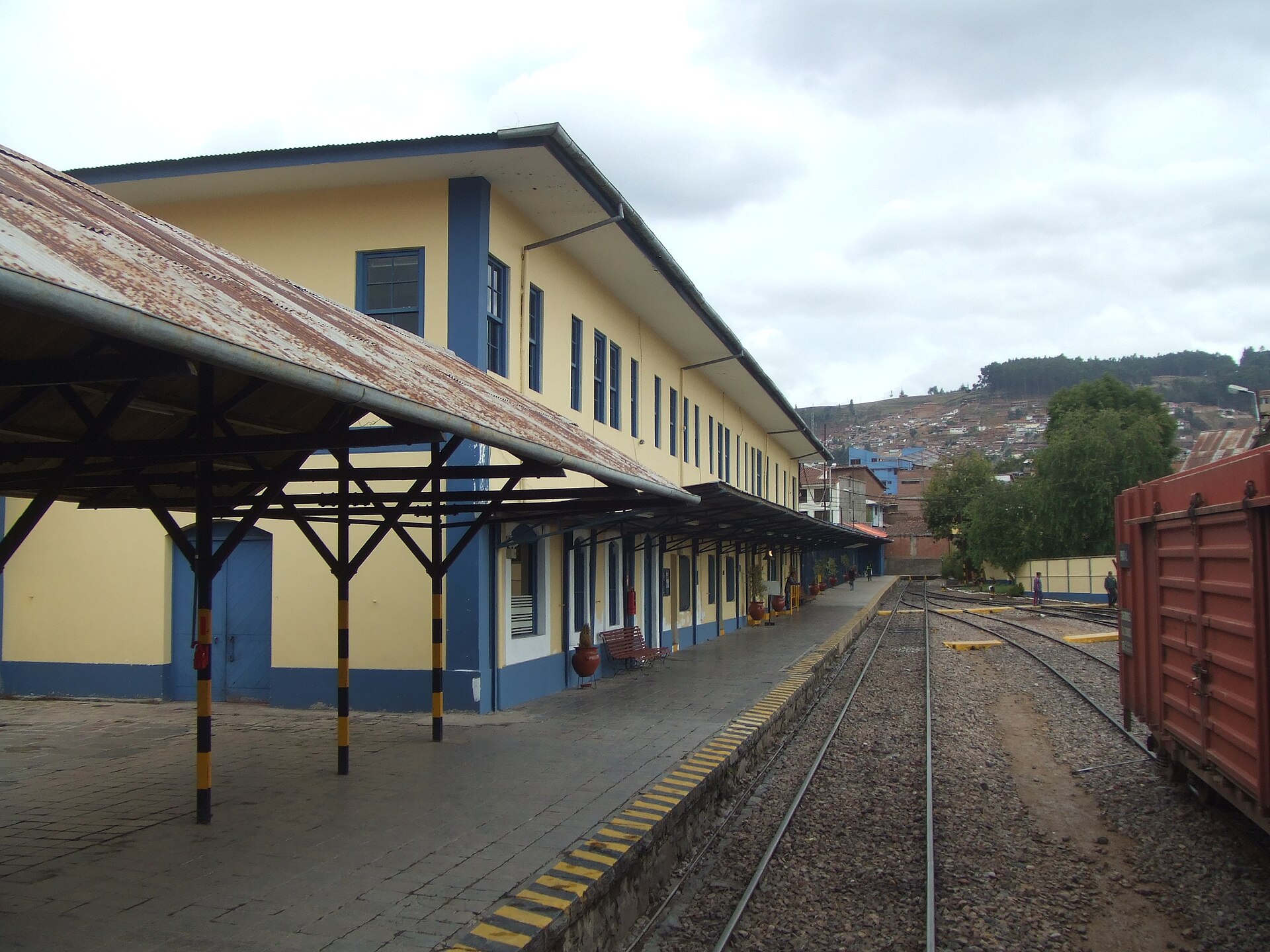
Wanchaq is shaped by commercial streets, everyday shops, local markets, and transport infrastructure. The district includes Wanchaq railway station, making rail movement part of its identity. The streetscape is more modern and practical than the preserved colonial centre, with businesses serving local residents rather than forming a purpose-built visitor quarter. There are no major museums, churches, or archaeological sites identified here as principal attractions, so the interest lies in observing ordinary urban patterns and local commerce. Wanchaq contains commercial establishments serving local residents rather than international tourism.
Checked 2026-08-26 · Source
Allow one to two hours for a purposeful walk through Wanchaq’s commercial streets and transport areas. That is enough time to notice the district’s rhythm, browse everyday businesses, and understand its relationship with central Cusco. Many travellers encounter it while transferring or using the railway station, in which case the stop may be shorter. It does not require a full day unless you deliberately combine urban observation, shopping, meals, and transport-related plans.
Checked 2026-08-26 · Source
Wanchaq is a functioning district rather than a seasonal attraction, so its appeal depends on the normal rhythm of city life. Morning and midday are useful for seeing commerce and transport activity at their most active. Cusco’s wet and dry seasons affect walking conditions, while the highland climate can change quickly. Visit in daylight if you want the clearest street impressions and easiest navigation. The district remains relevant whenever your route, rail connection, or curiosity takes you south of the centre.
Checked 2026-08-26 · Source
Wanchaq District is a public urban area and has no district admission ticket. Individual shops, market stalls, eateries, and services charge separately. Wanchaq railway station handles rail journeys whose fares are set by the relevant carrier and route. Carry Peruvian soles for ordinary purchases and transport-related expenses. The district is generally a practical, everyday environment rather than a ticketed sightseeing complex, so plan costs around what you choose to buy or use during the visit.
Checked 2026-08-26 · Source
From Cusco’s historic centre, Wanchaq can be reached on foot in roughly twenty to thirty minutes, depending on your starting point and pace. Local buses and colectivos serve the district, and taxis are widely available. Wanchaq railway station is a natural arrival point for travellers using rail connections. Walking gives the clearest sense of the transition from monumental centre to working neighbourhood. Keep a map available and remain attentive around traffic, commercial streets, and transport areas.
Checked 2026-08-26 · Source
Wanchaq has the ordinary pressures of a busy urban district: buses, taxis, private vehicles, changing sidewalk conditions, and crowded commercial areas. Keep valuables secure, especially around markets and transport points. Cusco’s altitude affects the whole city, so allow time to acclimatise and pace yourself while walking. Carry water and dress for changing highland weather. Treat the district as a lived-in neighbourhood: give residents space, cross carefully, and avoid turning routine activity into an intrusive spectacle.
Checked 2026-08-26 · Source
Wanchaq suits documentary photography of transport, shopfronts, markets, street movement, and contemporary Peruvian city life. Its value is contextual rather than monumental, so look for contrasts between practical infrastructure, commercial activity, and Cusco’s mountain setting. Ask before photographing people, particularly vendors and market users. Keep equipment discreet in crowded areas. The railway station may have its own expectations for photography, while the district’s public streets provide the broadest opportunities for respectful images of everyday urban life.
Checked 2026-08-26 · Source
Wanchaq shows contemporary Cusco through local commerce, transport activity, markets, and ordinary streets beyond the colonial centre.
One to two hours suits a purposeful walk through its commercial streets and transport areas; rail passengers may spend less time.
Yes. Wanchaq is a practical working district, while the historic centre concentrates colonial architecture, major churches, plazas, and visitor services.
Local buses and colectivos serve the district, while taxis provide another straightforward option from central Cusco.
Focus on markets, transport activity, shopfronts, street movement, and the contrast between contemporary neighbourhood life and Cusco’s wider highland setting.
Yes. Wanchaq railway station is part of the district and connects its everyday urban character with rail travel through Peru.
Loading the interactive map…
The interactive map could not be loaded.
Last updated:
Source: OpenStreetMap contributors, Wikidata ·