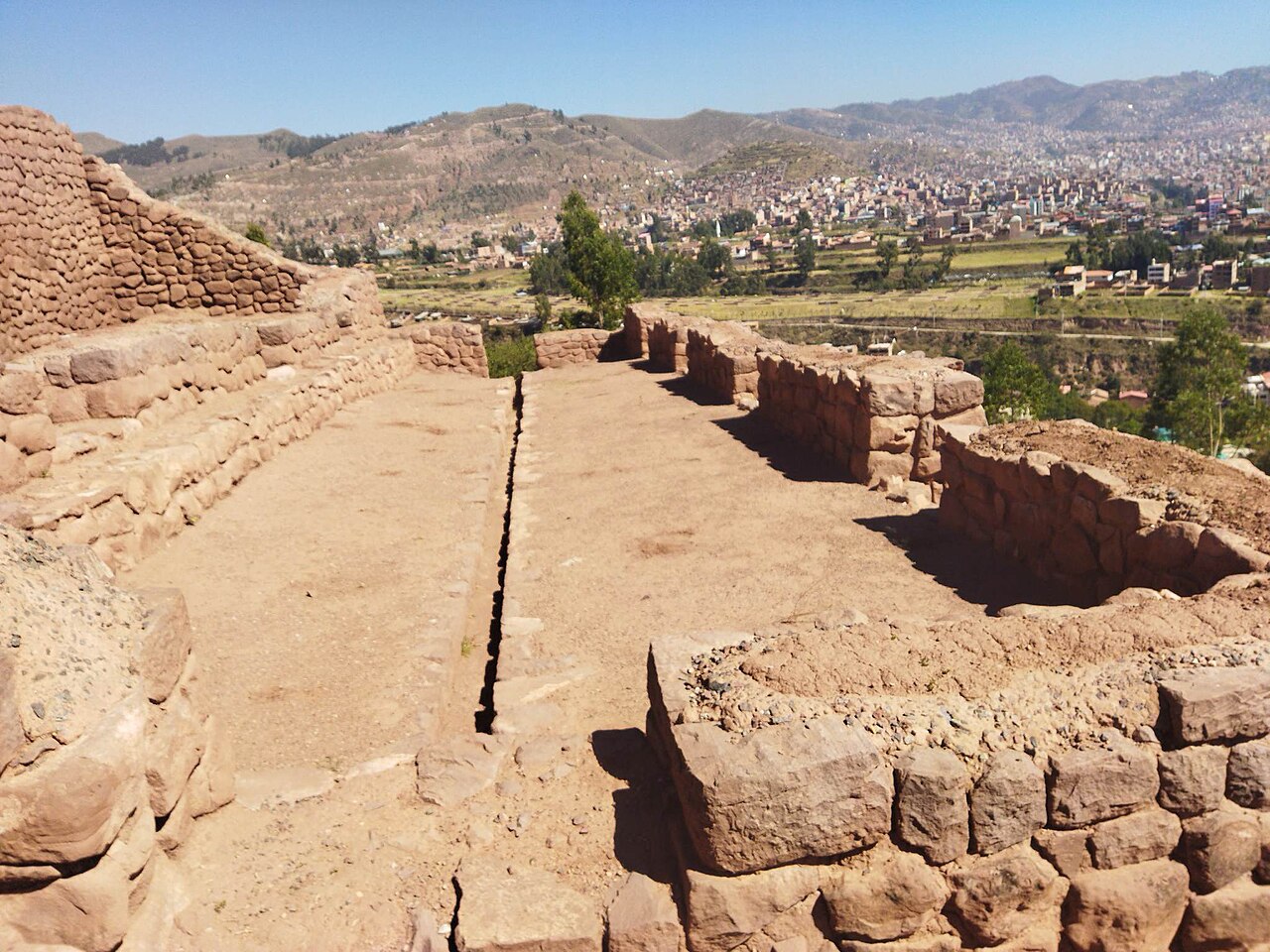
Wayna Tawqaray, also called Huayna Tauqaray, is a lesser-known Inca archaeological site near the south-eastern edge of Cusco’s urban area. It belongs to the wider landscape of ruins around the city, but offers a different experience from the better-known group of Sacsayhuamán, Q’enqo, Puka Pukara and Tambomachay. The appeal is the chance to spend time with Cusco’s Inca heritage in a quieter setting, away from the main sightseeing circuit. Its position at the urban edge also helps travellers see how archaeological places and the surrounding Andean landscape extend beyond the historic centre.
Wayna Tawqaray is an outdoor archaeological visit focused on the surviving Inca remains and their relationship with the hillside landscape. The place is best approached as a chance to study stonework, terraces and the way construction follows the contours of the terrain, rather than as a polished museum-style attraction. Its quieter character leaves room for close observation and photography of the setting. Stay on existing paths and leave stones and other archaeological material undisturbed. The experience comes from reading the site in context: Cusco’s wider Inca landscape, the slope beneath your feet and the city beyond are all part of what you encounter.
Set aside roughly one hour for a focused visit to Wayna Tawqaray, with up to two hours if you want to examine the stonework carefully, photograph the landscape and move at a slow pace. The site is smaller and less formal than Cusco’s principal archaeological attractions, so the visit is naturally self-directed. Add separate time for the journey from the city and for returning, especially if you are building a route around the south-eastern urban edge. The uneven, sloping terrain can slow progress at altitude; a shorter visit may be more enjoyable than trying to rush through it.
The dry season from May to September generally suits an outdoor archaeological visit, with less rain and clearer conditions for walking across the hillside. Morning is a practical choice for cooler movement and softer, more dependable light; afternoon weather can change quickly in the Andes. During the wetter months, rain can make slopes and informal paths more difficult to cross, so leave room in the day for changing conditions. The site is most rewarding when you have enough daylight to read the ruins and surrounding landscape. Avoid planning a late return from a quiet urban-edge location.
Wayna Tawqaray is presented as a lesser-known archaeological site rather than one of Cusco’s principal ticketed ruins. The supplied place record does not establish an admission amount or confirm inclusion in the boleto turístico, so treat the visit as an outdoor heritage stop without a fixed ticket cost in your plan. Its appeal is the setting and the quieter encounter with Inca remains, not a formal visitor complex. Carry the practical essentials for an independent outing and keep any journey flexible, since the site does not have the profile of a heavily managed attraction.
Wayna Tawqaray lies near Cusco’s south-eastern urban edge. Plan the approach around a taxi or local shared transport to the general area, or a longer walk if you are comfortable with altitude and an urban-periphery route. Because the site is less formal than the main archaeological parks, use the mapped location to orient yourself and allow time for the final approach. Arrange the return journey before setting out, particularly if you are travelling alone or visiting later in the day. The route belongs in a daylight excursion rather than a rushed evening stop.
Wayna Tawqaray is an outdoor hillside site where uneven ground, slopes and loose or weathered stone can affect each step. Cusco’s elevation can bring breathlessness and fatigue, so walk slowly and carry water, sun protection and layers for changing weather. There is no confirmed visitor infrastructure in the supplied record; plan the outing as self-sufficient. Do not climb walls, move stones or remove archaeological material. Share your route and expected return with someone else, and leave enough daylight for the journey back. The site’s quiet setting rewards care and patience.
Wayna Tawqaray is well suited to photographs that show Inca stonework within the Andean landscape. Morning and late-afternoon light can bring out surface texture and the relationship between the remains, the slope and Cusco beyond. Keep equipment simple for uneven ground, and avoid stepping onto fragile structures to improve a composition. Personal photography is central to the visit, while drone use is a separate regulated activity and should not be treated as part of an ordinary stop. Quiet surroundings make it easier to frame the ruins without the crowds found at the city’s major archaeological sites.
It is a lesser-known Inca archaeological site near the south-eastern edge of Cusco, offering a quieter outdoor experience than the city’s principal ruins.
How long should I spend at Wayna Tawqaray?
Allow about one hour for a focused visit, or up to two hours for slower exploration, photography and attention to the hillside setting.
What should I bring to Wayna Tawqaray?
Bring water, sun protection, layered clothing and sturdy footwear for the sloping outdoor terrain and changing Andean weather.
Is Wayna Tawqaray suitable for a solo visit?
The quiet urban-edge setting calls for a self-sufficient plan: share your route, carry essentials, arrange your return and visit in daylight.
How does Wayna Tawqaray compare with Cusco’s main ruins?
It is less formal and quieter, with a more self-directed encounter with Inca remains and the surrounding landscape than the principal archaeological circuit.
Is there food or water at Wayna Tawqaray?
The place record identifies no visitor services, so bring water and any food you need for the outing before leaving Cusco’s urban area.
Nothing non-essential is set before you choose, in regions where consent is required. If you decline, ads still appear and analytics is switched off entirely.