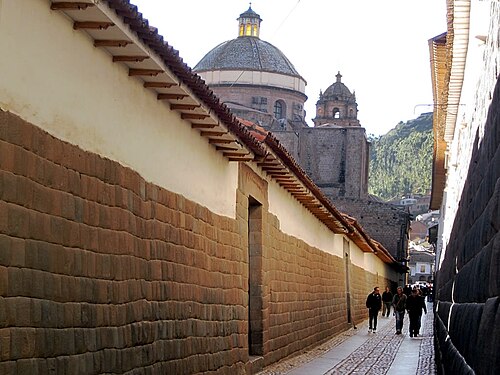
Loreto Street
Calle Loreto
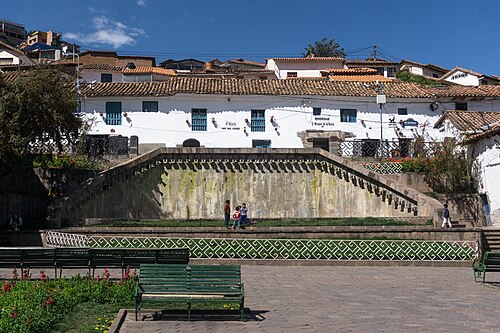
Calle Loreto is a narrow pedestrian passage in central Cusco, Peru, notable for preserving a substantial section of original Inca stone wall along its eastern flank.
- Must see
- Activity
Language · 11 published
City guide · Peru
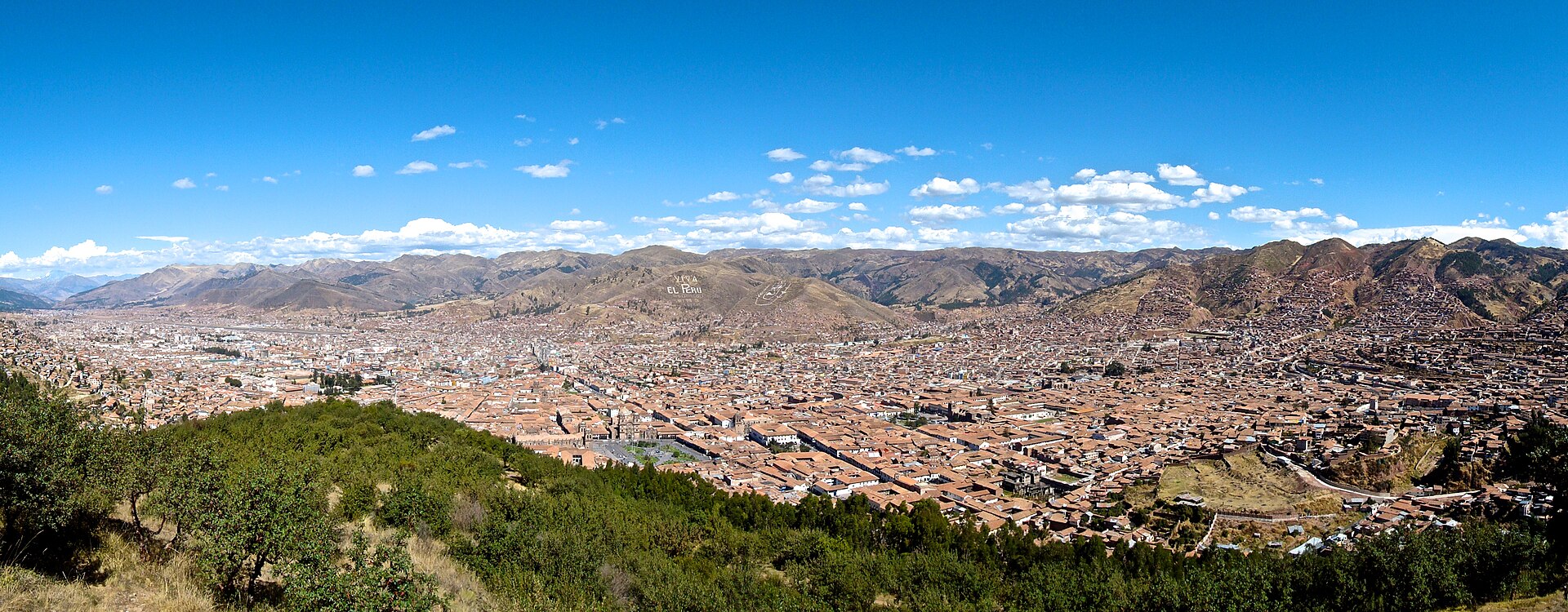
Cusco's visitor core is compact but steep, centred on Plaza de Armas and adjoining historic streets. San Blas rises above the centre, while Qorikancha and the southern streets form another walkable cluster. Sacsayhuamán and nearby archaeological sites sit beyond the central grid, and the Sacred Valley and Machu Picchu are separate regional journeys. Altitude and cobbled slopes make realistic pacing more important than short map distances.
Reviewed by Elena Voss · Roavina Travel Editor
Set your days, your pace and the hours you actually want to be out. The planner works around closing days and travel time, and leaves room to eat.
Ranked by importance — sitelinks, pageviews and heritage status, not editor preference.
11 places match
Category
Typical visit duration
Interests
Calle Loreto
Calle Loreto is a narrow pedestrian passage in central Cusco, Peru, notable for preserving a substantial section of original Inca stone wall along its eastern flank.
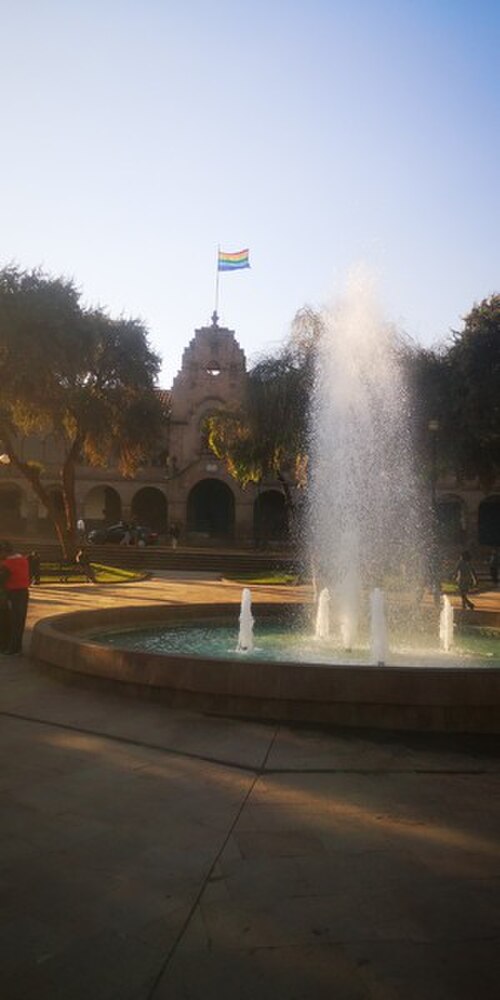
Plaza Regocijo is a colonial-era public square in the historic centre of Cusco, Peru.
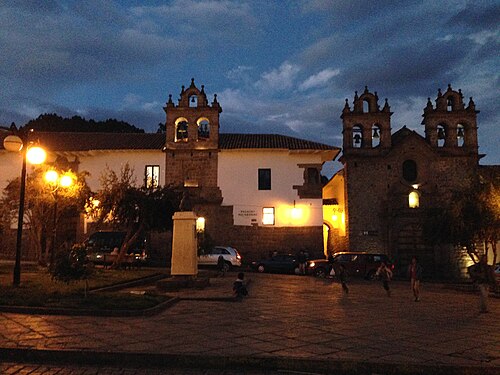
Plaza San Blas is the public square within Cusco's traditional San Blas neighbourhood, not the neighbourhood as a whole, San Blas Church, or a market.
Plaza Nazarenas is a quiet historic square in Cusco's upper old city. It connects several significant cultural sites including the Museo de Arte Precolombino (MAP) and Casa Concha.
Huayna Tauqaray
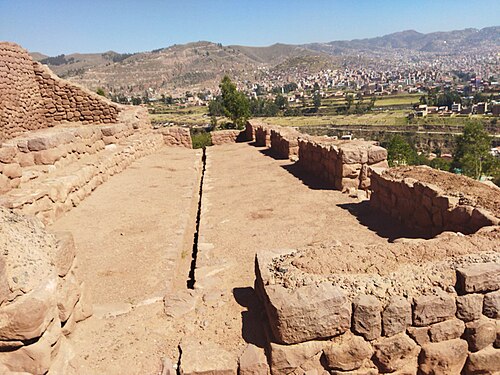
Wayna Tawqaray, also called Huayna Tauqaray, is a lesser-known Inca archaeological site near the south-eastern edge of Cusco’s urban area.
Calle del Medio is a central pedestrian street in Cusco's historic core, providing a direct historic connection from Plaza de Armas into the old-city commercial fabric.
Centro de Textiles Tradicionales del Cusco
The Center for Traditional Textiles of Cusco is a nonprofit organization dedicated to preserving and promoting Cusqueñan weaving traditions. Founded to support indigenous textile arts, the center operates as a cultural institution and social enterprise.
Wanchaq
Wanchaq District is a working urban district south of Cusco’s historic colonial core. Its character comes from everyday commerce, local movement, transport connections, markets, and streets used by residents.
Plaza Limacpampa is a public square in upper-central Cusco. It works mainly as a connecting space between San Blas, Qorikancha, Avenida El Sol, and nearby modern commercial streets.
Valle Sagrado de los Incas
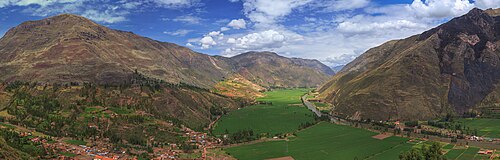
The Sacred Valley of the Incas, locally Valle Sagrado de los Incas, is the Urubamba River corridor northwest of Cusco. This broad valley between Pisac and Ollantaytambo served as a vital agricultural, spiritual, and administrative zone for the Inca Empire.
Urubamba is a town in Peru’s Sacred Valley of the Incas, between Cusco and Machu Picchu. It sits beside the Vilcanota River at a lower elevation than Cusco and works particularly well as a practical base for exploring the valley.
Source: OpenStreetMap contributors, Wikidata ·
Plaza de Armas anchors the cathedral, museums and colonial streets. San Blas occupies the hillside northeast of the square, with narrow lanes and steep approaches. Qorikancha and Avenida El Sol extend south. Sacsayhuamán, Q'enqo, Puka Pukara and Tambomachay form an archaeological corridor outside the compact core. The Sacred Valley, Rainbow Mountain and Machu Picchu require dedicated transport and should never be treated as nearby city stops.
Checked 2026-08-26
Walk within the historic centre when altitude and slopes allow, and use authorised taxis or organised transport for higher or outlying sites. Regional trains, buses and licensed transfers serve Sacred Valley and Machu Picchu routes, but departure stations and ticket conditions vary. Confirm each leg through the official traveller guide and relevant operator. Build extra time into the first day rather than scheduling a dense itinerary immediately after arrival.
Checked 2026-08-26
Plaza de Armas, Qorikancha and lower central streets form the main walking core
No fixed stay length is recorded; separate city time from regional archaeological journeys.
Walk the centre slowly and use authorised transport for higher or outlying sites.
Machu Picchu requires separate train, road and ticket arrangements outside a city walking day.
A lighter first day accounts for altitude, slopes and the effort of cobbled streets.