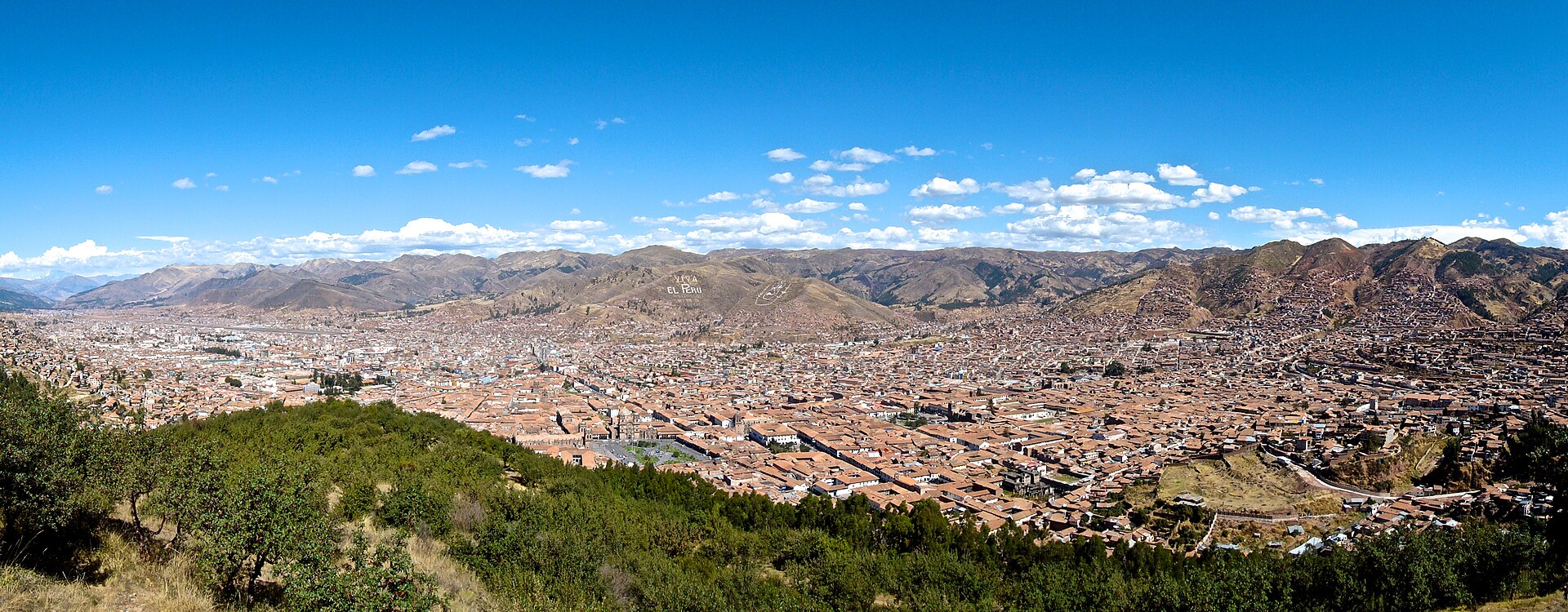
A photograph of Cusco

City guide · Peru

Places to visit in Cusco, Peru — page 3

Cusco's visitor core is compact but steep, centred on Plaza de Armas and adjoining historic streets. San Blas rises above the centre, while Qorikancha and the s...

Photograph · gertrudis2010 · CC BY-SA 3.0

3,771 Places
Suggested stay
3–4 days
Getting around
Walking, authorised taxi, bus and regional train

Turn this list into a plan

Set your days, your pace and the hours you actually want to be out. The planner works around closing days and travel time, and leaves room to eat.

Plan Cusco

Editorial responsibility: Elena Voss · Roavina Travel Editor

Cusco's visitor core is compact but steep, centred on Plaza de Armas and adjoining historic streets. San Blas rises above the centre, while Qorikancha and the southern streets form another walkable cluster. Sacsayhuamán and nearby archaeological sites sit beyond the central grid, and the Sacred Valley and Machu Picchu are separate regional journeys. Altitude and cobbled slopes make realistic pacing more important than short map distances.

Checked 2026-08-26

Practical information

Language spoken
Spanish; Quechua, Aymara and other Indigenous languages have official status where predominant
National practical orientation; regional and minority languages may also be used
Dialling code
+51
International calling code; local area and mobile prefixes still apply
Currency
Peruvian sol (PEN)
Use the official local currency; card acceptance varies by place
Emergency number
105 police · 116 fire
Use only for an emergency; tourist assistance may use a separate number
Plug type
Type A and C · 220 V
Check that chargers support the recorded voltage before using an adapter
Tap water
Not recorded
No verified nationwide visitor drinking-water statement was recorded

Planning a visit

November · November's 71.9 mm of normal rain is the main planning trade-off in Cusco, with temperatures from 6.1°C to 20.7°C.

  1. January: viable with meaningful trade-offs
  2. February: viable with meaningful trade-offs
  3. March: viable with meaningful trade-offs
  4. April: good time to visit
  5. May: best time to visit
  6. June: good time to visit
  7. July: good time to visit
  8. August: best time to visit
  9. September: best time to visit
  10. October: good time to visit
  11. November: viable with meaningful trade-offs — current month
  12. December: viable with meaningful trade-offs

Sources

Top things to see

Ranked by importance — sitelinks, pageviews and heritage status, not editor preference.

  1. Sacred Valley of the Incas Sacred Valley of the Incas
    51 2 hours

    Sacred Valley of the Incas

    Valle Sagrado de los Incas

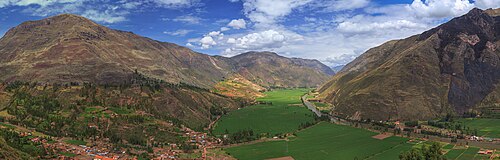
    The Sacred Valley of the Incas, locally Valle Sagrado de los Incas, is the Urubamba River corridor northwest of Cusco. This broad valley between Pisac and Ollantaytambo served as a vital agricultural, spiritual, and administrative zone for the Inca Empire.

    • Must see
    • Activity
  2. Písac Písac
    52 45 min

    Písac

    Pisaq

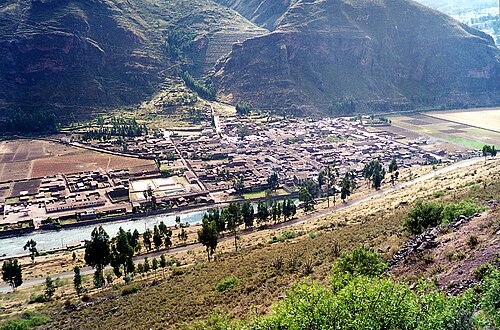
    Písac is a town in the Sacred Valley of the Incas, approximately one hour northeast of Cusco. The settlement sits at a lower elevation than the city, making it a common destination for visitors adjusting to altitude.

    • Must see
    • Historic site
  3. Ollantaytambo Ollantaytambo
    53 45 min

    Ollantaytambo

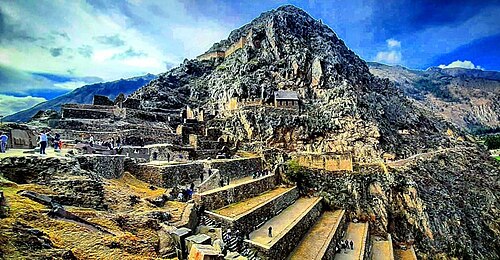
    Ollantaytambo Archaeological Park is a monumental Inca fortress-temple complex and living town in the Sacred Valley of the Cusco region. The site preserves one of the most intact examples of Inca urban planning, with original street grids still inhabited.

    • Must see
    • Historic site
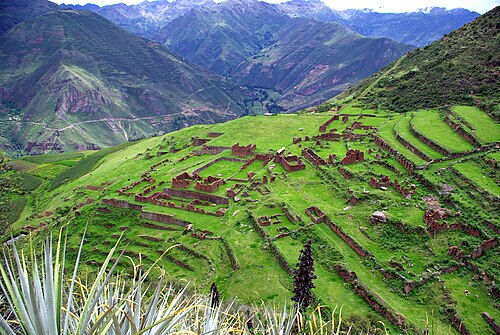
  4. Chinchero Chinchero
    54 45 min

    Chinchero

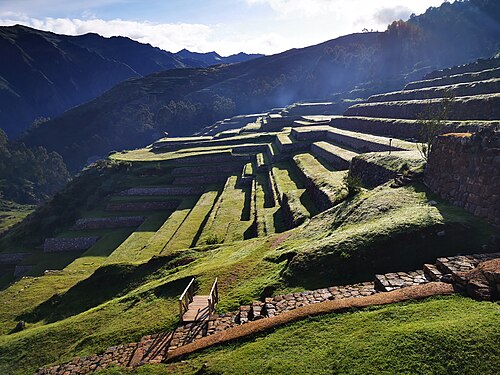
    Chinchero Archaeological Park is an Inca-era site in the Sacred Valley near Cusco, Peru. The complex combines pre-Columbian agricultural terraces, a colonial-period church built atop Inca foundations, and a contemporary indigenous community known for textile traditions.

    • Must see
    • Historic site
  5. Moray Moray
    55 45 min

    Moray

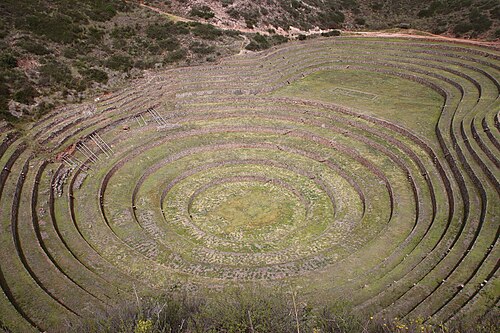
    Moray is an archaeological complex near Cusco in Peru’s Sacred Valley. Its defining feature is a group of circular agricultural terraces cut into a natural depression.

    • Must see
    • Historic site
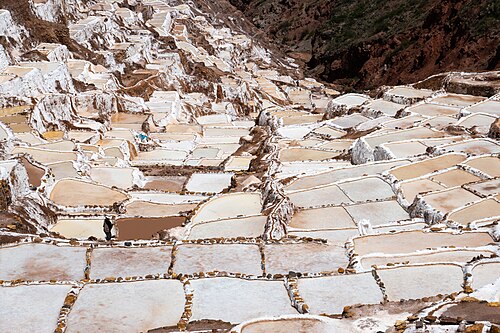
  6. Salineras de Maras Salineras de Maras
    56 45 min

    Salineras de Maras

    The Salineras de Maras are pre-Columbian salt evaporation ponds cascading down a hillside above the Urubamba Valley. Local families have harvested salt here for centuries using traditional methods.

    • Must see
    • Historic site
  7. Huchuy Qosqo Huchuy Qosqo
    57 45 min

    Huchuy Qosqo

    Huchuy Qosqo is an Inca archaeological complex situated on a hilltop above the Sacred Valley near Cusco, Peru. Its name translates from Quechua as Little Cusco.

    • High
    • Historic site
  8. Urubamba Urubamba
    58 2 hours

    Urubamba

    Urubamba is a town in Peru’s Sacred Valley of the Incas, between Cusco and Machu Picchu. It sits beside the Vilcanota River at a lower elevation than Cusco and works particularly well as a practical base for exploring the valley.

    • High
    • Activity
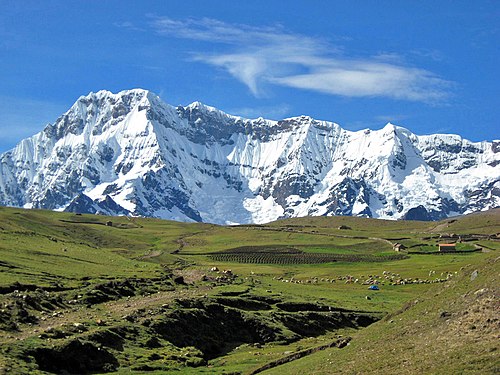
  9. Ausangate Ausangate
    59 20 min

    Ausangate

    The Ausangate Circuit is a multi-day trekking route encircling Nevado Ausangate, the highest peak in the Cusco region at approximately 6,384 metres.

    • High
    • Viewpoint
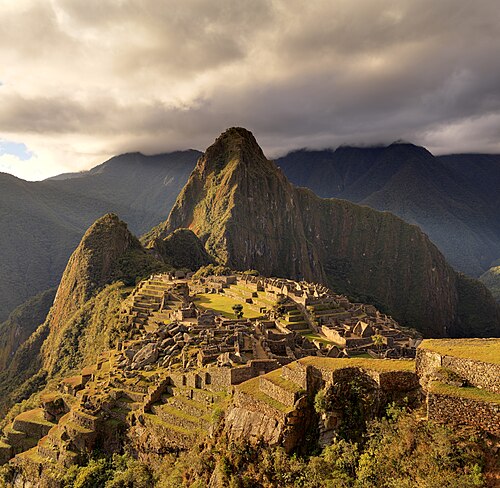
  10. Machu Picchu Machu Picchu
    60 45 min

    Machu Picchu

    Ciudadela de Machu Picchu

    Machu Picchu is a 15th-century Inca citadel situated on a mountain ridge approximately 80 kilometres northwest of Cusco. The archaeological complex stands at an elevation that creates dramatic cloud-forest surroundings.

    • High
    • Historic site
  11. Choquequirao Choquequirao
    61 45 min

    Choquequirao

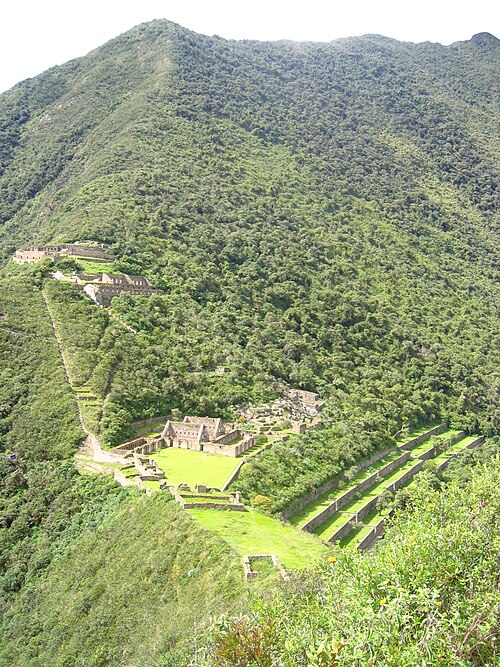
    Choquequirao is a remote Inca archaeological site situated in the Vilcabamba mountain range of the Cusco region. Often called the sister city of Machu Picchu, it remains far less visited due to its isolated location.

    • High
    • Historic site

Source: OpenStreetMap contributors, Wikidata ·

How the city is laid out

Plaza de Armas anchors the cathedral, museums and colonial streets. San Blas occupies the hillside northeast of the square, with narrow lanes and steep approaches. Qorikancha and Avenida El Sol extend south. Sacsayhuamán, Q'enqo, Puka Pukara and Tambomachay form an archaeological corridor outside the compact core. The Sacred Valley, Rainbow Mountain and Machu Picchu require dedicated transport and should never be treated as nearby city stops.

Checked 2026-08-26

Getting around

Walk within the historic centre when altitude and slopes allow, and use authorised taxis or organised transport for higher or outlying sites. Regional trains, buses and licensed transfers serve Sacred Valley and Machu Picchu routes, but departure stations and ticket conditions vary. Confirm each leg through the official traveller guide and relevant operator. Build extra time into the first day rather than scheduling a dense itinerary immediately after arrival.

Checked 2026-08-26

More city guides

Common questions

How is Cusco organised for sightseeing?

Plaza de Armas, Qorikancha and lower central streets form the main walking core

How many days should I spend in Cusco?

Suggested stay for a first visit: 3–4 days. Separate city time from regional archaeological journeys.

What is the easiest way to get around Cusco?

Walk the centre slowly and use authorised transport for higher or outlying sites.

Which places need a separate trip from central Cusco?

Machu Picchu requires separate train, road and ticket arrangements outside a city walking day.

What is the most practical way to plan a day in Cusco?

A lighter first day accounts for altitude, slopes and the effort of cobbled streets.