
26
2 hours
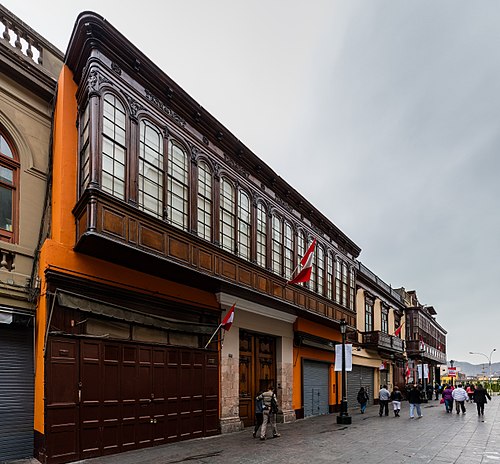
Aliaga House
Casa de Aliaga
Casa de Aliaga stands as one of Lima's oldest continuously inhabited colonial houses, located near the historic Plaza Mayor in Peru's capital.
- Must see
- Activity
City guide · Peru
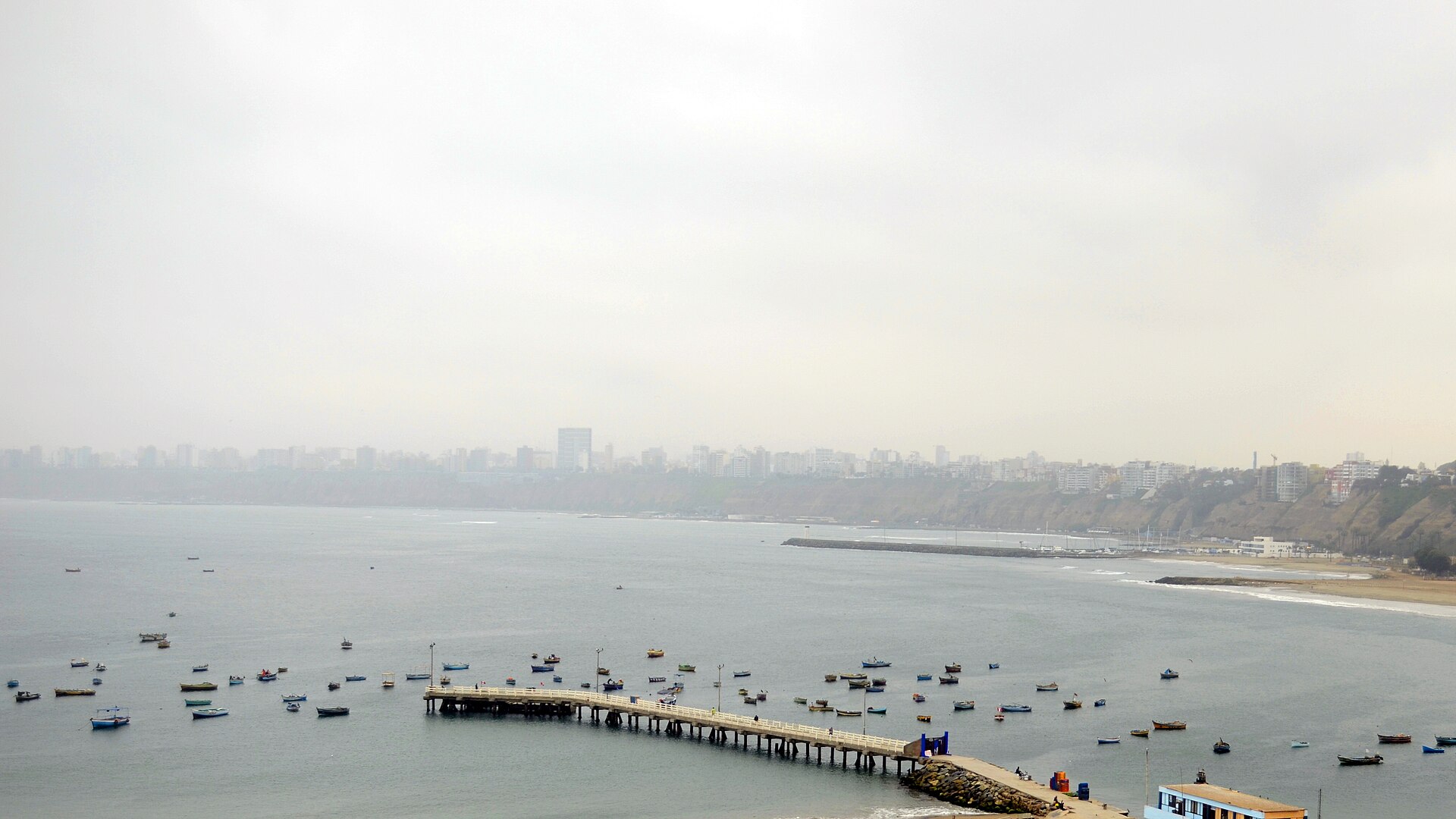
Lima spreads along the Pacific coast and is best understood as several distant visitor clusters. The historic centre lies inland around Plaza Mayor; Miraflores...
Photograph · Corminos · CC BY-SA 3.0
Set your days, your pace and the hours you actually want to be out. The planner works around closing days and travel time, and leaves room to eat.
Editorial responsibility: Elena Voss · Roavina Travel Editor
Lima spreads along the Pacific coast and is best understood as several distant visitor clusters. The historic centre lies inland around Plaza Mayor; Miraflores and Barranco form the principal coastal corridor; San Isidro sits between the centre and the coast; and archaeological sites appear across the metropolitan area. Keep the historic centre, coastal districts and outlying ruins in separate blocks because traffic can make cross-city travel slow.
Checked 2026-08-26
November · November in Lima has mean high 21.9°C, mean low 16.4°C, and rainfall 0.0 mm. Cooler coastal conditions are the manageable trade-off. November in Lima benefits from a sheltered stop if the weather changes.
Ranked by importance — sitelinks, pageviews and heritage status, not editor preference.
79 places match
Category
Typical visit duration
Good for
Interests
Casa de Aliaga
Casa de Aliaga stands as one of Lima's oldest continuously inhabited colonial houses, located near the historic Plaza Mayor in Peru's capital.
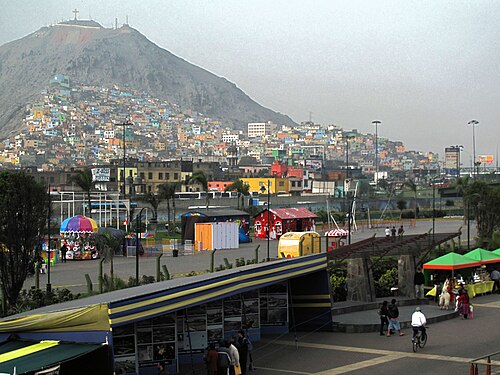
Museo de Sitio Parque de La Muralla
The Park of the Wall is a riverside public space in central Lima that preserves visible remnants of the city's colonial-era defensive fortifications. The Spanish colonial administration constructed walls around Lima during the seventeenth century for protection.
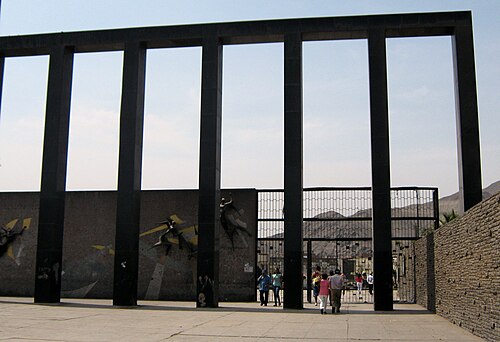
Museo Cementerio Presbítero Matías Maestro
The Presbítero Matías Maestro Cemetery Museum is a monumental cemetery in Lima, Peru, operating as a museum institution. Established during the republican period, it serves as both an active burial ground and a cultural heritage site.
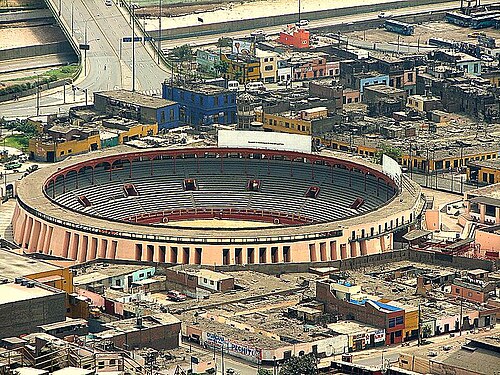
Plaza de Toros de Acho
The Plaza de Toros de Acho is the historic bullring of Lima, situated in the Rímac district. Constructed in 1766, it stands as one of the oldest surviving bullrings in the Americas.
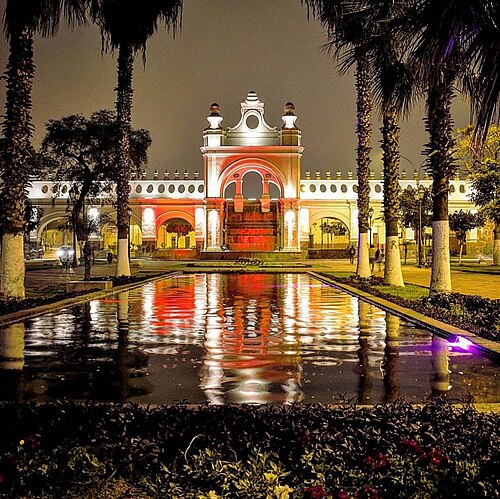
Paseo de Aguas is an eighteenth-century water promenade in Lima's Rímac district. The heritage site presents colonial landscape design through a public walkway centred on historic hydraulic features.
Chinatown
Barrio Chino is Lima's Chinatown, a landmark area of the historic centre in Barrios Altos. It covers mainly the first block of Jirón Ucayali and some blocks of Jirón Paruro, and locals also call it Calle Capón.
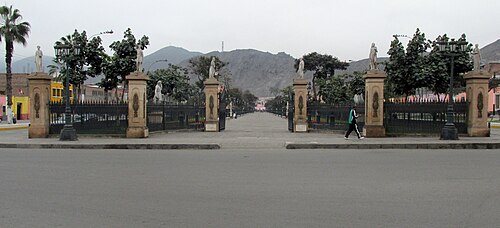
Alameda de los Descalzos is a historic promenade in Lima's Rímac district. This tree-lined walkway dates to the colonial era and served as a ceremonial route connecting important religious and civic sites.
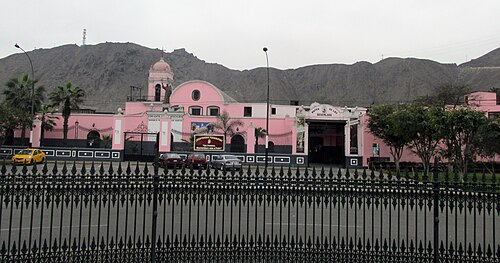
Convento de los Descalzos
The Convent of the Descalzos, or Convento de los Descalzos, is a Franciscan complex in Lima's Rímac district. Its colonial religious character, monastic spaces and preserved art make it a quieter alternative to the city's busiest historic attractions.
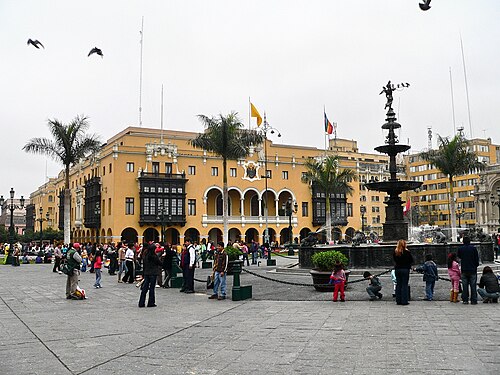
Palacio Municipal de Lima
The Municipal Palace of Lima, known locally as Palacio Municipal de Lima, serves as the city hall of Peru's capital. It stands on the historic Plaza Mayor, the foundational heart of Lima's colonial grid.

Parque Kennedy
Kennedy Park is the central civic green space of Miraflores, surrounded by the district's busy commercial and residential streets. It works both as a destination and as a natural pause between nearby activities.
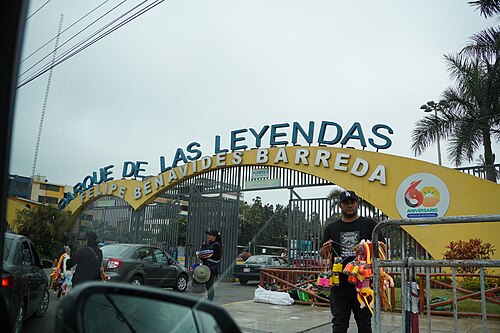
Parque de las Leyendas is a major metropolitan zoo in Lima, Peru. Its official website identifies it as a zoological park integrated with cultural and natural heritage elements.

Refugio de Vida Silvestre Los Pantanos de Villa
The Pantanos de Villa Wildlife Refuge, known locally as Refugio de Vida Silvestre Los Pantanos de Villa, is a protected wetland area situated within the metropolitan boundaries of Lima, Peru.

Museo de Arte Italiano
The Museum of Italian Art, known locally as Museo de Arte Italiano, is a compact state museum in Lima, Peru. It holds the distinction of being unique in the country for its focused collection of twentieth-century Italian art.
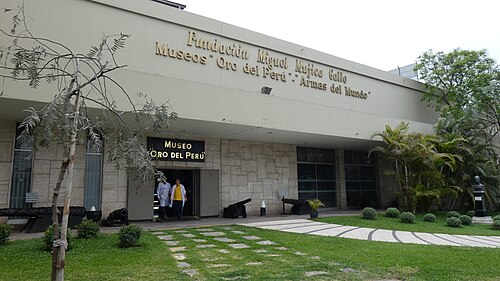
Museo Oro del Perú
The Gold Museum of Peru and Arms of the World is a private museum in Lima housing collections assembled by Miguel Mujica Gallo. It displays pre-Columbian gold and silver artifacts alongside a substantial arms collection from various periods and regions.
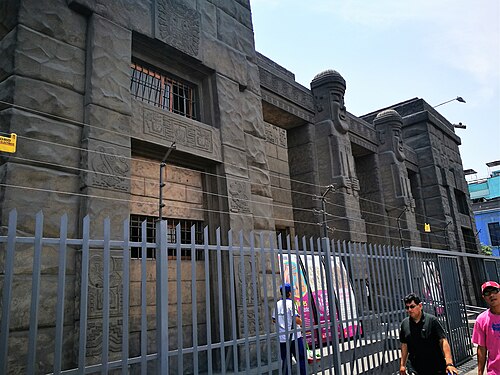
The National Museum of Peruvian Culture is a Lima institution dedicated to Peru's popular arts and traditional culture. Established under government cultural auspices, it occupies a purpose-built site in the capital.
Museo de Historia Natural (UNMSM)
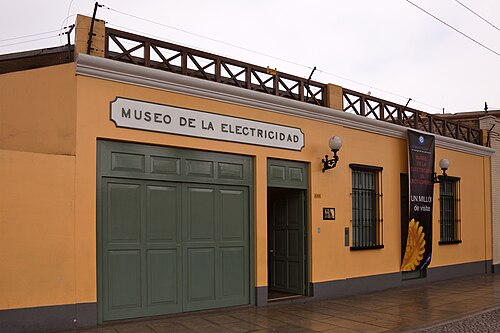
Museo de La Electricidad
The Museo de la Electricidad is a small science and technology museum located in Barranco, Lima. It documents the history of electrification in Peru and the development of historic urban transport systems.
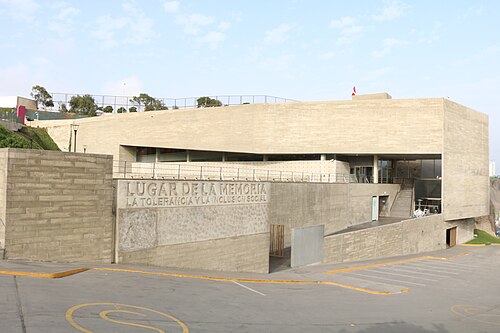
Lugar de la Memoria
The Place of Memory, Tolerance and Social Inclusion, known locally as LUM, is a museum in Lima dedicated to documenting and reflecting upon Peru's internal armed conflict from 1980 to 2000.
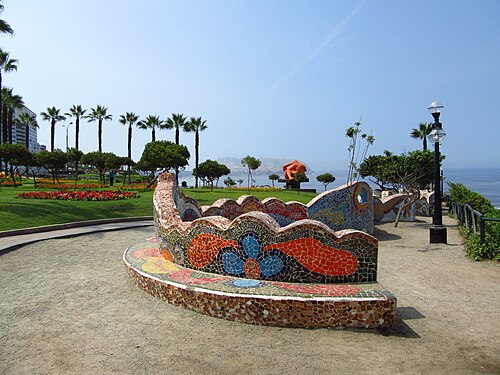
Parque Alberto Andrade Carmona
Love Park, known locally as Parque del Amor, is a public park situated on the clifftops of Miraflores, a coastal district of Lima, Peru. It forms part of the Miraflores boardwalk, a pedestrian route tracing the Pacific coastline.
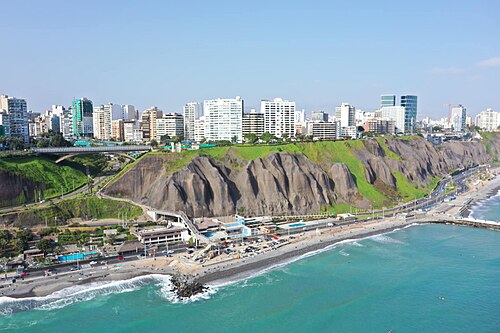
Costa Verde is Lima's coastal corridor, a strip of land along the Pacific Ocean connecting multiple districts including Miraflores, Barranco, and Chorrillos. The area is defined by its dramatic high-cliff landscape that drops to beaches below.
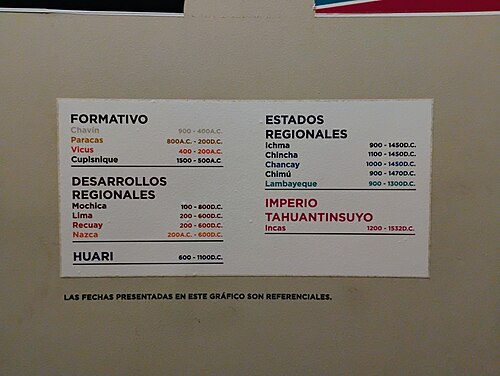
Amano Museo textil precolombino
The Amano Pre-Columbian Textile Museum is a specialized museum in Lima dedicated to preserving and exhibiting Andean textile traditions. Founded by Yoshitaro Amano, a Japanese collector who settled in Peru, the institution houses a significant private collection assembled over decades.
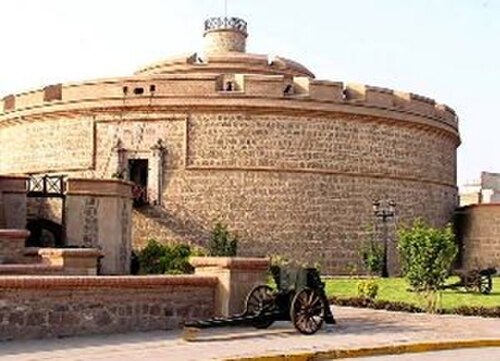
Fortaleza del Real Felipe
The Real Felipe Fortress, locally named Fortaleza del Real Felipe, stands as Callao's monumental colonial fortress and ranks as the strongest military-history site in the Lima metropolitan area.
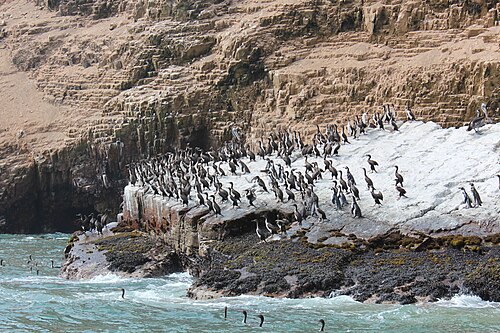
Islas Palomino
The Palomino Islands are a small archipelago off the coast of Callao, Lima's principal port city.
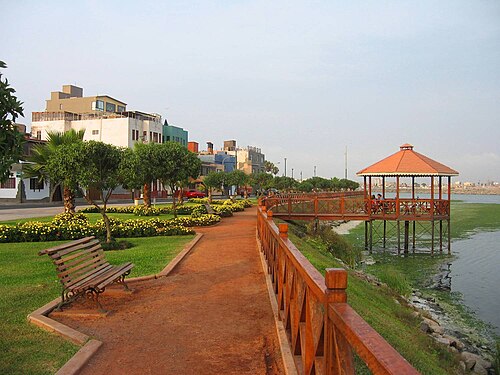
La Punta is a compact peninsula district within the constitutional province of Callao, adjacent to Lima.
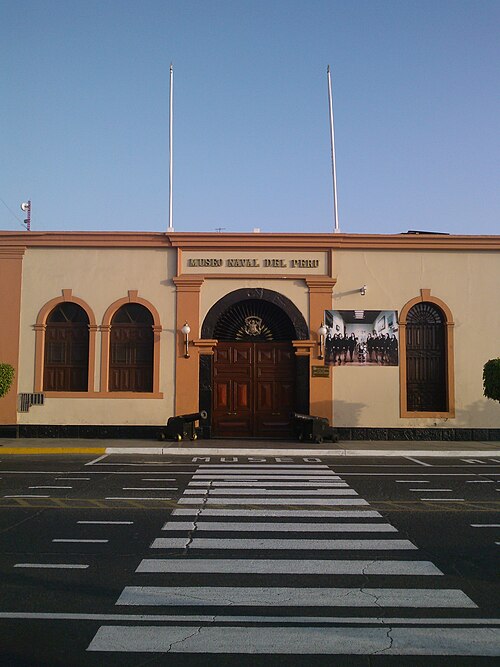
Museo Naval del Perú
The Naval Museum of Peru, locally known as Museo Naval del Perú, is a national maritime museum located in Callao, the historic port district adjacent to Lima.
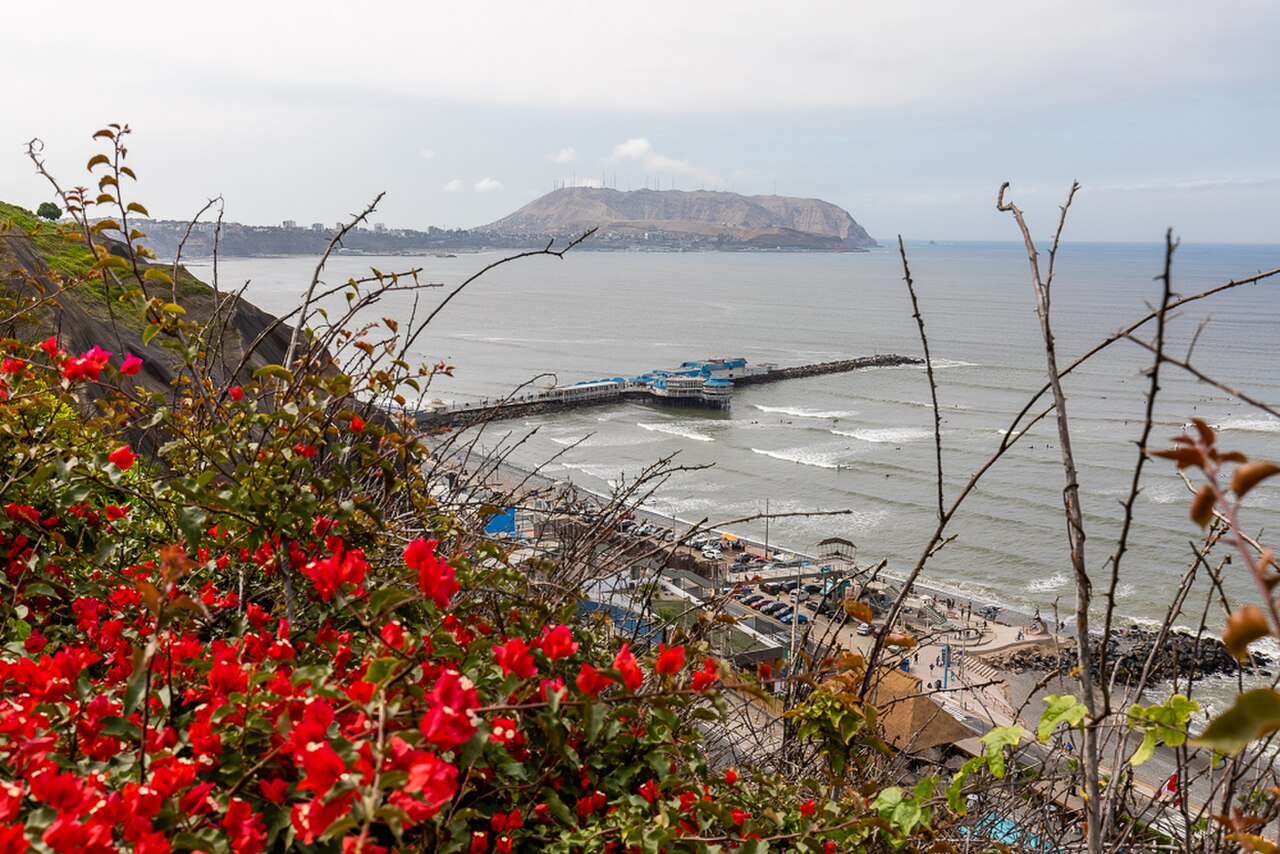
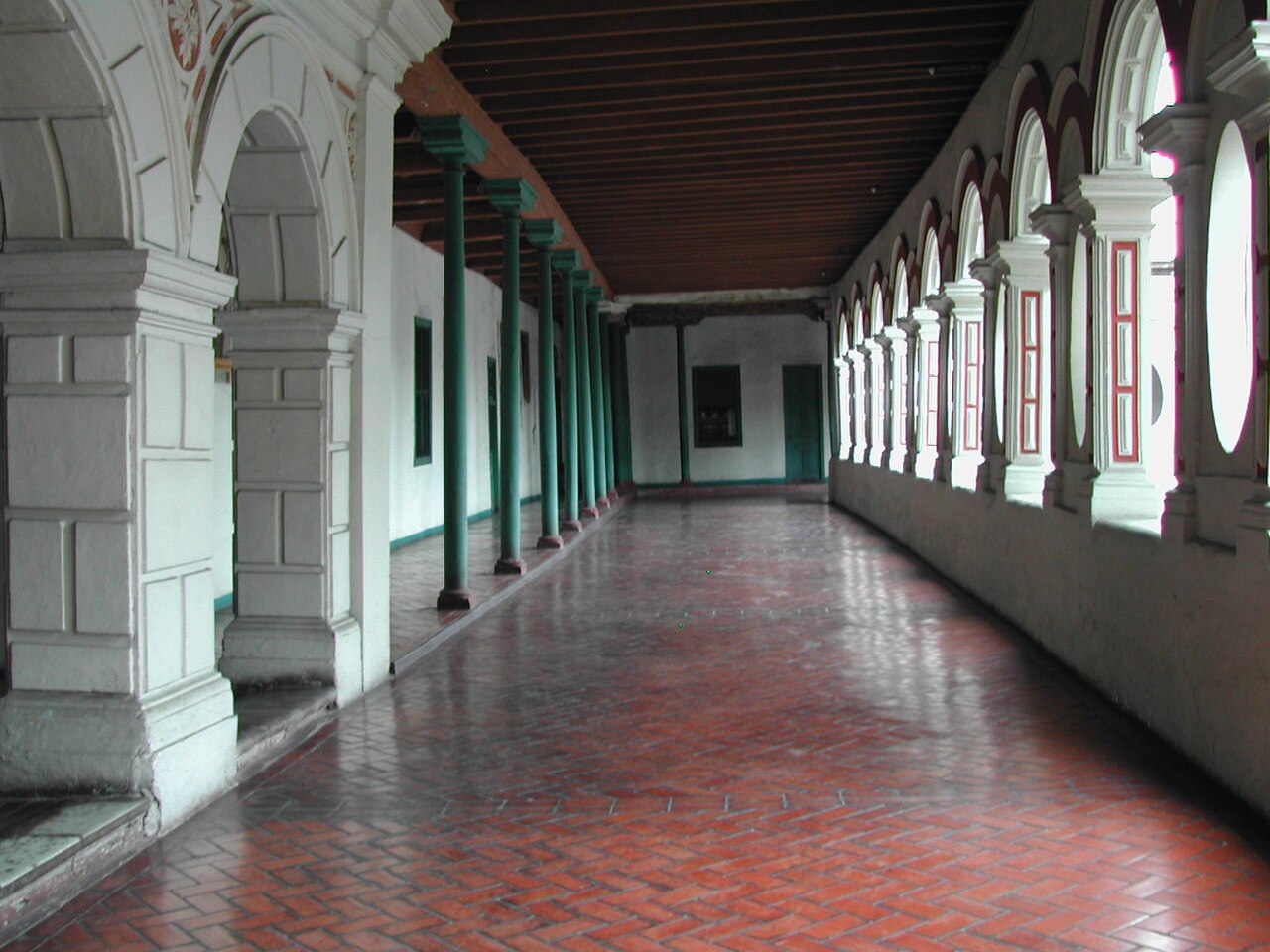
The historic centre groups Plaza Mayor, churches, convents and civic buildings. Miraflores combines clifftop parks, commercial streets and Huaca Pucllana, while Barranco continues south with galleries, historic houses and the Bridge of Sighs. San Isidro has another archaeological and business cluster. Callao and distant huacas require additional travel. The official Lima guide presents these areas as distinct routes rather than one continuous old town.
Checked 2026-08-26
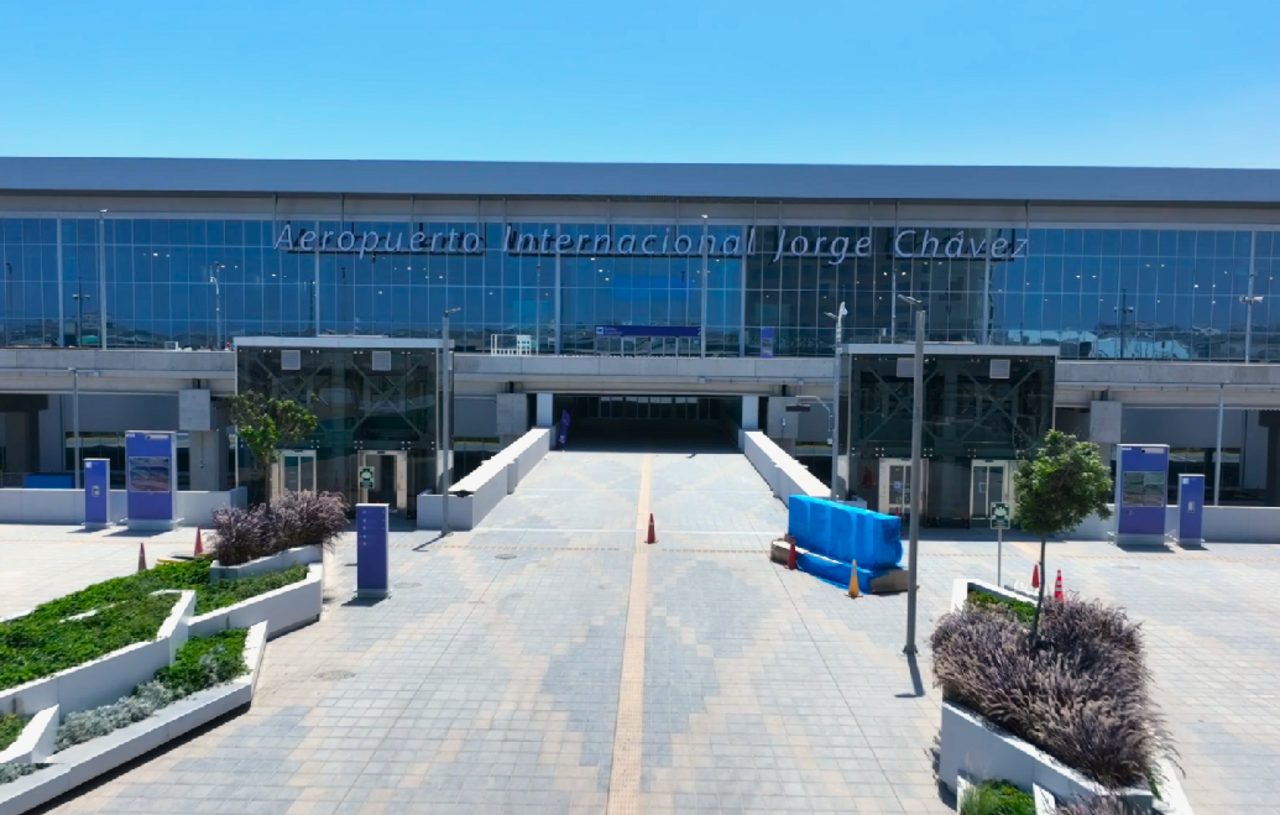
Metropolitan buses, the Metropolitano corridor, Metro services and taxis connect Lima's districts, but journey times vary with traffic. Walk within the historic centre, Miraflores or Barranco, then use planned transport between clusters. Airport and Callao journeys need additional time and a confirmed route. Use authorised services and verify current transport information locally; a place that looks nearby on a metropolitan map may still involve a long road journey.
Checked 2026-08-26
the historic centre, Miraflores, Barranco and San Isidro are separate visitor clusters
Suggested stay for a first visit: 3–4 days. Add blocks for central, coastal and outlying visits.
Use public transport or an authorised taxi between the centre and coast, allowing for traffic.
Miraflores and Barranco form the most natural coastal pairing for one day.
No official best-month range is recorded; check current local conditions before travel.


