
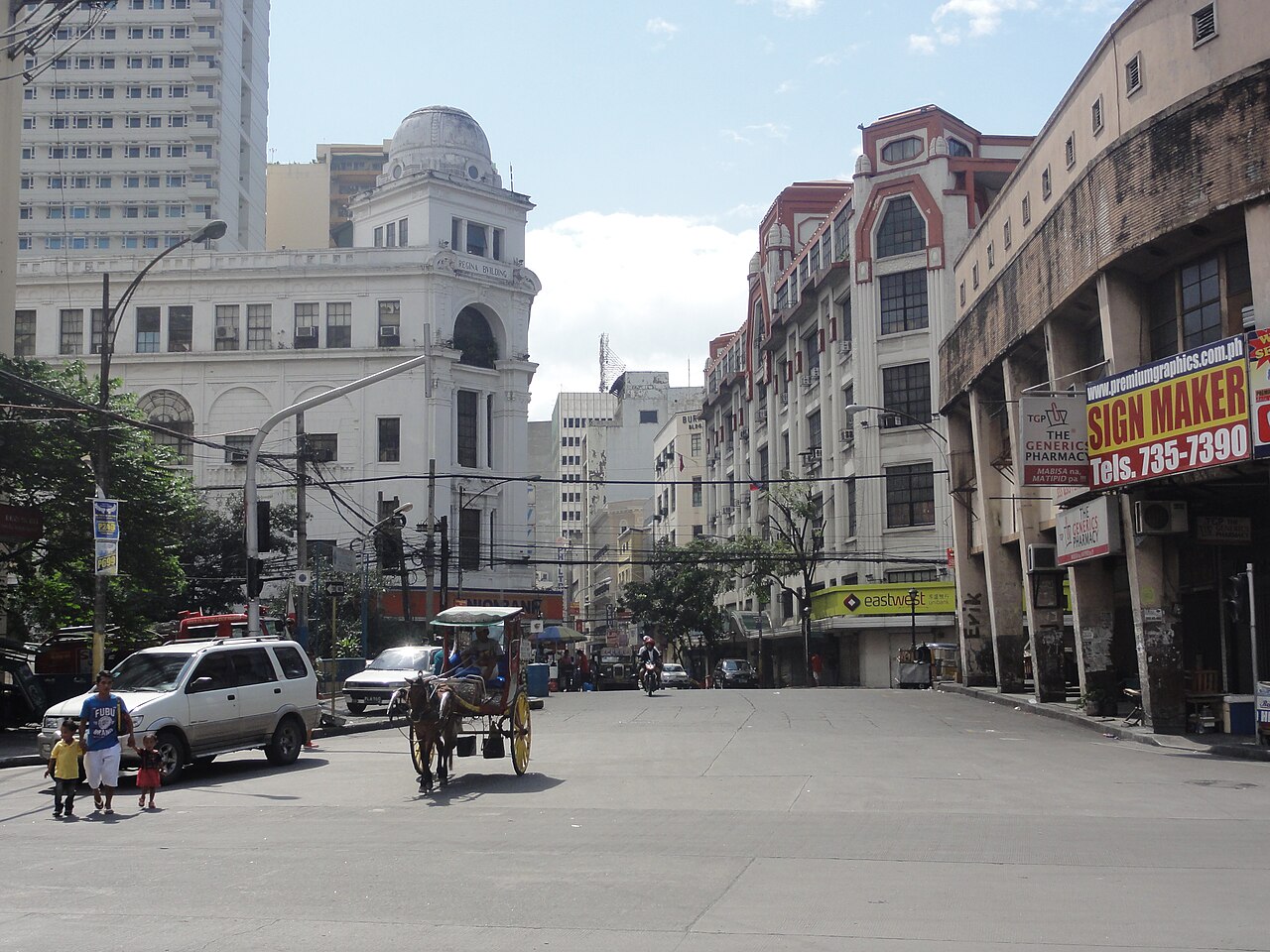
2 min walk
Escolta Street
- Must see
- Activity
Language · 11 published
Museum · Manila
Reviewed by Elena Voss · Roavina Travel Editor
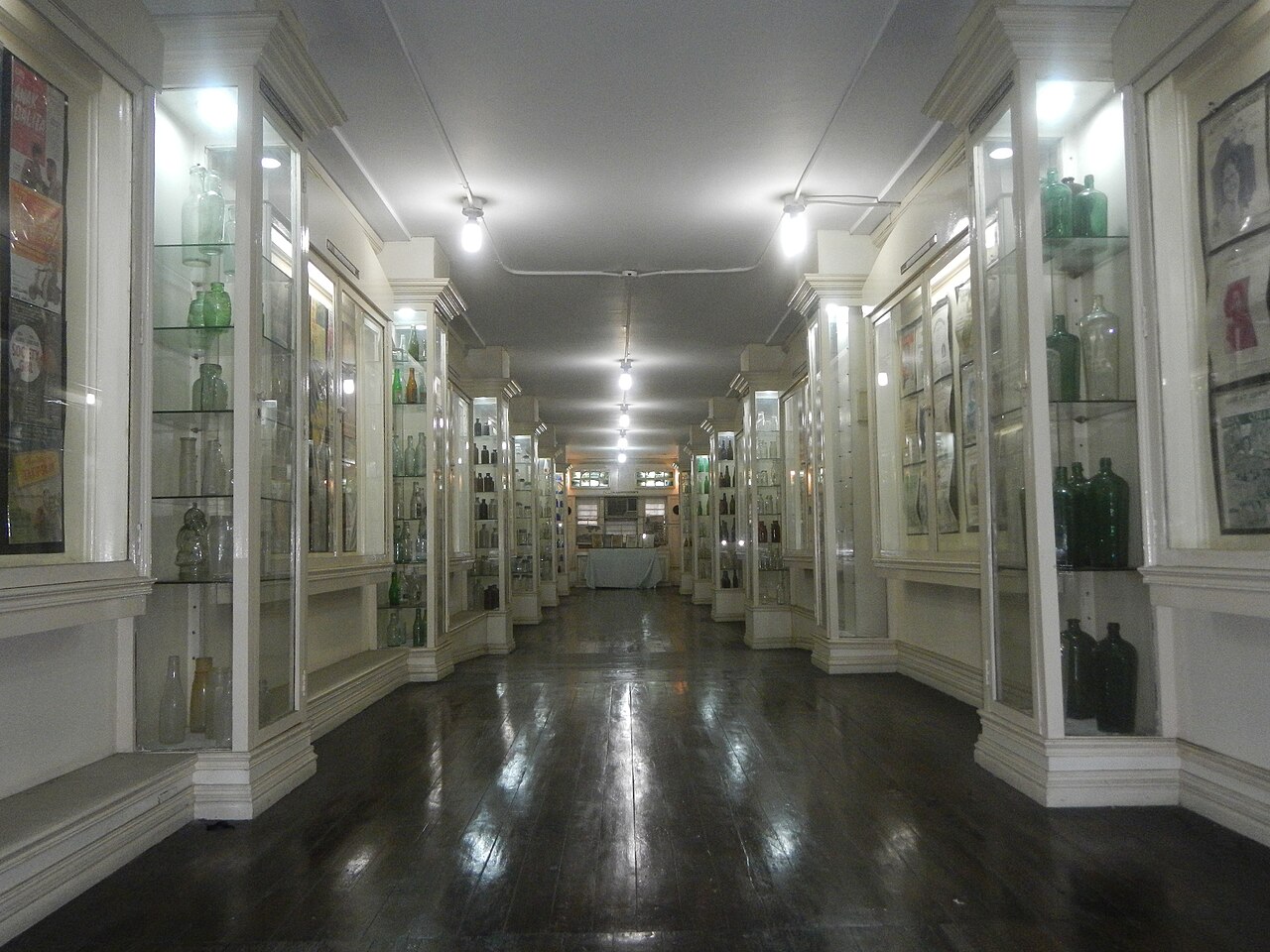
This place is a Museum.
Calvo Museum is a heritage museum in Metro Manila, Philippines, housed in a historic building. Its focus is Philippine history and commerce, making it a useful stop for travelers interested in the material side of Manila’s past. The museum offers a quieter, more focused experience than the city’s large public attractions and fits naturally into a heritage-oriented visit around central Manila. Calvo Museum is a heritage institution located in Metro Manila, Philippines. It occupies a historic building and serves as a repository for cultural artifacts and memorabilia related to Philippine history and commerce. The museum is recognized as a meaningful visitor destination within the metropolitan area, contributing to the region's tourism landscape. Its establishment reflects efforts to preserve and present aspects of Filipino heritage for public appreciation and education. The museum's identity is documented through OpenStreetMap data rather than official city tourism listings.
Checked 2026-08-26 · Source
The collections bring together historical objects, documents, memorabilia, and other material connected with Philippine commercial and cultural development. Visitors can read the displays as a record of changing urban life, trade, and everyday activity in Manila. The experience is centered on objects and interpretation rather than rides or interactive entertainment, so it rewards travelers who enjoy taking time with labels and visual details. The museum houses collections of historical items connected to Philippine commercial and cultural development. Visitors can expect to find artifacts, documents, and objects that illustrate aspects of Manila's past. The specific contents reflect curatorial choices focused on heritage preservation. The museum's holdings represent material culture from periods of significant social and economic change in the Philippines.
Checked 2026-08-26 · Source
Allow roughly forty-five minutes to ninety minutes for a visit. A quick walkthrough can fit into less than an hour, while travelers who enjoy historical objects, written interpretation, or the building itself may stay longer. The museum works well as one compact stop within a wider Manila heritage route, especially when paired with nearby districts and older streets. A visit to Calvo Museum typically requires between forty-five minutes and ninety minutes, depending on individual interest levels and the extent of current displays. Casual visitors may complete a walkthrough in under an hour, while those with strong interest in Philippine commercial history or heritage architecture may wish to spend additional time examining artifacts and reading interpretive materials. The compact nature of the historic building suggests limited gallery space, which naturally constrains visit duration. Visitors should adjust expectations according to their personal pace and the density of exhibits on view during their attendance.
Checked 2026-08-26 · Source
The museum suits a daytime heritage itinerary and offers an indoor pause during a day spent exploring Manila. November through April is generally the more comfortable period for moving between city sights because conditions are often drier. Leave enough flexibility in the day for urban traffic and for a slower visit if the historical displays hold your attention.
Checked 2026-08-26 · Source
Calvo Museum is a heritage destination rather than an open public square, so admission arrangements belong to the visit plan. Treat the museum as a short cultural stop and carry a practical payment option for any entry or contribution requested at the door. Its compact scale makes it easy to combine with other Manila museums, churches, and historic commercial streets.
Checked 2026-08-26 · Source
The museum sits within Metro Manila’s dense urban setting, where jeepneys, buses, taxis, and ride-hailing vehicles are common ways to move between districts. Traffic can change the length of even a short journey, so place Calvo Museum beside other central stops in the same outing. A map pin is especially useful when navigating the surrounding historic streets.
Checked 2026-08-26 · Source
Expect a historic urban building rather than a modern gallery designed around spacious circulation. Stairs, narrow passages, uneven surfaces, heat, and humidity can shape the visit. Keep personal belongings close in busy Manila streets and allow time to cool down between outdoor walks. The museum is best enjoyed at an unhurried pace, with attention to the displays and the character of the building.
Checked 2026-08-26 · Source
Photography should be handled with museum etiquette. Ask staff before photographing delicate objects, documents, or display areas, and avoid flash unless permission is clearly given. Keep equipment unobtrusive in a compact historic interior. Outside, the building and surrounding Manila streets provide useful context for photographs, especially when the museum is included in a broader heritage walk.
Checked 2026-08-26 · Source
It focuses on Philippine history and commerce, presenting historical objects, documents, memorabilia, and related material from Manila’s cultural and commercial past.
Plan for approximately forty-five minutes to ninety minutes, depending on how closely you read the displays and examine the historic building.
It offers a compact, object-focused heritage experience centered on Philippine cultural and commercial history rather than interactive entertainment.
Calvo Museum is in Metro Manila, Philippines, within the capital’s dense urban environment and its wider network of historic districts.
Jeepneys, buses, taxis, and ride-hailing vehicles are common options for moving between Manila districts; traffic may significantly affect journey time.
Bring comfortable clothing for Manila’s warm climate, keep belongings secure in the city, and carry a practical payment option for the visit.
Loading the interactive map…
The interactive map could not be loaded.


Last updated:
Source: OpenStreetMap contributors ·