Cultural Center of the Philippines
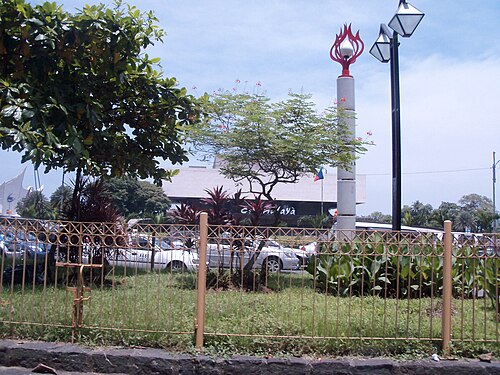
The Cultural Center of the Philippines is a major performing-arts venue in Metro Manila, set beside Manila Bay in the Pasay area.
- Notable
- Historic monument
- Manila
Country guide
About 7,641 islands hold more than 114 million people, and the Philippines divides north to south into three parts — Luzon, the Visayas, Mindanao — which is the...
Photograph · Micluna · CC BY-SA 4.0
Reviewed by Elena Voss · Roavina Travel Editor
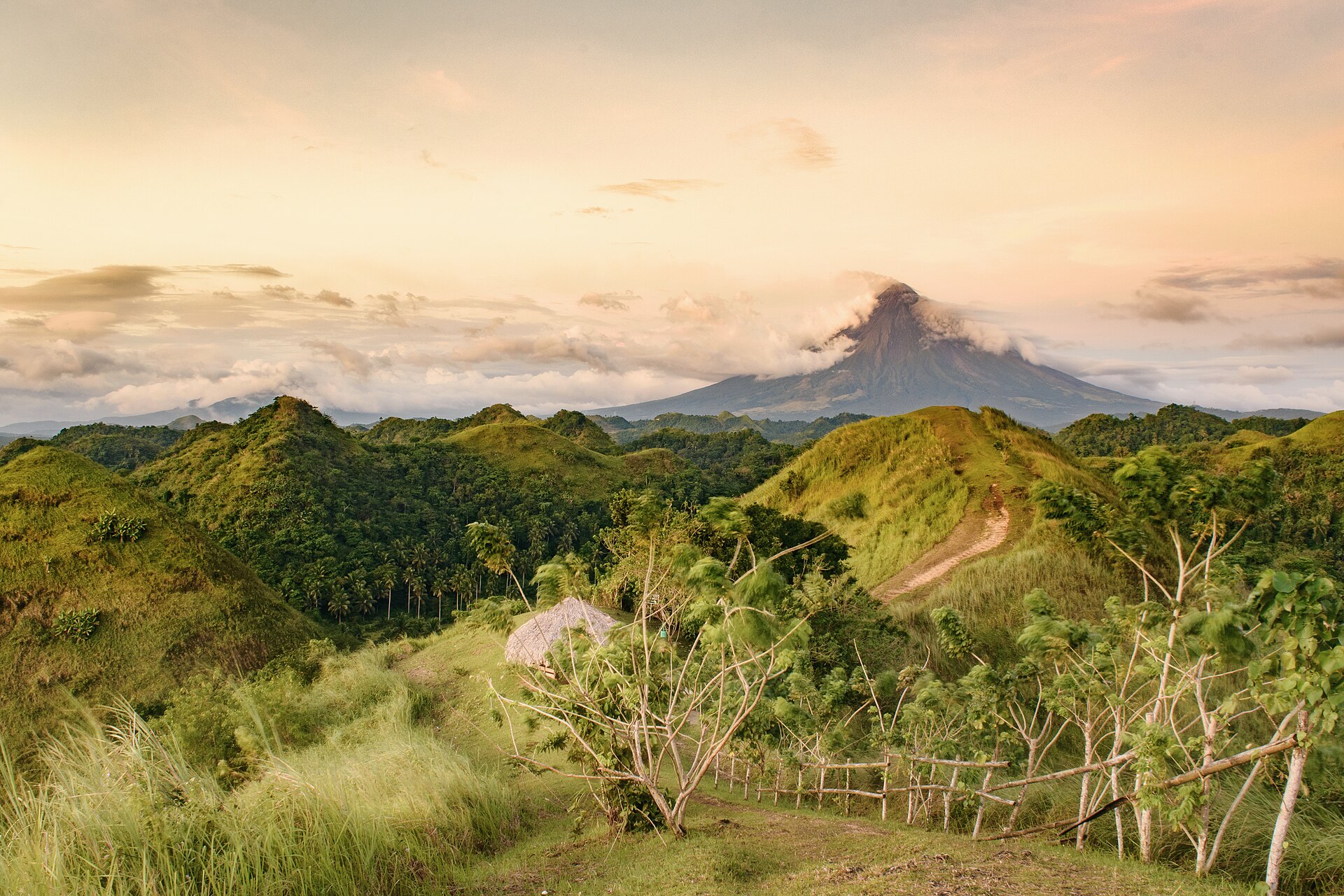
About 7,641 islands hold more than 114 million people, and the Philippines divides north to south into three parts — Luzon, the Visayas, Mindanao — which is the division a traveller ends up planning around. Luzon carries Manila and the national institutions; the Visayas are the middle scatter of smaller islands where most beach itineraries land; Mindanao in the south is the least visited of the three. Nothing here joins up by road for long. The land adds up to only about 300,000 square kilometres, but it is strung across a stretch of the western Pacific wide enough that a domestic flight is usually the honest answer.
Checked 2026-08-25
Every city catalogued in this country so far, ranked by how much there is to see.
Photograph · Mike Gonzalez (TheCoffee) · CC BY-SA 3.0
Photograph · Patrickroque01 · CC BY-SA 4.0
Ranked by importance — sitelinks, pageviews and heritage status, not editor preference.
85 places match
Category
Typical visit duration
Interests
The Cultural Center of the Philippines is a major performing-arts venue in Metro Manila, set beside Manila Bay in the Pasay area.
Greenbelt Chapel is a Catholic place of worship set within the Greenbelt shopping complex in Makati. Its circular form sits among landscaped gardens, water features, shops, restaurants, and pedestrian paths.
Il Corso is a commercial and lifestyle destination in Cebu City, combining an urban visitor stop with opportunities for leisure and everyday city life.
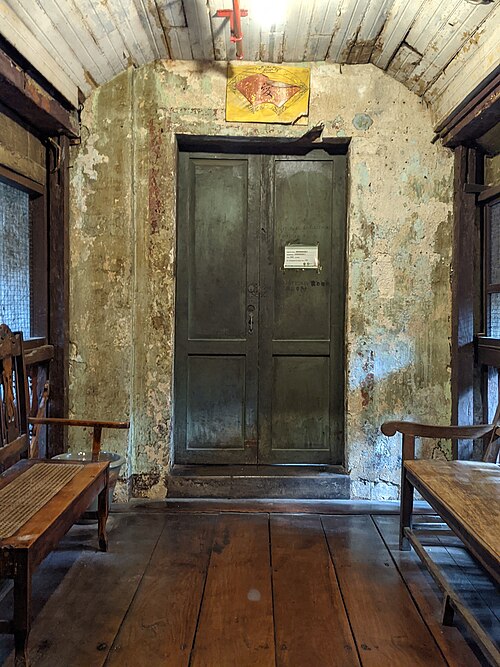
The Jesuit House of 1730 is a heritage structure in Cebu City, Philippines, associated with the Society of Jesus. The building represents colonial-era architecture and serves as a tangible link to Cebu's religious and cultural past.
Jose R. Gullas Halad Museum is a Cebu City cultural institution devoted to musical heritage. Its subject connects the city’s artistic identity with the people, traditions, and memories preserved through music.
Kabang Falls is a natural waterfall destination associated with Cebu Island’s tropical interior. It offers a contrast to Cebu City’s developed streets and coastal visitor areas, with the experience centred on flowing water, forested surroundings and the landscape itself.
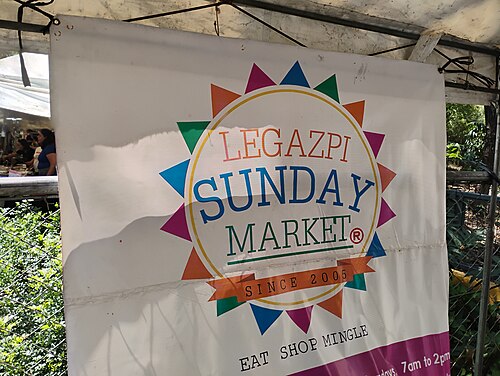
Legazpi Sunday Market is a weekend market located in the Legazpi Village area of Makati, Metro Manila. It operates as a community gathering space where vendors sell goods directly to visitors.
Lucky Chinatown Mall is a shopping and leisure complex in Binondo, Manila’s historic Chinatown. It gives travelers a modern indoor base from which to experience one of the capital’s most commercially energetic districts.
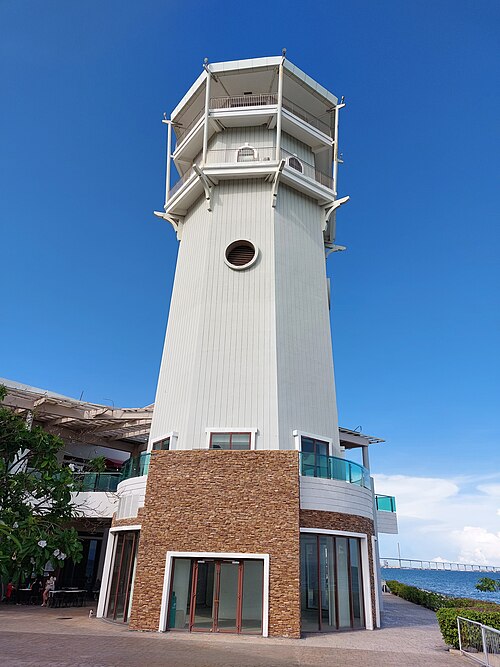
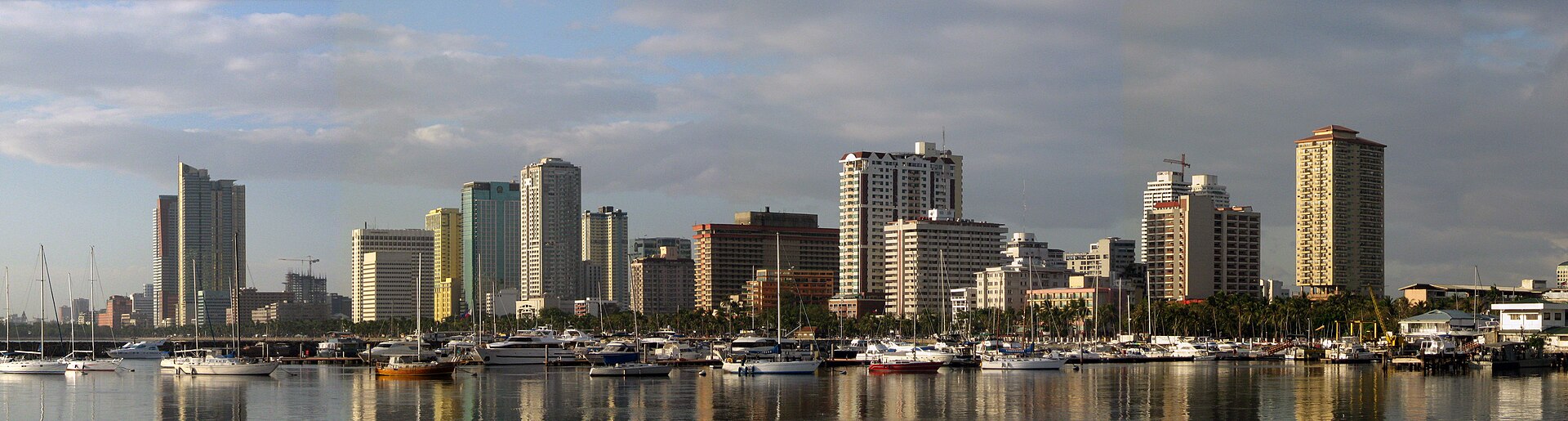
Manila Baywalk is a seaside promenade tracing the edge of Manila Bay along Roxas Boulevard. It serves as a public leisure corridor where visitors gather for bay sunsets and evening recreation.
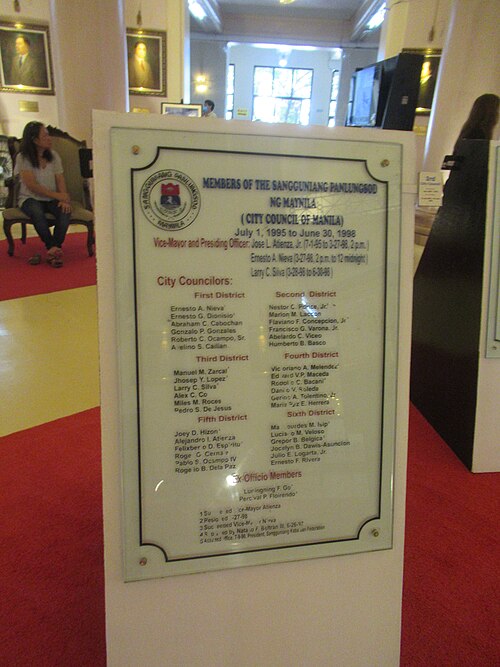
Manila City Hall Clock Tower is a prominent civic landmark within the Manila City Hall complex. The tower belongs to the city’s administrative centre and contributes a recognisable vertical feature to the urban landscape of the Philippine capital.
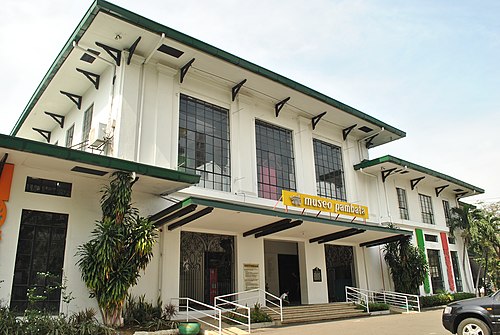
Museo Pambata is an interactive children’s museum in Ermita, Manila, created around hands-on learning and play-based discovery.
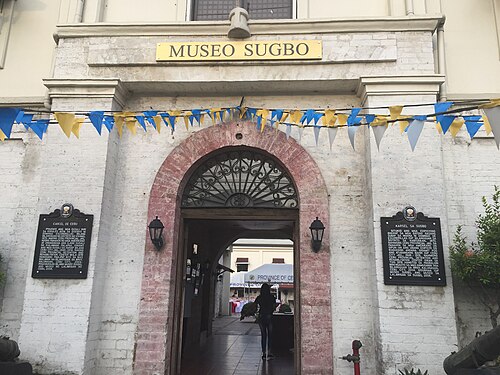
Museo Sugbo is a museum in Cebu City, Philippines. It occupies a building with historical significance in the city's heritage landscape. The structure itself represents an important chapter in Cebu's urban development.
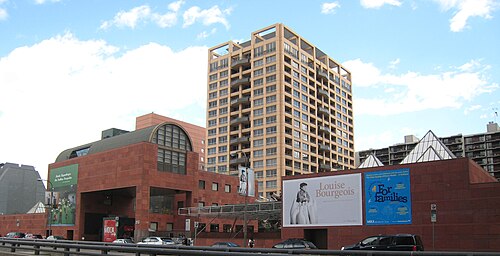
The Museum of Contemporary Art and Design presents contemporary artistic practice in Metro Manila. It gives visitors a place to encounter Filipino and international artists working with current social, political, and cultural questions.
National Museum of Fine Arts
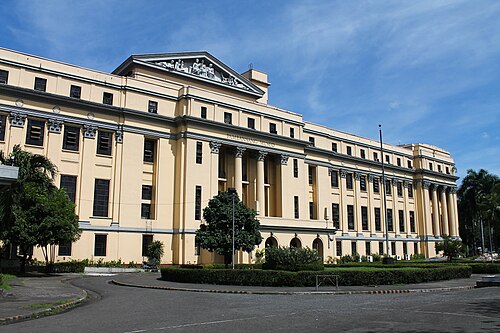
The National Museum of Fine Arts is a major cultural institution in Manila, Philippines. It occupies the historic Old Legislative Building, an imposing neoclassical structure completed in 1926 that has served multiple governmental functions before its conversion to museum use.
The National Museum of the Philippines - Cebu is a regional branch of the national museum system, located in Cebu City on Cebu Island. It serves as a cultural repository preserving and exhibiting artifacts relevant to the region's heritage.
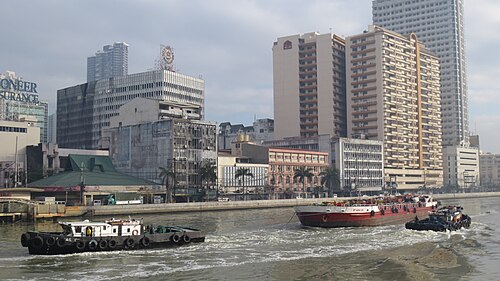
Pasig River Esplanade is a riverside promenade along the Pasig River in Metro Manila. It forms part of efforts to rehabilitate and reactivate the river corridor as public urban space.
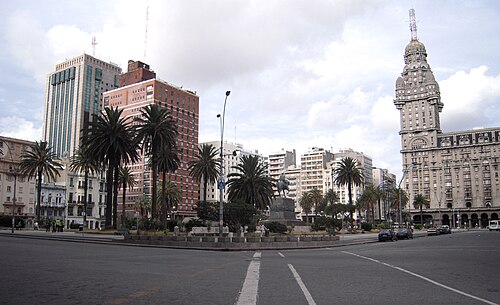
Plaza Independencia is a historic civic square in Cebu City, Philippines. It serves as a significant public space connecting the Spanish colonial-era Fort San Pedro with the National Museum of the Philippines Cebu.
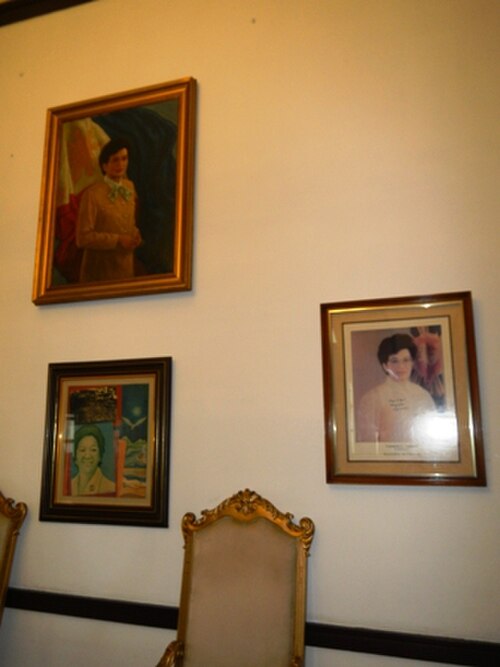
The Presidential Museum and Library is a cultural institution within the Malacañang Palace complex in Manila.
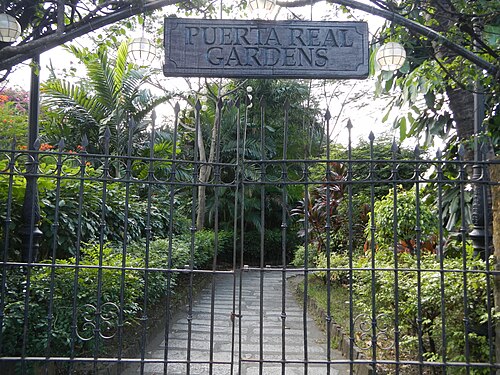
Puerta Real Gardens is a landscaped heritage space inside Manila’s Intramuros district. The garden is associated with the historic Puerta Real gate, once the royal entrance to the walled city.
Sachiko’s Little Kyoto is a visitor destination in Cebu City designed around Japanese cultural aesthetics and the atmosphere associated with Kyoto, Japan’s former imperial capital.
Salcedo Saturday Market is an outdoor community market in Salcedo Village, Makati, where local vendors gather for a Saturday morning shopping and eating experience.
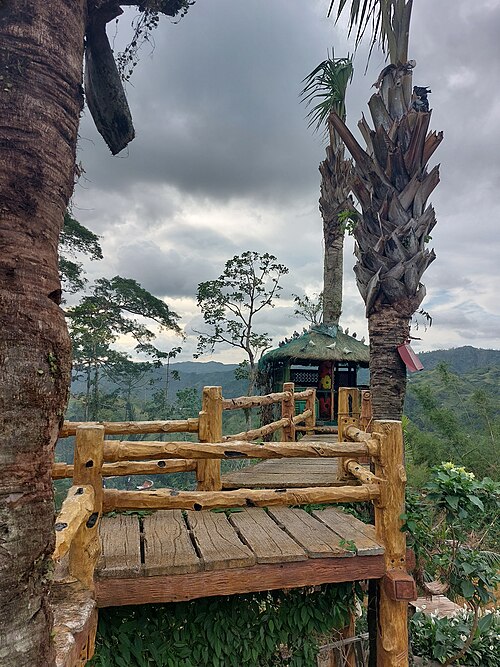
Sirao Garden is a landscaped attraction on the outskirts of Cebu City, developed as a floral display garden that has become a notable visitor destination.
Sirao Pictorial Garden is an outdoor photography attraction on Canada Drive in Barangay Sirao, Cebu City. Its landscaped settings and decorative installations are arranged for portraits, group photographs and casual sightseeing.
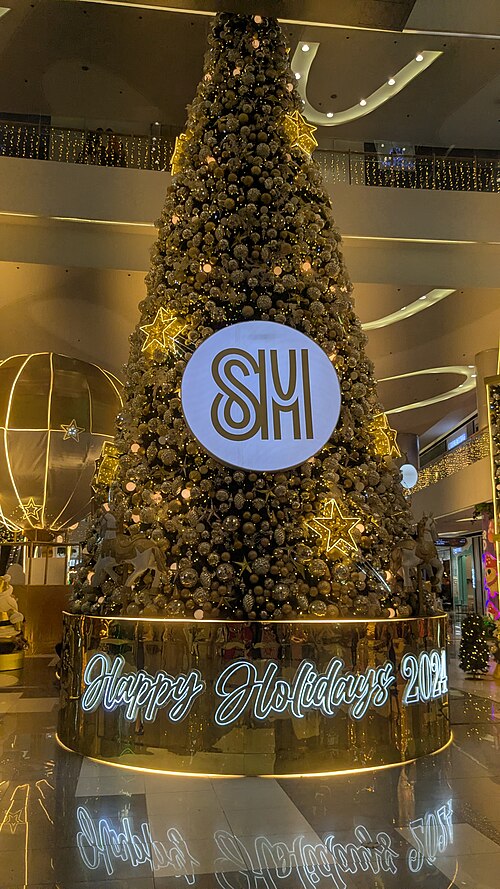
SM Seaside City Cebu is a large shopping mall located in Cebu City, Philippines. It forms part of the SM Supermalls chain operated by SM Prime Holdings.
The Temple of Leah is a prominent landmark in Cebu City, often described as a memorial structure. It has gained recognition in local and travel-media coverage as a significant attraction within the city's top ten points of interest.
Ten to fourteen days should focus on one or two island groups, such as Manila with Palawan or Cebu with nearby Visayan islands. Each additional island adds a terminal transfer and weather exposure, so keep the final night close to the international departure airport.
Use the official eTravel service for any required arrival registration and check Bureau of Immigration guidance for the passport and length of stay. Registration is not a substitute for a visa when one is required, and unofficial lookalike services should not be used.
The Philippine Ports Authority documents passenger terminals and inter-island links, including Batangas services toward Mindoro, Palawan, Panay, Negros, Cebu and Mindanao. Confirm the exact port and terminal with the licensed carrier. Domestic-air routing and claims about Manila or Cebu as flight hubs are Not recorded by this source, so they are not inferred here.
Dry-season expectations vary by island and typhoon exposure matters more than a single national calendar. Build the trip around the weather pattern of the selected island group, keep sea-transfer days flexible and monitor official storm notices before any ferry leg.
The Philippine peso is used nationwide. Cash is important on smaller islands and for local road transport, while city hotels and larger businesses more often accept cards; use bank-connected machines and check whether island services add separate terminal or environmental fees.
Call 911 for the recorded emergency service; power standards include Types A, B and C at 220 V. Tap-water safety is Not recorded in this dataset, so confirm supply locally, and retain carrier and terminal contacts whenever the itinerary includes sea travel.