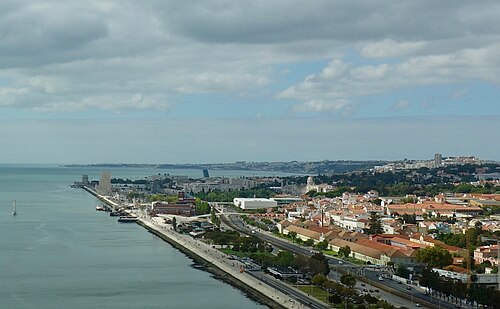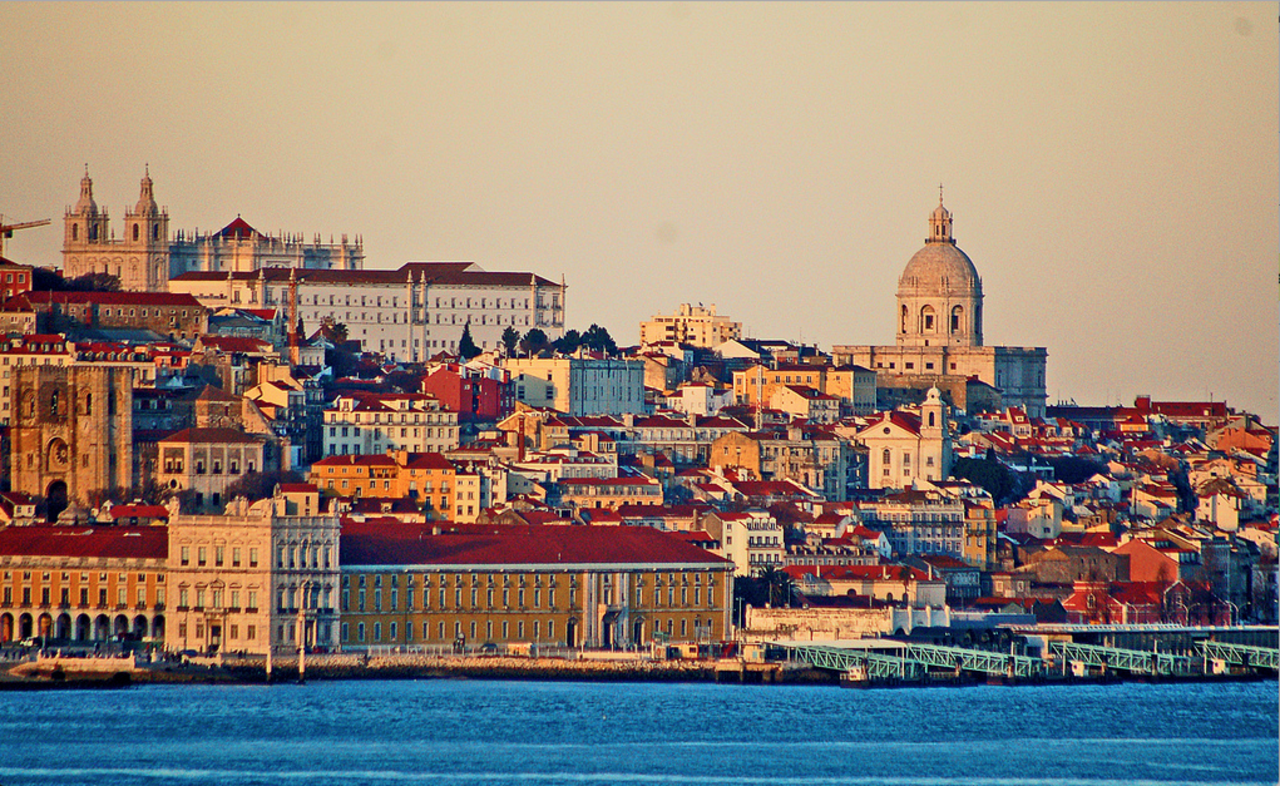
A photograph of Lisbon

City guide · Portugal

Museums in Lisbon, Portugal — page 2

Lisbon is Portugal's capital, built on hills along the north bank of the Tagus estuary. The lower Baixa grid forms the central hinge between the older slopes of...

Photograph · Lacobrigo · CC BY-SA 4.0

3,015 Places
Suggested stay
Not recorded
Getting around
Walk, metro, Carris and ferry

Turn this list into a plan

Set your days, your pace and the hours you actually want to be out. The planner works around closing days and travel time, and leaves room to eat.

Plan Lisbon

Reviewed by Elena Voss · Roavina Travel Editor

Lisbon is Portugal's capital, built on hills along the north bank of the Tagus estuary. The lower Baixa grid forms the central hinge between the older slopes of Alfama and Mouraria to the east and Chiado, Bairro Alto and Estrela to the west. Belém is a separate riverside monument cluster farther west, while Parque das Nações occupies a modern eastern waterfront. Viewpoints, steep lanes, tiled facades and river crossings make the city's geography part of the visit rather than a background to isolated monuments.

Checked 2026-08-26

Practical information

Language spoken
Portuguese
National practical orientation; regional and minority languages may also be used
Dialling code
+351
International calling code; local area and mobile prefixes still apply
Currency
Euro (EUR)
Use the official local currency; card acceptance varies by place
Emergency number
112
Use only for an emergency; tourist assistance may use a separate number
Plug type
Type C and F · 230 V
Check that chargers support the recorded voltage before using an adapter
Tap water
Not recorded
No verified nationwide visitor statement was recorded

Planning a visit

September · September in Lisbon has mean high 26.6°C and rainfall 38.6 mm. Warm, drier weather makes Lisbon's hills, viewpoints, and waterfront easier to enjoy. September supports a full day of outdoor stops in Lisbon.

  1. January: viable with meaningful trade-offs
  2. February: good time to visit
  3. March: good time to visit
  4. April: best time to visit
  5. May: best time to visit
  6. June: best time to visit
  7. July: best time to visit
  8. August: best time to visit
  9. September: best time to visit — current month
  10. October: good time to visit
  11. November: viable with meaningful trade-offs
  12. December: viable with meaningful trade-offs

Sources

Top things to see

Ranked by importance — sitelinks, pageviews and heritage status, not editor preference.

  1. National Coach Museum National Coach Museum
    07 1 hr 30 min

    National Coach Museum

    Museu Nacional dos Coches

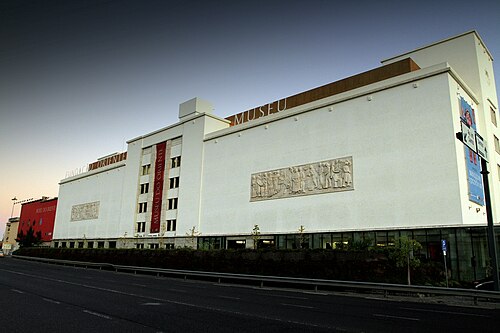
    The National Coach Museum, locally named Museu Nacional dos Coches, stands as one of Lisbon's most distinctive cultural institutions. It holds one of the world's finest collections of royal ceremonial vehicles.

    • Must see
    • Museum
  2. Fado Museum Fado Museum
    08 1 hr 30 min

    Fado Museum

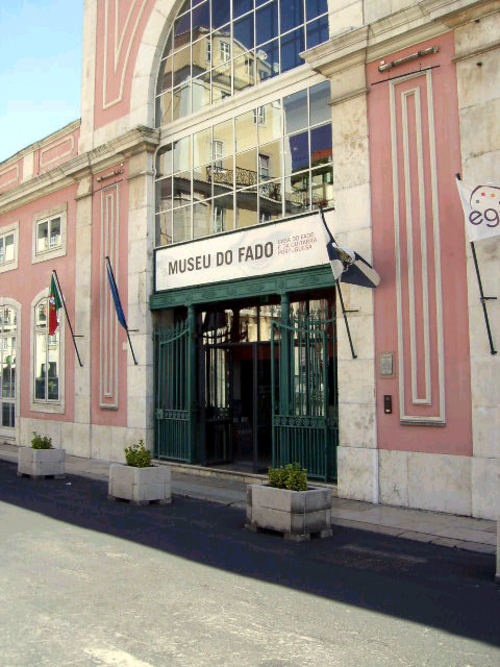
    Museu do Fado

    The Fado Museum, known locally as Museu do Fado, is a cultural institution in Lisbon dedicated to Portugal's iconic musical genre. Fado, recognized by UNESCO as Intangible Cultural Heritage, expresses saudade—a profound sense of longing.

    • Must see
    • Museum
  3. Navy Museum Navy Museum
    10 1 hr 30 min

    Navy Museum

    Museu de Marinha

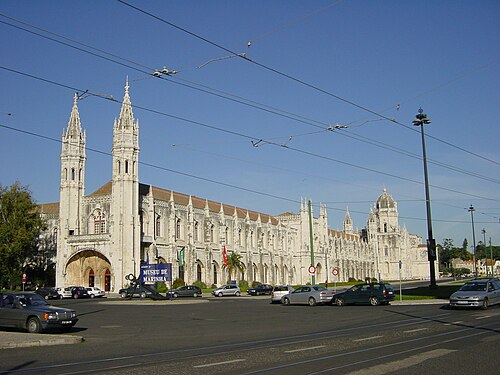
    The Navy Museum, also called Museu de Marinha, explores Portugal's long maritime tradition. It stands in Belém within the Jerónimos Monastery complex, placing naval history alongside one of Lisbon's major heritage landmarks.

    • Must see
    • Museum
  4. Belém Cultural Center Belém Cultural Center
    11 1 hr 30 min

    Belém Cultural Center

    Centro Cultural de Belém

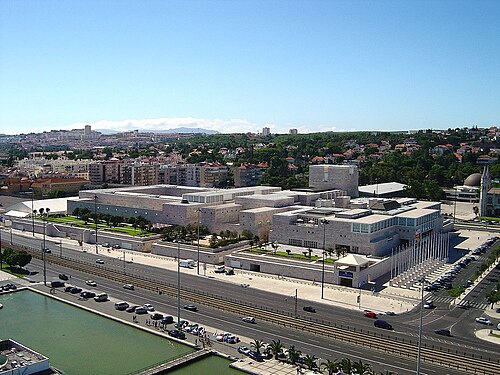
    The Belém Cultural Center, known locally as Centro Cultural de Belém, is a major cultural complex in the Belém district of Lisbon, Portugal.

    • Must see
    • Museum
  5. Ancient Roman theatre Ancient Roman theatre
    12 1 hr 30 min

    Ancient Roman theatre

    Museu de Lisboa - Teatro Romano

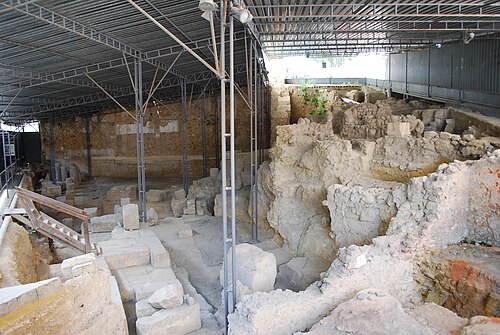
    The Ancient Roman theatre, known locally as Museu de Lisboa – Teatro Romano, preserves the remains of a Roman performance venue in Lisbon's Alfama district.

    • Must see
    • Museum
  6. Cadeia do Aljube Cadeia do Aljube
    13 1 hr 30 min

    Cadeia do Aljube

    Museu do Aljube - Resistência e Liberdade

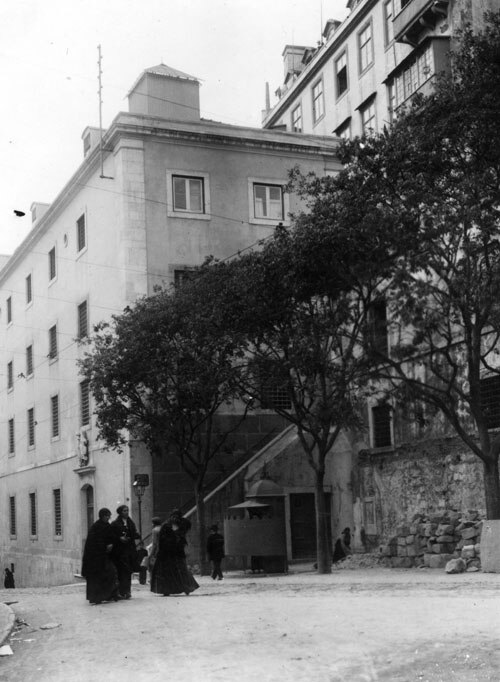
    Cadeia do Aljube, now operating as Museu do Aljube - Resistência e Liberdade, is a former prison in Lisbon. The building served as a place of detention during the Estado Novo dictatorship that governed Portugal from 1933 to 1974.

    • Must see
    • Museum
  7. Museu da Marioneta Museu da Marioneta
    14 1 hr 30 min

    Museu da Marioneta

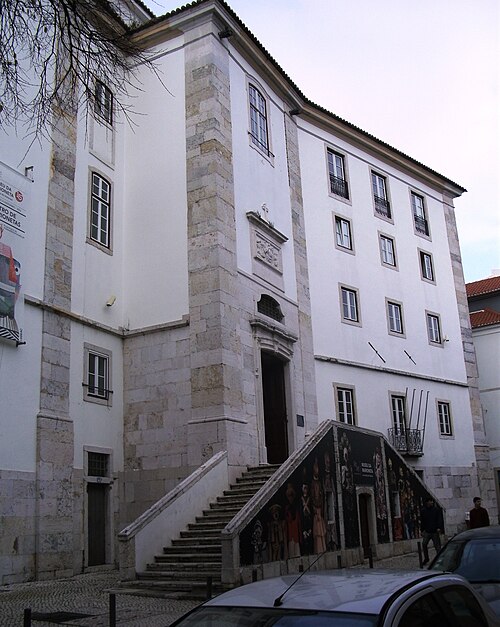
    Museu da Marioneta is a museum dedicated to the art of puppetry, located in Lisbon. It occupies the historic Convento das Bernardas in the Madragoa district.

    • Must see
    • Museum
  8. Rafael Bordalo Pinheiro Museum Rafael Bordalo Pinheiro Museum
    15 1 hr 30 min

    Rafael Bordalo Pinheiro Museum

    Museu Bordalo Pinheiro

    The Rafael Bordalo Pinheiro Museum, locally named Museu Bordalo Pinheiro, is a Lisbon museum dedicated to the work of Rafael Bordalo Pinheiro, a prominent nineteenth-century Portuguese artist.

    • Must see
    • Museum
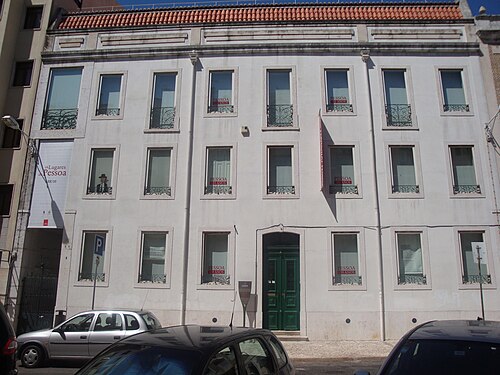
  9. Casa Fernando Pessoa Casa Fernando Pessoa
    16 1 hr 30 min

    Casa Fernando Pessoa

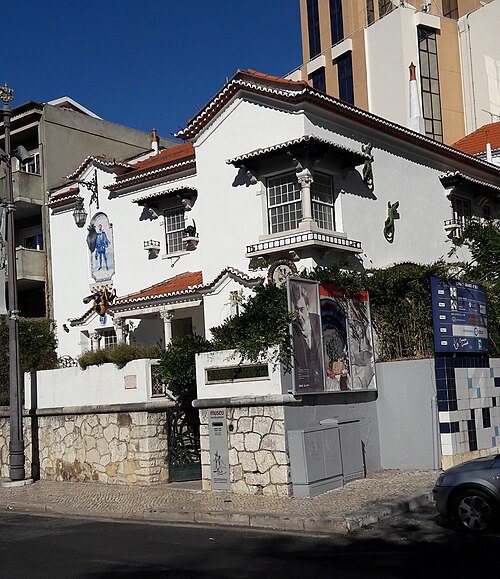
    Casa Fernando Pessoa is a cultural house museum in Lisbon devoted to the life and work of Fernando Pessoa. The building was his home during his final years, and the site combines remembrance with literary study and cultural programming.

    • Must see
    • Museum
  10. Amália Rodrigues House Museum Amália Rodrigues House Museum
    17 1 hr 30 min

    Amália Rodrigues House Museum

    Casa-Museu Amália Rodrigues

    The Amália Rodrigues House Museum is a cultural institution in Lisbon dedicated to the life and legacy of Amália Rodrigues, Portugal's most celebrated fado singer.

    • Must see
    • Museum
  11. Museu do Dinheiro Museu do Dinheiro
    18 1 hr 30 min

    Museu do Dinheiro

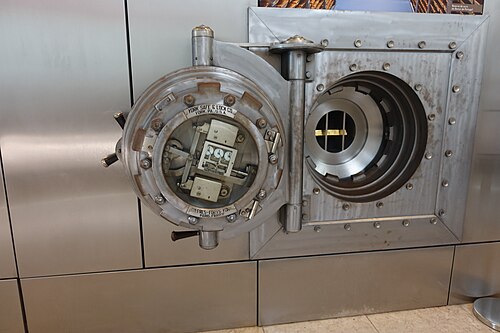
    Museu do Dinheiro is a museum in Lisbon dedicated to the history of money and currency. It is operated by the Banco de Portugal, the country's central bank, and serves as an institution preserving and presenting numismatic and monetary heritage.

    • Must see
    • Museum
  12. National Museum of Natural History and Science National Museum of Natural History and Science
    19 1 hr 30 min

    National Museum of Natural History and Science

    Museu Nacional de História Natural e da Ciência

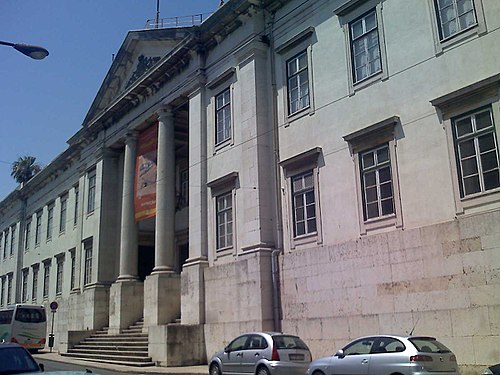
    The National Museum of Natural History and Science occupies a historic building in Lisbon’s university quarter. It brings together natural history, scientific study, and public learning.

    • Must see
    • Museum
  13. Chiado Museum Chiado Museum
    20 1 hr 30 min

    Chiado Museum

    Museu Nacional de Arte Contemporânea - Museu do Chiado

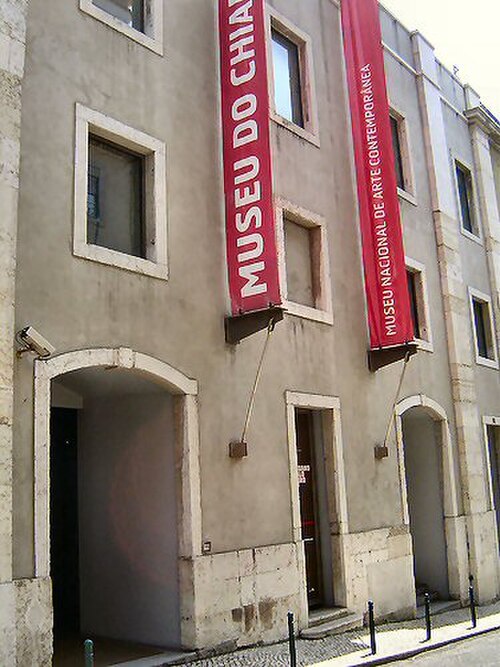
    The Chiado Museum is the National Museum of Contemporary Art in Lisbon, housed in a building that was reconstructed following a devastating fire in 1988.

    • Must see
    • Museum
  14. Centro de Arte Moderna Gulbenkian (CAM) Centro de Arte Moderna Gulbenkian (CAM)
    21 1 hr 30 min

    Centro de Arte Moderna Gulbenkian (CAM)

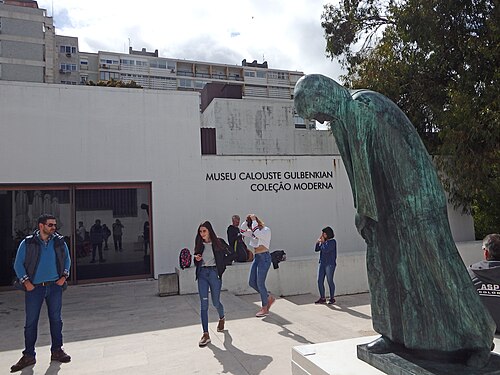
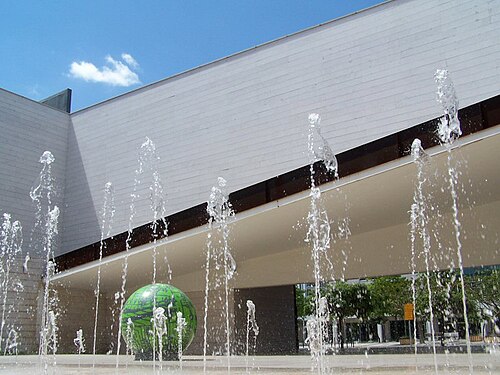
    Centro de Arte Moderna Gulbenkian, usually called CAM, is Lisbon’s dedicated museum for modern and contemporary art. The museum forms part of the Calouste Gulbenkian Foundation complex, but it is distinct from the foundation’s classical art museum.

    • Must see
    • Museum
  15. Pavilhão do Conhecimento - Ciência Viva Science Centre Pavilhão do Conhecimento - Ciência Viva Science Centre
    22 1 hr 30 min

    Pavilhão do Conhecimento - Ciência Viva Science Centre

    Pavilhão do Conhecimento

    The Pavilhão do Conhecimento, known in English as the Ciência Viva Science Centre, is an interactive science museum located in Lisbon. It occupies a building originally constructed for Expo '98, the last world exposition of the 20th century.

    • Must see
    • Museum
  16. Reservatório da Mãe d'Água das Amoreiras Reservatório da Mãe d'Água das Amoreiras
    23 1 hr 30 min

    Reservatório da Mãe d'Água das Amoreiras

    The Reservatório da Mãe d'Água das Amoreiras is a historic water reservoir in Lisbon, Portugal. It forms part of the city's 18th-century Águas Livres Aqueduct system, engineered to supply fresh water to the capital.

    • High
    • Museum
  17. Carris Museum Carris Museum
    24 1 hr 30 min

    Carris Museum

    Museu da Carris

    The Carris Museum, or Museu da Carris, traces the history of Lisbon’s public transport through the company that operates the city’s trams, buses, and funiculars.

    • High
    • Museum
  18. Pilar 7 Experience Pilar 7 Experience
    25 1 hr 30 min

    Pilar 7 Experience

    Experiência Pilar 7

    Experiência Pilar 7 is a visitor attraction in Lisbon centred on the iconic 25 de Abril Bridge. The experience focuses on one of the bridge's massive concrete pillars, offering access to structural elements normally hidden from public view.

    • Notable
    • Museum

Source: OpenStreetMap contributors, Wikidata ·

How the city is laid out

Baixa lies in the low central valley between Lisbon's hills and is the easiest orientation point. Alfama and the castle climb east from the river; Mouraria and Graça continue around the northern side of that ridge. Chiado and Bairro Alto rise west of Baixa, with Cais do Sodré below them on the waterfront. Belém is well west of the centre and should be treated as its own cluster. Across the Tagus, Cacilhas is reached by ferry and gives a different riverbank perspective rather than another central neighbourhood.

Checked 2026-08-26

Getting around

Walk within Baixa, Chiado and each hill district, but combine metro, Carris buses, trams and funiculars when elevation or distance makes walking inefficient. Lisbon City Council identifies Carris as the operator for buses, trams and elevators, while Metropolitano de Lisboa runs the metro. Urban trains serve routes such as Cascais and Sintra, and Transtejo or Soflusa ferries cross the Tagus. These are related but distinct services, so verify the current fare product and operator coverage before relying on one ticket for an entire itinerary.

Checked 2026-08-26

Common questions

How many days should I spend in Lisbon?

A fixed stay length is not recorded. Plan separate clusters for Baixa and the central hills, Belém, and any river crossing or regional rail excursion that fits your priorities.

Which district is easiest for orientation?

Baixa is the low central grid. Alfama and Graça rise east, Chiado and Bairro Alto rise west, and the riverfront runs below them toward Belém.

Do I need public transport in central Lisbon?

Yes for some journeys. The centre is walkable in clusters, but hills and changes in elevation make the metro, trams, buses and funiculars useful even over modest map distances.

Is Belém part of the central walking route?

Treat Belém as a separate western riverfront cluster. It is connected by public transport but sits beyond the Baixa, Chiado and Alfama sightseeing core.

How do I cross the Tagus from Lisbon?

Transtejo and Soflusa operate passenger ferries within the metropolitan transport system. Check the current route and timetable for the crossing you need rather than assuming every waterfront terminal serves the same destinations.