Santa Justa Lift
Elevador de Santa Justa
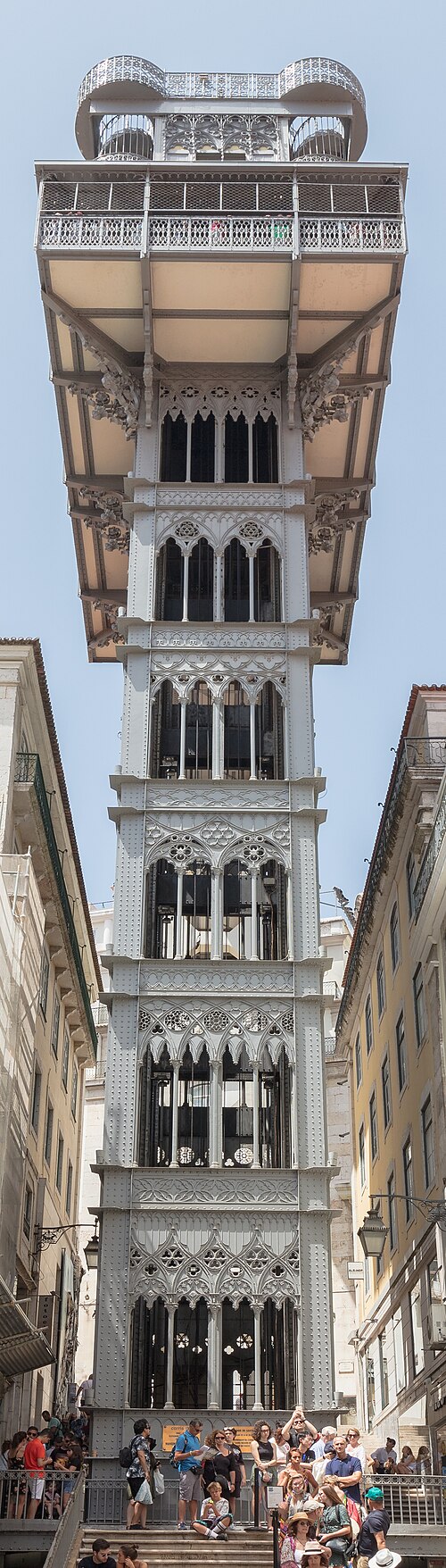
The Santa Justa Lift, known locally as Elevador de Santa Justa, is a historic elevator connecting the lower streets of Baixa with the higher Largo do Carmo.
- Must see
- Historic monument
- Lisbon
Country guide
Portugal fits 11.4 million people into 92,225 square kilometres on the western edge of Iberia, plus the Madeira and Azores archipelagos far out in the Atlantic....
Photograph · Michael Gaylard from Horsham, UK · CC BY 4.0
Reviewed by Elena Voss · Roavina Travel Editor
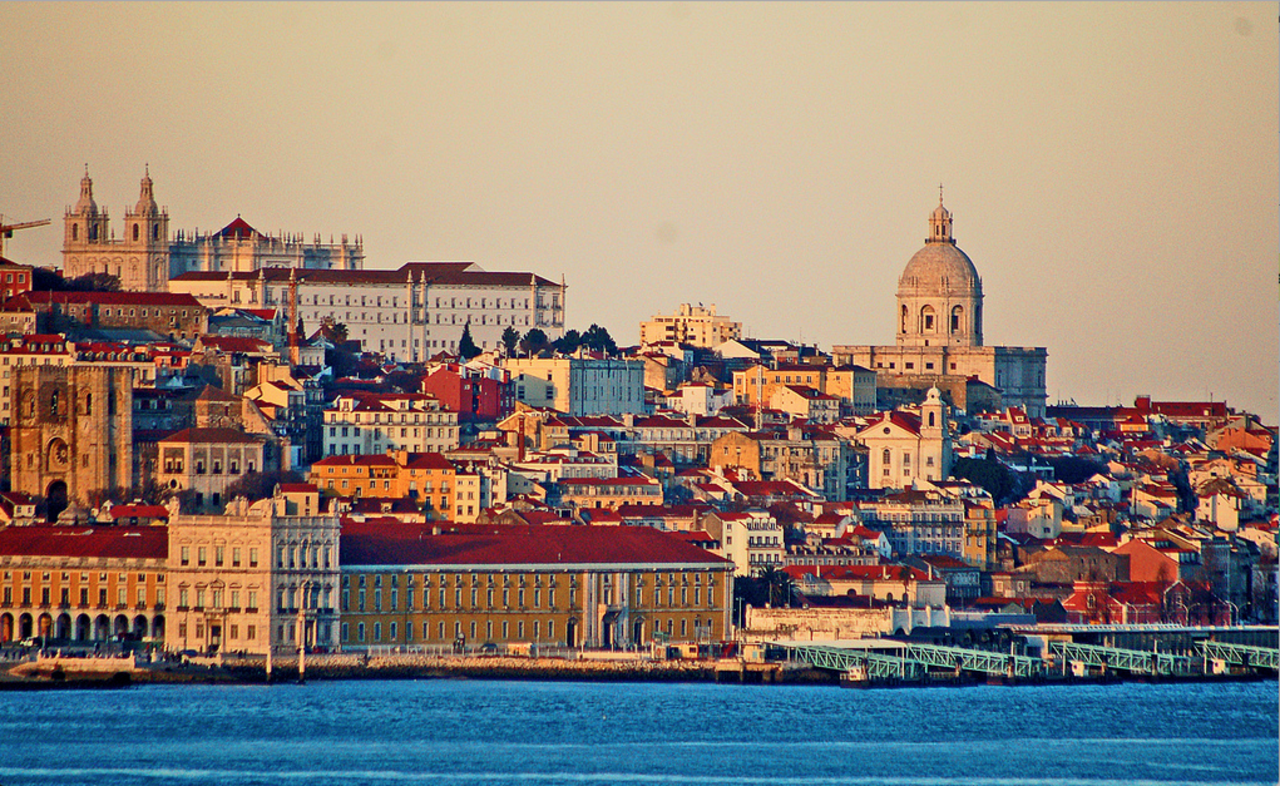
Portugal fits 11.4 million people into 92,225 square kilometres on the western edge of Iberia, plus the Madeira and Azores archipelagos far out in the Atlantic. Sea does much of the work: internal waters and territorial sea together account for two-fifths of the country's territory. On the mainland the difference that matters runs north to south — Porto and the Douro valley are granite, green and wine, Lisbon sits mid-coast on its estuary, and the Algarve at the bottom is dry, low and built for summer. The whole mainland can be driven in a day, which is why most visits combine two cities rather than choose one.
Checked 2026-08-25
Every city catalogued in this country so far, ranked by how much there is to see.
Photograph · Lacobrigo · CC BY-SA 4.0
Seasonal closures come from recorded opening hours.
Ranked by importance — sitelinks, pageviews and heritage status, not editor preference.
82 places match
Category
Typical visit duration
Interests
Elevador de Santa Justa
The Santa Justa Lift, known locally as Elevador de Santa Justa, is a historic elevator connecting the lower streets of Baixa with the higher Largo do Carmo.
Oceanário de Lisboa
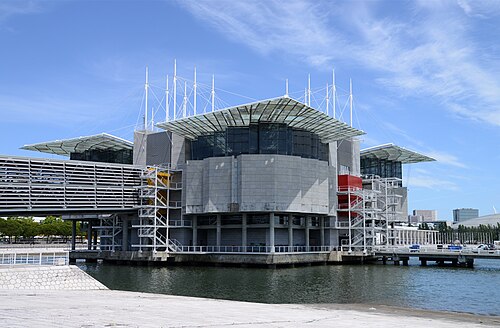
The Oceanário de Lisboa is a large oceanarium in Lisbon, Portugal. It is one of the most prominent aquariums in Europe and a major visitor attraction in the city.
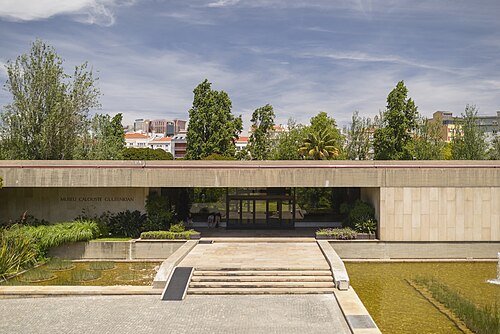
Museu Calouste Gulbenkian
The Calouste Gulbenkian Museum on Avenida de Berna holds one man's collection, kept together as he assembled it.
Museu Nacional do Azulejo
The National Tile Museum is Portugal's museum of the azulejo, the glazed tile that covers the country's churches, palaces, station halls and ordinary stairwells, and it is installed in a building that is itself part of the exhibit: the former…
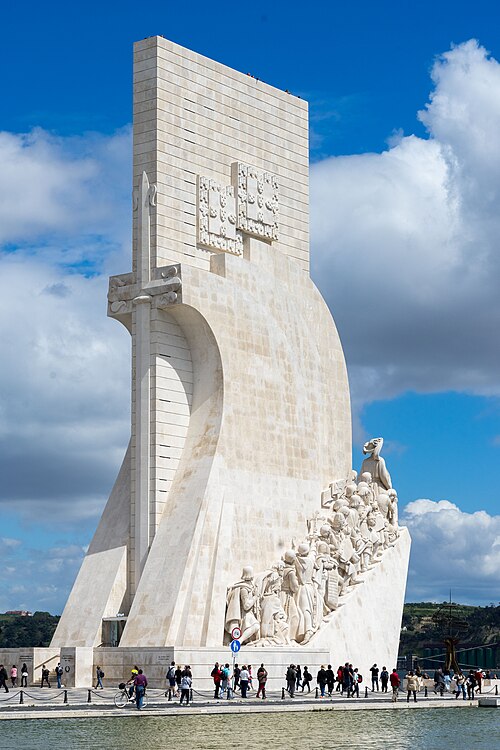
Padrão dos Descobrimentos stands on the Belém waterfront as a 56-metre wedge of concrete and rose-tinted Leiria stone, shaped like a caravel putting out into the Tagus.
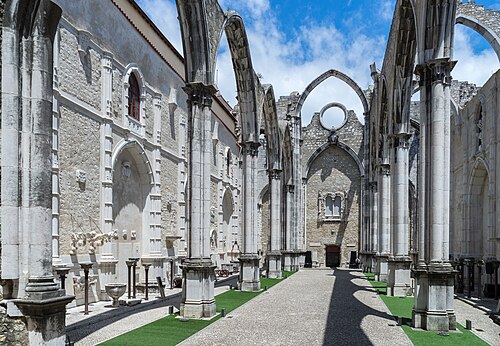
Museu Arqueológico do Carmo
The Carmo Archaeological Museum occupies the ruins of the Carmo Convent, a Gothic church devastated by the 1755 Lisbon earthquake. The open-air nave, with its skeletal arches reaching skyward, stands as one of Lisbon's most haunting landmarks.
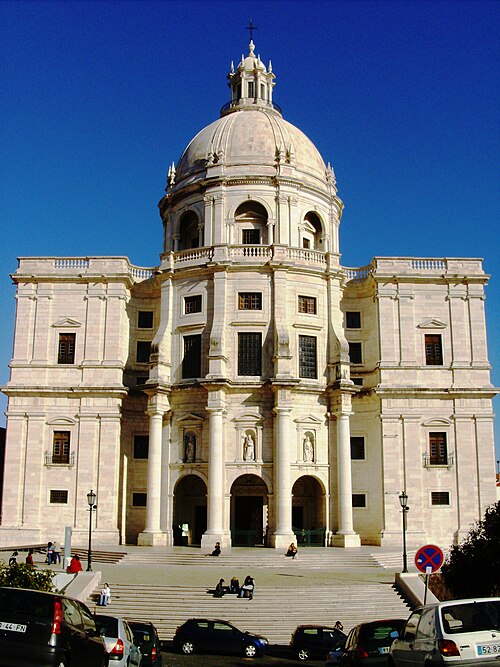
Panteão Nacional
The National Pantheon is the Church of Santa Engrácia, a Baroque monument standing on Campo de Santa Clara on a hill in eastern Lisbon, above the Tagus and behind the Alfama.
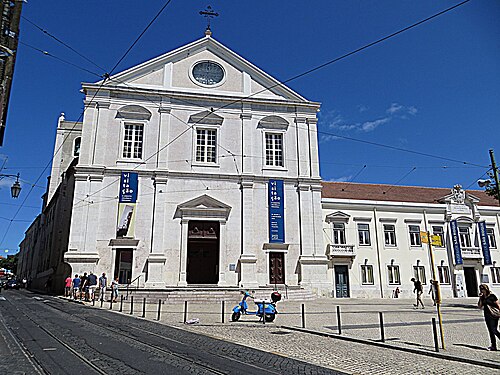
Igreja de São Roque is a Catholic church in Lisbon's Bairro Alto district. The Jesuits built this place of worship, and it served as their Portuguese headquarters.
Igreja de São Vicente de Fora
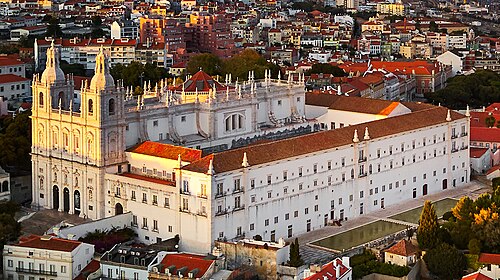
Mosteiro de São Vicente de Fora is a major monastery and church complex above Alfama. The operator traces the foundation to Portugal’s first king, Afonso Henriques, after the 1147 conquest of Lisbon; the present monumental complex reflects later rebuilding.
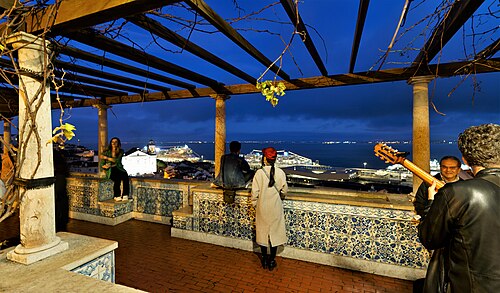
Miradouro de Santa Luzia is a scenic overlook in Lisbon's historic Alfama district. This elevated terrace offers views over the Tagus River and the red-tiled rooftops of the old city.
Praça Dom Pedro IV
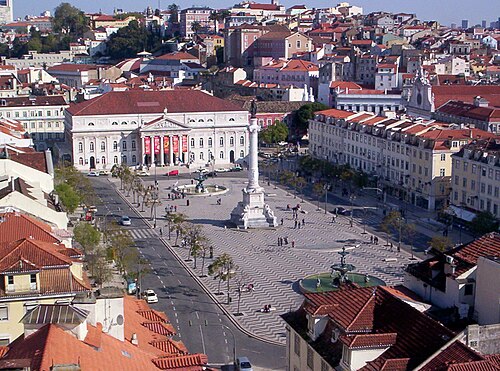
Rossio Square, known locally as Praça Dom Pedro IV, stands as one of Lisbon's most emblematic public spaces in the Baixa district.
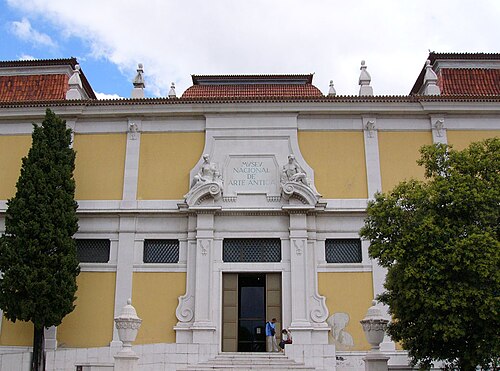
Museu Nacional de Arte Antiga
The Museu Nacional de Arte Antiga is Portugal's national collection of art made before the twentieth century, and the first thing a visitor planning a trip to Lisbon needs to know about it is that it is shut.
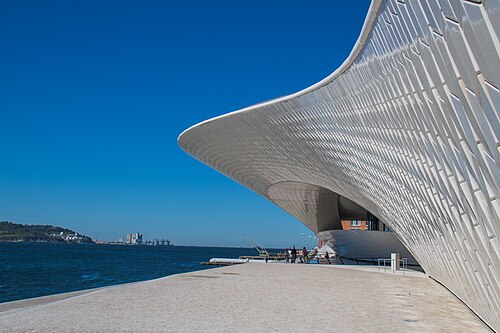
Museu de Arte, Arquitetura e Tecnologia (MAAT)
The Museum of Art, Architecture and Technology, known locally as Museu de Arte, Arquitetura e Tecnologia (MAAT), is a cultural institution in Lisbon. It occupies a prominent riverside position along the Tagus in the Belém district.
Palácio Nacional da Ajuda is a neoclassical palace in Lisbon, Portugal. It served as a royal residence and remains a significant monument of Portuguese heritage.
Museu Nacional dos Coches
The National Coach Museum, locally named Museu Nacional dos Coches, stands as one of Lisbon's most distinctive cultural institutions. It holds one of the world's finest collections of royal ceremonial vehicles.
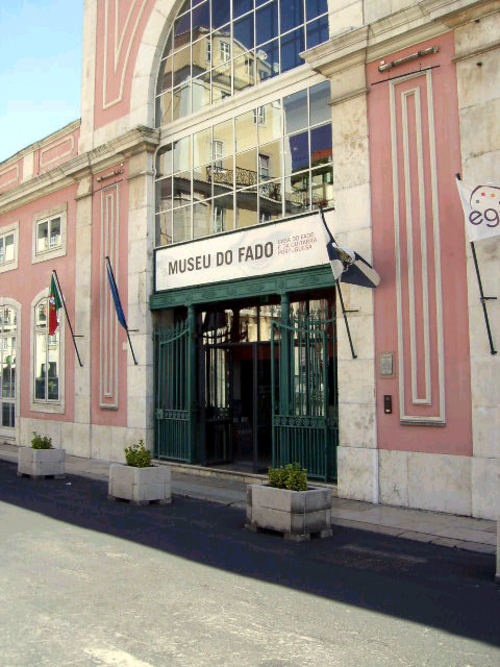
Museu do Fado
The Fado Museum, known locally as Museu do Fado, is a cultural institution in Lisbon dedicated to Portugal's iconic musical genre. Fado, recognized by UNESCO as Intangible Cultural Heritage, expresses saudade—a profound sense of longing.
Museu do Oriente
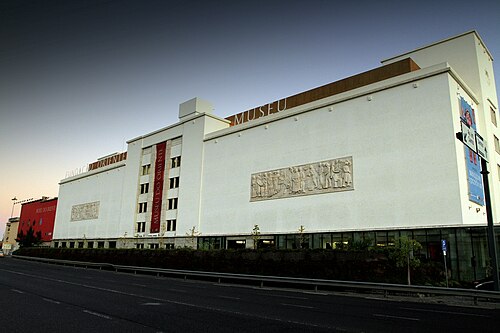
The Edifício Pedro Álvares Cabral is a historic industrial building in Lisbon, formerly known as the Armazéns Frigoríficos do Bacalhau, which served as cold-storage warehouses for codfish, a cornerstone of Portuguese trade and diet.
Basílica da Estrela
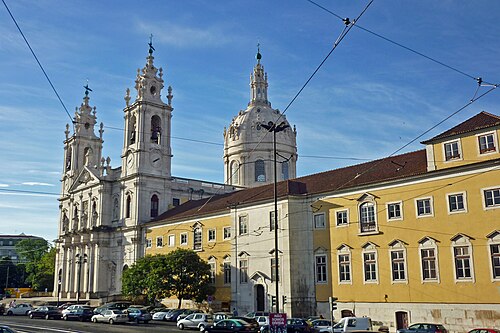
The Estrela Basilica, known locally as Basílica da Estrela, is a prominent religious monument in Lisbon. This neoclassical basilica stands as a significant landmark in the Estrela district.
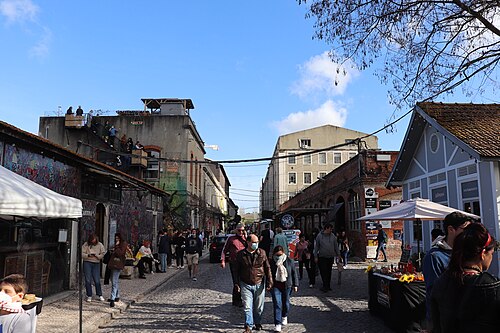
LX Factory is a creative-business and cultural complex in former industrial buildings in Lisbon’s Alcântara district. Visit Lisboa traces the site to 1846, when the Companhia de Fiação e Tecidos Lisbonense established a major spinning and weaving complex there.
Museu de Marinha
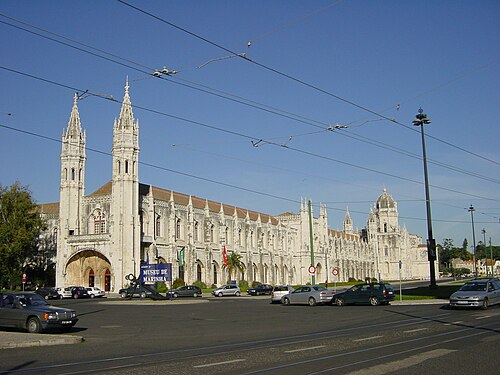
The Navy Museum, also called Museu de Marinha, explores Portugal's long maritime tradition. It stands in Belém within the Jerónimos Monastery complex, placing naval history alongside one of Lisbon's major heritage landmarks.
Centro Cultural de Belém
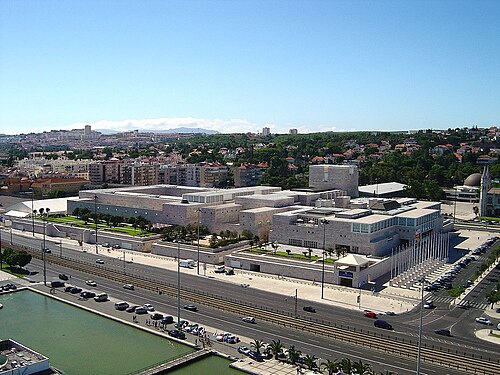
The Belém Cultural Center, known locally as Centro Cultural de Belém, is a major cultural complex in the Belém district of Lisbon, Portugal.
Museu de Lisboa - Teatro Romano
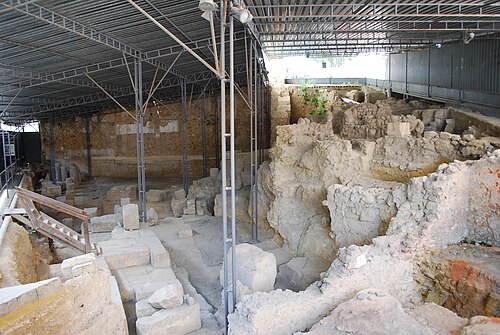
The Ancient Roman theatre, known locally as Museu de Lisboa – Teatro Romano, preserves the remains of a Roman performance venue in Lisbon's Alfama district.
Museu do Aljube - Resistência e Liberdade
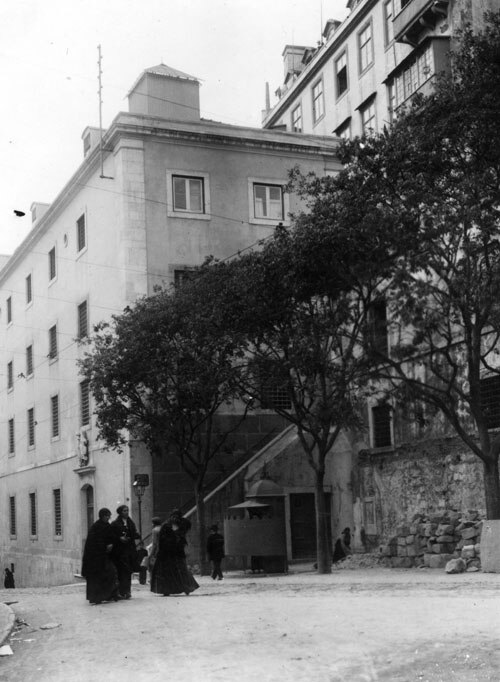
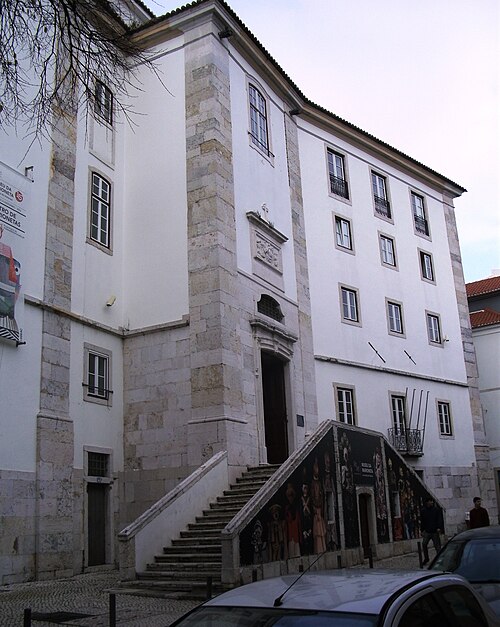
Cadeia do Aljube, now operating as Museu do Aljube - Resistência e Liberdade, is a former prison in Lisbon. The building served as a place of detention during the Estado Novo dictatorship that governed Portugal from 1933 to 1974.
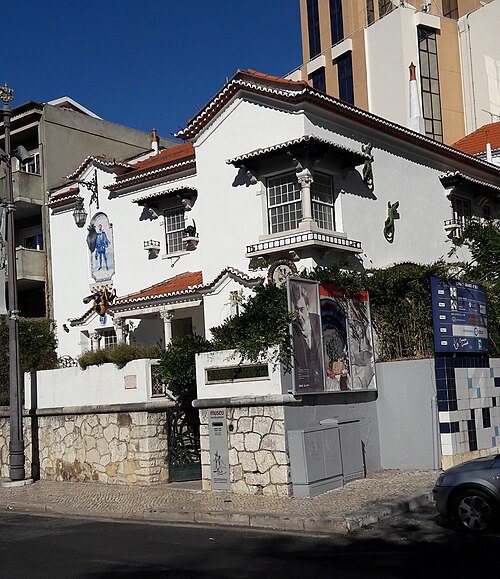
Museu da Marioneta is a museum dedicated to the art of puppetry, located in Lisbon. It occupies the historic Convento das Bernardas in the Madragoa district.
Museu Bordalo Pinheiro
The Rafael Bordalo Pinheiro Museum, locally named Museu Bordalo Pinheiro, is a Lisbon museum dedicated to the work of Rafael Bordalo Pinheiro, a prominent nineteenth-century Portuguese artist.
Eight to twelve days allows four days in Lisbon, two or three in Porto, and one carefully chosen extension. The Algarve requires a regional stay, while Madeira and the Azores require flights and separate weather planning.
Portugal is in the Schengen Area, but passport and visa rules depend on nationality and route. Verify the current requirement through the Portuguese foreign ministry's official visa portal.
Lisbon and Porto anchor the mainland rail corridor, with Faro serving the Algarve by air and rail. Regional buses and rental cars fill rural gaps, and Lisbon and Porto use separate urban fare systems.
April to June and September to October broadly suit Lisbon, Porto, and the mainland corridor. Madeira, the Azores, and the Algarve have distinct weather and transport considerations that need their own check.
Portugal uses the euro (EUR). Keep a small euro reserve for individual businesses or rural stops and verify the charged currency before accepting a card conversion.
Portugal's emergency number is 112. Expect a 230 V electrical supply with Type C and F outlets. Tap-water status remains Not recorded in this dataset; seek destination-specific guidance instead of inferring safety.