
1 min walk · Stari Grad
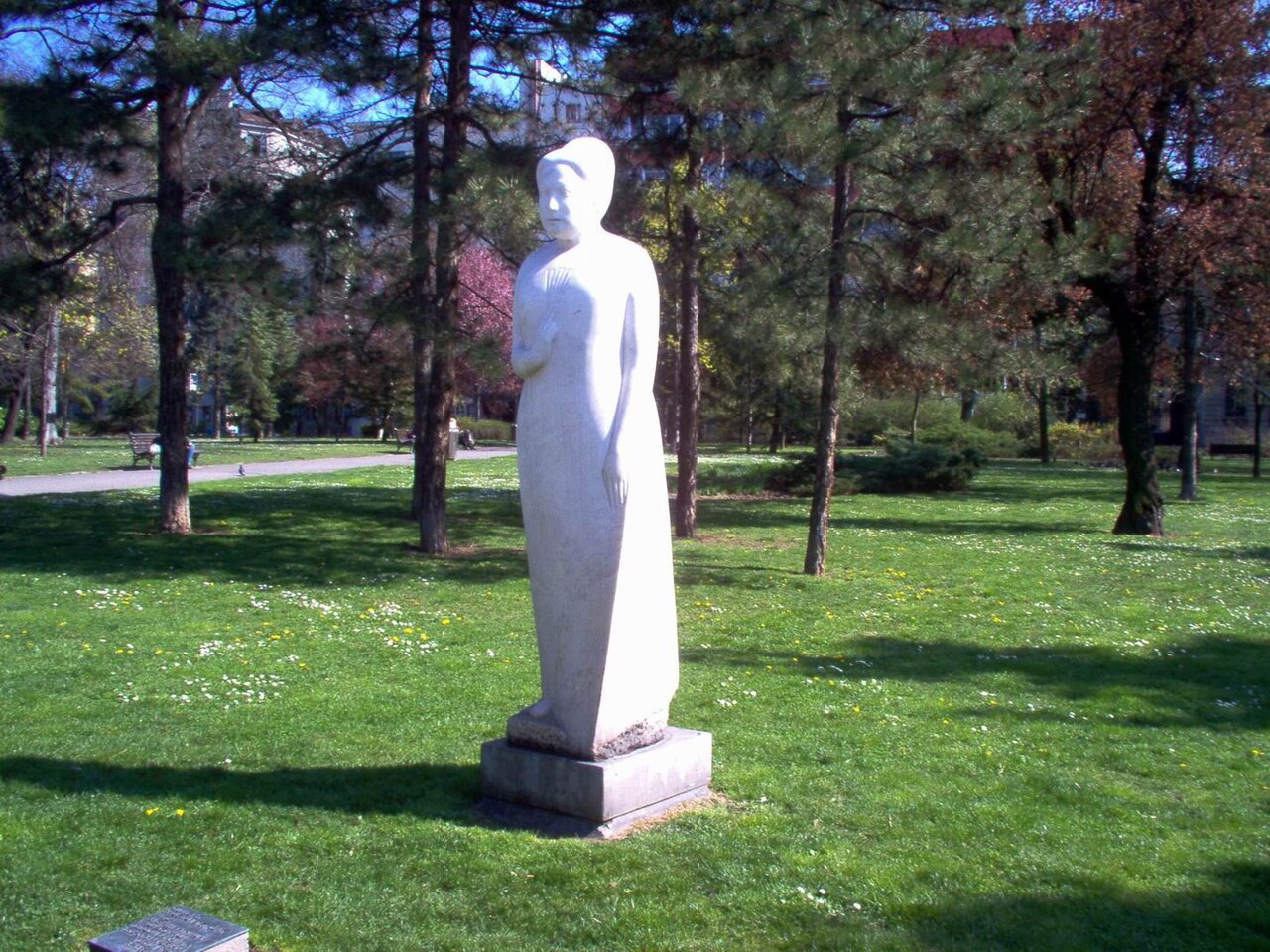
Monument to Nadezda Petrovic
- High
- Historic monument
Museum · Stari Grad, Belgrade
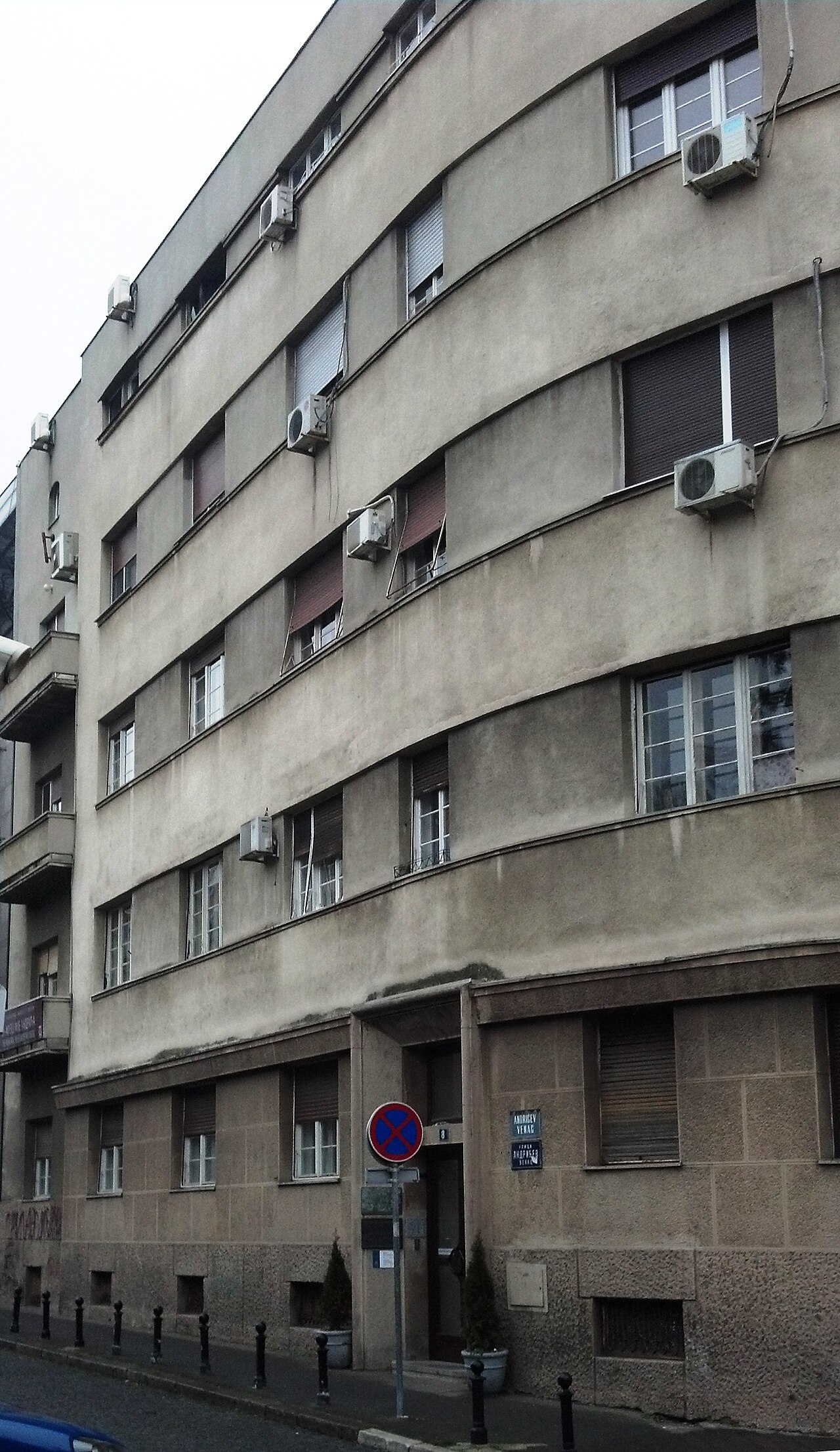
Музеј Иве Андрића
Closed today, Monday. Next open Tuesday at 10:00 — the planner will not place a stop here on a Monday.
Plan around it| Monday | Closed |
|---|---|
| Tuesday | 10:00 – 17:00 |
| Wednesday | 10:00 – 17:00 |
| Thursday | 10:00 – 17:00 |
| Friday | 10:00 – 18:00 |
| Saturday | 10:00 – 17:00 |
| Sunday | 10:00 – 14:00 |
Parsed from OpenStreetMap opening hours on 2026-09-09.
The Museum of Ivo Andrić is a memorial museum in Belgrade dedicated to Ivo Andrić, the writer and Nobel Prize laureate whose work is central to Yugoslav and Serbian literary memory. The museum occupies the apartment where he lived and worked, turning an ordinary residential setting into a close encounter with his life. Preserved rooms, furniture, books, and personal belongings make the visit intimate rather than monumental. Travelers interested in literature, twentieth-century Balkan history, or the private spaces behind public achievement will find a focused cultural stop in the center of Belgrade.
Checked 2026-08-26 · Source
The apartment preserves furnishings, a personal library, manuscripts, correspondence, photographs, and everyday objects associated with Andrić. Rather than presenting only finished books, the rooms show the environment in which a writer read, worked, received ideas, and lived. Documentary material also connects the apartment to his literary career and diplomatic service. Take time to look at the relationship between the domestic rooms and the objects displayed within them: a desk or shelf can say as much about routine as a formal portrait says about public reputation. The museum’s compact scale makes small details especially important.
Checked 2026-08-26 · Source
Allow about thirty minutes to one hour for a general visit. The apartment format is compact, but the preserved furnishings, library, manuscripts, and biographical material reward a deliberate pace. Readers familiar with Andrić or with Yugoslav literary history may want longer to study the documentary displays and imagine the rooms as a working environment. If the museum is one element in a central Belgrade walking day, its modest duration makes it easy to combine with nearby cultural sights. Avoid rushing through the rooms: the value lies in the accumulated details of an authentic domestic setting.
Checked 2026-08-26 · Source
Because the museum is indoors, it can add a literary dimension to a Belgrade day in any season. Spring and autumn are especially pleasant if you plan to walk through the central districts before or after the visit. Summer heat makes an apartment museum a useful pause from outdoor sightseeing, while winter cold and early darkness favor a compact indoor stop. A quieter period gives you more room to examine the rooms and objects, which matter more here than a dramatic exterior view. Pair the museum with other central cultural stops if you want a balanced day of walking and indoor visits.
Checked 2026-08-26 · Source
This guide does not attach a fixed admission amount to the museum. Plan the visit for its literary and biographical value, and keep your schedule flexible around the entrance arrangements of a small memorial institution. A central apartment museum is best combined with a walk through Belgrade’s cultural districts rather than treated as a standalone full-day attraction. Carry practical payment options for the wider outing, but let the preserved rooms, books, papers, and personal objects determine how long you stay.
Checked 2026-08-26 · Source
The museum is in central Belgrade, where buses, trams, and trolleybuses make public transport useful and walking can be practical from other central cultural landmarks. Search the museum by its full name in a current map, then follow the final approach carefully because an apartment museum may be identified by a building entrance rather than a large roadside frontage. Central parking is limited, so public transport or walking is usually the simpler choice. Build the visit into a neighborhood route and leave time to find the entrance without hurrying the museum experience.
Checked 2026-08-26 · Source
The preserved apartment requires the manners of a historic interior: do not touch furniture or objects, keep voices low, and follow any barriers around the displays. Small rooms can feel crowded even with only a few visitors, so move patiently and allow others to see the library, manuscripts, and furnishings. Older residential buildings may involve stairs or other physical constraints. The museum’s intimate scale favors visitors who enjoy close looking rather than rapid sightseeing. Read the displays in the order that helps you understand Andrić’s life, then return to the rooms that most strongly convey his daily working environment.
Checked 2026-08-26 · Source
The apartment offers photographs of a different kind from a monumental museum: desks, shelves, furnishings, manuscripts, and domestic details create a portrait of a writer through his surroundings. If photography is permitted in a room, look for compositions that show the relationship between objects rather than isolating every item. Keep camera use discreet in the compact interiors, avoid flash where it is not allowed, and do not block narrow circulation routes. The strongest visual record combines one or two room-wide views with details that reveal how Andrić’s private environment supported his literary life.
Checked 2026-08-26 · Source
The museum preserves Ivo Andrić’s former apartment, including furnishings, a personal library, manuscripts, correspondence, photographs, and everyday objects linked to his life.
Ivo Andrić was a writer and Nobel Prize laureate whose life and work form an important part of Yugoslav and Serbian literary history.
Allow about thirty minutes to one hour, with extra time if you want to study the manuscripts, library, documentary material, and preserved domestic interiors closely.
It is an apartment memorial museum, so the experience centers on authentic rooms and personal objects rather than broad galleries covering many artists or periods.
Begin with the preserved rooms and working environment, then examine the library, manuscripts, correspondence, and everyday objects that connect the apartment to Andrić’s literary life.
The museum is in central Belgrade, making it practical to combine with a walking route through the city’s central cultural districts and other nearby sights.
Loading the interactive map…
The interactive map could not be loaded.
Last updated:
Source: OpenStreetMap contributors, Wikidata ·