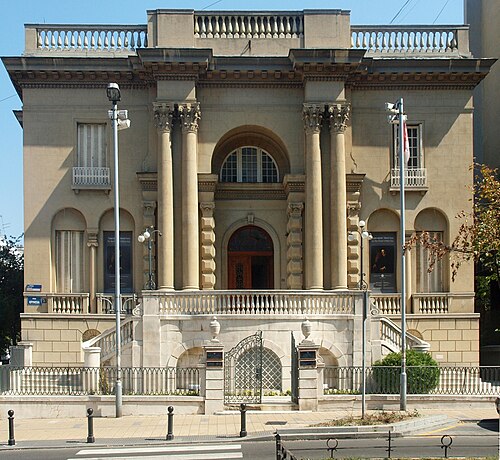
Nikola Tesla Museum
Музеј Николе Тесле
Nikola Tesla Museum is a memorial and science museum at Krunska 51 in Belgrade’s Vračar district, occupying a villa where Tesla’s archive and personal legacy are preserved.
- Must see
- Museum
- Vračar
City guide · Serbia
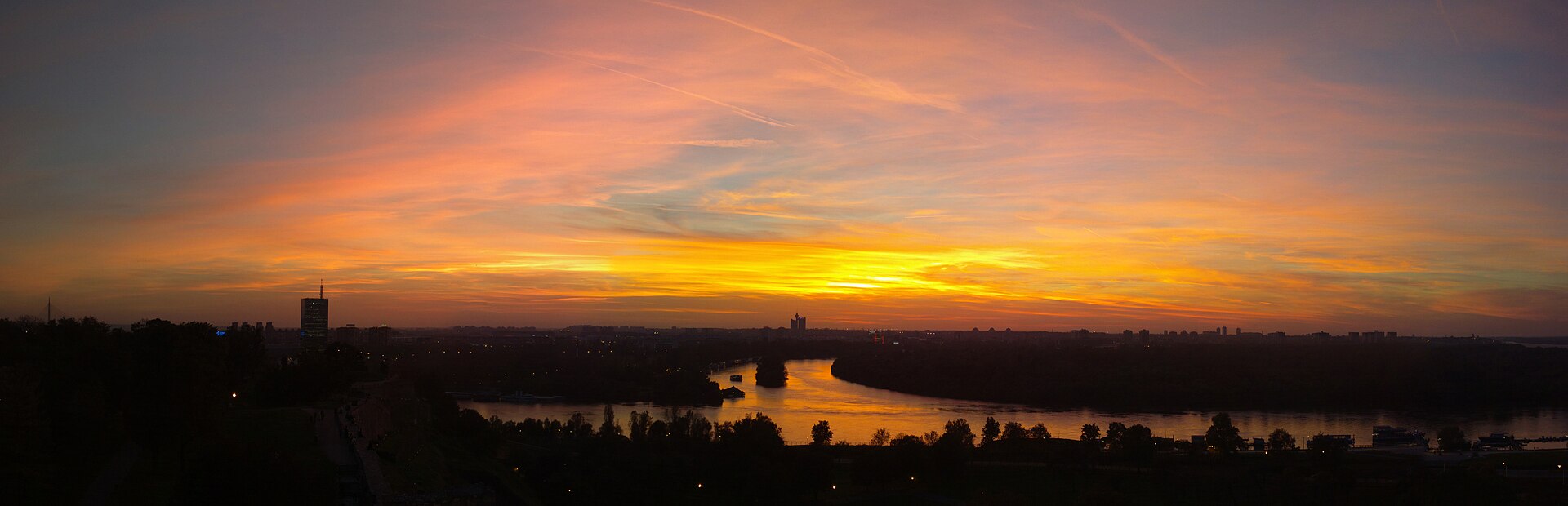
Belgrade is 389.12 km² holding 1,197,714 people, and it stands on the point where the Sava runs into the Danube. That confluence is why the city exists and why...
Photograph · Vladimir Nolic · CC BY-SA 4.0
Set your days, your pace and the hours you actually want to be out. The planner works around closing days and travel time, and leaves room to eat.
Reviewed by Elena Voss · Roavina Travel Editor
Belgrade is 389.12 km² holding 1,197,714 people, and it stands on the point where the Sava runs into the Danube.
That confluence is why the city exists and why it has been fought over so relentlessly: it has been battled over in 115 wars and razed 44 times. The name Beograd means white city.
The administrative area holds 1,682,720 people across 3,234.96 km² in 17 municipalities. The part a visitor uses is a fraction of that — the old town on the ridge above the rivers, and the streets running down from it.
Checked 2026-08-23
September · September moderates to a 23.9°C mean high in Belgrade with 204 sunshine hours and 55.3 mm of rain.
Ranked by importance — sitelinks, pageviews and heritage status, not editor preference.
17 places match
Category
Typical visit duration
Музеј Николе Тесле
Nikola Tesla Museum is a memorial and science museum at Krunska 51 in Belgrade’s Vračar district, occupying a villa where Tesla’s archive and personal legacy are preserved.
Музеј афричке уметности
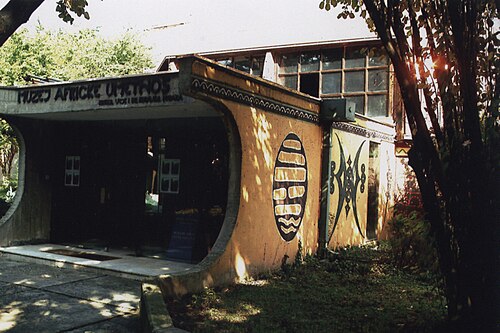
The Museum of African Art occupies a villa at Andre Nikolića 14 in Senjak, on Topčider Hill, and is devoted entirely to African cultures and arts.
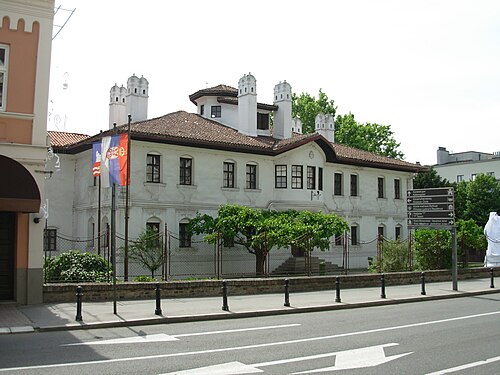
Конак кнегиње Љубице
Princess Ljubica’s Residence is an 1830 house commissioned as a representative court for the Obrenović dynasty. Hadži Nikola Živković, Prince Miloš Obrenović’s official builder, designed and supervised its construction.
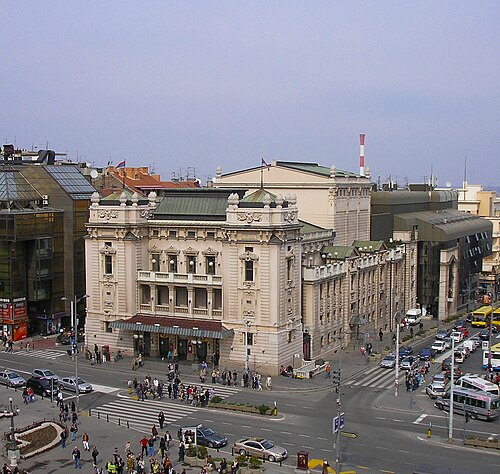
Народно позориште у Београду
The National Theatre opened on Republic Square in 1868, modelled by the architect Aleksandar Bugarski on Milan's La Scala and Moscow's Bolshoi rather than on a local precedent, at a time when Serbia was asserting itself as a modern European…
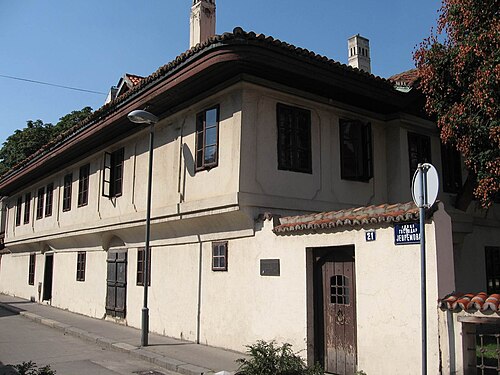
Музеј Вука и Доситеја
The Museum of Vuk and Dositej is a single-house museum in the Stari Grad district of Belgrade dedicated to two figures of the Serbian Enlightenment: Dositej Obradović (1742–1811), writer and Serbia's first Minister of Education, and Vuk Stefanović Karadžić (1787–1864)…
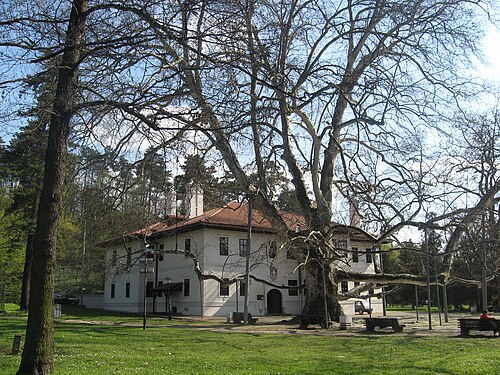
Конак кнеза Милоша Обреновића
The Residence of Prince Miloš was built between 1830 and 1834 for Miloš Obrenović, the prince who led Serbia's second uprising against Ottoman rule and secured its autonomy, and it is one of the few surviving buildings from that transitional…
District boundaries come from OSM administrative relations, so a district page holds exactly the places inside it — plus, for the islands and the coast, the nearest district by proximity.
Two Belgrades, split by the Sava.
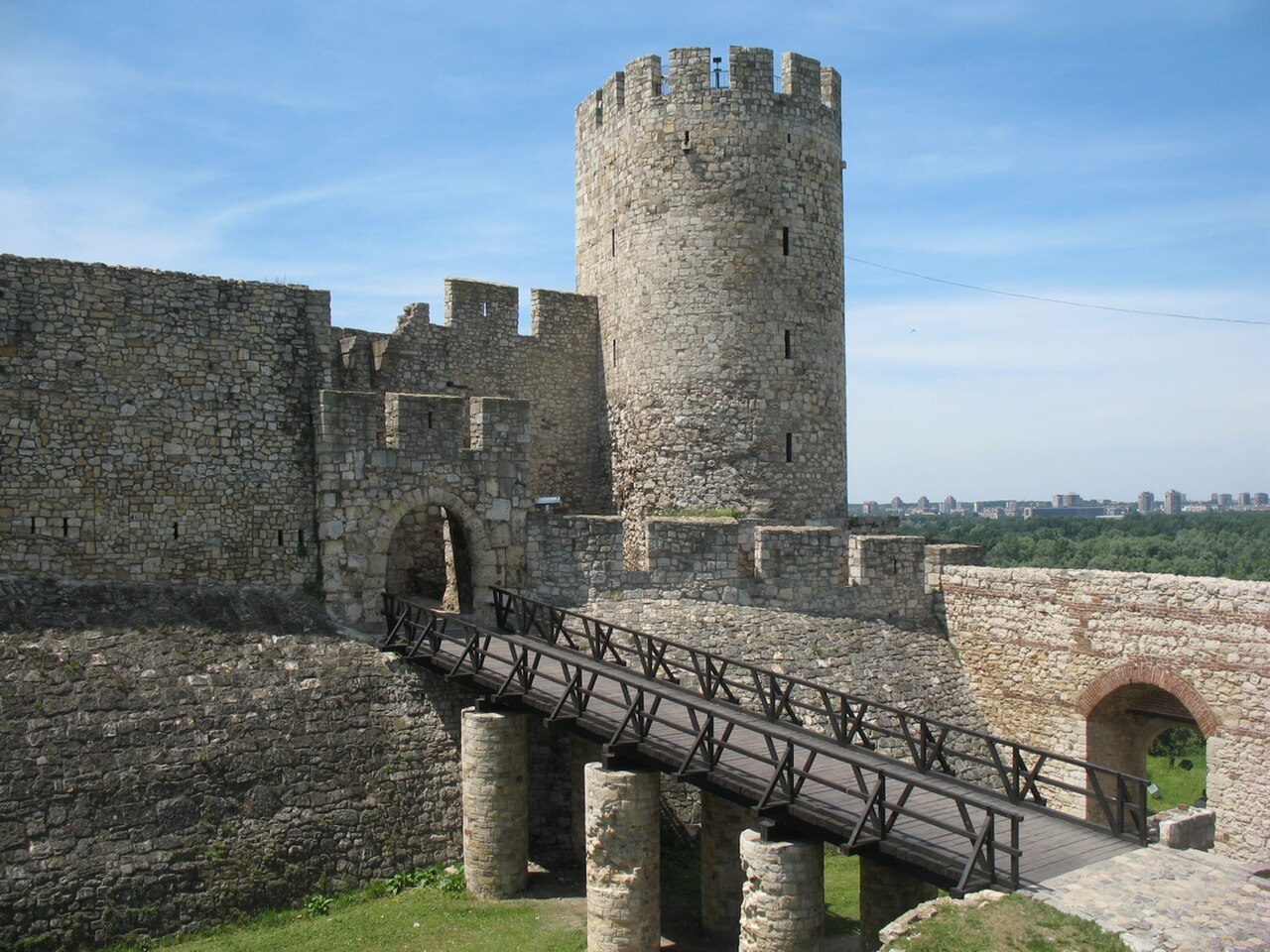
Old Belgrade sits on the ridge on the right bank, above the confluence. The fortress is at the point; Stari Grad, the old town, runs back from it; Vračar rises behind that with the Church of Saint Sava on top; Dorćol drops north towards the Danube and Savamala south towards the Sava.
New Belgrade is on the left bank of the Sava, built from 1948 onward on empty ground to demonstrate that Yugoslavia was at the forefront of progress. It is towers and boulevards on a grid and it is a different city.
Zemun, further up the Danube on the left bank, was a separate town under Austria-Hungary until the twentieth century and still reads as one — low houses, a hill with a tower, and the border of an empire running through it.
Checked 2026-08-23
Trams, buses, trolleybuses and walking. There is no metro.
A metro has been discussed for decades and is not in operation; anyone reading about the Belgrade metro is reading about a construction programme, not a way to get across the city today.
The old town is compact and the walk from the fortress to the Church of Saint Sava takes about half an hour, all of it through the parts a visitor came for. New Belgrade and Zemun need transport.
Taxis are cheap by western European standards and are the usual way across the river at night.
Checked 2026-08-23
Two to three. Two cover the fortress, Kalemegdan, the old town and the Church of Saint Sava. A third adds Zemun on the Danube and a look at New Belgrade.
No. Belgrade runs trams, buses and trolleybuses, and a metro has been discussed for decades without entering service. The old town is walkable and taxis are cheap.
White city. The name is literal.
It stands where the Sava meets the Danube, which made it the frontier between empires. It has been fought over in 115 wars and razed 44 times.
The Sava. Old Belgrade is the ridge above the confluence with the fortress at its point. New Belgrade is on the left bank, built from 1948 on empty ground as a demonstration of Yugoslav modernity.
Stari Grad for the old town, Vračar behind it for a quieter residential base, Dorćol towards the Danube and Savamala on the Sava for the nightlife. Zemun is a separate town in feel and is further out.