


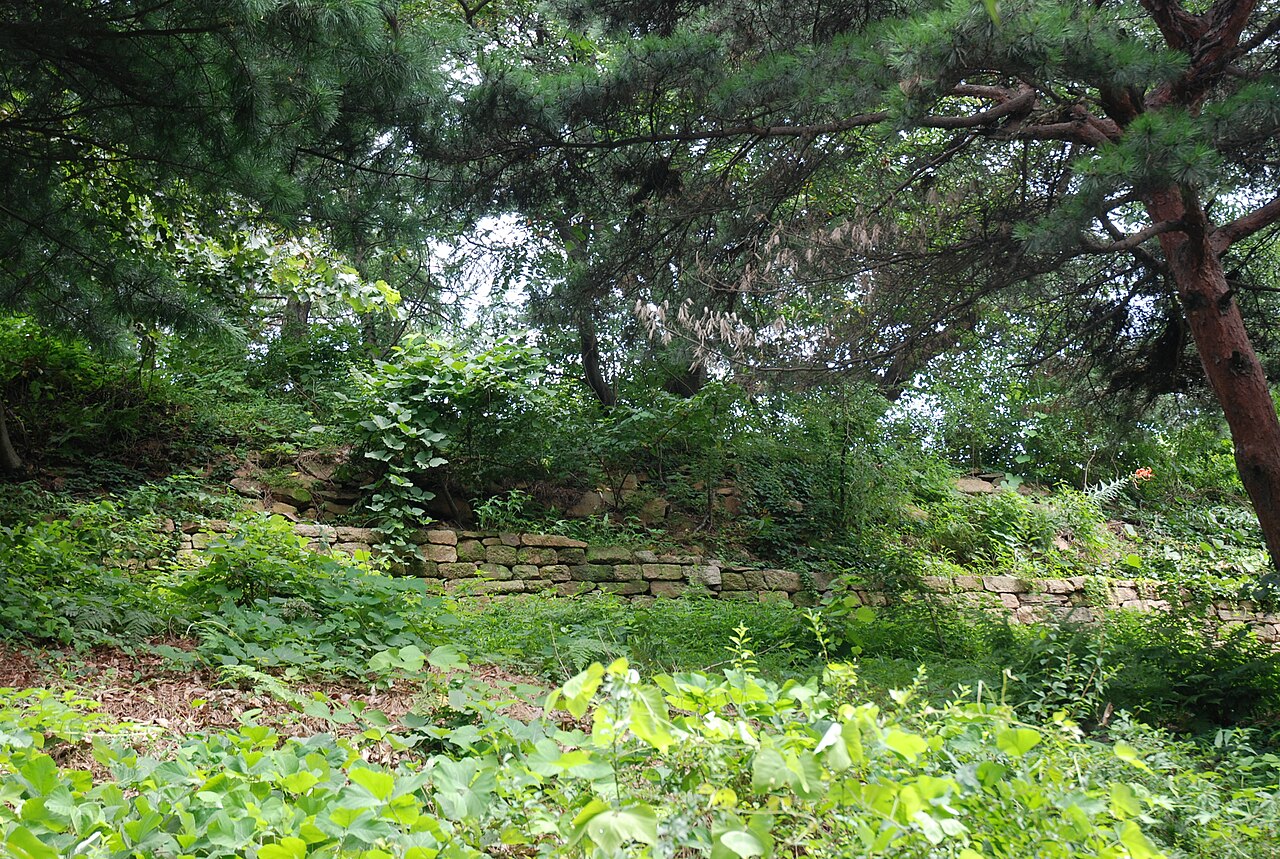
30 min walk
Achasanseong
- Notable · Heritage site
- Historic monument
Historic monument · Seoul
서울 암사동 유적
| Monday | Closed |
|---|---|
| Tuesday | 09:30 – 18:00 |
| Wednesday | 09:30 – 18:00 |
| Thursday | 09:30 – 18:00 |
| Friday | 09:30 – 18:00 |
| Saturday | 09:30 – 18:00 |
| Sunday | 09:30 – 18:00 |
Parsed from OpenStreetMap opening hours on 2026-09-09.
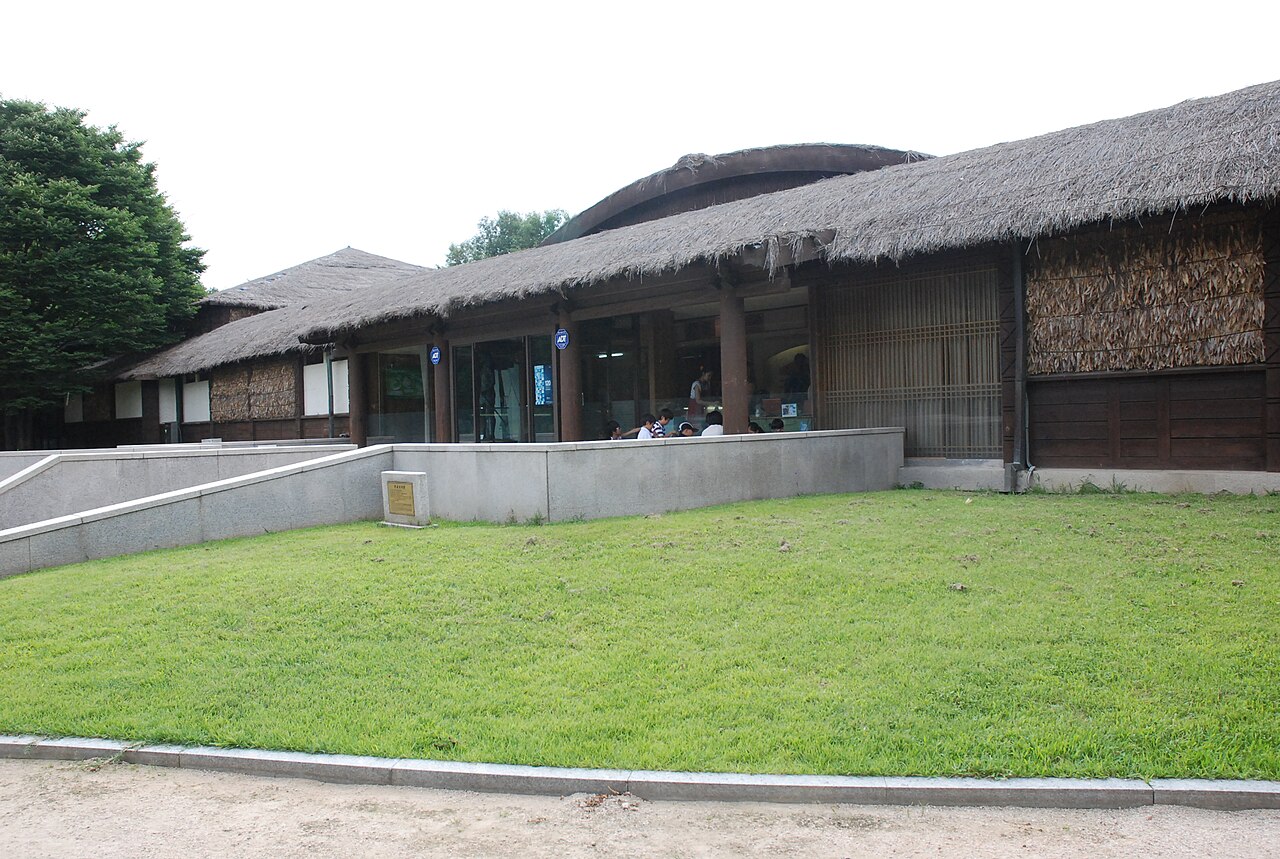
Amsa-dong Prehistoric Site is an archaeological place in eastern Seoul preserving evidence of Neolithic settlement beside the Han River. The site connects the modern capital with early human occupation of the Korean peninsula. Its local name, 서울 암사동 유적, identifies it within Korea’s heritage landscape. A visit offers a direct encounter with settlement remains and the riverside environment that supported prehistoric communities. The Amsa-dong Prehistoric Site is an archaeological location in Seoul, South Korea, preserving evidence of Neolithic settlement along the Han River. The site represents one of the significant prehistoric habitation areas within the modern capital, offering material connections to early human occupation of the Korean peninsula. Its designation as a protected heritage site reflects national recognition of its archaeological value. The local name 서울 암사동 유적 identifies it within Korean cultural heritage frameworks. Visitors encounter a place where excavated remains document sustained prehistoric activity, though specific interpretive infrastructure depends on current site management. The site offers educational potential for children interested in archaeology, though uneven terrain and limited interactive elements may reduce engagement for younger visitors. Parental preparation regarding prehistoric lifeways enhances the experience.
Checked 2026-08-26 · Source
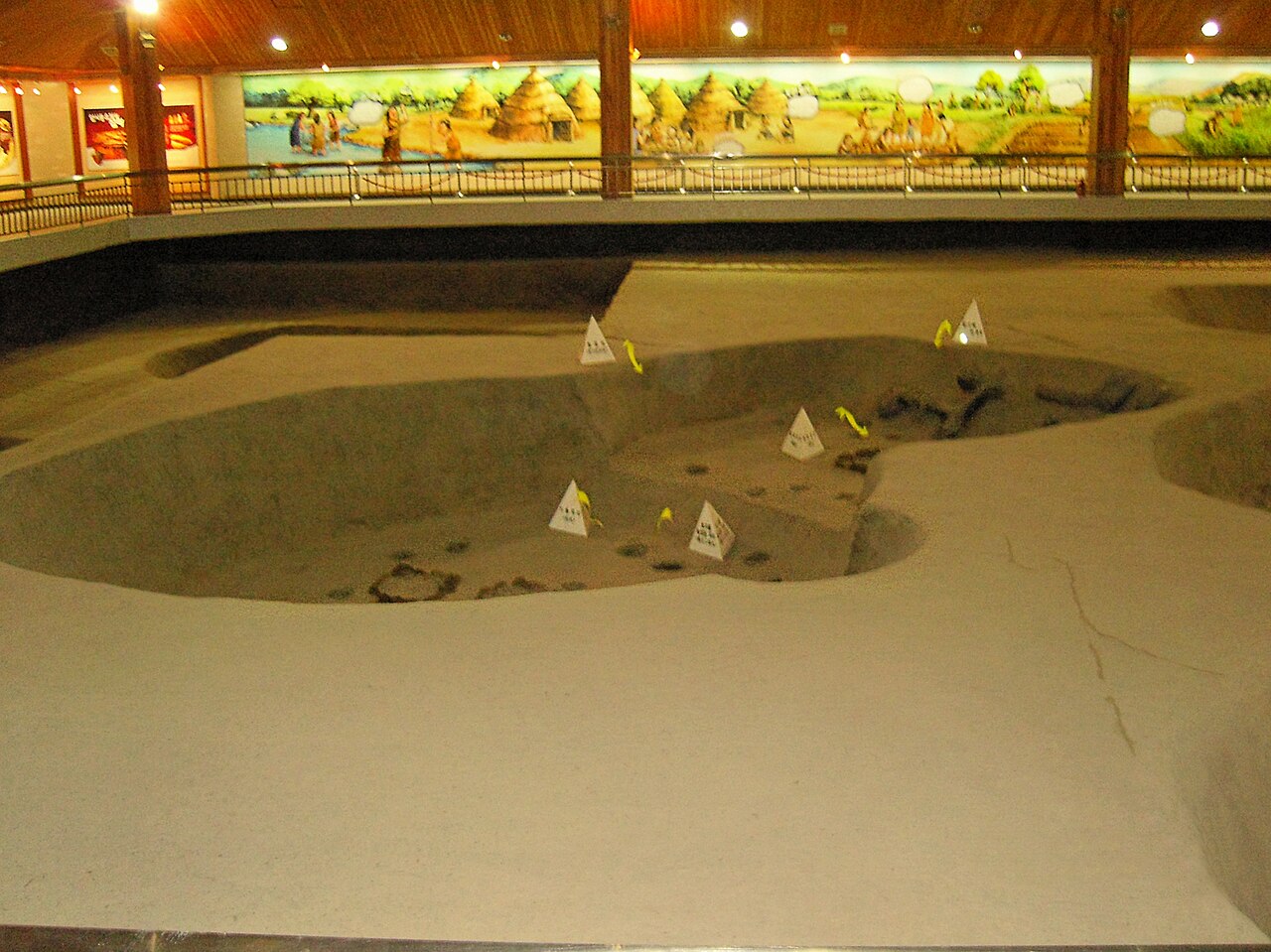
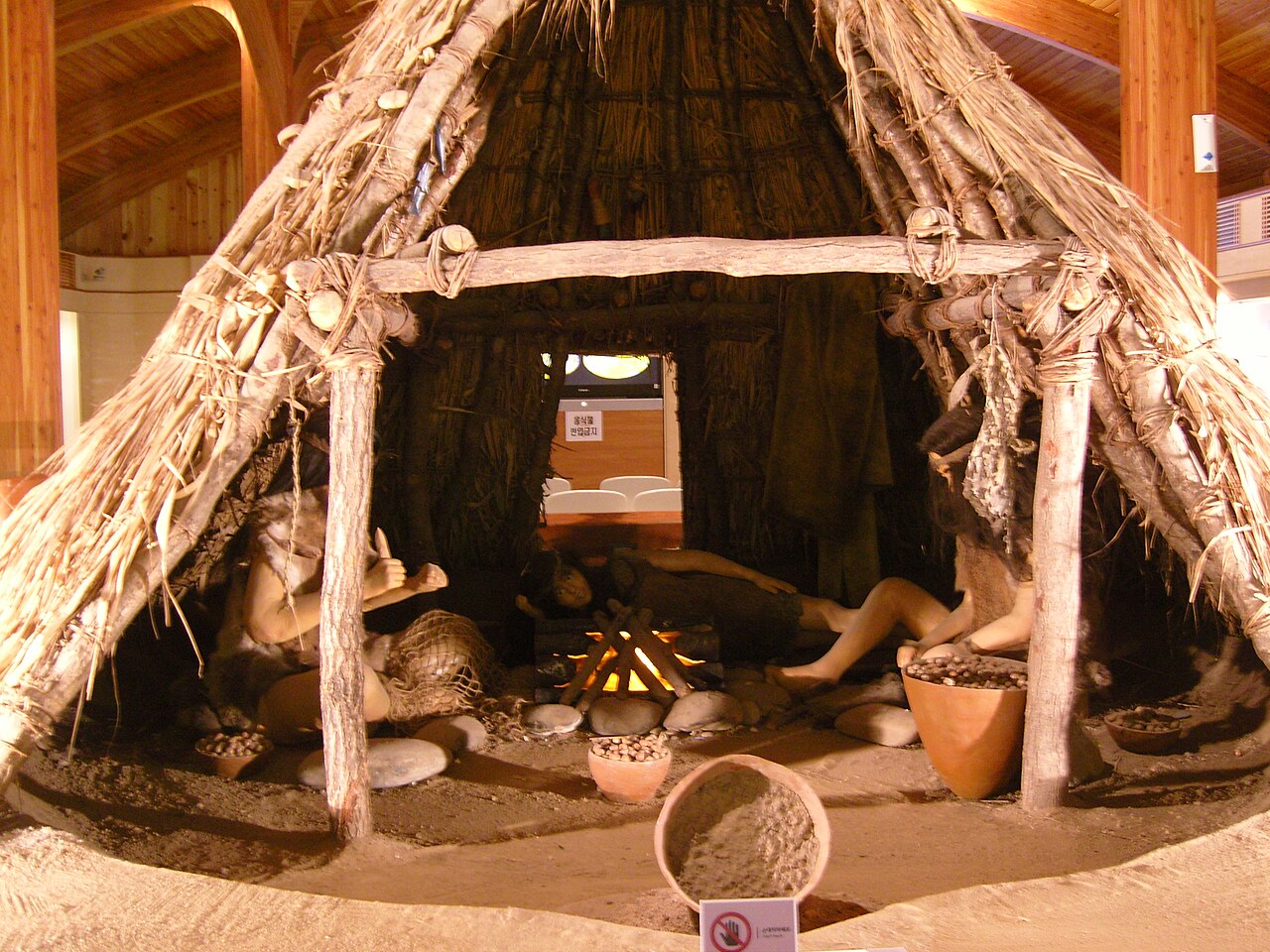
The archaeological site contains remains associated with prehistoric occupation, including dwelling foundations, storage pits, and midden deposits characteristic of Neolithic riverside settlements. These features help visitors understand how people lived near the Han River. Pottery, stone tools, and bone implements belong to the material culture connected with this period, while the wider landscape points toward fishing, gathering, and early agriculture. Protective or interpretive structures may frame the remains. The site contains excavated archaeological remains from prehistoric occupation layers. These typically include dwelling foundations, storage pits, and midden deposits characteristic of Neolithic riverside settlements. Artifact assemblages would originally have comprised pottery, stone tools, and bone implements, though displayed materials depend on curation decisions. The riverine location suggests fishing and gathering economies supplemented early agriculture. Any museum structures, reconstructed dwellings, or protective shelters present would serve to interpret and preserve these fragile deposits. The exact current visible features require direct observation, as archaeological sites undergo periodic modification through conservation work and seasonal presentation changes.
Checked 2026-08-26 · Source
Allow about one to two hours for a considered visit. A shorter stop can cover the visible remains and interpretive material in roughly forty-five minutes, while visitors interested in Korean prehistory may want longer for careful examination. The site can form part of a half-day outing when combined with nearby Han River park areas. Wear comfortable shoes, since archaeological and riverside ground can make walking slower.
Checked 2026-08-26 · Source
Spring and autumn are comfortable seasons for exploring the archaeological setting outdoors. Winter visits require preparation for cold conditions, especially near the exposed riverside landscape. Rain between June and July can affect ground conditions and outdoor interpretation. Weekday mornings may provide a calmer atmosphere than weekends. Daylight is useful for reading the settlement remains and understanding how the site relates to the Han River environment.
Checked 2026-08-26 · Source
Treat Amsa-dong Prehistoric Site as a distinct heritage destination rather than part of the admission arrangements for other Seoul attractions. The visit is centred on archaeological remains and their interpretation, while nearby Han River areas form separate places within a wider outing. Keep the site’s cultural purpose in mind: the value lies in understanding Neolithic settlement, not in combining unrelated attractions under one entry arrangement.
Checked 2026-08-26 · Source
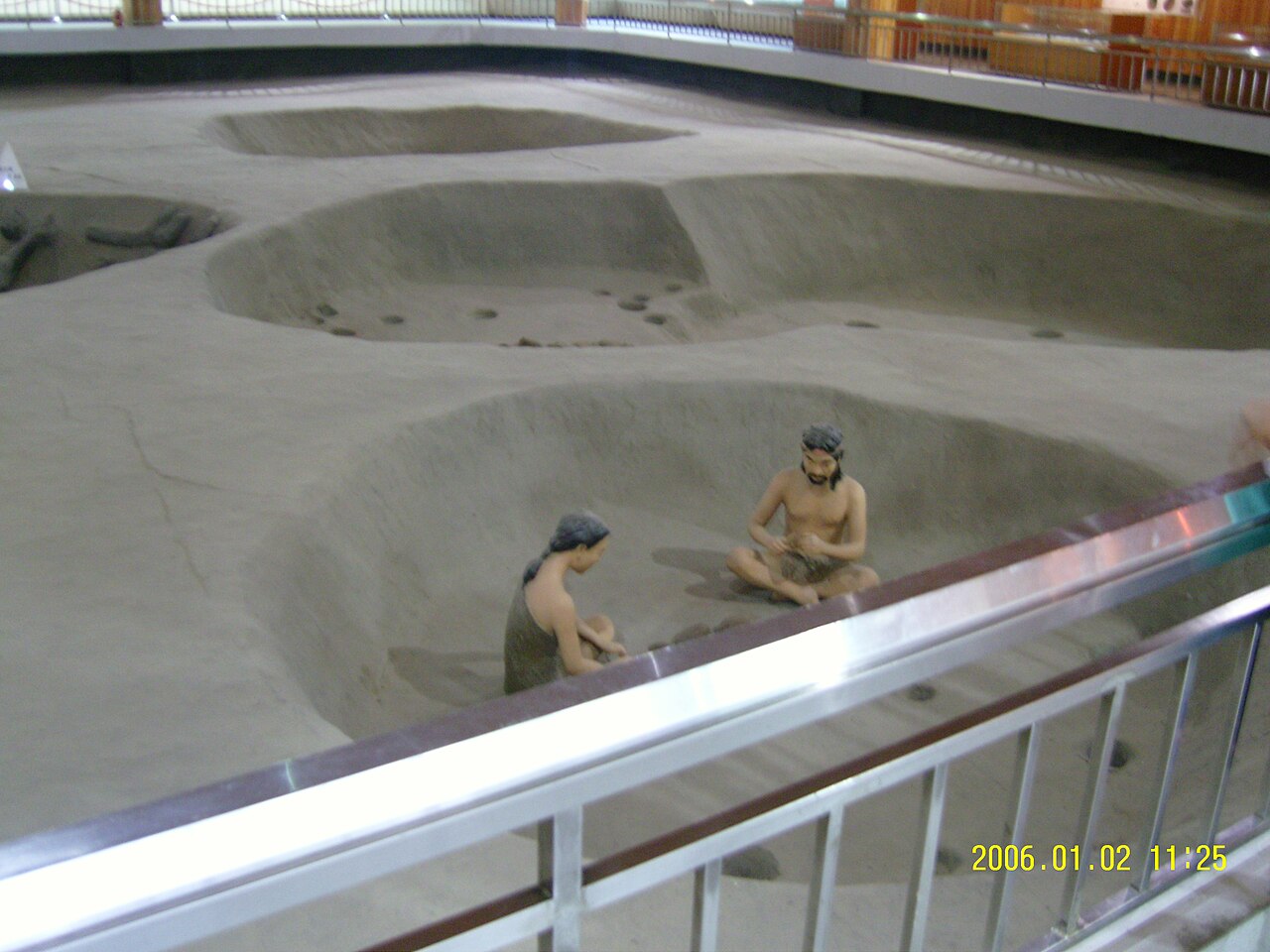
The site is in Gangdong-gu in eastern Seoul, within reach of the city’s subway, bus, and taxi network. The final approach may involve walking or a connecting bus from the broader Amsa-dong area. Han River park paths provide a useful geographical reference and can be included in the same outing. Use the mapped location for the final pedestrian route, because the riverside setting extends beyond the main city streets.
Checked 2026-08-26 · Source
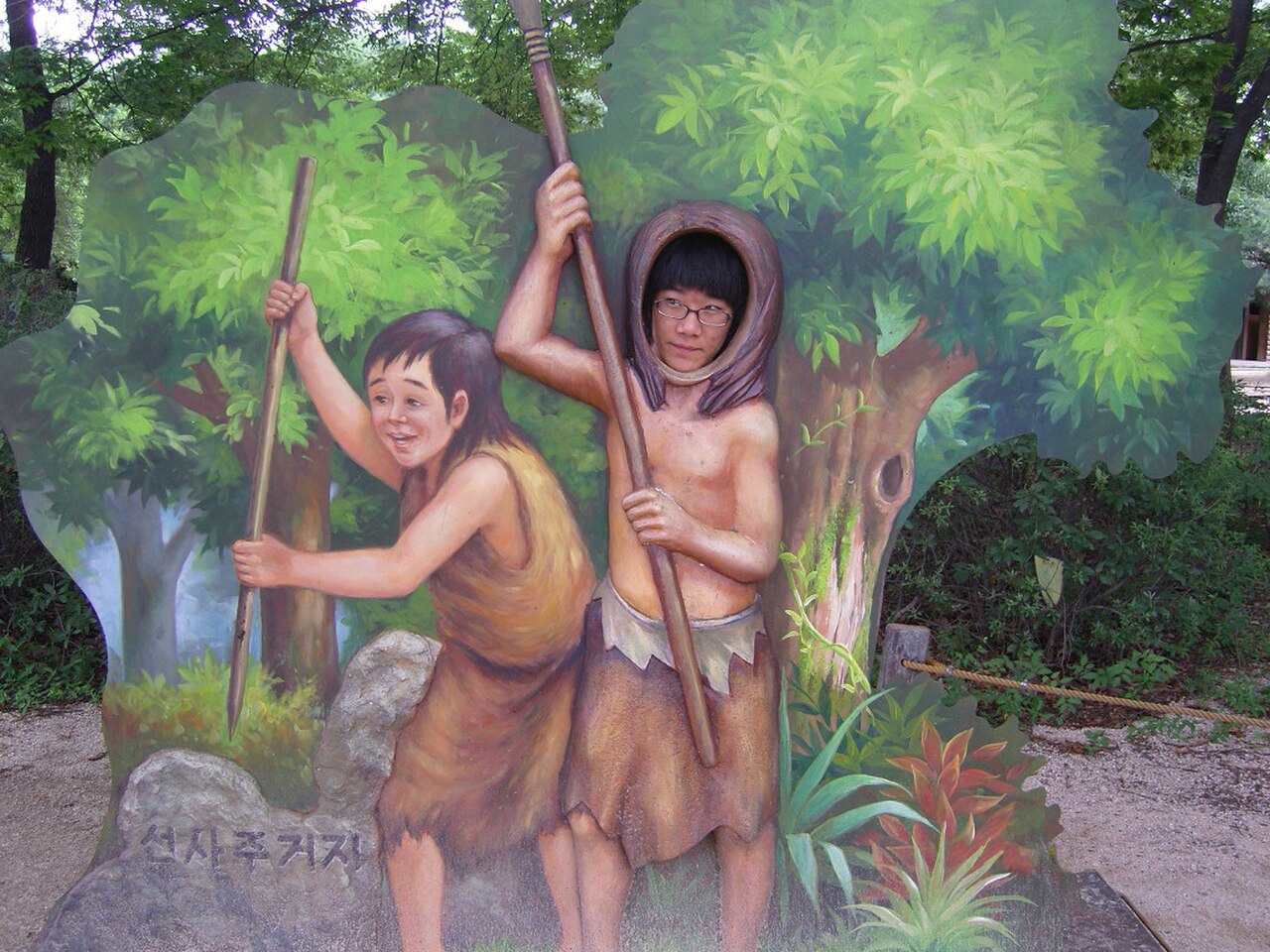
Stay on designated paths around exposed archaeological deposits and protective structures. Fragile soil layers and unexcavated remains can be damaged by stepping beyond visitor routes. Riverside weather can leave surfaces slippery, so choose secure walking shoes and take care after rain. The exposed setting can be cold in winter and wet during rainy periods. Keep personal belongings secure and follow any instructions around excavation features.
Checked 2026-08-26 · Source
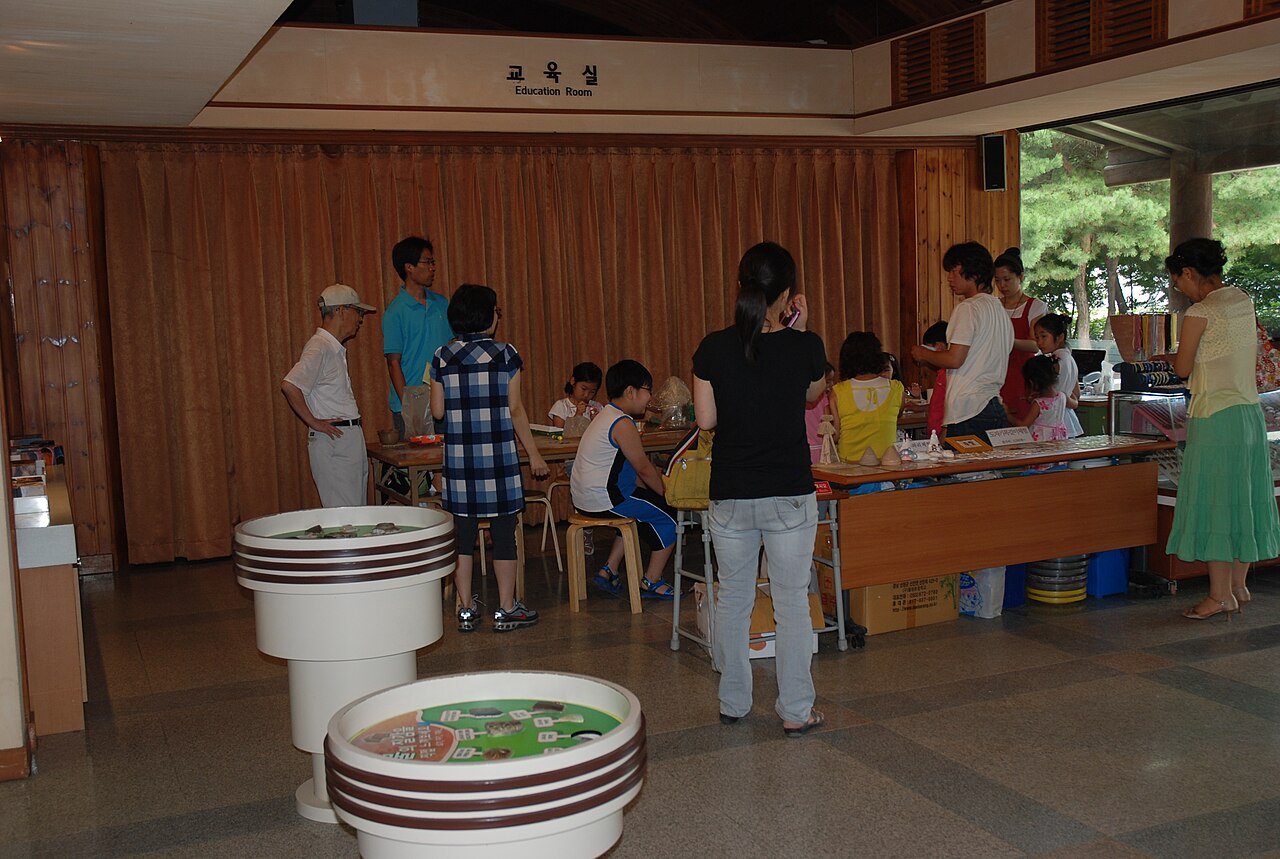
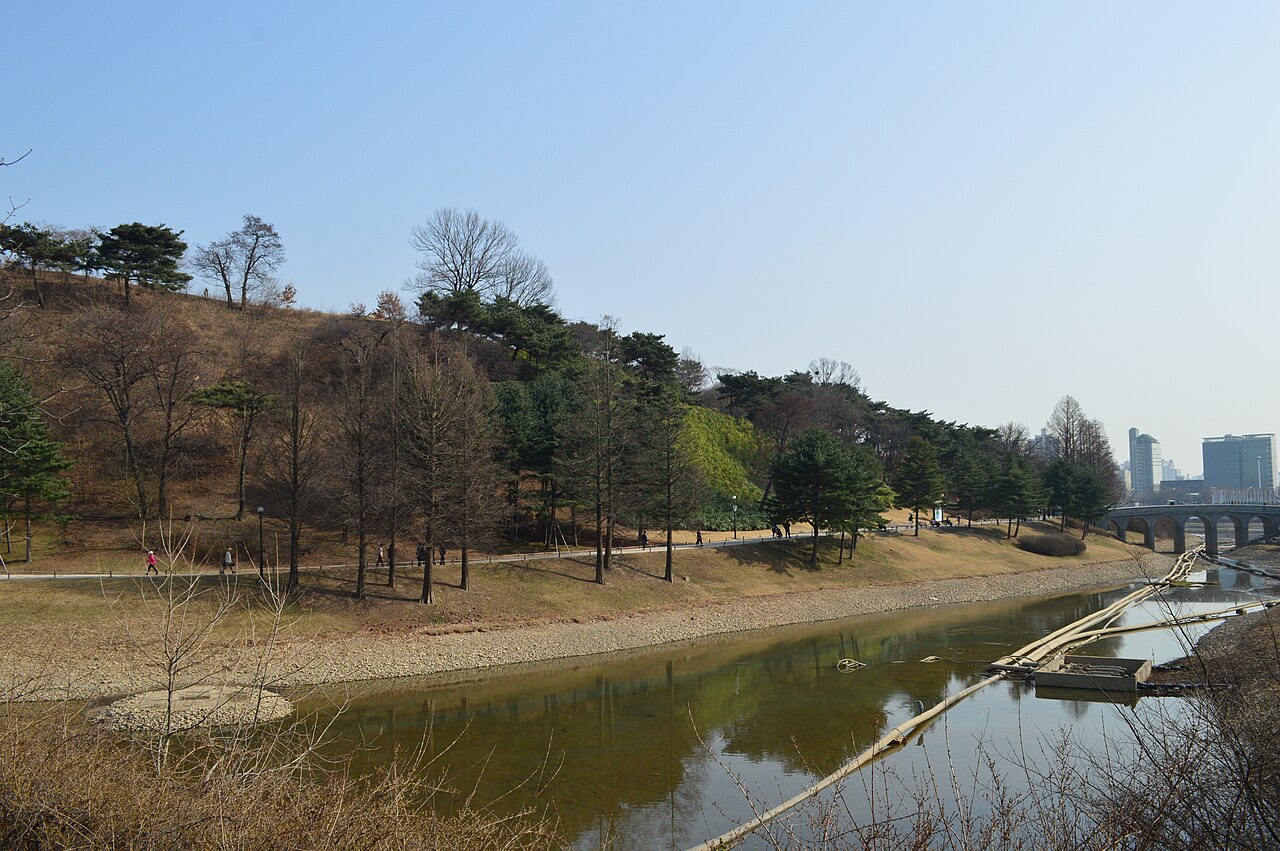
The site offers photographs of Neolithic settlement remains within their Han River landscape. Frame dwelling foundations, storage pits, and the surrounding terrain together to show how the archaeological evidence relates to the riverside environment. Daylight reveals changes in ground level and surface detail. Keep to visitor paths, avoid disturbing deposits, and respect any direction around protected features or displayed objects while photographing.
Checked 2026-08-26 · Source
It preserves evidence of Neolithic settlement beside the Han River, including archaeological remains associated with early riverside communities.
Allow about one to two hours. A shorter visit can focus on visible remains and interpretation, while a careful archaeological visit may take longer.
Yes. Its eastern Seoul location makes it suitable for combining with nearby Han River park areas in a broader half-day outing.
Spring and autumn offer comfortable outdoor conditions. Winter is cold, and rain during June and July can affect riverside ground conditions.
Wear comfortable walking shoes and clothing suited to the weather. Secure footwear is especially useful when riverside surfaces are wet or uneven.
The site is associated with dwelling foundations, storage pits, midden deposits, and material culture such as pottery, stone tools, and bone implements.
Loading the interactive map…
The interactive map could not be loaded.
Last updated:
Source: OpenStreetMap contributors, Wikidata ·