.jpg)
7 min walk
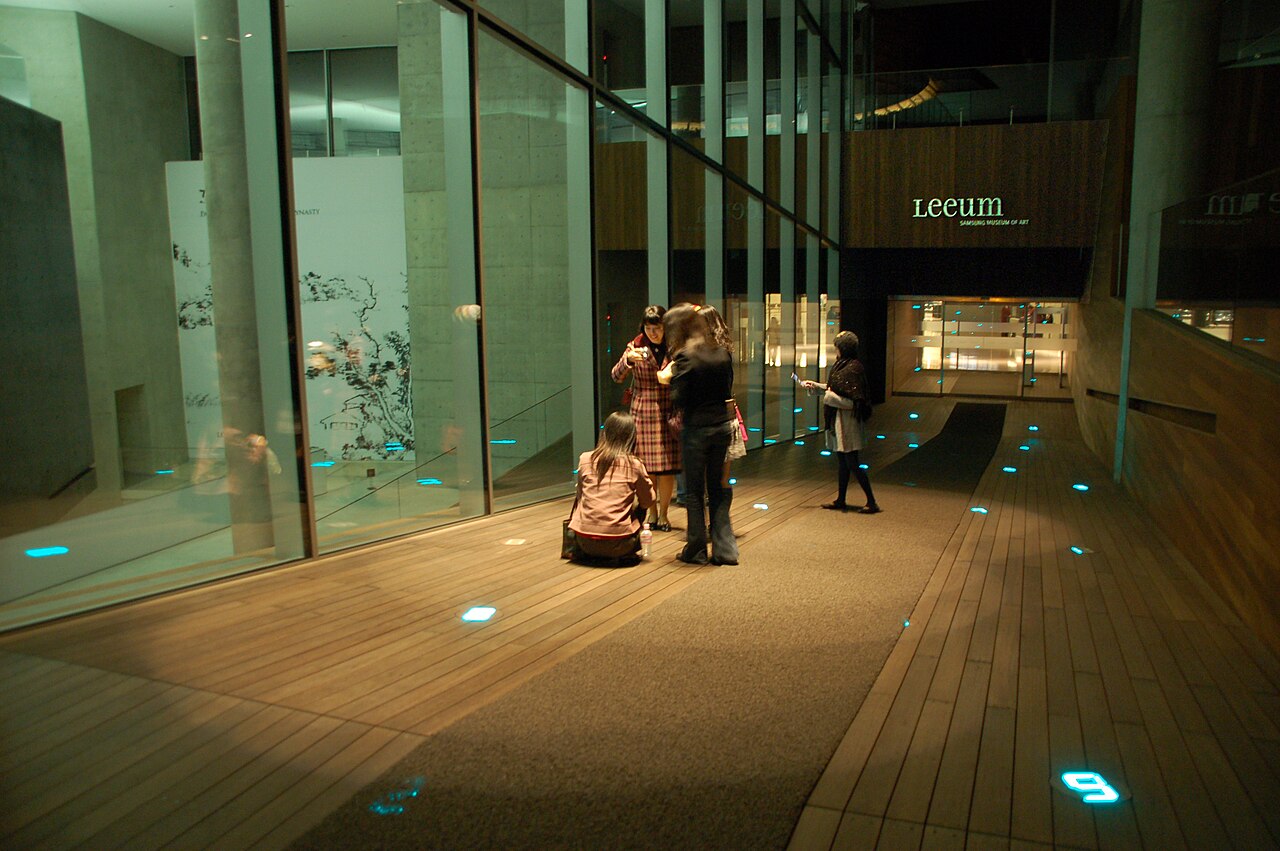
Leeum Museum of Art
- Must see
- Museum
Place of worship · Seoul
이슬람교서울중앙성원
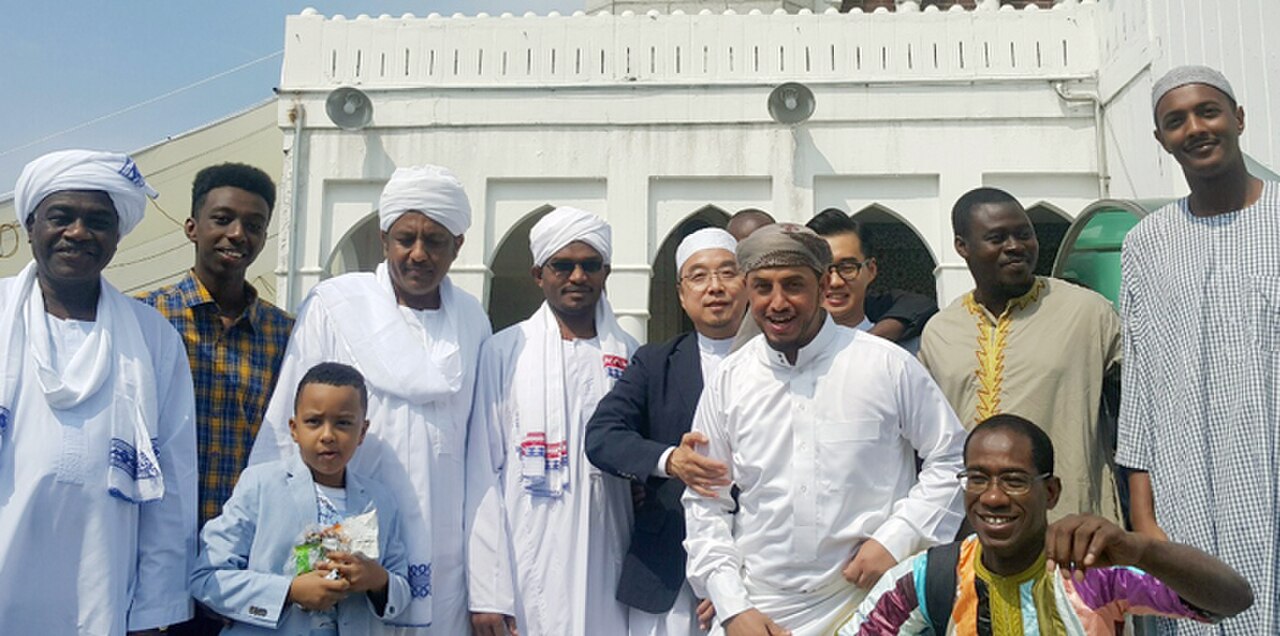
Seoul Central Mosque is a working mosque on a hillside in Itaewon, Seoul, with the Korean name 이슬람교서울중앙성원. Its significance is religious and communal: it serves worshippers and forms part of Itaewon’s international Muslim community. The building is therefore not a museum or a staged cultural attraction, but an active house of worship whose daily purpose is prayer, teaching and community life. Its location gives the visit a distinctive sense of place, where a religious landmark, steep neighbourhood streets and Itaewon’s international character meet. Travellers interested in Seoul’s religious geography can find the mosque meaningful, provided they approach it as a living congregation rather than a sightseeing backdrop.
Checked 2026-09-02 · Source
The interior is arranged for worship rather than exhibition. Prayer areas face Mecca, with separate spaces for male and female worshippers. Ablution facilities support ritual washing before prayer, and other areas are used for religious instruction and community gathering. Islamic design details contribute to the building’s visual identity, but their meaning is inseparable from the mosque’s practical role. Interior access may change with prayer and community activity, so visitors might see only the areas staff consider suitable at that moment. The most revealing features are functional: places for prayer, preparation, teaching and communal use within an operating congregation.
Checked 2026-09-02 · Source
Allow about 20 to 30 minutes for a considerate visit centred on the exterior, entrance area and surrounding hillside. Add time if mosque staff permit interior access or if you are attending for worship. The walk through Itaewon can take longer than the map suggests because the final approach includes a noticeable incline, so allow pauses if needed. If you combine the mosque with the neighbourhood’s food and shopping streets, plan a broader block rather than a rushed stop. A short visit is sufficient for seeing the setting; a longer stay should follow the congregation’s rhythm instead of an attraction checklist.
Checked 2026-09-02 · Source
Friday midday prayer is the busiest and most sensitive period, while Ramadan can bring especially active religious programming and altered rhythms. For a quieter observational visit, choose a time away from prayer and keep your arrival flexible. Worship takes priority, and access may be limited even when the mosque is open to its congregation. A suitable arrival time is therefore not a guaranteed sightseeing appointment. Visitors should be prepared to wait, remain outside or leave if staff indicate that religious activity requires privacy and uninterrupted movement.
Checked 2026-09-02 · Source
Seoul Central Mosque is a place of worship, and no admission charge or ticketing arrangement is recorded for it. Plan for a respectful visit rather than a purchased attraction entry. Donations, organised educational visits or other special arrangements are not described here as standard admission and should not be assumed. The practical priority is to follow mosque guidance on which spaces may be entered and when, since access depends on religious and community use rather than a sightseeing timetable.
Checked 2026-09-02 · Source
Itaewon Station on Seoul Subway Line 6 is the clearest public-transport reference for reaching Seoul Central Mosque. From the station area, continue on foot through Itaewon; the final approach includes a noticeable incline because the mosque stands on hillside streets. Buses, taxis and ride-hailing services also connect with the district, although exact routes and timings change. Public transport is the practical choice in this dense neighbourhood. Anyone with limited mobility should plan the uphill approach carefully, allowing for the slope when choosing footwear, transfer times and the amount of walking that feels comfortable.
Checked 2026-09-02 · Source
Dress modestly, covering shoulders, arms and legs, and remove shoes before entering interior prayer spaces. Women entering prayer areas should cover their hair. Do not enter a prayer area during worship, interrupt congregants or treat the building like a photo set. Keep voices low, ask before photographing inside and never photograph people without consent. Friday prayer deserves particular restraint because attendance is high. Non-Muslim visitors may be welcomed respectfully, but specific rooms or activities can remain restricted. Casual behaviour that might be ordinary elsewhere in Itaewon is inappropriate inside an active mosque.
Checked 2026-09-02 · Source
The exterior and the mosque’s position above Itaewon can be photographed from public areas, provided pedestrians and worshippers are not made subjects without consent. Interior photography should wait for clear permission from mosque administration and may not be allowed. Avoid flash, tripods and conspicuous equipment during busy periods. Strong photographs can show the building’s relationship with the steep neighbourhood streets and the district below, while the responsible choice inside is often to put the camera away. During prayer, prioritise quiet observation and leave clear space for worshippers entering or departing.
Checked 2026-09-02 · Source
Non-Muslims may make a respectful visit, but prayer and community activity take priority. Interior access can vary, so follow instructions from mosque staff and be ready to remain outside if requested.
Wear modest clothing covering the shoulders, arms and legs. Women entering prayer areas should cover their hair, and everyone must remove shoes before entering interior prayer spaces.
No guided-tour availability is recorded for Seoul Central Mosque. Treat the visit as a self-directed, respectful encounter with an active mosque and follow any instructions from mosque staff.
Friday prayer is congregational worship, not a sightseeing event. Do not treat the busiest period as a tour; visitors should follow mosque staff guidance and avoid interrupting worship or community movement.
No operator-confirmed parking information is recorded. Because Itaewon is dense and the approach is hilly, public transport is the more practical option for most visitors.
Itaewon is known for halal dining, but no operator-confirmed details for specific restaurants are recorded for this mosque. Treat nearby dining as a separate venue choice and verify it with that venue.
Loading the interactive map…
The interactive map could not be loaded.
Last updated:
Source: OpenStreetMap contributors, Wikidata ·