.jpg)
2 min walk
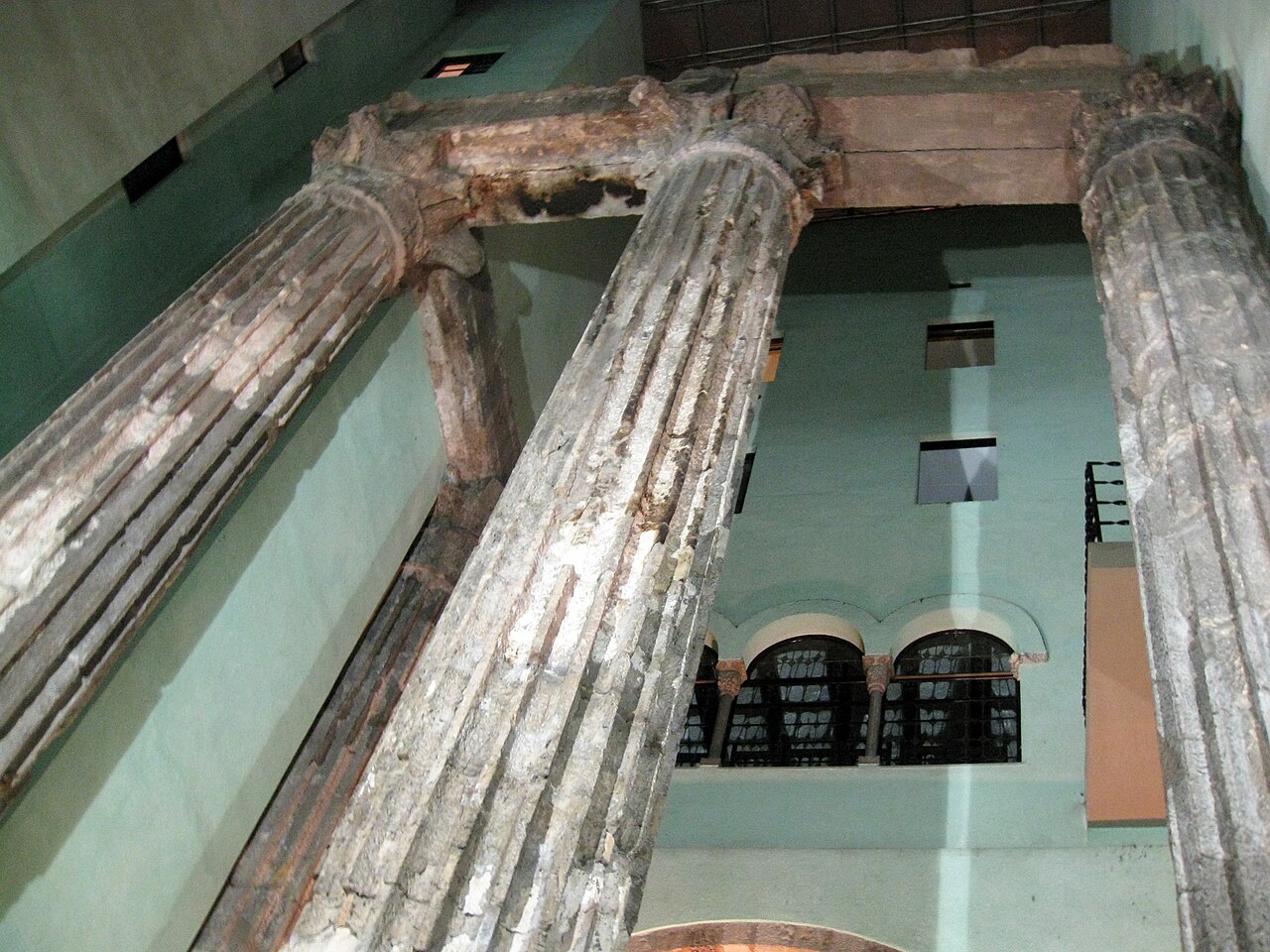
Temple of Augustus in Barcelona
- High · Heritage site
- Museum
Language · 11 published
Historic monument · Barcelona
Casa Padellàs
Reviewed by Elena Voss · Roavina Travel Editor
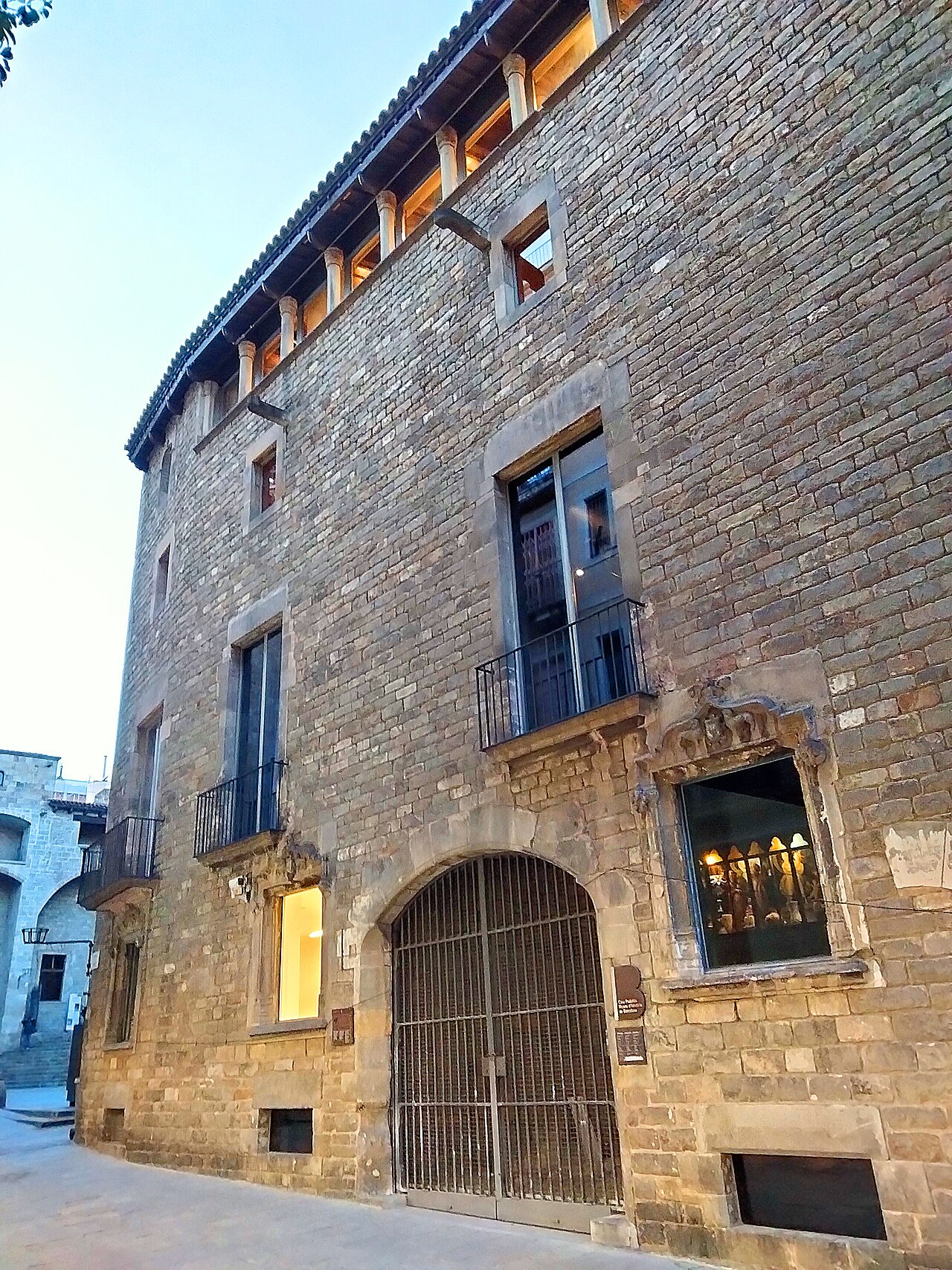
It was built in the Gothic architecture style. It carries the bien de interés cultural heritage designation.
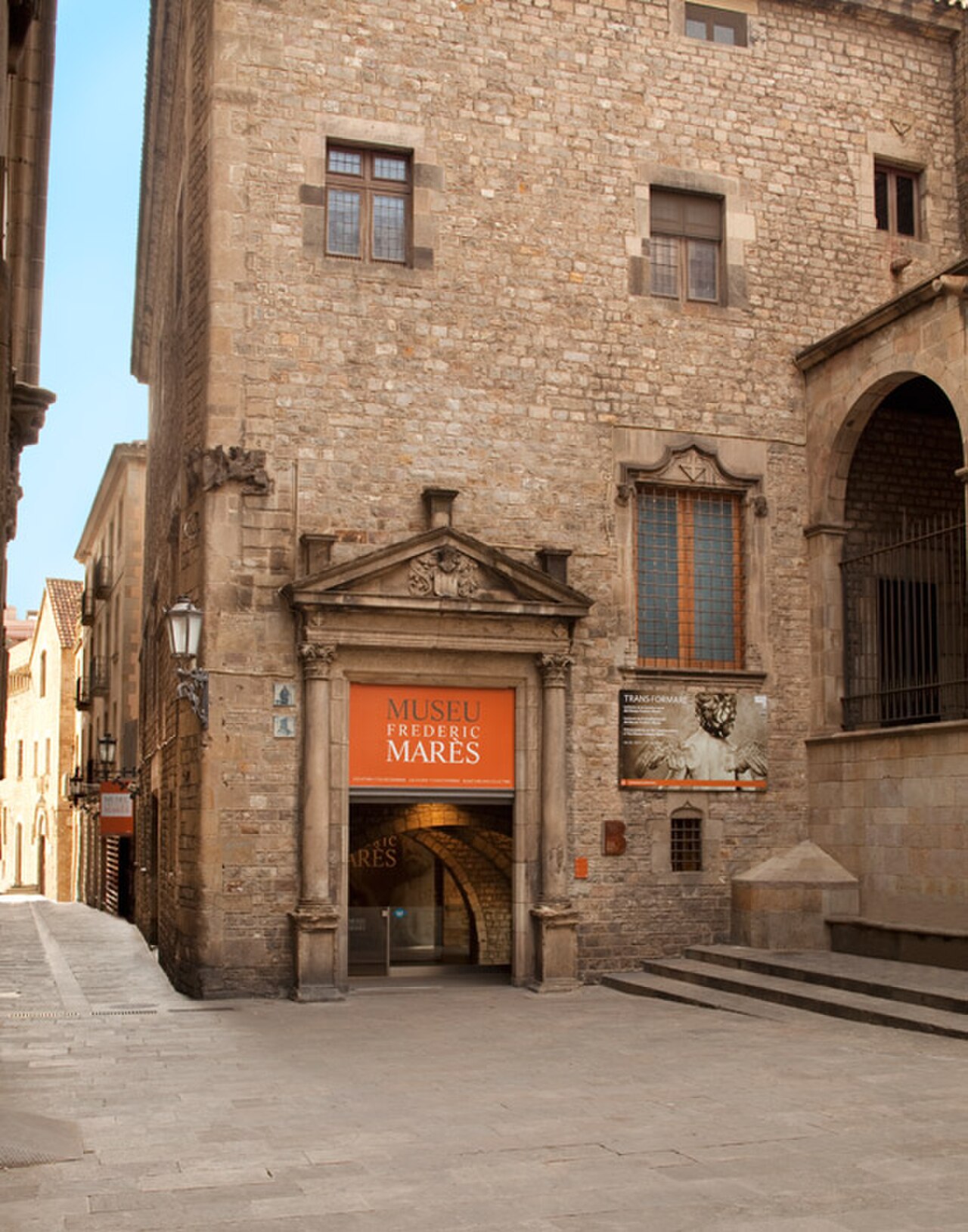
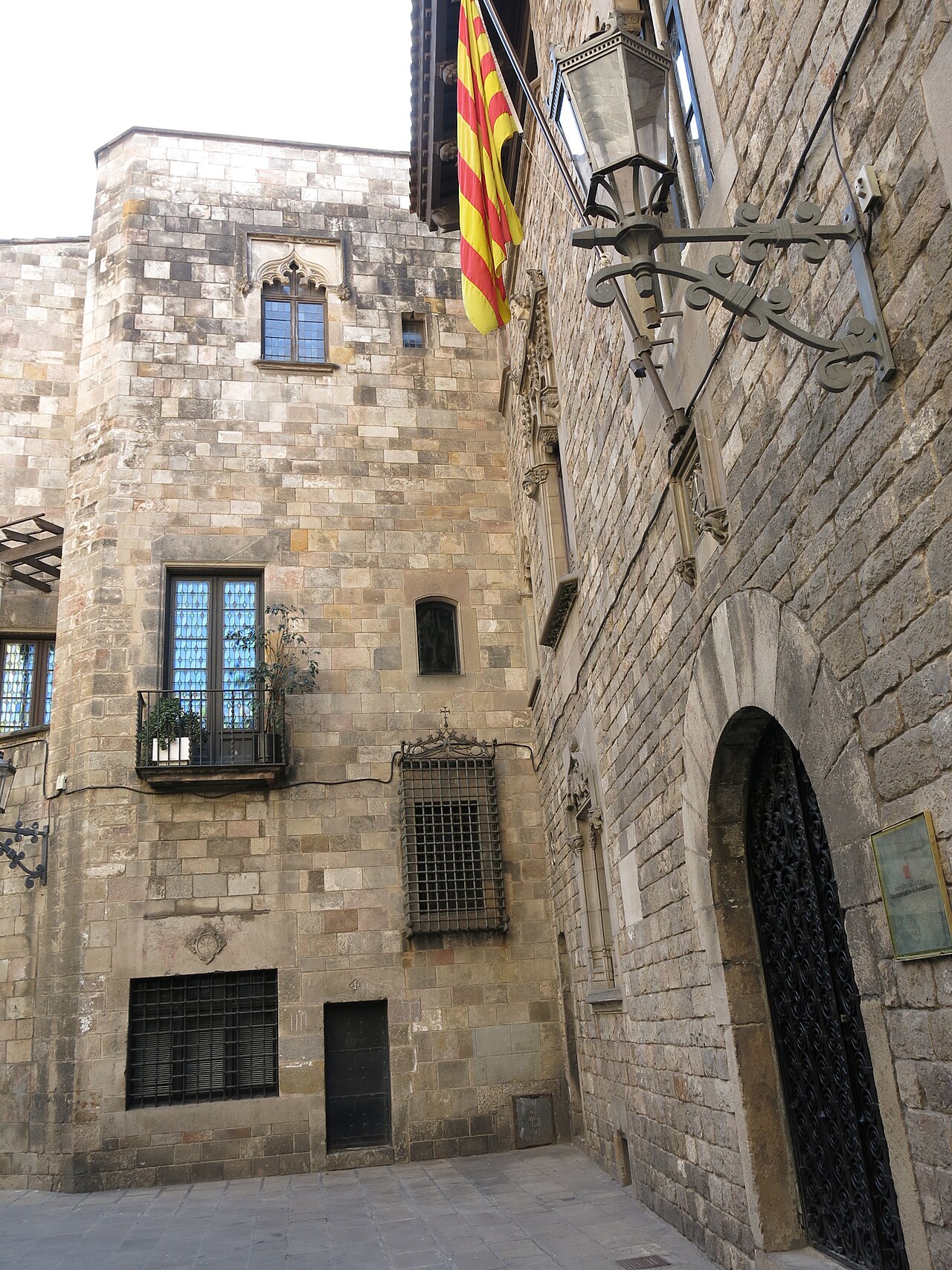
Padellàs’s House, also known as Casa Padellàs, is a historic residence in Barcelona’s Gothic Quarter. Its architecture belongs to the city’s layered Catalan heritage and reflects the domestic world of prosperous merchant families. The building helps visitors read Barcelona through a smaller human scale: rooms, thresholds, courtyards and circulation reveal how urban homes functioned across changing periods. Include it during a walk through the historic centre, where the surrounding medieval streets reinforce the house’s sense of place. Casa Padellàs, known in English as Padellàs's House, stands as a notable building within Barcelona's historic urban fabric. The structure represents Catalan architectural heritage and forms part of the city's layered historical narrative. Visitors encounter a residence that has witnessed centuries of Barcelona's evolution, from medieval foundations through subsequent modifications. The house exemplifies the domestic architecture of prosperous merchant families who shaped the city's commercial and cultural development. Its preservation allows contemporary observers to engage directly with tangible evidence of past living conditions and social structures. Visitors should verify current administrative arrangements through official channels.
Checked 2026-08-26 · Source
The house is valued chiefly for its architectural spaces. Courtyard arrangements, staircases, room proportions and construction details show how a historic urban residence organised movement and domestic life. Decorative features and surviving building techniques reward a slow look rather than a quick photograph at the entrance. The changing use of the structure over time can be read through its adaptation and layout. Expect an experience centred on historic fabric and spatial character, with the building itself providing the main subject. The interior spaces of Casa Padellàs contain architectural features characteristic of period Catalan residential design.
Checked 2026-08-26 · Source
Allow roughly thirty minutes to one hour for a focused visit. The compact scale makes a short stop practical, while visitors interested in masonry, proportions and domestic architecture can spend longer studying individual details. Pairing the house with a broader Gothic Quarter walk naturally extends the outing, since the approach and nearby streets form part of the historical setting. Keep the pace unhurried: the value lies in noticing relationships between courtyard, stairway and rooms.
Checked 2026-08-26 · Source
The house fits well into a morning or afternoon route through Barcelona’s historic centre. Earlier hours can make a narrow Gothic Quarter walk more comfortable, while quieter periods suit visitors who want to examine architectural details without rushing. The interior focus makes the stop workable in varied weather, and the Mediterranean climate keeps the surrounding walking route attractive through much of the year. Allow extra time around public holidays, when historic-centre movement can become slower.
Checked 2026-08-26 · Source
Treat Padellàs’s House as a heritage visit whose admission arrangements belong to the site’s current visitor offer. If you are building a museum-focused day, place it alongside other historic and cultural stops in the Gothic Quarter. The building’s appeal does not depend on a long programme: its courtyard, rooms and architectural details can reward a compact visit. Keep your plan flexible enough to accommodate the time needed for the surrounding pedestrian streets.
Checked 2026-08-26 · Source
Padellàs’s House lies in Barcelona’s dense historic core, where the final approach is best made on foot through the Gothic Quarter. Public transport can bring you to the wider central district, after which narrow medieval streets shape the walk. Cycling and vehicles are less convenient close to the building because of restricted and irregular lanes. Wear comfortable shoes and leave time for slow pedestrian movement, uneven paving and the many turns that make the historic centre distinctive.
Checked 2026-08-26 · Source
Historic domestic architecture brings practical constraints. Stairs, thresholds, uneven floors and older door dimensions can make movement harder for some visitors. The Gothic Quarter is busy, so keep personal belongings close during the approach and around the entrance. Move quietly inside and follow any instructions for circulation or room access. Stone surfaces and subdued interior light reward careful steps. The compact layout means that congestion can affect the pace of a visit, especially when several groups arrive together.
Checked 2026-08-26 · Source
The courtyard, staircases, thresholds and room proportions provide stronger subjects than a rushed exterior snapshot. Look for the contrast between stone surfaces, shadowed interiors and the geometry of the domestic plan. Keep equipment compact in narrow circulation spaces and avoid blocking other visitors. Use natural light where possible, and follow any restrictions inside the building. From public streets, the surrounding Gothic Quarter adds context, but frame respectfully around residents, workers and other pedestrians.
Checked 2026-08-26 · Source
It is a historic urban residence in Barcelona’s Gothic Quarter, valued for its Catalan domestic architecture, courtyard arrangement, staircases and historic room layout.
Focus on the courtyard, staircases, room proportions, thresholds, decorative details and construction features that reveal how a historic merchant residence was organised.
A focused visit takes about thirty minutes to one hour. Add more time if you are also walking through the surrounding Gothic Quarter or studying architectural details closely.
The house is in Barcelona’s Gothic Quarter, within the dense historic centre and a short walking connection from the wider central public transport district.
Its domestic spaces show how prosperous merchant families lived and how historic homes contributed to Barcelona’s commercial and cultural development.
It suits travellers who enjoy historic buildings, domestic architecture and close observation of rooms and materials, especially as part of a longer Gothic Quarter walk.
Loading the interactive map…
The interactive map could not be loaded.
Last updated:
Source: OpenStreetMap contributors, Wikidata ·