_03.jpg)

2 min walk
Museum of Romanticism
- Must see
- Museum
Language · 11 published
Museum · Madrid
Museo de Historia de Madrid
Reviewed by Elena Voss · Roavina Travel Editor
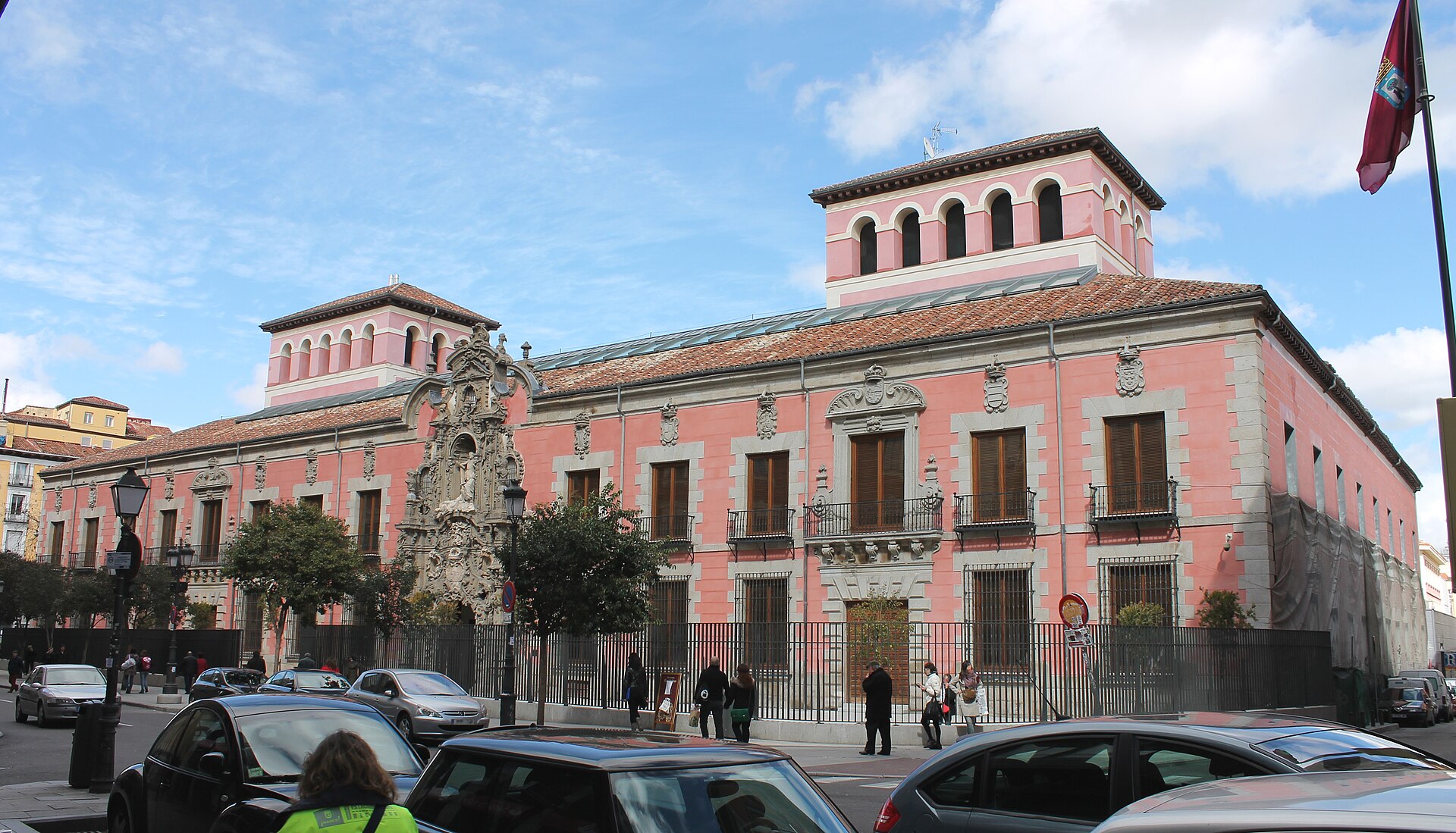
This place is a Museum. It opened in 1929.
Madrid History Museum, also known as Museo de Historia de Madrid, is Madrid’s municipal museum devoted to the capital itself. Its subject is the city’s formation and transformation: the places it built, the institutions that shaped it and the residents whose lives gave those changes meaning. This city-scale focus makes central Madrid easier to read, because streets, plazas and surviving historic buildings become evidence within a longer urban story. The museum connects civic development with everyday experience through visual, material and documentary sources. It is a particularly useful introduction to Madrid before exploring the historic centre on foot, when the city outside can be compared with the museum’s record of its changing public identity.
Checked 2026-09-02 · Source
The collections bring together several forms of evidence about Madrid’s urban and social evolution. Paintings and city views record changing landmarks and public scenes, while prints and engravings preserve earlier visual impressions. Historical photographs show streets, architecture and daily life. Maps trace expansion and changing boundaries; scale models make the city’s physical form easier to understand. Documentary material, including manuscripts, posters and ephemeral records, adds civic and ordinary voices. Decorative arts and everyday objects supply material detail, so visitors can compare how Madrid looked, how it was organised and how people experienced the capital across successive periods.
Checked 2026-09-02 · Source
Plan roughly 90 minutes for a focused first visit that follows Madrid’s main historical story while sampling the principal collection types. Around two hours is more comfortable if you pause over maps, compare historic views with the present-day city or read labels closely. The museum suits a medium-length cultural stop: substantial enough to deepen a day in the historic centre, yet manageable alongside nearby streets, squares or another attraction. Visitors drawn to urban history may linger over cartographic material, models and photographs, while a quicker circuit still provides a coherent overview of Madrid’s development. A longer visit rewards people interested in comparing visual records with the city they will explore afterwards, especially when paired with a walking route through older neighbourhoods.
Checked 2026-09-02 · Source
A weekday morning is a sensible time to seek a calmer visit and give maps, photographs and changing city views your full attention. The museum also fits naturally into a central-Madrid walking day, with the visit placed between historic streets, plazas and other sights. Public holidays, temporary closures and special programming can alter a normal plan, so leave flexibility around this stop. The subject becomes more rewarding when you compare the museum’s evidence with the streets immediately beyond it. Place the visit early enough to keep nearby Puerta del Sol, Plaza Mayor and old-centre routes available afterwards, while allowing the museum to set historical context for the rest of the walk.
Checked 2026-09-02 · Source
No current admission amount or free-entry policy is recorded for Madrid History Museum. The municipal listing is the responsible authority for the entry arrangement, including any conditions attached to temporary exhibitions, groups, educational activities or special programmes. Resolve the admission details before fixing a tightly timed central itinerary, so an entry condition does not disrupt the route. The absence of a recorded price provides no basis for describing the museum as paid or free, and this guide therefore records no admission charge.
Checked 2026-09-02 · Source
The museum sits in Madrid’s urban core, where public transport and walking are practical arrival choices. Several metro stations serve the surrounding district, and buses run along nearby main roads before a pedestrian approach through the centre. It can be combined with a route linking Puerta del Sol, Plaza Mayor and neighbouring historic streets. Taxis and ride services operate throughout the area. Walking is particularly useful when the museum forms part of an old-centre circuit, although busy pedestrian flows may slow the final approach. Check the current Madrid transport map and allow time for the walk from your chosen stop. The central location makes it easy to place the museum within a broader exploration of Madrid’s historic street pattern.
Checked 2026-09-02 · Source
Wheelchair users, visitors with reduced mobility and families using pushchairs should treat the recorded step-free access as limited and confirm the practical route and any available assistance with the museum or responsible municipal service before arrival. The central approach may be busy, particularly where pedestrian traffic narrows near historic streets. Exhibition displays can change, and an item described in older material may not be on view. Give yourself flexibility for the building, the approach and the particular galleries available that day. The museum’s range of historical material means that a planned theme may be represented differently from one visit to the next.
Checked 2026-09-02 · Source
Keep cameras and phones unobtrusive, respect other visitors’ viewing space and observe any object-specific notices. Maps, photographs, documents and models reward close looking, so brief notes can be more useful than trying to record every display. Archival and artwork reproduction may have separate conditions. Treat each room’s instructions as controlling throughout the museum, and follow staff guidance where a particular work, document or temporary presentation has additional requirements. A careful approach protects the viewing experience while leaving room to study the details that make Madrid’s urban history tangible.
Checked 2026-09-02 · Source
Yes. “Museo de Historia de Madrid” is the Spanish name and “Madrid History Museum” is its English rendering. Both names refer to Madrid’s municipal museum devoted to the history of the capital.
It covers Madrid itself: the city’s origins, growth, urban form, civic life and changing society. Paintings, prints, photographs, maps, models and documentary material let visitors follow that development through different kinds of evidence.
Allow about 90 minutes for a focused first visit. Around two hours is more comfortable if you study maps, compare historic views with the present-day city, or read labels closely.
No current admission amount or free-entry policy is recorded for the museum. The municipal listing is the responsible source for the current arrangement, so settle the entry details before planning a tightly timed route.
Both are municipal museums concerned with Madrid, but Madrid History Museum focuses on the capital’s broader urban and civic development, using city views, maps, photographs, models and related material. Museo de San Isidro has a different institutional focus.
No. Step-free access is limited, so the complete visitor route is not confirmed as step-free. Confirm the practical route and any assistance with the museum or responsible municipal service before arrival.
Loading the interactive map…
The interactive map could not be loaded.
Last updated:
Source: OpenStreetMap contributors, Wikidata ·