
2 min walk
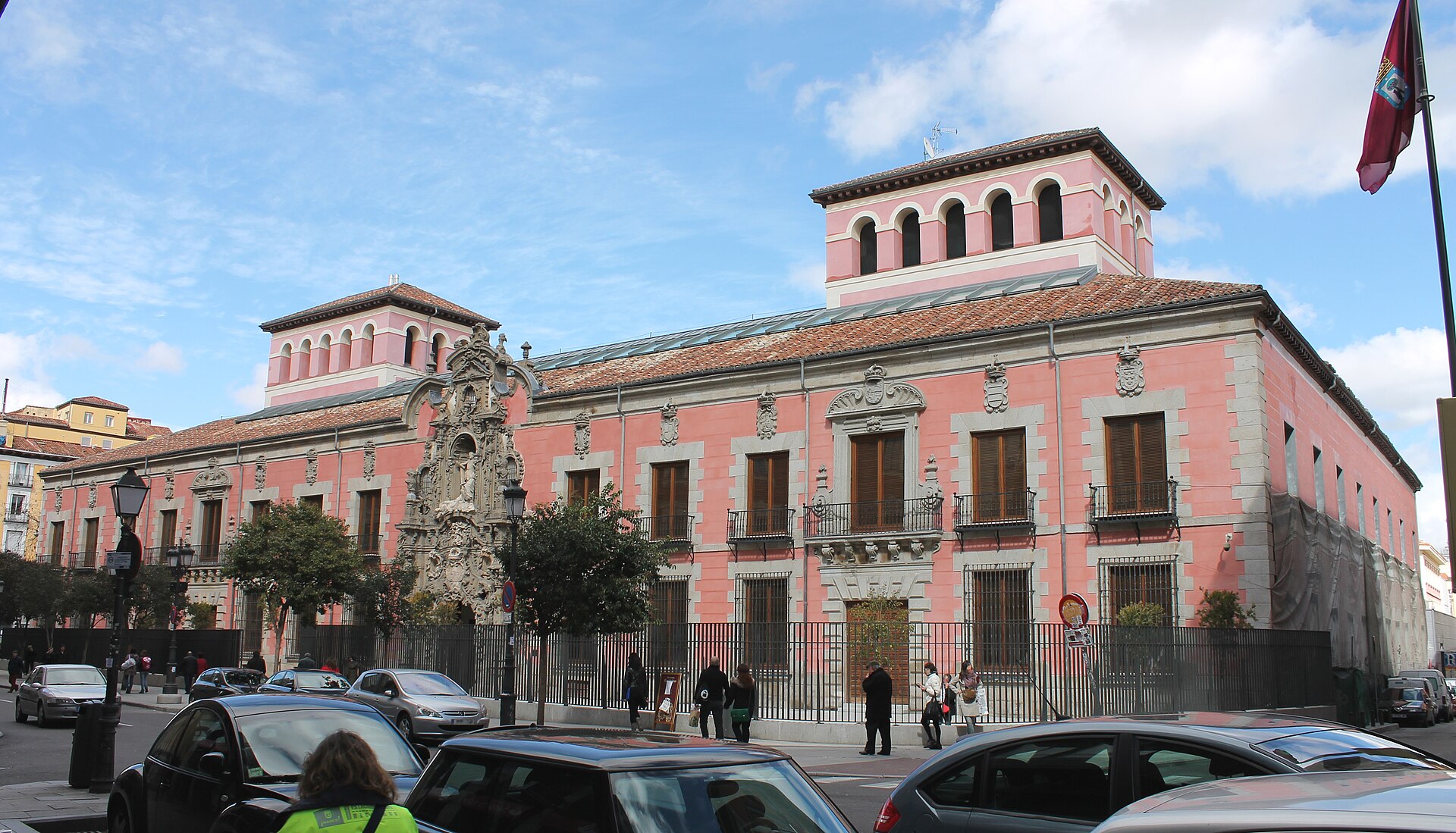
Madrid History Museum
- Must see · Heritage site
- Museum

Museum · Madrid
Museo del Romanticismo
The Museum of Romanticism, or Museo del Romanticismo, explores the artistic and social world of nineteenth-century Spain. It occupies a historic palace in central Madrid, where paintings, furniture, decorative arts and personal belongings create a close view of Romantic-era life. The building is part of the experience: rooms, furnishings and decoration help connect individual objects with the domestic culture and taste of the period. The Museum of Romanticism is a cultural institution in Madrid dedicated to the artistic and cultural movement of Romanticism. Housed in a historic palace, it preserves and exhibits collections that reflect the aesthetic, social and intellectual currents of the Romantic period in Spain. The museum serves as a repository for paintings, decorative arts, furniture and personal effects that illustrate this significant era in European cultural history. Its setting within a period building enhances the immersive quality of the visitor experience. Museo del Romanticismo. Yes. It is a museum dedicated to the artistic and cultural movement of Romanticism, with collections of paintings, decorative arts and period interiors.
Checked 2026-08-26 · Source
Inside, visitors move through historic rooms containing Spanish Romantic paintings, drawings, prints, furniture and decorative objects. Ceramics, textiles, musical instruments and personal memorabilia broaden the visit beyond fine art. Period interiors give the displays a domestic scale, so the museum is especially rewarding when you compare the rooms themselves with the objects placed inside them. Allow time to look at both the artworks and the surrounding decoration. The museum's collections encompass paintings, drawings, prints, furniture, decorative objects and personal memorabilia associated with Romantic-era Spain. Visitors encounter works by prominent Spanish Romantic painters alongside period rooms that recreate domestic interiors of the nineteenth century. The displays include musical instruments, ceramics, textiles and other material culture that illuminate daily life and artistic sensibilities of the period. The palace architecture itself, with its historic salons and decorative schemes, forms an integral component of the museum's presentation.
Checked 2026-08-26 · Source
Plan on roughly one to two hours for a comfortable visit. That is enough time to move through the principal rooms, study representative paintings and notice the furniture and decorative details. Visitors with a strong interest in Spanish Romantic painting, nineteenth-century interiors or material culture can extend the stop by lingering over individual objects. Its manageable scale also makes it easy to pair with other central Madrid sights. A thorough visit to the Museum of Romanticism typically requires between one and two hours, depending on individual interest in decorative arts and period interiors.
Checked 2026-08-26 · Source
Weekday mornings can provide a calmer setting for examining the rooms and smaller objects. The museum also works well as an indoor stop during a busy day in central Madrid, particularly when you want a quieter alternative to the city’s largest institutions. If you are interested in a particular exhibition or programme, build your visit around that activity and leave enough time for the permanent displays.
Checked 2026-08-26 · Source
The museum is a focused cultural stop for visitors interested in Romanticism, Spanish painting and historic interiors. Ticket arrangements can differ from those of larger Madrid museums, while exhibitions or programmes may have their own conditions. Treat admission planning as part of the day’s logistics and allow time to enjoy the rooms rather than rushing through them. The local name, Museo del Romanticismo, is useful when finding the venue in Madrid.
Checked 2026-08-26 · Source
The Museum of Romanticism is in central Madrid, within the city’s dense historic urban fabric. Public transport provides practical access, and the surrounding streets can also be reached on foot from nearby central attractions and accommodation areas. Bus and metro journeys usually involve a final walk through the neighbourhood. If travelling by car, central-city traffic and limited parking make a private vehicle less convenient than public transport.
Checked 2026-08-26 · Source
This is a historic palace rather than a purpose-built contemporary gallery, so the rooms and circulation have a more intimate, old-fashioned character. Move carefully around furniture and fragile decorative objects, and follow the instructions displayed in each gallery. Temperature and space can feel different from room to room. Keep personal belongings secure, and give other visitors room to appreciate the compact interiors without blocking doorways or views.
Checked 2026-08-26 · Source
The museum’s historic interiors offer strong visual details, from furniture and decorative schemes to paintings and smaller household objects. Photograph only where the displayed rules permit it, and avoid flash, tripods or equipment that obstructs the narrow rhythm of the rooms. A quiet approach suits the setting: pause for architectural details, keep doorways clear and let other visitors enjoy the galleries without interruption.
Checked 2026-08-26 · Source
Its Spanish name is Museo del Romanticismo.
It is located in central Madrid, Spain.
The collections include paintings, drawings, prints, furniture, ceramics, textiles, musical instruments and personal memorabilia linked to Romantic-era Spain.
The museum occupies a historic palace whose period rooms and decoration form part of the visitor experience.
A comfortable visit takes about one to two hours, with extra time worthwhile for detailed interest in Romantic painting or historic interiors.
Public transport and walking routes through central Madrid provide practical ways to reach the museum; arriving by car is less convenient because central parking is limited.
Loading the interactive map…
The interactive map could not be loaded.
Last updated:
Source: OpenStreetMap contributors, Wikidata ·