
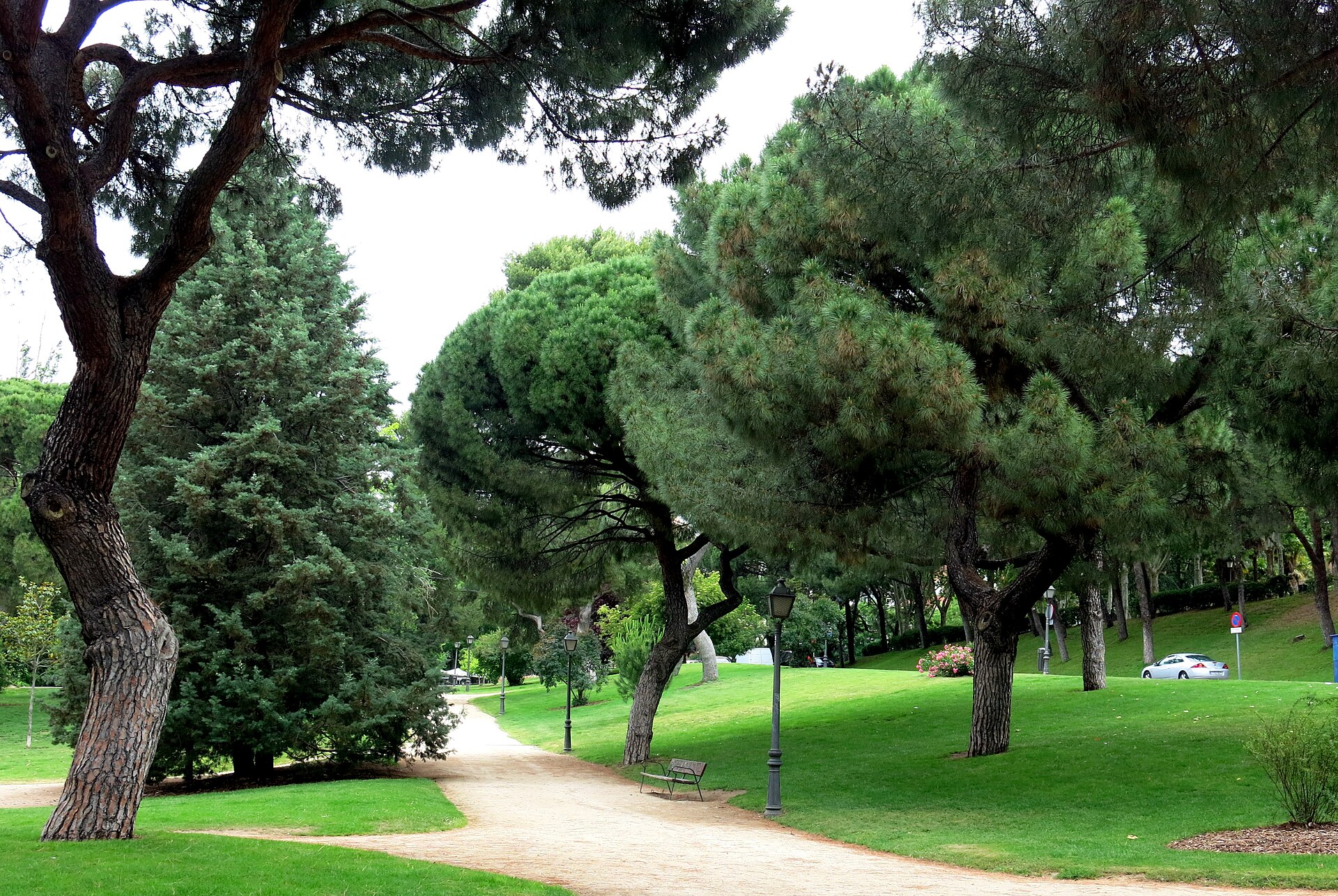
6 min walk
Parque del Oeste
- Must see
- Nature site
Place of worship · Madrid
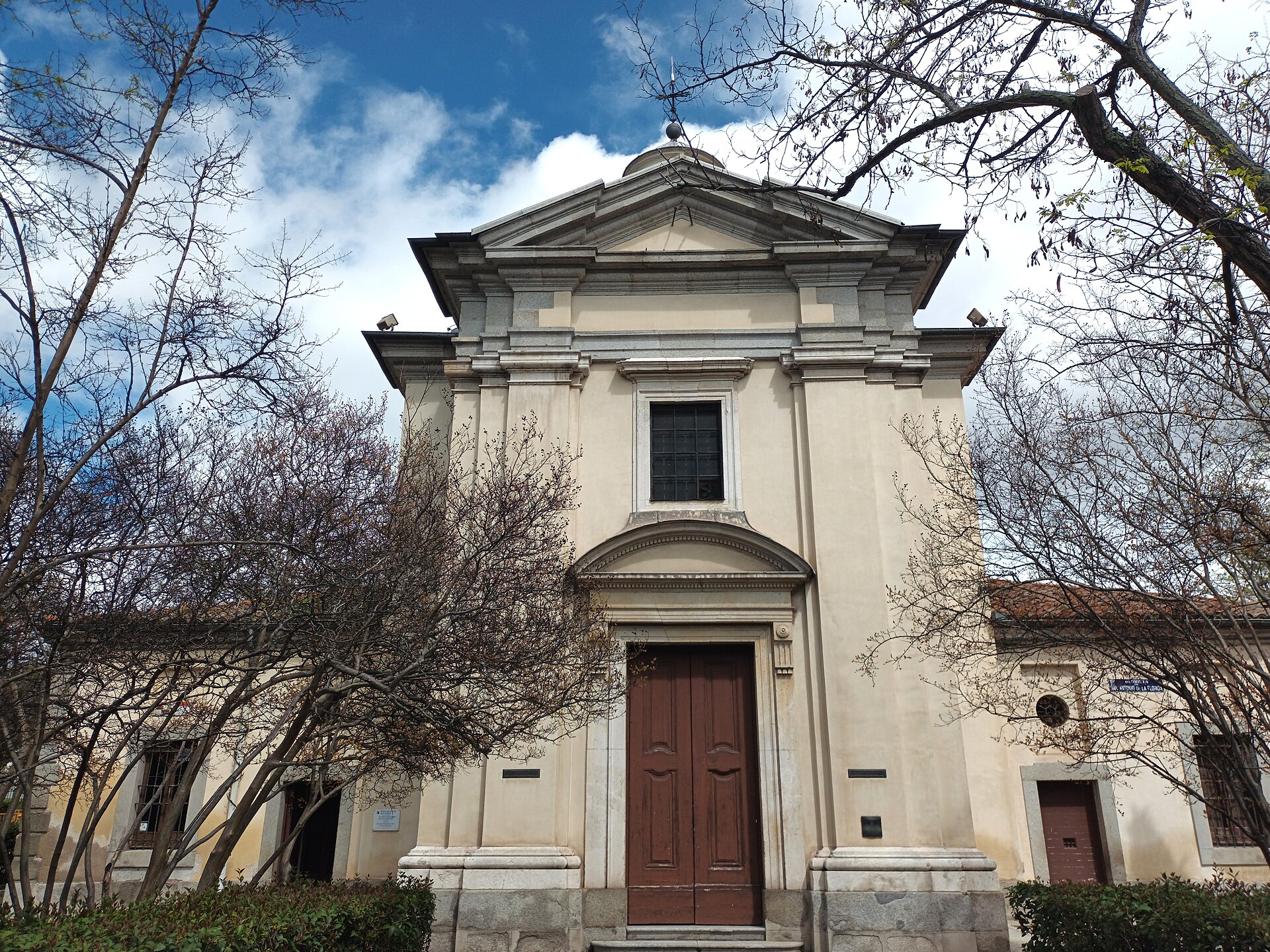
Ermita de San Antonio de la Florida
The Royal Chapel of St. Anthony of La Florida, also called Ermita de San Antonio de la Florida, is a historic chapel in Madrid. Its importance comes from the combination of religious character, royal association, and exceptional artistic decoration. For travellers, it offers a focused encounter with Spanish heritage in a small architectural setting rather than a large museum complex. Anthony of La Florida, known locally as Ermita de San Antonio de la Florida, is a historic chapel in Madrid. It serves as both a religious site and a monument of significant cultural importance. The chapel is particularly renowned for its artistic heritage, standing as one of the notable landmarks within Spain's capital city. Its designation as a royal chapel indicates historical patronage and continued ceremonial relevance in Madrid's urban landscape. Yes, these are the English and Spanish names for the same Madrid chapel.
Checked 2026-08-26 · Source
The chapel’s defining feature is its interior fresco cycle by Francisco Goya. The paintings turn the compact religious space into an important destination for visitors interested in Spanish art, Goya, and historic architecture. Look upward and around the interior to appreciate how the frescoes relate to the chapel’s structure. The artistic setting is intimate, so details reward a slower and attentive visit. The interior of the chapel is celebrated for containing major frescoes by Francisco Goya, the eminent Spanish painter. These paintings constitute a principal artistic attraction, depicting religious scenes with the distinctive style that characterizes Goya's work. The frescoes represent a significant period in Spanish art history and draw visitors interested in European painting traditions. The artistic contents make this chapel a site of pilgrimage for art historians and enthusiasts seeking authentic masterworks in their original architectural setting.
Checked 2026-08-26 · Source
Set aside enough time to study the Goya frescoes and absorb the chapel’s interior without rushing. Its compact scale makes it a short cultural stop rather than a full-day destination, while art historians and dedicated visitors may linger over individual scenes and details. Pairing the chapel with nearby Madrid sights creates a balanced itinerary: allow a concentrated visit here, then continue through the surrounding urban area. A typical visit to the chapel requires sufficient time to appreciate the Goya frescoes and the interior space. Visitors should allocate appropriate duration based on their level of interest in religious art and historical architecture. The compact nature of chapel buildings generally suggests visits are measured in hours rather than full days.
Checked 2026-08-26 · Source
Plan the chapel around your Madrid walking route and the rhythm of a religious building. Weekday and weekend access can fit differently into an itinerary, and worship or heritage activity may shape the visitor experience. A quieter period gives more space to look closely at the frescoes. The chapel is especially rewarding when you have enough time to pause rather than treating it as a quick photograph stop.
Checked 2026-08-26 · Source
The chapel is a heritage and religious site centred on its Goya frescoes. Plan it as a focused cultural visit separate from Madrid’s larger ticketed museums and palaces. Its small scale means the main value lies in the original artistic setting, not in a long sequence of galleries. Keep the visit flexible within your day so the chapel can sit naturally alongside nearby monuments and neighbourhood walks.
Checked 2026-08-26 · Source
The chapel stands within Madrid’s urban fabric and can be incorporated into a route using the city’s Metro and bus network. Walking from nearby points of interest is practical when the chapel forms part of a neighbourhood itinerary. Madrid’s extensive public transport makes the wider area straightforward to reach, while the final approach should be planned as a short city walk from the chosen stop.
Checked 2026-08-26 · Source
Remember that this is a religious building as well as a heritage attraction. Keep voices low, dress respectfully, and follow any directions concerning worship or conservation. Goya’s frescoes are delicate works viewed within a historic interior, so avoid touching surfaces and be careful with bags. The building’s age may also mean a less straightforward route for visitors who need step-free movement.
Checked 2026-08-26 · Source
The Goya frescoes are the essential photographic subject, but the chapel’s intimate scale makes looking more important than equipment. Follow any interior rules concerning cameras, flash, or positioning, and give other visitors room. When photography is permitted, frame the paintings with architectural details to show their original setting. A respectful, quiet approach protects the religious atmosphere and helps preserve the artwork.
Checked 2026-08-26 · Source
Yes. Ermita de San Antonio de la Florida is the Spanish name for the Royal Chapel of St. Anthony of La Florida.
Francisco Goya painted the frescoes that decorate the chapel’s interior.
Visit for the opportunity to see major Goya frescoes in their original religious and architectural setting.
Yes. It functions as a historic chapel as well as an important destination for visitors interested in Goya and Spanish art.
Keep voices low, dress respectfully, avoid touching historic surfaces, and follow directions related to worship and conservation.
Yes. Madrid’s Metro and bus network serve the wider area, with a walking connection from the selected stop.
Loading the interactive map…
The interactive map could not be loaded.
Last updated:
Source: OpenStreetMap contributors, Wikidata ·