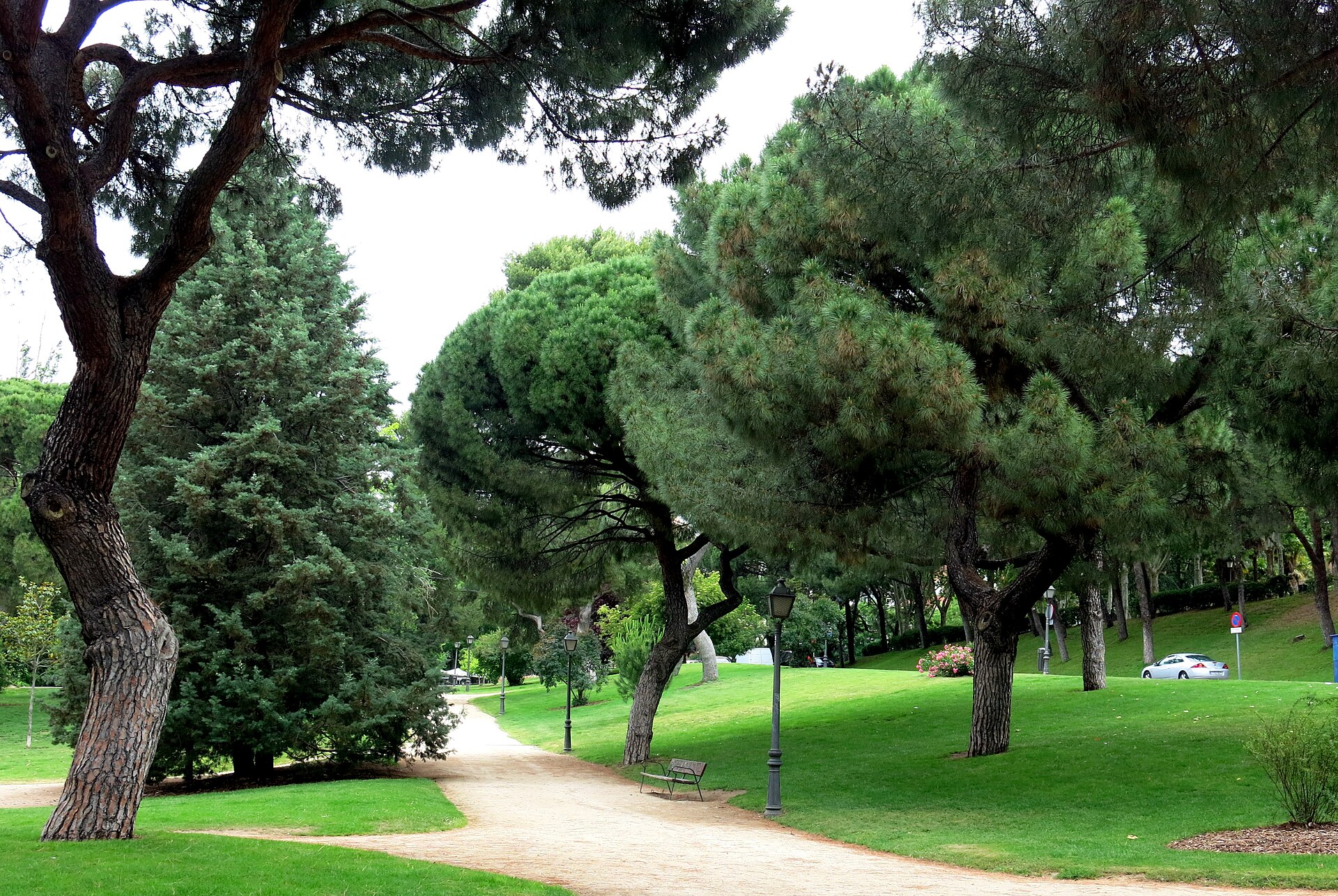
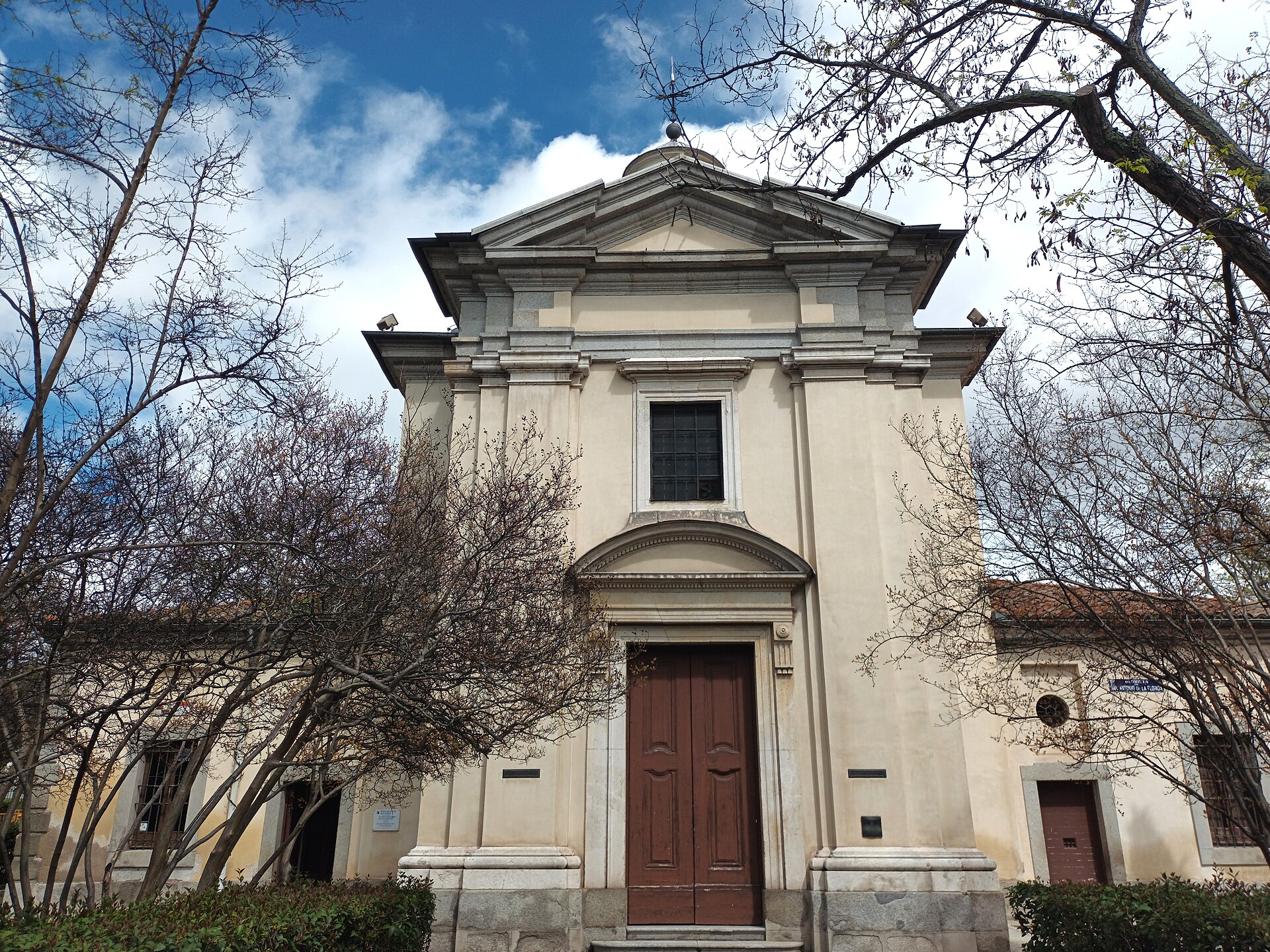
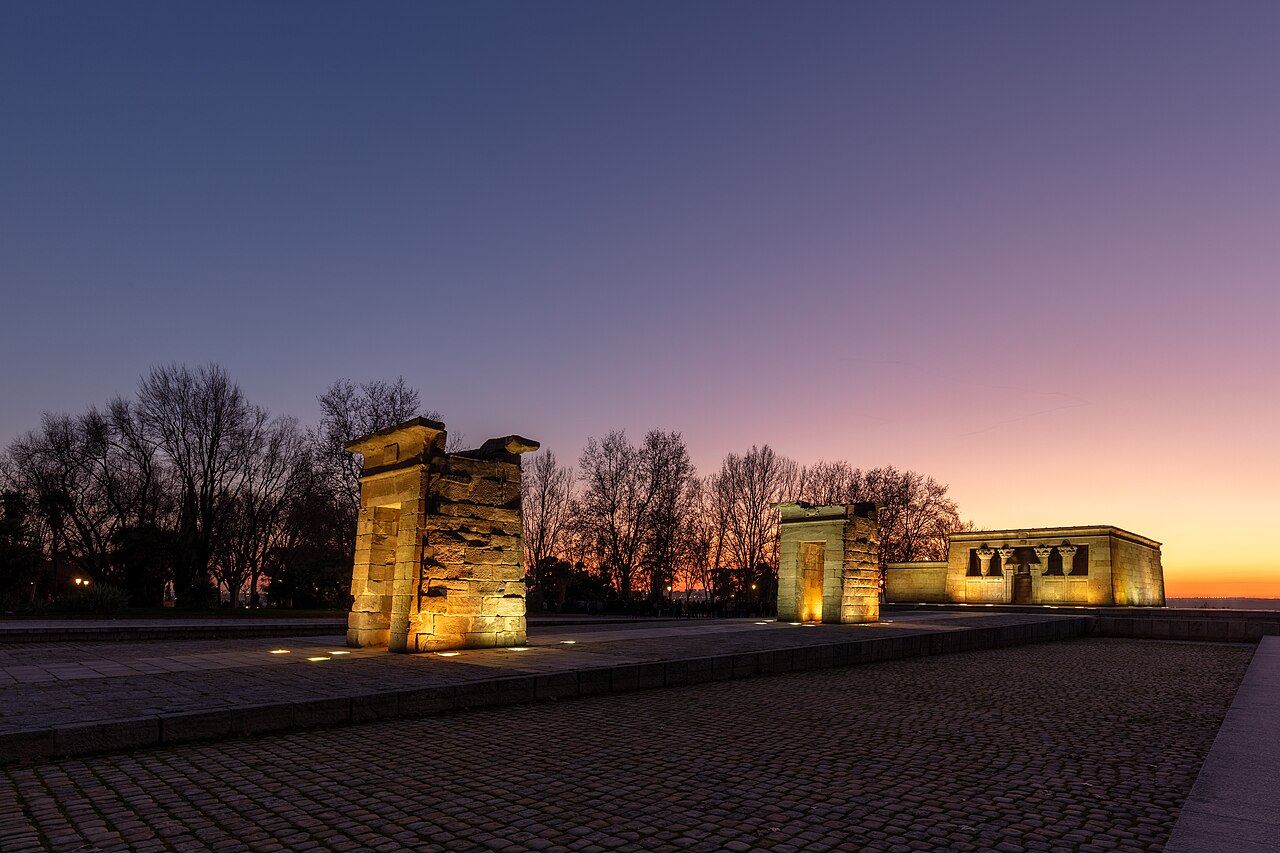
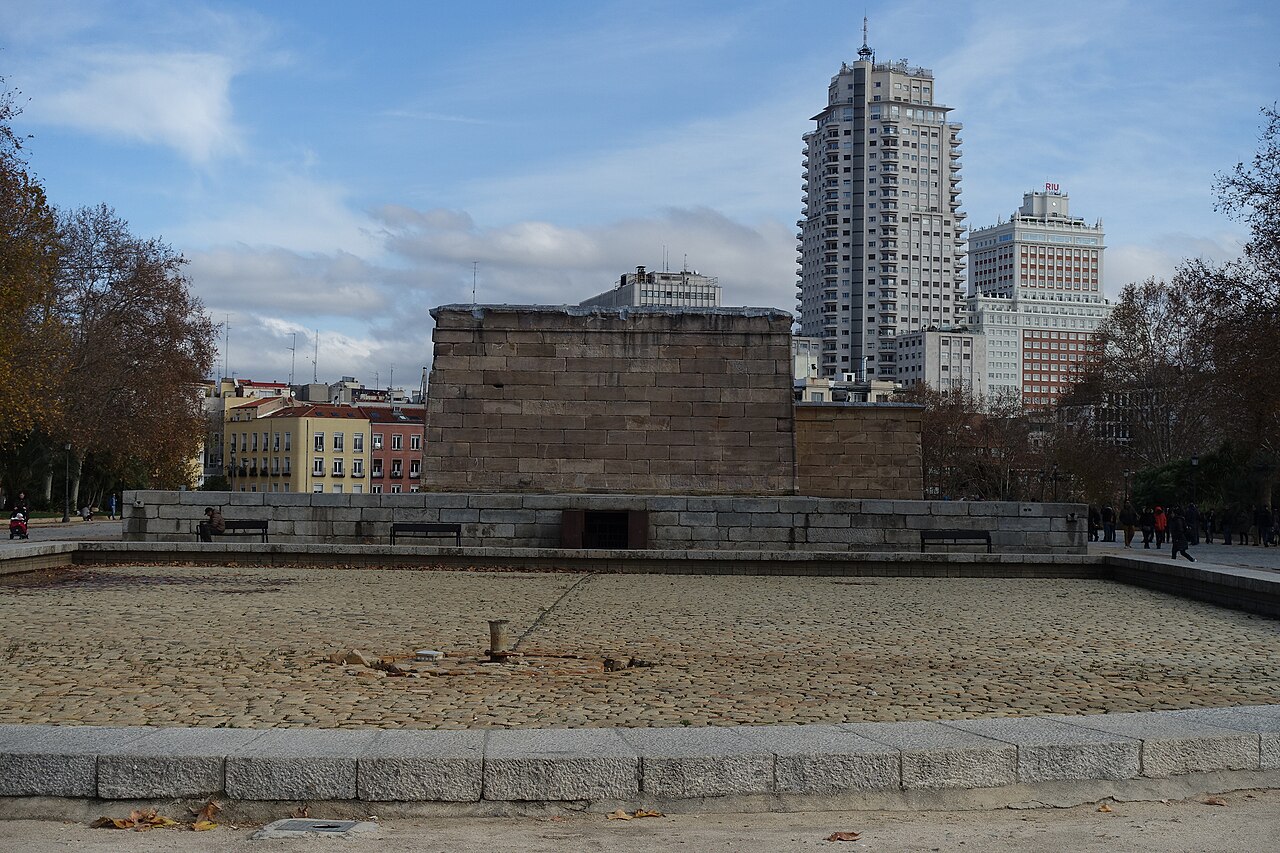
Parque del Oeste is one of Madrid’s major western green spaces, offering a broad change of pace from the city’s museums, avenues, and busy central squares. Its landscaped grounds combine mature trees, paths, open areas, and viewpoints across varied terrain. The park is especially memorable because the Temple of Debod stands within it, bringing an ancient Egyptian monument into a Madrid landscape. Travelers can visit for a walk, a quiet pause, views, or a cultural stop centered on the temple. Parque del Oeste is a public park in Madrid, Spain. The park occupies a significant green space in the western part of the city, offering visitors a natural retreat from urban surroundings. It was developed during the twentieth century and has become an established recreational area for residents and tourists. The terrain features varied landscaping with trees, pathways, and open areas. Yes, the Temple of Debod is located within Parque del Oeste.
The park’s attractions are spread through landscaped gardens, tree-lined walkways, grassy spaces, and elevated sections. The Temple of Debod is the defining cultural landmark inside the grounds and gives the visit a distinctive architectural focus. Visitors can move between the monument, planted areas, open views, and quieter paths rather than following a single indoor route. The combination makes Parque del Oeste useful for different kinds of travelers: architecture enthusiasts, photographers, families, walkers, and anyone wanting an outdoor break in Madrid.
A quick walk through the park can fit into about an hour, especially when the goal is to see the main landscape and the Temple of Debod. Allow two to three hours for a slower visit with photographs, several paths, city views, and time around the monument. The park also works as a flexible half-day stop if you want to sit outdoors or combine it with nearby western Madrid sights. Choose the duration according to weather, daylight, and interest in the gardens.
Spring and autumn provide comfortable conditions for walking and make the planted areas especially rewarding. Madrid’s summer afternoons can be hot, so morning or evening is more comfortable for a longer circuit. Winter visits remain practical when you want a quieter outdoor stop and do not mind cooler temperatures. The Temple of Debod can draw concentrated visitor attention, particularly around popular viewing times. Daylight matters for the park’s paths and landscape, while the changing light also shapes the character of the views.
The park grounds are a public urban landscape, making the outdoor visit straightforward to combine with a day of sightseeing. The Temple of Debod is within the park and gives the stop its principal cultural focus. Travelers can plan the gardens, paths, monument, and views as one connected outing. Keep time flexible if you want to linger for photographs or a peaceful break. The experience works well for travelers who want a substantial Madrid attraction without spending the entire visit indoors.
Parque del Oeste lies in western Madrid and is connected to the city by the Metro and bus networks. From nearby stops, expect a walk through the surrounding streets before reaching the park’s paths. Walking from central Madrid is possible for travelers who enjoy a longer urban route, while taxis and ride services provide a simpler approach. Bicycles can be useful on the journey through the city, although the park itself is best explored at pedestrian speed. Central-area parking can be difficult.
The park includes slopes and uneven paths, so comfortable footwear is useful. In summer, carry water and protect yourself from direct sun during the warmest part of the day. Cyclists and pedestrians may share parts of the circulation network, requiring attention at crossings and along narrower routes. The Temple of Debod can be busy when many visitors gather for photographs. If you visit later in the day, remain aware of lighting and your surroundings while moving through the larger grounds.
The Temple of Debod is the park’s most distinctive photographic subject, especially when framed against open sky, trees, or Madrid’s broader landscape. The gardens and mature vegetation provide softer, quieter compositions away from the monument. Elevated areas can add city views, while seasonal planting changes the color and texture of the park. Visit during gentler morning or evening light for a more atmospheric result. Be considerate when positioning equipment near busy paths and around other visitors photographing the temple.
Nothing non-essential is set before you choose, in regions where consent is required. If you decline, ads still appear and analytics is switched off entirely.