Roavina

Country guide

Spain

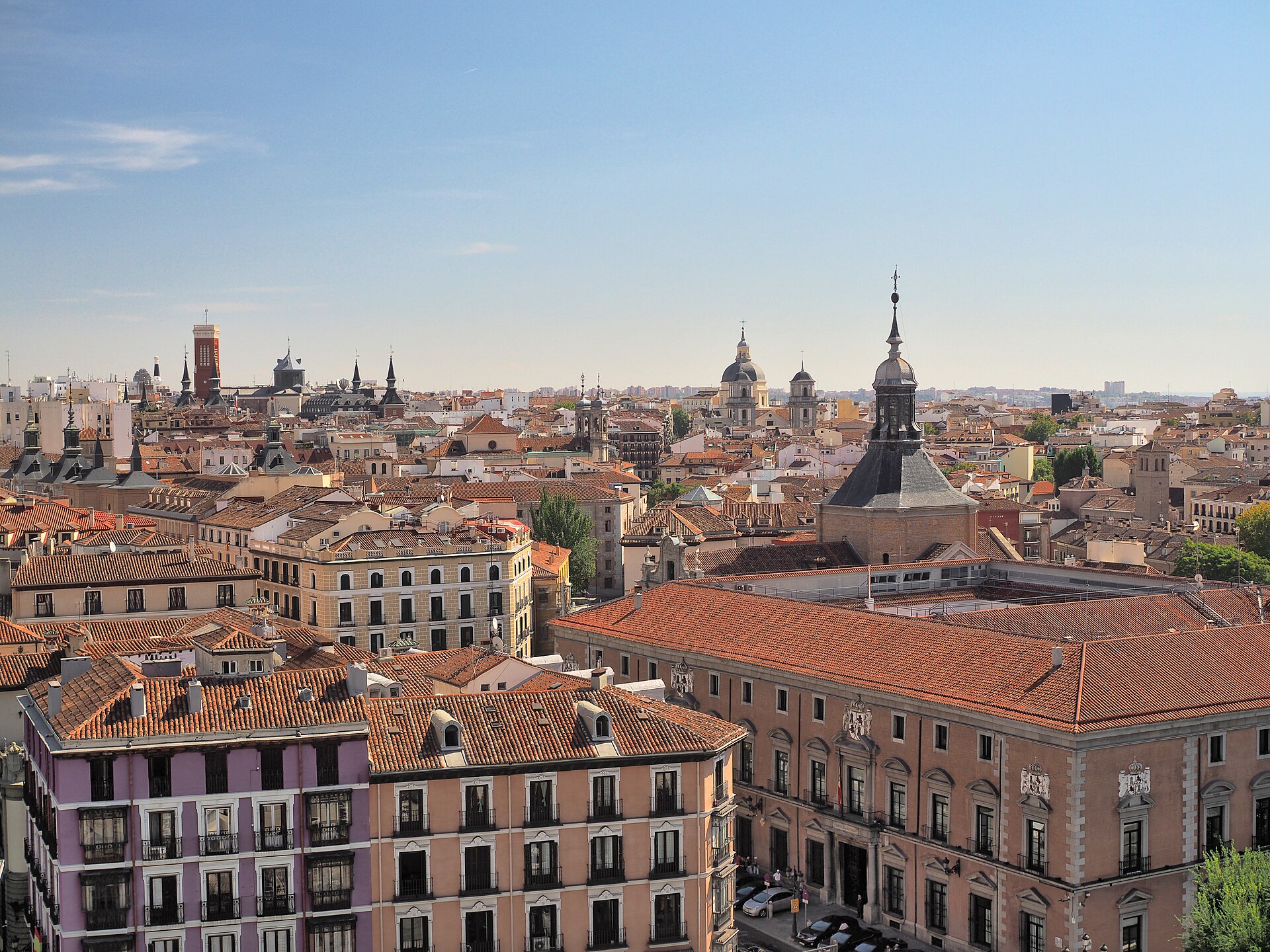
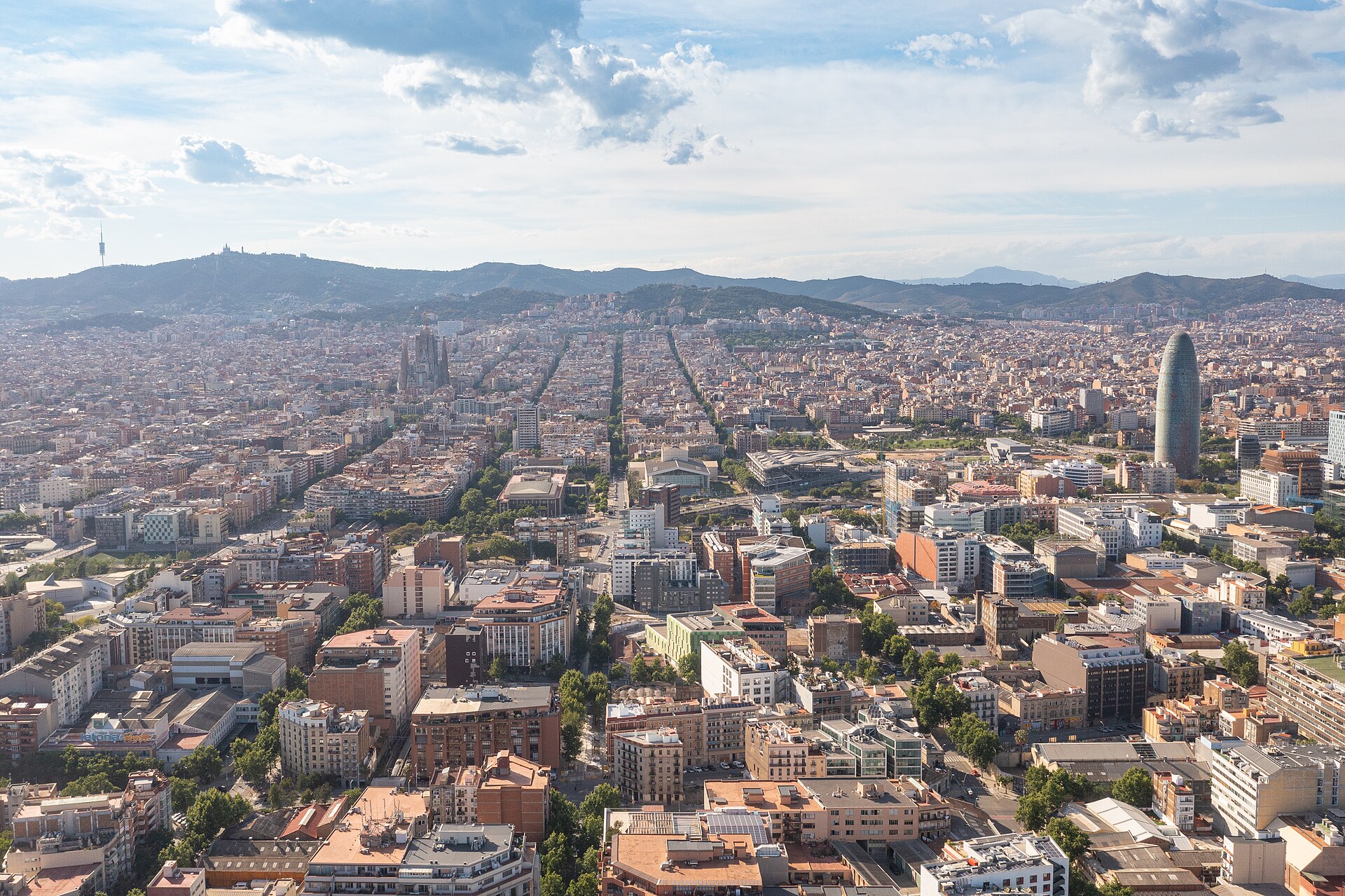
A photograph of Spain
Photograph · Diego Delso · CC BY-SA 4.0

Spain covers 506,030 square kilometres and counts close to 50 million people, and it reads less as one country than as a set of regions that do not resemble each other. Madrid sits high and dry in the middle of the peninsula with the national collections in it; Barcelona is Mediterranean and Catalan-speaking. Andalusia in the south carries the Moorish architecture of Granada, Córdoba and Seville along with the heat that comes with it, while the green north coast from Bilbao to Galicia is wet Atlantic country most visitors never reach. The Canary Islands lie off Africa, and Ceuta and Melilla are on the African mainland itself.

Reviewed by Elena Voss · Roavina Travel Editor

Cities

Every city catalogued in this country so far, ranked by how much there is to see.

Practical information

Language spoken
Spanish; co-official regional languages include Catalan, Galician and Basque
National practical orientation; regional and minority languages may also be used
Dialling code
+34
International calling code; local area and mobile prefixes still apply
Currency
Euro (EUR)
Use the official local currency; card acceptance varies by place
Emergency number
112
Use only for an emergency; tourist assistance may use a separate number
Plug type
Type C and F · 230 V
Check that chargers support the recorded voltage before using an adapter
Tap water
Not recorded
No verified nationwide visitor statement was recorded

Planning a visit

  1. January: seasonal closure recorded
  2. February: seasonal closure recorded
  3. March: seasonal closure recorded
  4. April: seasonal closure recorded
  5. May: seasonal closure recorded
  6. June: no seasonality data recorded
  7. July: no seasonality data recorded
  8. August: no seasonality data recorded
  9. September: no seasonality data recorded — this month
  10. October: seasonal closure recorded
  11. November: seasonal closure recorded
  12. December: seasonal closure recorded

Top things to see

Ranked by importance — sitelinks, pageviews and heritage status, not editor preference.

  1. Tibidabo Tibidabo
    02 20 min

    Tibidabo

    el Tibidabo

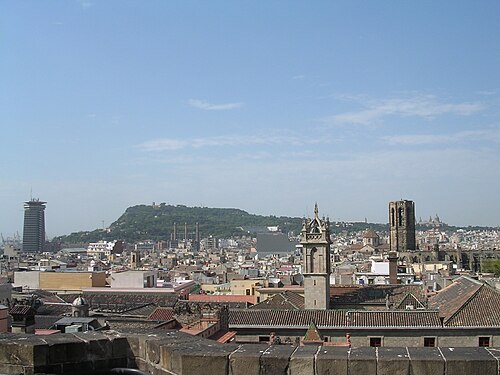
    Tibidabo, known locally as el Tibidabo, is a mountain overlooking Barcelona, Spain. It stands as the tallest peak in the Serra de Collserola range, offering panoramic views across the city and Mediterranean Sea.

    • Must see
    • Viewpoint
    • Barcelona
  2. Montjuïc Montjuïc
    03 1 hour

    Montjuïc

    Parc de Montjuïc

    Montjuïc is a broad hill with a relatively flat summit overlooking Barcelona’s harbour and city centre. The hill combines historic fortifications, museums, gardens, Olympic venues, and viewpoints across several levels.

    • Must see
    • Nature site
    • Barcelona
  3. Parc del Laberint d'Horta Parc del Laberint d'Horta
    04 1 hour

    Parc del Laberint d'Horta

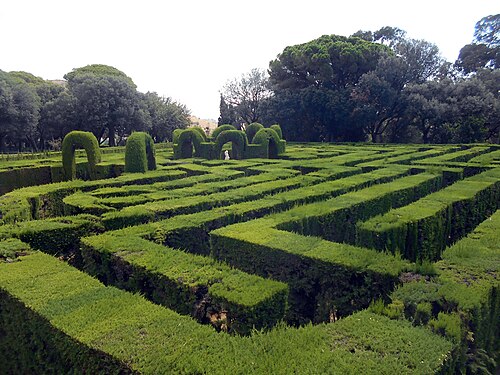
    Parc del Laberint d'Horta is a historic garden and park located in the Horta-Guinardó district of Barcelona. It is the oldest preserved garden in the city, dating from the late eighteenth century.

    • Must see
    • Nature site
    • Barcelona
  4. Jardí Botànic de Barcelona Jardí Botànic de Barcelona
    05 1 hour

    Jardí Botànic de Barcelona

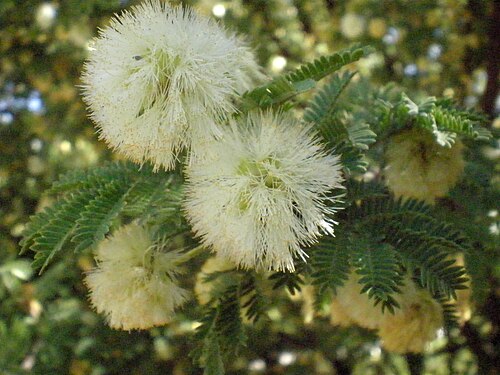
    Jardí Botànic de Barcelona is a botanical garden on Montjuïc, arranged across the terrain of a former quarry. Its collections focus on plants from Mediterranean-climate regions around the world, including California, Chile, South Africa and Australia, alongside Mediterranean vegetation.

    • Must see
    • Nature site
    • Barcelona
  5. Parc de Joan Miró Parc de Joan Miró
    06 1 hour

    Parc de Joan Miró

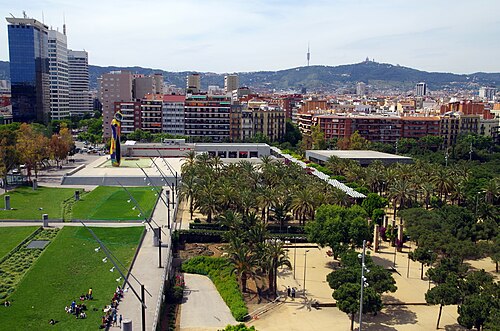
    Parc de Joan Miró is a public park in Barcelona’s Eixample, close to Plaça d’Espanya and the Fira de Barcelona area.

    • Must see
    • Nature site
    • Barcelona
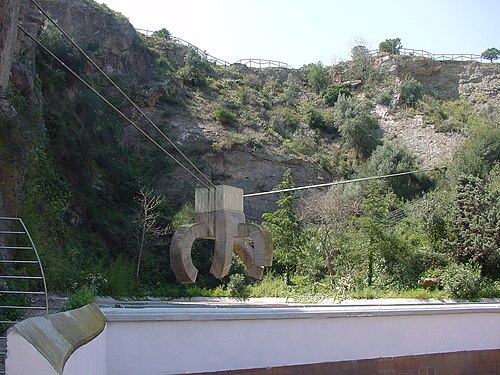
  6. Creueta del Coll Park Creueta del Coll Park
    07 1 hour

    Creueta del Coll Park

    Parc de la Creueta del Coll

    Parc de la Creueta del Coll is a public park in Barcelona’s Gràcia district, set on the slopes of Collserola.

    • Must see
    • Nature site
    • Barcelona
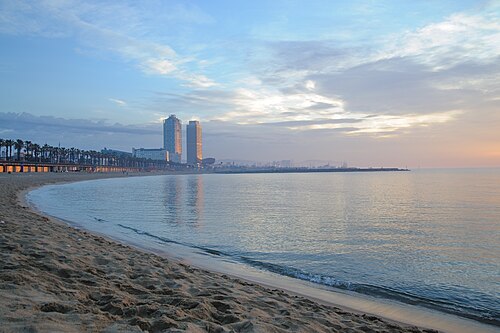
  7. Sant Sebastià Sant Sebastià
    08 1 hour

    Sant Sebastià

    Platja de Sant Sebastià

    Sant Sebastià is an urban Mediterranean beach in Barcelona’s Barceloneta neighbourhood. Its broad shoreline connects the city directly with the sea and forms part of Barcelona’s popular coastal recreation area.

    • Must see
    • Nature site
    • Barcelona
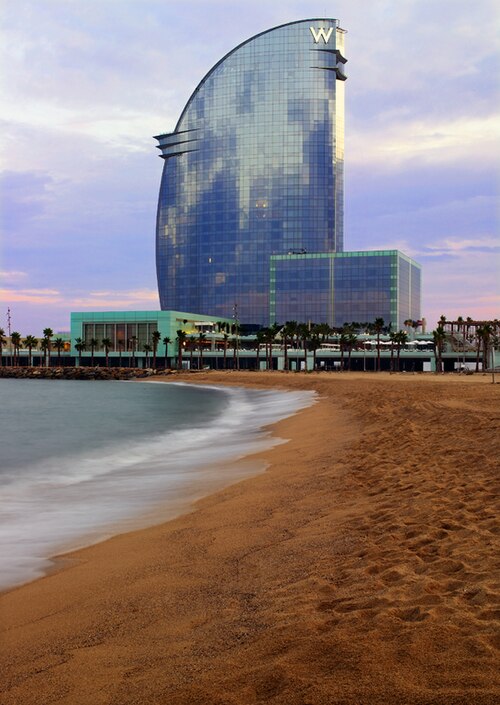
  8. Barceloneta Beach Barceloneta Beach
    09 1 hour

    Barceloneta Beach

    Platja de la Barceloneta

    Barceloneta Beach, known locally as Platja de la Barceloneta, is a prominent urban beach in Barcelona, Spain. It forms part of the city's Mediterranean coastline and sits adjacent to the historic La Barceloneta neighbourhood, originally a fishing quarter.

    • High
    • Nature site
    • Barcelona

Source: OpenStreetMap contributors, Wikidata ·

Common questions

How long should a first trip to Spain be?

Ten to fourteen days allows three or four days in Madrid and four in Barcelona, plus selected rail day trips. Andalusia or either island group deserves a separate route instead of being compressed into the same mainland circuit.

What entry documents are needed for Spain?

Spain follows Schengen rules, but the traveller's nationality and route determine the required documents or visa. Confirm the current requirement through Spain's official consular information before departure.

What is the best way to travel around Spain?

High-speed rail makes Madrid-Barcelona and several mainland city pairs practical, while regional buses cover gaps. Island travel needs flights or ferries, and urban ticketing remains local to each city.

When is a practical time to visit Spain?

April to June and September to October are broad choices for Madrid and Barcelona. Andalusia, the Atlantic north, Balearics, and Canaries follow different heat and weather patterns, so a regional extension should control the final dates.

What money and payment basics apply in Spain?

Spain uses the euro (EUR). Cards are common in cities, but a small euro reserve is useful for individual businesses; always check the billed currency and amount before approving a terminal transaction.

What practical safety details should I save for Spain?

Spain's emergency contact is 112. Electrical outlets accept Type C and F plugs on a 230 V supply. Because this record contains no tap-water finding, use advice from the municipality serving each overnight stop.