Hessensteinska palatset
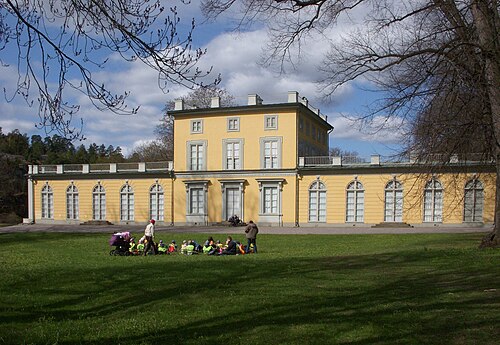
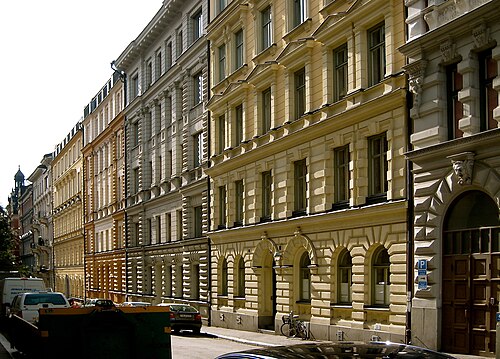
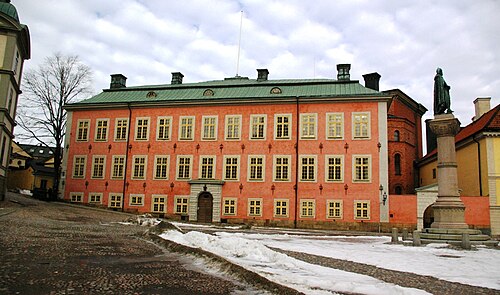
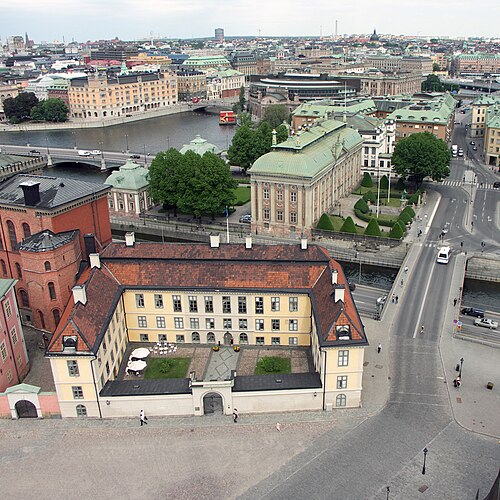
Hessensteinska palatset is a historic palace in Stockholm, Sweden. The building represents classical Swedish architectural heritage and stands as one of the notable palatial structures in the city.
- Notable
- Historic monument
City guide · Sweden
Stockholm spreads across islands joined by bridges, ferries and rail, but its central visitor districts form a manageable chain. Gamla Stan, Norrmalm, Djurgårde...
Photograph · JZ · CC BY-SA 3.0
Set your days, your pace and the hours you actually want to be out. The planner works around closing days and travel time, and leaves room to eat.
Reviewed by Elena Voss · Roavina Travel Editor
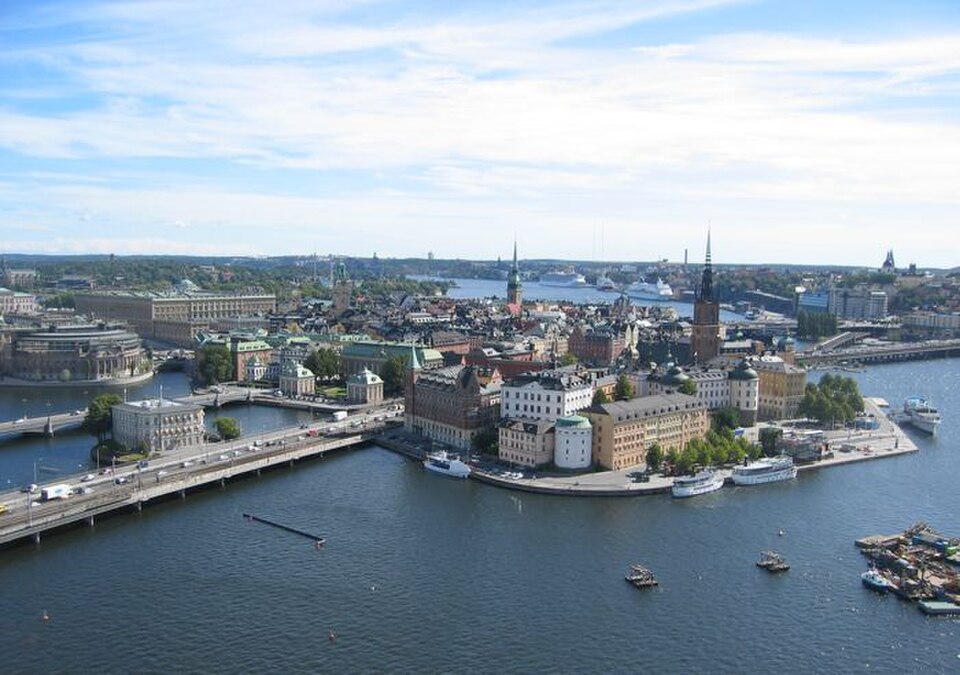
Stockholm spreads across islands joined by bridges, ferries and rail, but its central visitor districts form a manageable chain. Gamla Stan, Norrmalm, Djurgården, Östermalm and Södermalm each reward a separate walking block. Public transport closes the gaps, while boats are part of the useful network rather than only sightseeing. Plan by island and district so repeated water crossings do not consume the day.
Checked 2026-08-26
September · September in Stockholm has mean high 16.6°C, mean low 10.2°C, rainfall 53.3 mm, 12.0 rain days. Mild temperatures make outdoor sightseeing workable despite regular precipitation. A mixed indoor-outdoor plan keeps a September visit to Stockholm comfortable.
Ranked by importance — sitelinks, pageviews and heritage status, not editor preference.
100 places match
Category
Typical visit duration
Interests
Hessensteinska palatset is a historic palace in Stockholm, Sweden. The building represents classical Swedish architectural heritage and stands as one of the notable palatial structures in the city.
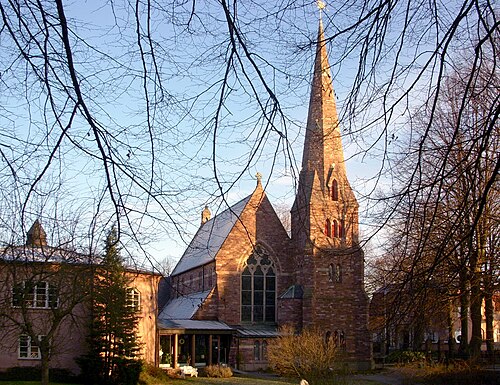
Engelska kyrkan
Church of St Peter and St Sigfrid is Stockholm’s English Church, known locally as Engelska kyrkan. It serves Anglican worship in English and offers an important point of connection for English-speaking residents, visitors and international communities.
Gustav III:s paviljong
Gustav III’s Pavilion is a royal pleasure pavilion in Hagaparken, north of Stockholm. Built for King Gustav III in the late eighteenth century, it is a notable expression of Swedish Gustavian architecture.
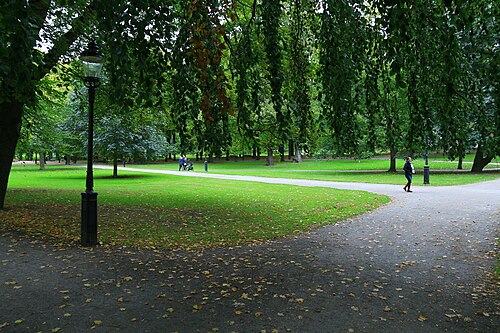
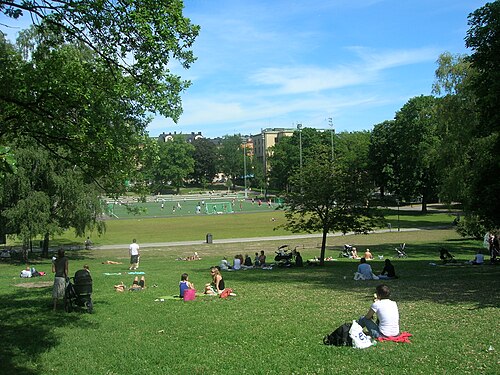
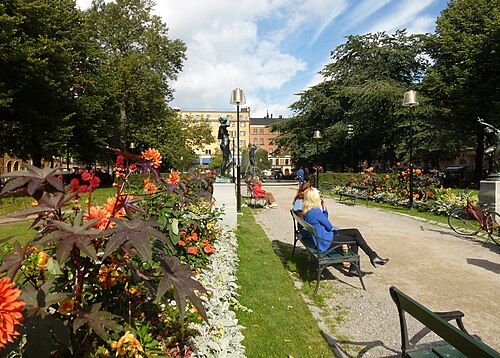
Humlegården is a historic public park in Stockholm's Östermalm district, beside the Royal Library. Its name is linked to hops, which were cultivated here in the seventeenth century.
Hässelby slott
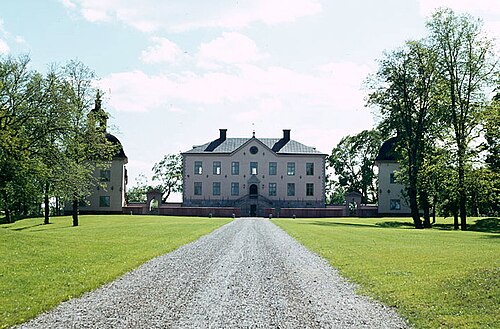
Hässelby Castle, or Hässelby slott, is a historic landmark in Stockholm's western Hässelby district. The castle extends Stockholm's heritage beyond the central islands and offers a different scale of city experience, shaped by historic architecture and its surrounding setting.
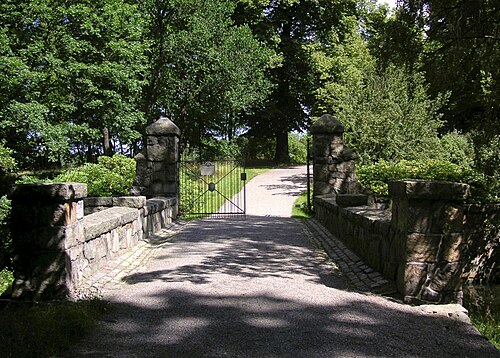
Kungliga begravningsplatsen is the Royal Cemetery on Karlsborg island in Lake Brunnsviken, in Solna Municipality beside Stockholm. It is the principal burial ground for members of the Swedish royal family and combines royal history with a quiet wooded setting.
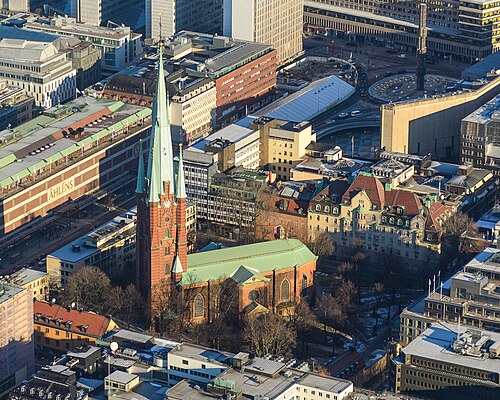
Klara kyrka
Klara Church, or Klara kyrka, is a historic church in Stockholm’s central Klara district. Its tower is a visible part of the city skyline, and the building remains both a landmark and a functioning place of worship.
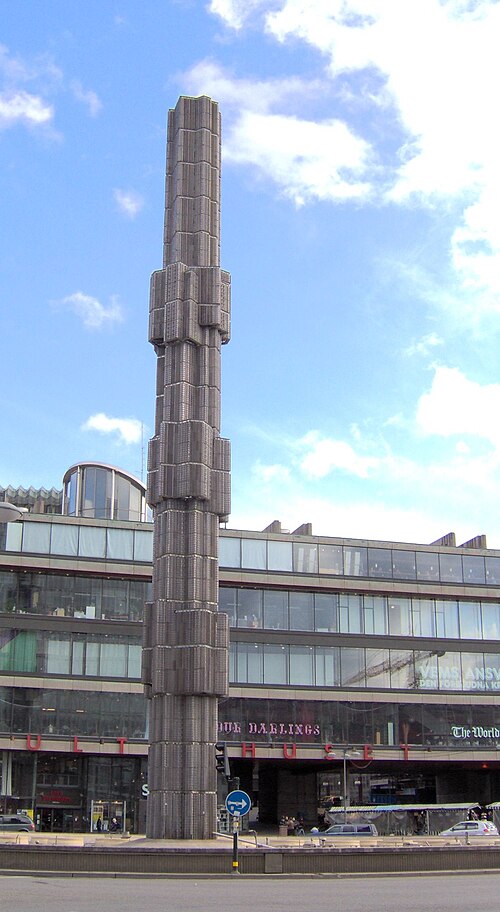
Kristallvertikalaccent is a permanent outdoor glass and crystal artwork in central Stockholm. It functions as a compact urban landmark rather than an enclosed attraction, so the experience comes from seeing the sculpture in its streetscape.
Stureparken is a small urban park in Stockholm's Östermalm district. Its compact, triangular plot sits among central residential and commercial streets, offering a modest patch of greenery within a dense city neighborhood.
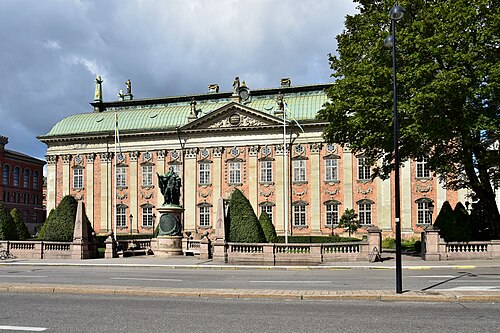
Riddarhuset
The Swedish House of Nobility, known in Stockholm as Riddarhuset, is a historic institution and building in Gamla Stan. It is associated with Sweden's noble families, their records, and the country's earlier system of estate-based political representation.
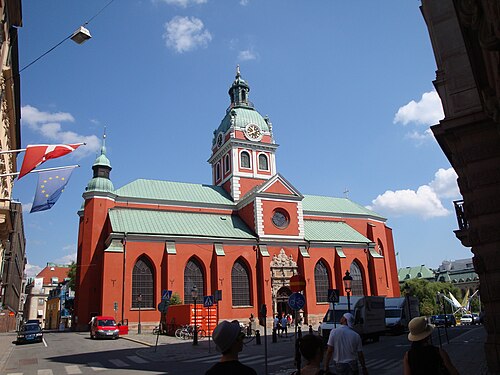
Jakobs kyrka
Saint James's Church, known locally as Jakobs kyrka, is a historic church in central Stockholm. It remains a place for worship and community life while also contributing to the city's architectural and cultural landscape.
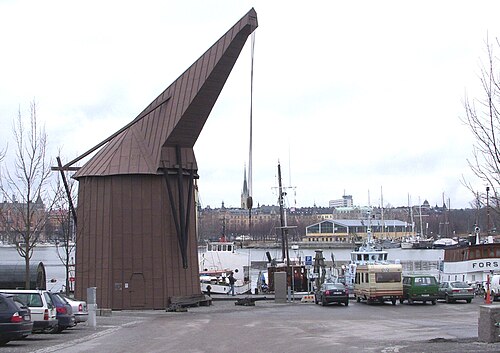
Styckekranen is a mapped place in Stockholm, Sweden, identified by its name and location in OpenStreetMap. Its value lies in adding a less familiar location to a Stockholm walk and in encouraging attention to the city's working and historic landscape.
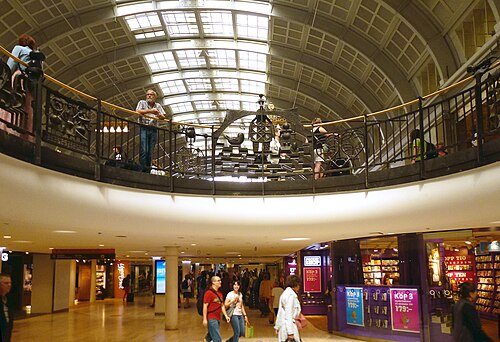
Ringen
Ringen is a commercial and transit-oriented space associated with Stockholm Central Station, the principal railway hub of Sweden's capital. The station serves as a major interchange for national and regional rail services, the Stockholm metro, and local bus networks.
Vasaparken is a public green space in Vasastaden, central Stockholm. It works as a neighbourhood park where residents and visitors can pause among lawns, trees, and paths without leaving the built-up city.
Stenbockska palatset
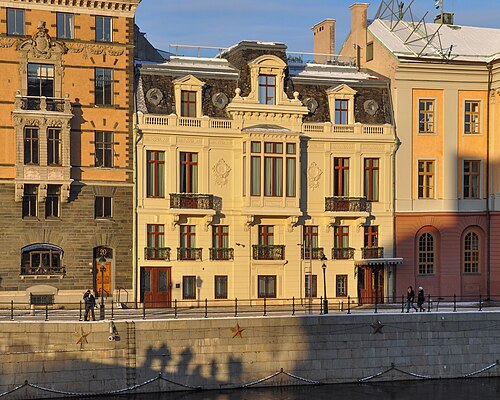
Stenbockska Palatset is a historic palace in central Stockholm, associated with the Stenbock family and the city's aristocratic architectural heritage.
Gustaf Vasa kyrka
Gustaf Vasa Church, called Gustaf Vasa kyrka in Swedish, is a functioning church and a prominent religious landmark in Stockholm. The building offers travellers an opportunity to experience ecclesiastical architecture within the city rather than a secular museum display.
Sagerska huset
Sagerska huset, known in English as Sager House, stands as a prominent building in Stockholm. The structure holds official significance within the Swedish capital's urban fabric.
Marabouparken konsthall is a contemporary art gallery in Marabouparken, Sundbyberg, just outside central Stockholm. It is a kunsthall, meaning that its programme centres on temporary exhibitions rather than a permanent collection.
Mariatorget is a public square on Södermalm in central Stockholm. The square features a central fountain and is surrounded by historic buildings, cafes, and small shops.
Gamla Stan is the historic hinge between the northern and southern halves of central Stockholm. Norrmalm, the main commercial and transport centre, lies immediately north; Östermalm and museum-rich Djurgården continue east. Södermalm rises south of the old town, while Kungsholmen and Vasastan extend west and northwest. The official visitor guide identifies seven central districts with distinct characters. Combine adjacent districts on foot, and treat the archipelago or distant suburbs as separate outings.
Checked 2026-08-26
Use the SL network of metro, commuter rail, tram, bus and selected local boats for moves between districts. The centre is compact enough for substantial walking, but water and rail lines determine the quickest route more than straight-line distance. Use one valid SL ticket product consistently and check the official journey planner before island connections. Djurgården can be reached by tram or ferry, while outer archipelago travel requires separate route planning.
Checked 2026-08-26
Three to four days suit a first visit. Use the first days for Gamla Stan, Norrmalm, Djurgården and Södermalm, then reserve additional time for a longer island or archipelago route.
May through September gives the most useful daylight for walking between districts and using boat connections. Winter can still work for museums and indoor culture, but outdoor sightseeing time is much shorter.
Yes, within one district and between several central islands. Bridges, hills and water make some apparently short cross-city routes slower, so use public transport when changing from one side of the centre to another.
Yes. Selected local boat services form part of the wider public transport network. Check the SL journey planner and ticket conditions for the specific route rather than assuming every sightseeing or archipelago boat is included.
Gamla Stan and Norrmalm combine naturally, while Östermalm and Djurgården make another coherent block. Södermalm deserves its own walking route, especially when viewpoints and evening stops are included.