.jpg)

07
1 hr 30 min
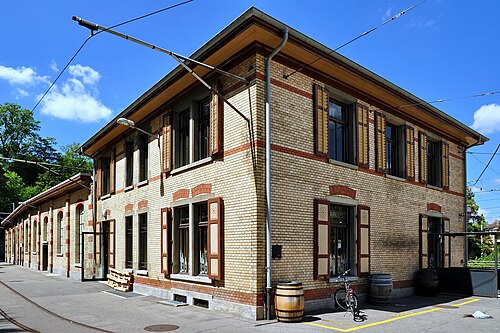
Zurich Tram Museum
Tram-Museum Zürich
Zurich Tram Museum preserves the history of Zurich’s tramway system in a former tram depot.
- Must see
- Museum
- Zurich
Country guide
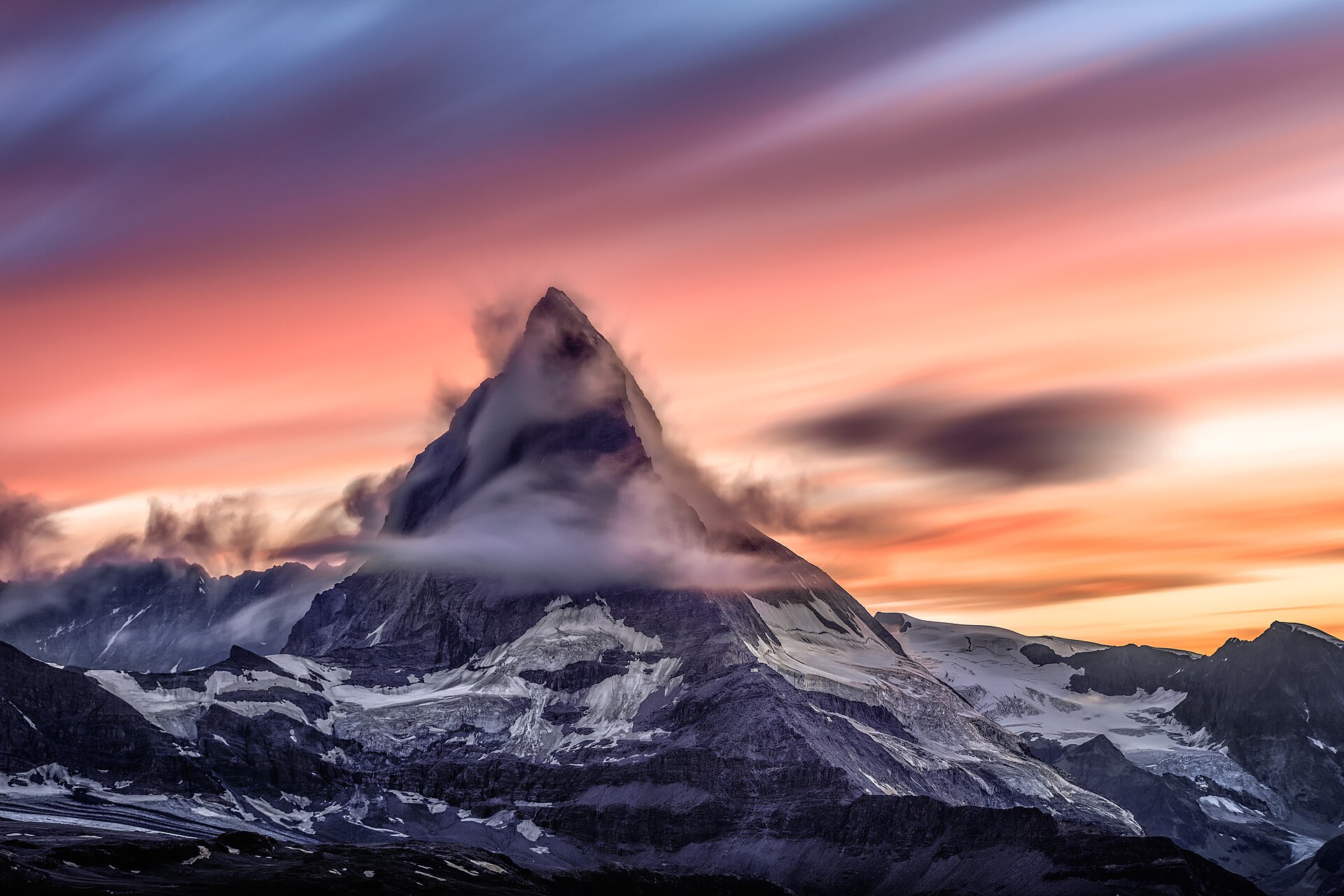
The Alps cover most of Switzerland's 41,291 km², which is why almost all of its 9,154,242 people live on the plateau — a band of low ground carrying Zurich, Ber...
Photograph · Sam Ferrara · CC0 1.0
Reviewed by Elena Voss · Roavina Travel Editor
The Alps cover most of Switzerland's 41,291 km², which is why almost all of its 9,154,242 people live on the plateau — a band of low ground carrying Zurich, Bern, Basel, Lausanne, Geneva, Lucerne and Winterthur within a few hours of one another. Cross a ridge and it is the language that changes: German is spoken by 62 per cent of the country, French by 23, Italian by 8, Romansh by half a per cent. Twenty-six cantons write their own rules on top of that. A trip here is usually a choice between the flat line of cities and the valleys branching off it.
Checked 2026-08-25
Every city catalogued in this country so far, ranked by how much there is to see.
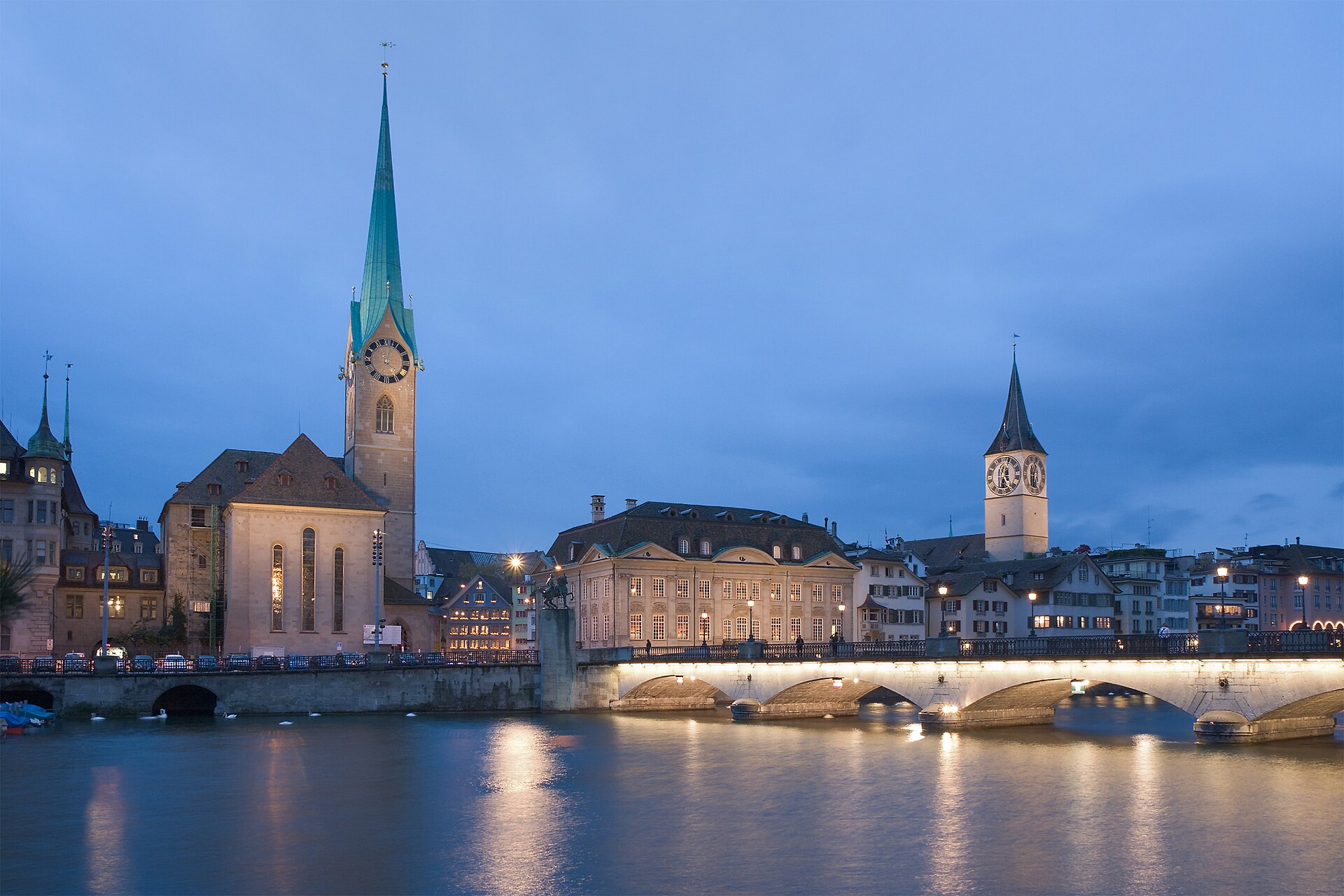
Photograph · Ikiwaner · CC BY-SA 3.0
Ranked by importance — sitelinks, pageviews and heritage status, not editor preference.
20 places match
Category
Typical visit duration
Interests
Tram-Museum Zürich
Zurich Tram Museum preserves the history of Zurich’s tramway system in a former tram depot.

Naturhistorisches Museum
The Zoological Museum of the University of Zurich is a university museum devoted to zoology and natural history.
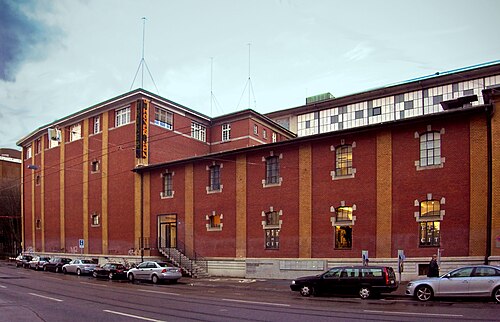
Kunsthalle Zürich is a contemporary art exhibition space in Zurich, Switzerland. It operates as a kunsthalle, a type of institution without a permanent collection that hosts temporary exhibitions of modern and contemporary art.
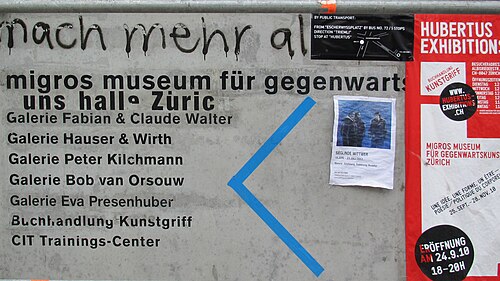
Migros Museum für Gegenwartskunst
Migros Museum of Contemporary Art is a Zurich museum focused on international contemporary art. Known locally as Migros Museum für Gegenwartskunst, the institution is operated by the Migros Culture Percentage, a cultural initiative of the Swiss retail cooperative Migros.

Haus Konstruktiv is a Zurich museum dedicated to concrete, constructive, and conceptual art. The museum continues the tradition of the former Collection Concrete art foundation and concentrates on artistic practices shaped by geometry, order, material precision, systems, and abstraction.
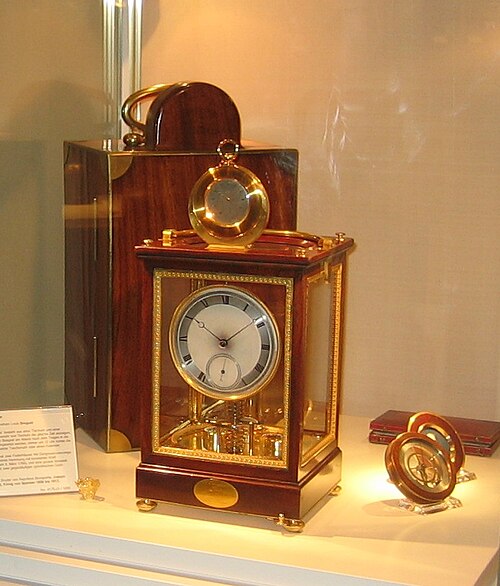
Uhrenmuseum Beyer Zürich
Uhrenmuseum Beyer is a specialised clock and watch museum in central Zurich, situated on Bahnhofstrasse within the long-established Beyer jewellery and watch business. The museum offers a focused look at how people measured time across different periods.
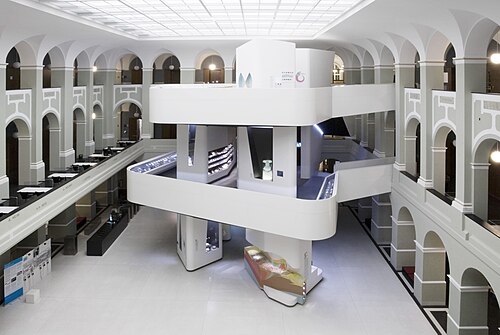
Focus Terra
FocusTerra is a specialised earth-sciences museum in Zurich. Its focus is the natural history of the planet, with mineralogical and geological collections presented for public learning.
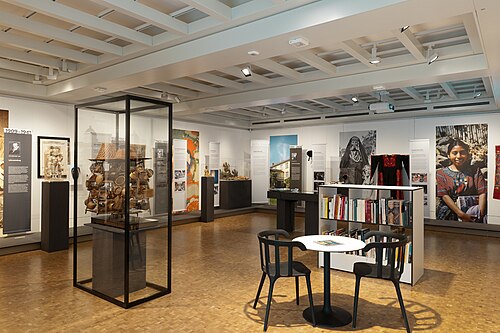
Völkerkundemuseum der Universität Zürich
The Ethnographic Museum of the University of Zurich, also called Völkerkundemuseum der Universität Zürich, is a university museum devoted to ethnographic collections and cultural anthropology.
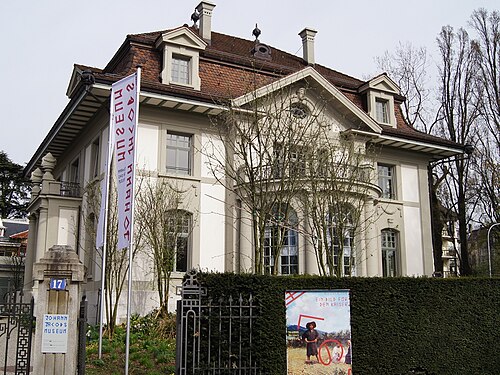
The Johann Jacobs Museum in Zurich is a cultural institution dedicated to the history of global trade, colonialism, and coffee culture.
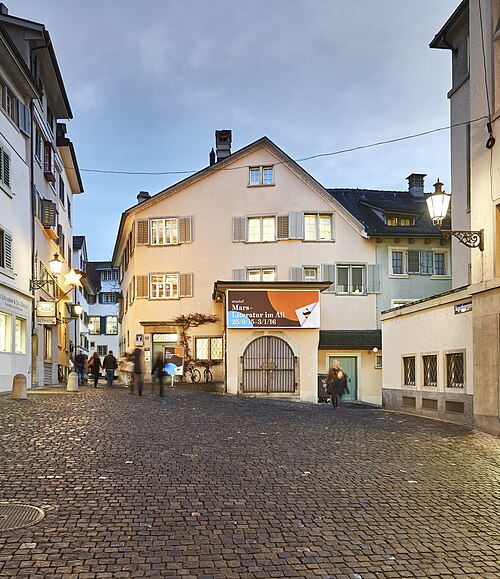
Museum Strauhof is a literary museum in Zurich’s historic centre, devoted to writing, writers, and the city’s place in literary culture. Its exhibitions connect authors with the streets, political atmosphere, and social life that shaped their work.
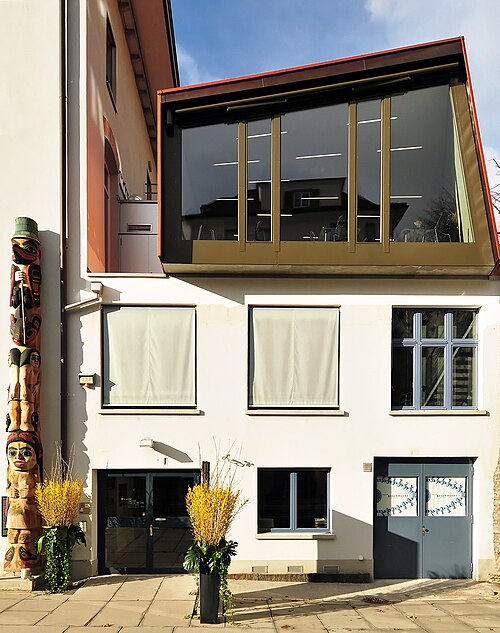
Nordamerika Native Museum NONAM
North America Native Museum, known locally as Nordamerika Native Museum or NONAM, is a Zurich museum devoted to Indigenous peoples of North America. It presents cultural history, artistic traditions and material culture within a European museum setting.
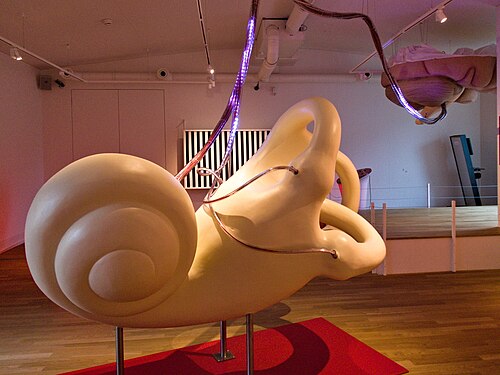
Kulturama is a Zurich museum devoted to human evolution, natural science and cultural development.
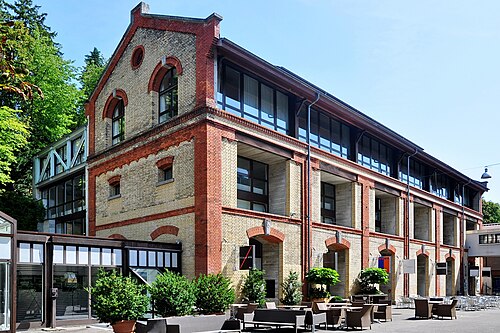
Mühlerama
Mühle Tiefenbrunnen, also known as Mühlerama, is a historic mill in Zurich’s Tiefenbrunnen district. The site preserves the memory of grain milling and presents industrial heritage in a setting connected with the city’s northeastern lakeside neighbourhoods.
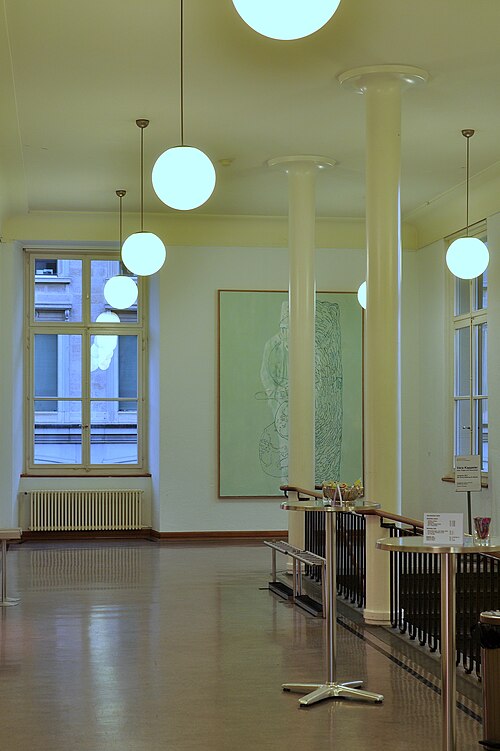
Helmhaus is a cultural venue beside the Limmat River in Zurich’s historic centre. The building hosts contemporary art exhibitions and cultural programming within a historic riverside setting.
Seven to ten days can combine two city or lake bases with one mountain region. Switzerland’s dense transport network reduces transfer friction, but weather-dependent alpine excursions still need flexible time.
Switzerland’s State Secretariat for Migration publishes entry requirements. Passport nationality, visit purpose and the wider Schengen route determine whether a visa is required and where to apply.
Zurich and Geneva airports connect directly to national rail. SBB trains, regional railways, PostBus routes and lake boats form the core network, while many mountain railways and cable cars use separate products.
June to September serves hiking and high-pass travel; December to March is the broad snow season. Mountain operating dates and weather vary by altitude, so verify the specific lift or route rather than relying on a national season.
Switzerland prices in Swiss francs (CHF). The current treatment of euros, card fees and exchange rates is Not recorded here; verify the charged currency and amount before accepting conversion.
Switzerland uses 112 as a general emergency number, 117 for police and 144 for ambulance. Type C and J sockets supply 230 V, and mains tap water is recorded as safe.