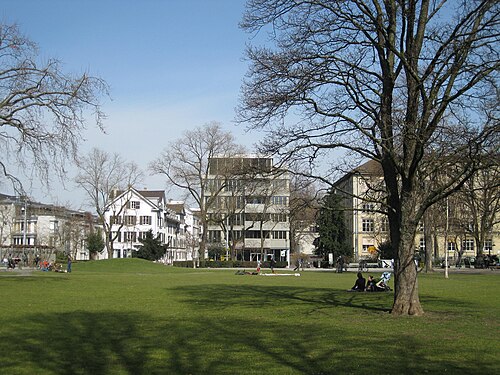
Pestalozziwiese
Pestalozzianlage
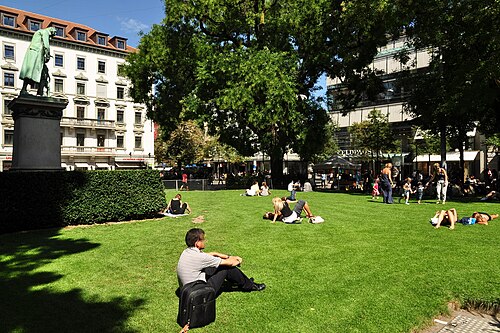
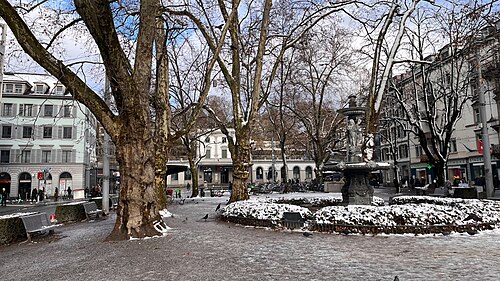
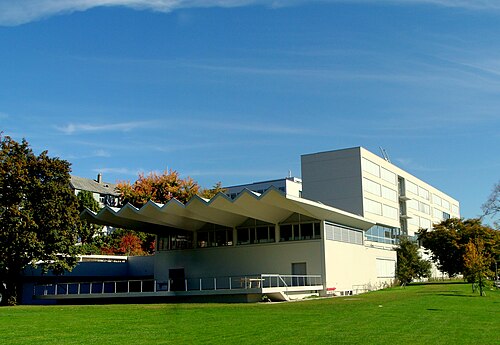
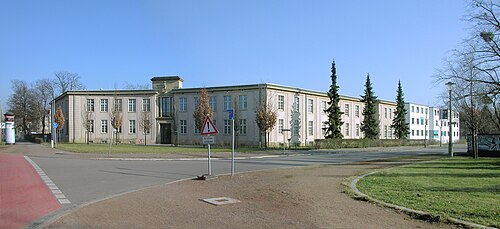
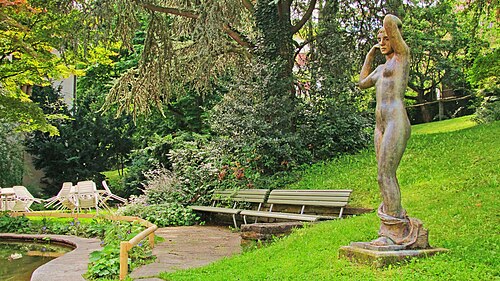
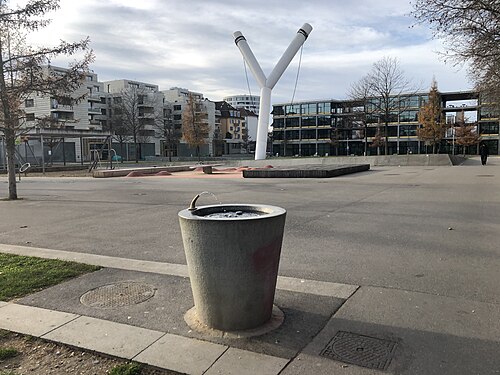
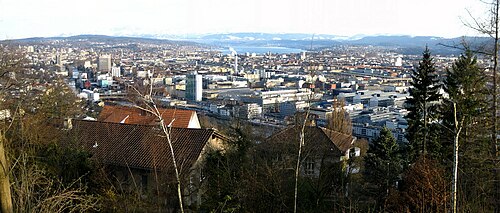
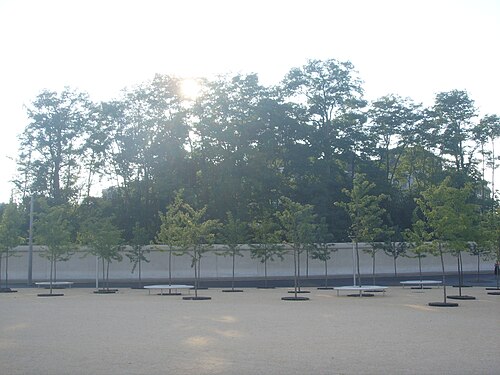
Pestalozziwiese, also known locally as Pestalozzianlage, is a green public space in Zurich. Its name recalls Johann Heinrich Pestalozzi, the Swiss educational reformer.
- Must see
- Nature site
- Zurich
Country guide
The Alps cover most of Switzerland's 41,291 km², which is why almost all of its 9,154,242 people live on the plateau — a band of low ground carrying Zurich, Ber...
Photograph · Sam Ferrara · CC0 1.0
Reviewed by Elena Voss · Roavina Travel Editor
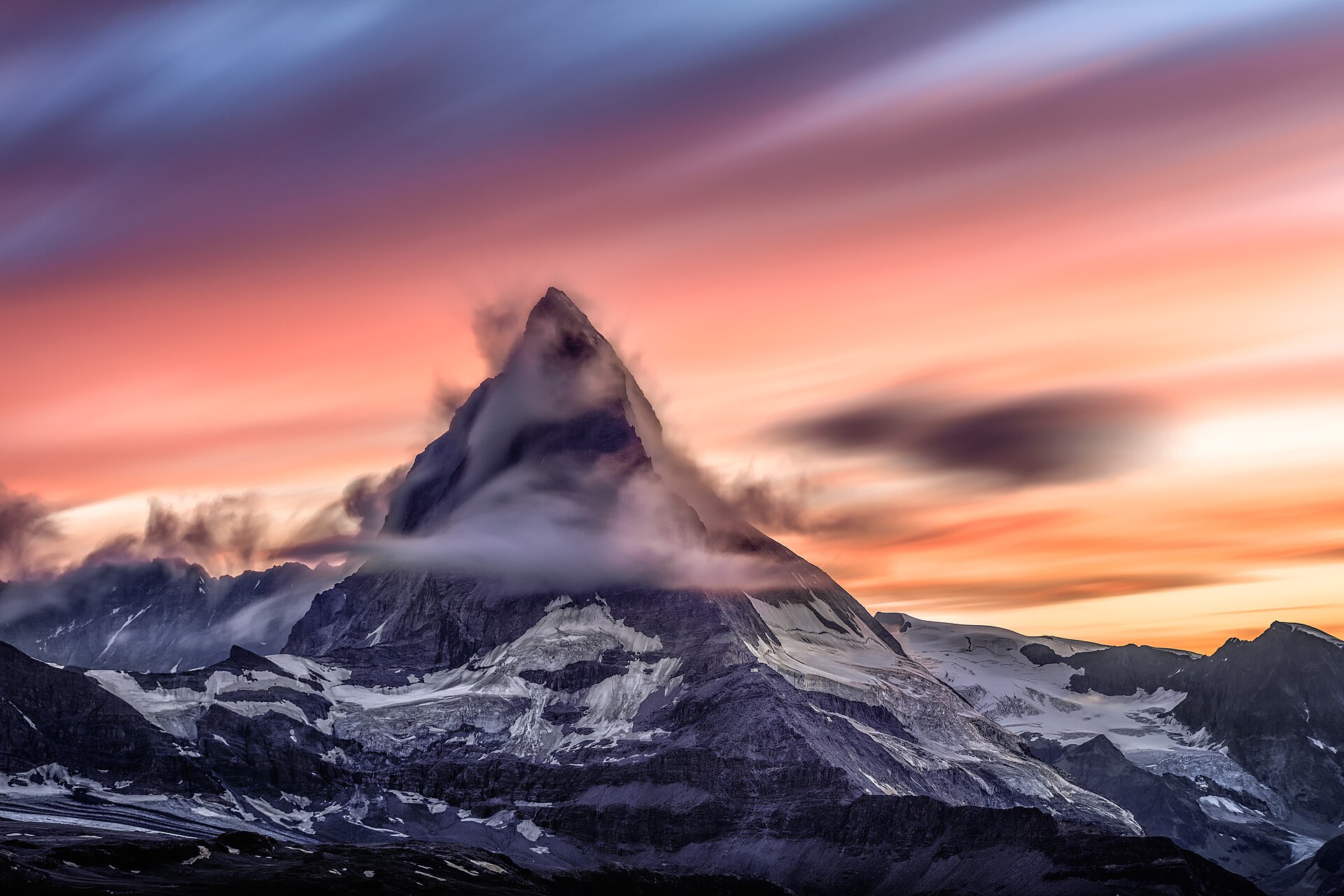
The Alps cover most of Switzerland's 41,291 km², which is why almost all of its 9,154,242 people live on the plateau — a band of low ground carrying Zurich, Bern, Basel, Lausanne, Geneva, Lucerne and Winterthur within a few hours of one another. Cross a ridge and it is the language that changes: German is spoken by 62 per cent of the country, French by 23, Italian by 8, Romansh by half a per cent. Twenty-six cantons write their own rules on top of that. A trip here is usually a choice between the flat line of cities and the valleys branching off it.
Checked 2026-08-25
Every city catalogued in this country so far, ranked by how much there is to see.
Photograph · Ikiwaner · CC BY-SA 3.0
Ranked by importance — sitelinks, pageviews and heritage status, not editor preference.
66 places match
Category
Typical visit duration
Interests
Pestalozzianlage
Pestalozziwiese, also known locally as Pestalozzianlage, is a green public space in Zurich. Its name recalls Johann Heinrich Pestalozzi, the Swiss educational reformer.
Platzpromenade
Platzspitz park, also known as Platzpromenade, is a riverside public park in central Zurich. It stands where the Limmat and Sihl meet, giving the site a distinctive setting shaped by two waterways and the city’s main railway district nearby.
Rieterpark is a landscaped public park in Zurich’s Enge district, on the western shore of Lake Zurich. Its historic character is connected with Villa Wesendonck and with nineteenth-century landscape design.
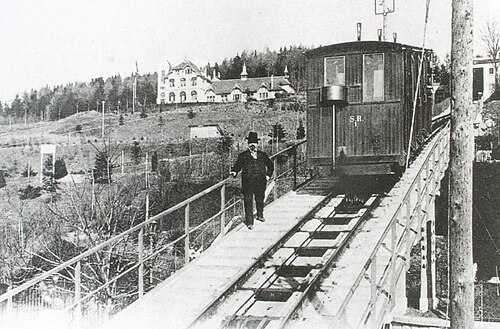
Rigiblick is an elevated locality in northern Zurich, known for its position above the city and its relationship with views toward Lake Zurich. It is primarily an urban neighbourhood rather than a single enclosed attraction.
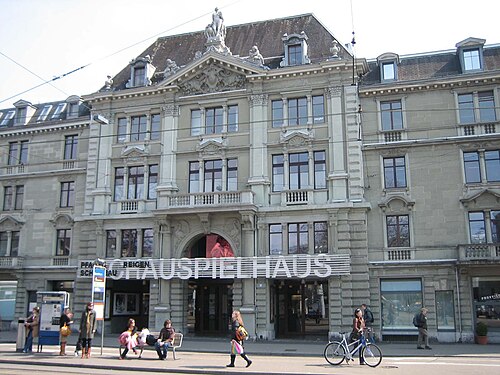
Schauspielhaus Pfauen
Schauspielhaus Zürich, also known as Schauspielhaus Pfauen, is one of Zurich's principal theatres. It presents dramatic performances within the city's German-language cultural scene and gives visitors an opportunity to experience theatre in a major Swiss urban setting.
Stadelhoferplatz is a central Zurich square beside Stadelhofen railway station. It functions as both a public urban space and a busy transport interchange, linking railway passengers, tram users, pedestrians, and nearby streets.
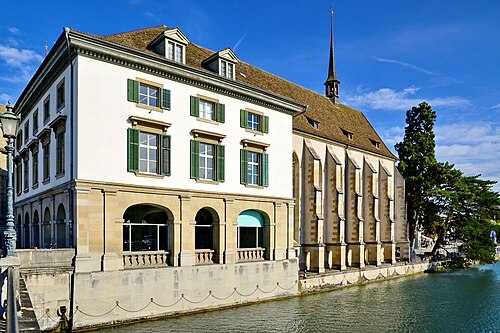
Wasserkirche is a church on a small island in the Limmat River at the historic centre of Zurich. Its name means “Water Church,” a fitting description of its riverside setting.
Wipkingerpark is a public green space in Zurich’s Wipkingen district. It gives residents and travellers a place to pause away from the busiest central streets while remaining within the city.
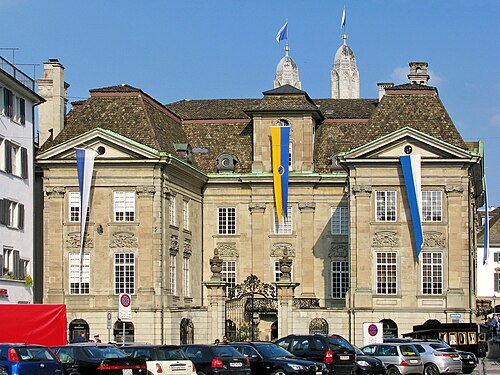
Zunfthaus zur Meisen is a historic guild house in Zurich, Switzerland, within the city’s Old Town. Its importance comes from the guild tradition that shaped Zurich’s political, social and commercial life for centuries.
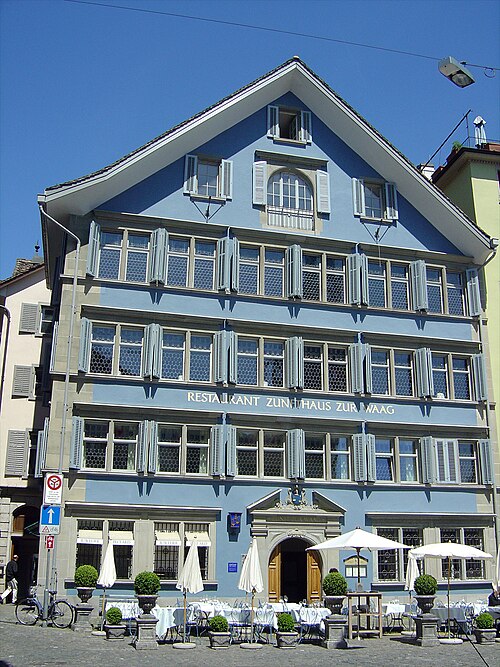
Zunfthaus zur Waag is a historic guild house in central Zurich’s Old Town. The building belongs to the city’s tradition of guild houses, which served artisan associations and helped shape Zurich’s economic, social and civic life.
Zunfthaus zur Zimmerleuten is a historic guild house on Zurich’s Limmatquai, the riverside promenade in the city centre. The building belongs to the carpenters’ guild, one of Zurich’s traditional craft associations with medieval origins.
Zürichberg is a wooded hill and district on the northeastern side of Zurich. It rises above the Limmat valley and combines forest, residential areas and recreational routes.
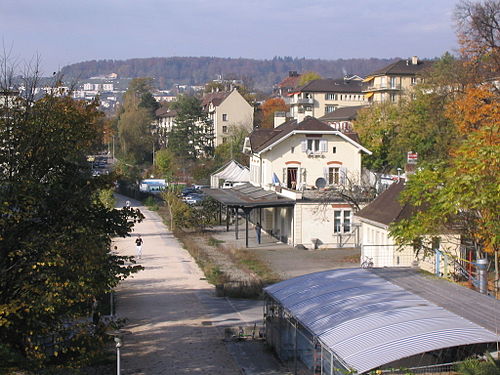
Zürich Letten
Zurich Letten railway station is a former railway station beside the Limmat in Zurich. The disused station and surrounding infrastructure preserve an industrial and railway-heritage atmosphere, while the riverside setting now serves recreation and informal urban life.
Adlisberg is a forested hill east of central Zurich, Switzerland. The wooded elevation forms part of the landscape between the Limmat and Glatt valleys and serves as a recreational escape from the city.
Bäckeranlage is a public park and green space in Zurich, Switzerland. The park brings open outdoor space into the city’s urban fabric and provides a place for walking, pausing and everyday recreation.
Basteiplatz is a public square in Zürich, Switzerland. It belongs to the city’s network of open civic spaces and provides an urban setting for passing through, orienting yourself, or pausing during a walk.
Gustav-Ammann-Park is a public green space in Zurich named after Gustav Ammann, a Swiss landscape architect. The park offers an urban pause for residents and visitors who want open air and greenery within the city.
Hardaupark is an urban public park in Zurich that gives residents and travellers a place to walk, pause and spend time outdoors. It belongs to the city’s network of green spaces woven through developed neighbourhoods.
Hönggerberg is a hill in northern Zurich, rising above the Limmat valley within the city. It is best known for the ETH Zurich Hönggerberg campus, an important concentration of science, technology and academic buildings.
Käferberg is an elevated hill and surrounding area in northern Zurich. It brings together natural hillside terrain, mixed vegetation, wooded sections, open areas, and residential surroundings.
Karlsturm is a named tower structure in Zurich, Switzerland, and forms part of the city's built landscape. Its identity makes it a compact architectural point of interest for travellers exploring Zurich beyond the best-known headline sights.
Kreuzkirche
The Reformed Church of the Holy Cross, known locally as Kreuzkirche, is a Reformed Protestant church in Zurich. It is an active place of worship and belongs to the Evangelical Reformed Church of the Canton of Zurich.
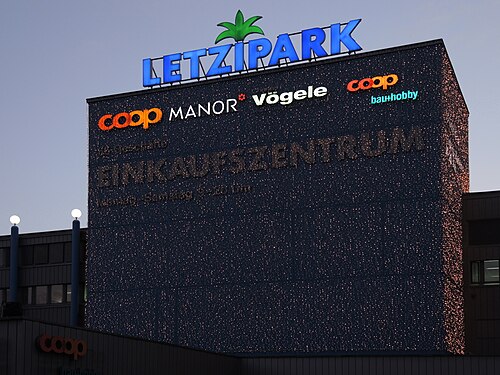
Letzipark is a shopping centre located in the Altstetten district of Zurich, Switzerland. The facility serves as a retail destination for residents of western Zurich and surrounding areas.
Leutschenpark is a public park in Zurich and part of the city’s network of urban green spaces.
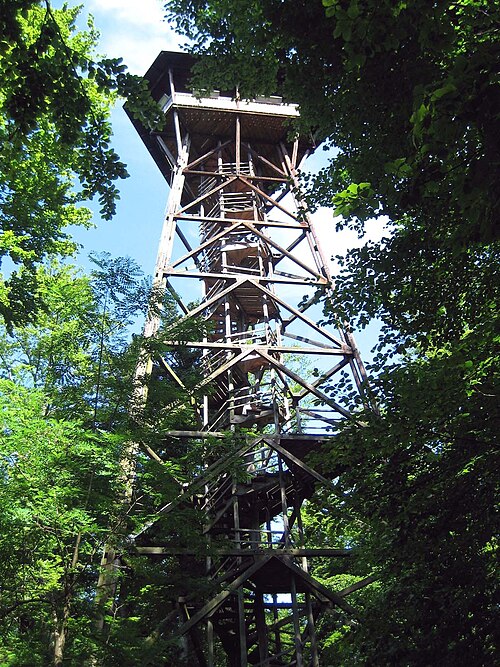
Loorenkopf-Turm
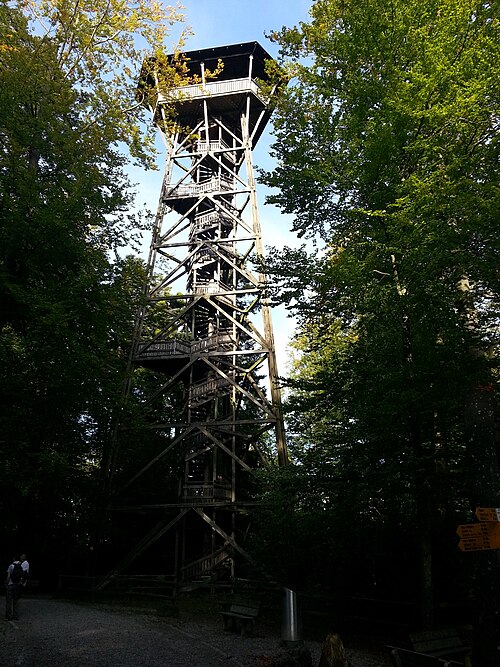
The Loorenkopf tower, also known locally as Loorenkopf-Turm, is a viewing structure on Loorenkopf hill in Zurich. Its purpose is to give visitors an elevated place from which to look across the surrounding landscape.
Seven to ten days can combine two city or lake bases with one mountain region. Switzerland’s dense transport network reduces transfer friction, but weather-dependent alpine excursions still need flexible time.
Switzerland’s State Secretariat for Migration publishes entry requirements. Passport nationality, visit purpose and the wider Schengen route determine whether a visa is required and where to apply.
Zurich and Geneva airports connect directly to national rail. SBB trains, regional railways, PostBus routes and lake boats form the core network, while many mountain railways and cable cars use separate products.
June to September serves hiking and high-pass travel; December to March is the broad snow season. Mountain operating dates and weather vary by altitude, so verify the specific lift or route rather than relying on a national season.
Switzerland prices in Swiss francs (CHF). The current treatment of euros, card fees and exchange rates is Not recorded here; verify the charged currency and amount before accepting conversion.
Switzerland uses 112 as a general emergency number, 117 for police and 144 for ambulance. Type C and J sockets supply 230 V, and mains tap water is recorded as safe.