

5 min walk
Kad Nong Haw Market
- High
- Historic monument
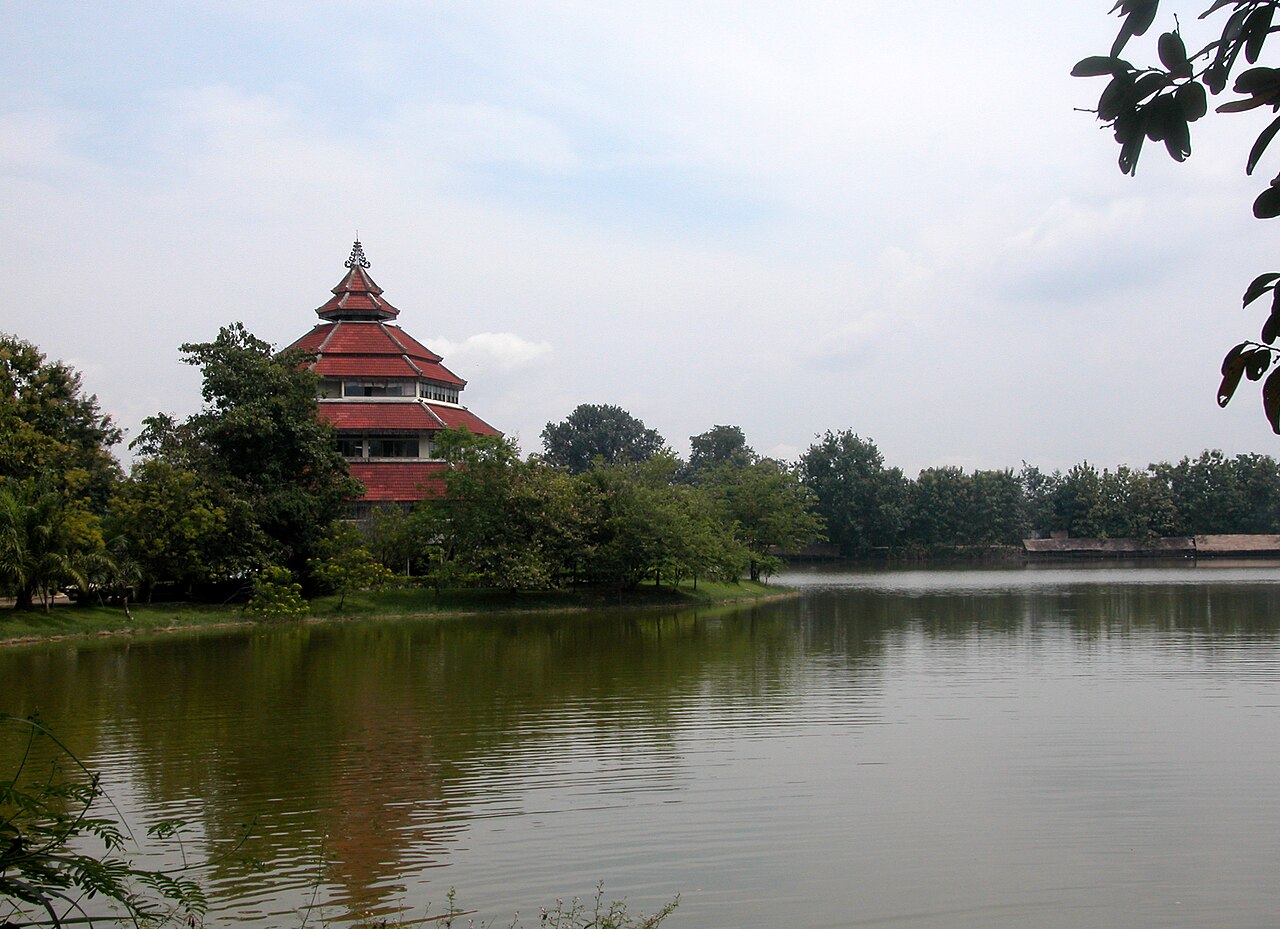
Museum · Chiang Mai
Closed today, Sunday. Next open Monday at 09:00 — the planner will not place a stop here on a Sunday.
Plan around it| Monday | 09:00 – 16:00 |
|---|---|
| Tuesday | 09:00 – 16:00 |
| Wednesday | 09:00 – 16:00 |
| Thursday | 09:00 – 16:00 |
| Friday | 09:00 – 16:00 |
| Saturday | Closed |
| Sunday | Closed |
Checked 2026-08-31 · Source
| Per person | Free entry |
|---|
Checked 2026-08-31 · Source
Read from the OpenStreetMap access tags; anything not listed has no tag recorded.
Set the group type to family in the planner and the day window contracts to about three quarters of a solo day.
The Highland People Discovery Museum is a cultural institution in Chiang Mai dedicated to the ethnography of Thailand's northern hill tribes. It documents the traditions, lifestyles, and material cultures of groups such as the Karen, Hmong, Akha, Lisu, Lahu, and Yao peoples. The museum serves as an educational resource for visitors seeking to understand the diverse ethnic mosaic of the Thai highlands. Its establishment reflects broader efforts in northern Thailand to preserve and present indigenous heritage. Monday–Friday 09:00–16:00; closed Saturday and Sunday.
Checked 2026-08-31 · Source
Exhibits typically encompass traditional costumes, agricultural implements, household utensils, musical instruments, and religious artifacts representative of highland communities. Display areas may include reconstructed dwelling spaces and dioramas illustrating daily life. Textual explanations accompany objects to provide ethnographic context. The collection aims to convey the adaptation of hill tribe societies to mountainous environments and their socio-economic practices. Visitors can expect a focus on material culture rather than interactive or multimedia presentations. The interpretive approach emphasizes descriptive documentation of cultural practices and artifacts.
Checked 2026-08-31 · Source
A thorough visit to the Highland People Discovery Museum generally requires approximately one to two hours. This duration allows adequate time to examine the exhibits, read accompanying descriptions, and absorb the ethnographic information presented. Visitors with specialized interest in anthropology or textile traditions may wish to allocate additional time. The compact nature of the museum's display spaces means that the experience is not physically demanding. Free general admission. The published visitor route covers a four-storey indoor museum, so complete step-free circulation cannot be established from the responsible public body's visitor information.
Checked 2026-08-31 · Source
Visitors should verify current opening times through direct contact with the museum or reliable local tourism information services before planning their visit. Seasonal considerations for Chiang Mai apply broadly: the cool dry season from November to February offers the most comfortable climate for travel throughout the region. Morning visits may offer quieter conditions. Monday–Friday 09:00–16:00; closed Saturday and Sunday. The published visitor route covers a four-storey indoor museum, so complete step-free circulation cannot be established from the responsible public body's visitor information. The venue also has a separate outdoor exhibition area with reconstructed traditional houses.
Checked 2026-08-31 · Source
Visitors should ascertain current admission fees directly from the museum or through authorized tourism channels prior to arrival. The museum's positioning as a specialized cultural institution suggests it may operate with modest entry costs relative to major commercial attractions, though this remains speculative without verified data. Budget-conscious travelers should prepare for variable pricing possibilities. Free general admission. The published visitor route covers a four-storey indoor museum, so complete step-free circulation cannot be established from the responsible public body's visitor information. The venue also has a separate outdoor exhibition area with reconstructed traditional houses.
Checked 2026-08-31 · Source
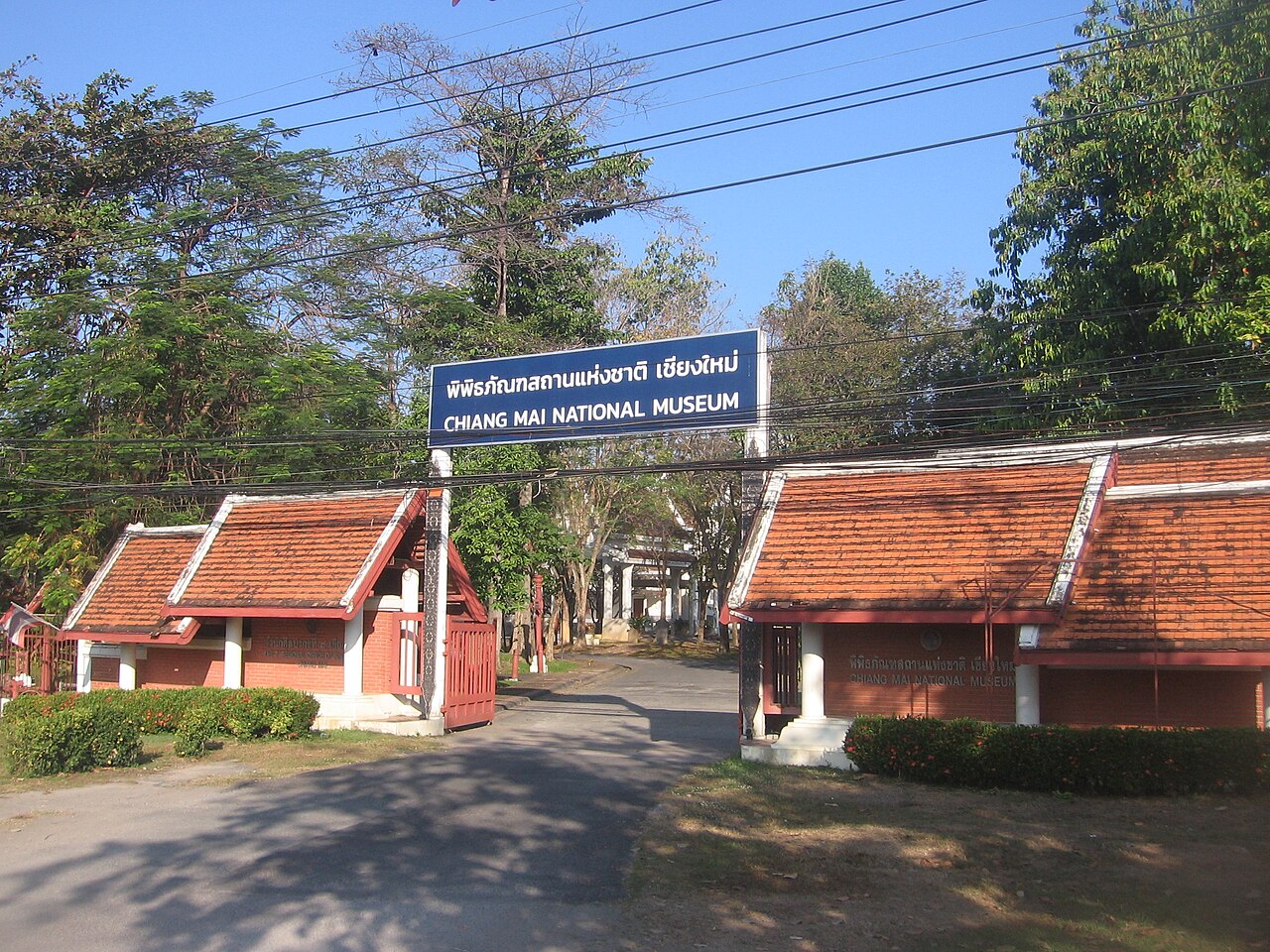
The museum is situated within Chiang Mai municipal boundaries. Transportation options include songthaew shared trucks, tuk-tuk three-wheeled vehicles, and metered taxis available throughout the city. Motorbike rental provides independent access for licensed riders comfortable with Thai traffic conditions. Bicycle travel is feasible for visitors residing in central areas. The museum is inside Suan Lanna Rama IX on Chotana Road, in Chang Phueak, Mueang Chiang Mai. Use the park and Chotana Road as the named arrival points; the Department of Social Development and Welfare lists the museum at this location and gives telephone numbers +66 53 210 872 and +66 53 211 933.
Checked 2026-08-31 · Source
Exhibits representing indigenous cultures demand respectful engagement. Photography restrictions may apply to certain displays; visitors should observe posted guidelines or seek staff clarification. The interpretive framing of hill tribe cultures by institutional museums may reflect external perspectives rather than community self-representation. Visitors should critically assess the presentation of ethnic groups as static or exoticized subjects. Personal belongings require standard vigilance. The published visitor route covers a four-storey indoor museum, so complete step-free circulation cannot be established from the responsible public body's visitor information. It was established in 1965 as a learning resource about Thailand's highland peoples and their histories.
Checked 2026-08-31 · Source
Staff inquiry upon entry represents prudent practice. Respect for cultural sensitivities surrounding sacred or ceremonial objects should inform photographic decisions. Digital sharing of images should consider appropriate contextual framing. The museum covers ten communities: Karen, Hmong, Mien, Lahu, Lisu, Akha, Lua, Htin, Khmu and Mlabri. The four-storey building contains exhibits about royal initiatives and highland development, the ten represented communities, and development work in highland areas. Yes. A separate outdoor area displays reconstructed traditional houses together with objects connected to daily life and rituals. The museum is an agency under Thailand's Department of Social Development and Welfare.
Checked 2026-08-31 · Source
It was established in 1965 as a learning resource about Thailand's highland peoples and their histories.
The museum covers ten communities: Karen, Hmong, Mien, Lahu, Lisu, Akha, Lua, Htin, Khmu and Mlabri.
The four-storey building contains exhibits about royal initiatives and highland development, the ten represented communities, and development work in highland areas.
Yes. A separate outdoor area displays reconstructed traditional houses together with objects connected to daily life and rituals.
The museum is an agency under Thailand's Department of Social Development and Welfare.
Yes. It hosted the Highland Ethnic Festival on 21–23 March 2026, featuring the ten represented ethnic communities.
Loading the interactive map…
The interactive map could not be loaded.
Last updated:
Source: OpenStreetMap contributors, Wikidata ·