
3 min walk
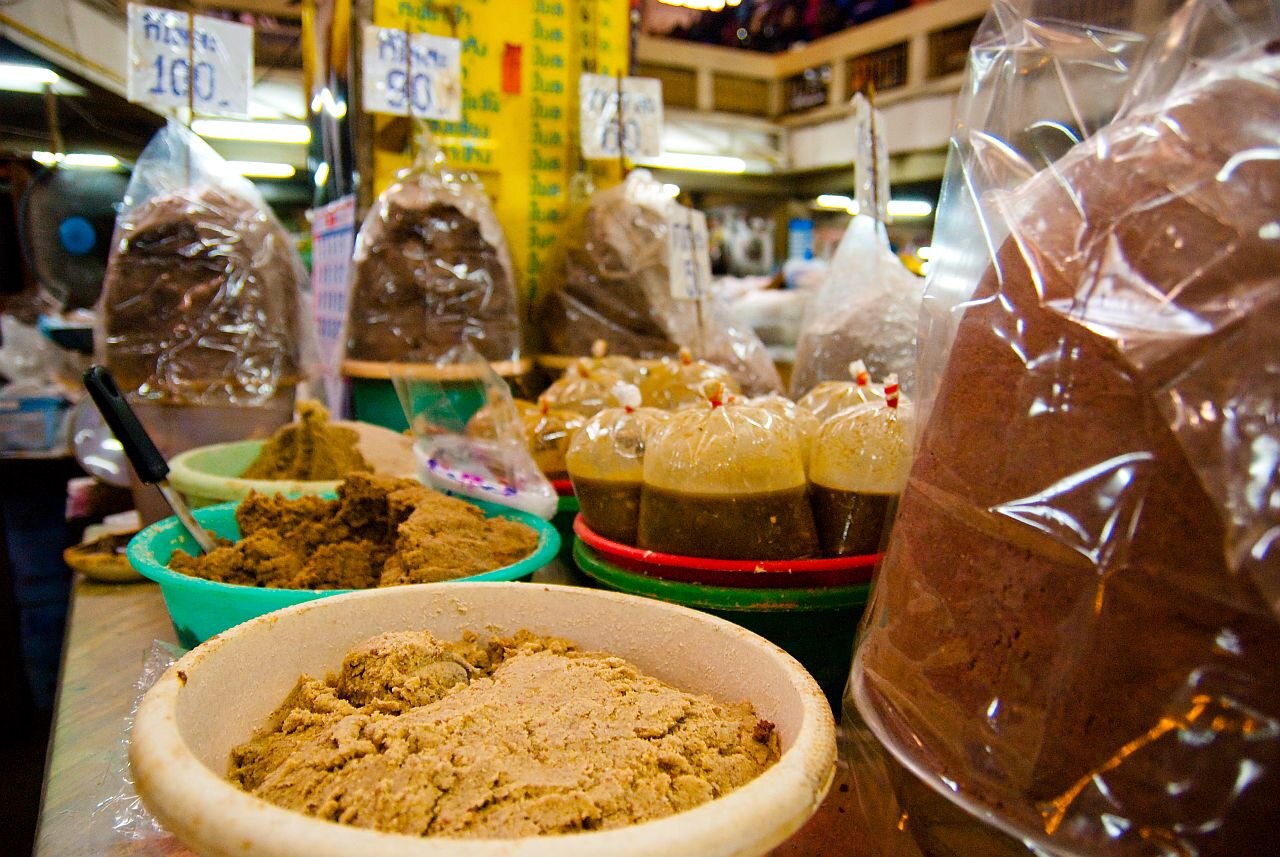
Ton Lam Yai Flower Market
- Must see
- Market
Place of worship · Chiang Mai
วัดเกตการาม
| Monday | 08:00 – 18:00 |
|---|---|
| Tuesday | 08:00 – 18:00 |
| Wednesday | 08:00 – 18:00 |
| Thursday | 08:00 – 18:00 |
| Friday | 08:00 – 18:00 |
| Saturday | 08:00 – 18:00 |
| Sunday | 08:00 – 18:00 |
Checked 2026-08-31 · Source
| Per person | Free entry |
|---|
Checked 2026-08-31 · Source
Read from the OpenStreetMap access tags; anything not listed has no tag recorded.
Set the group type to family in the planner and the day window contracts to about three quarters of a solo day.
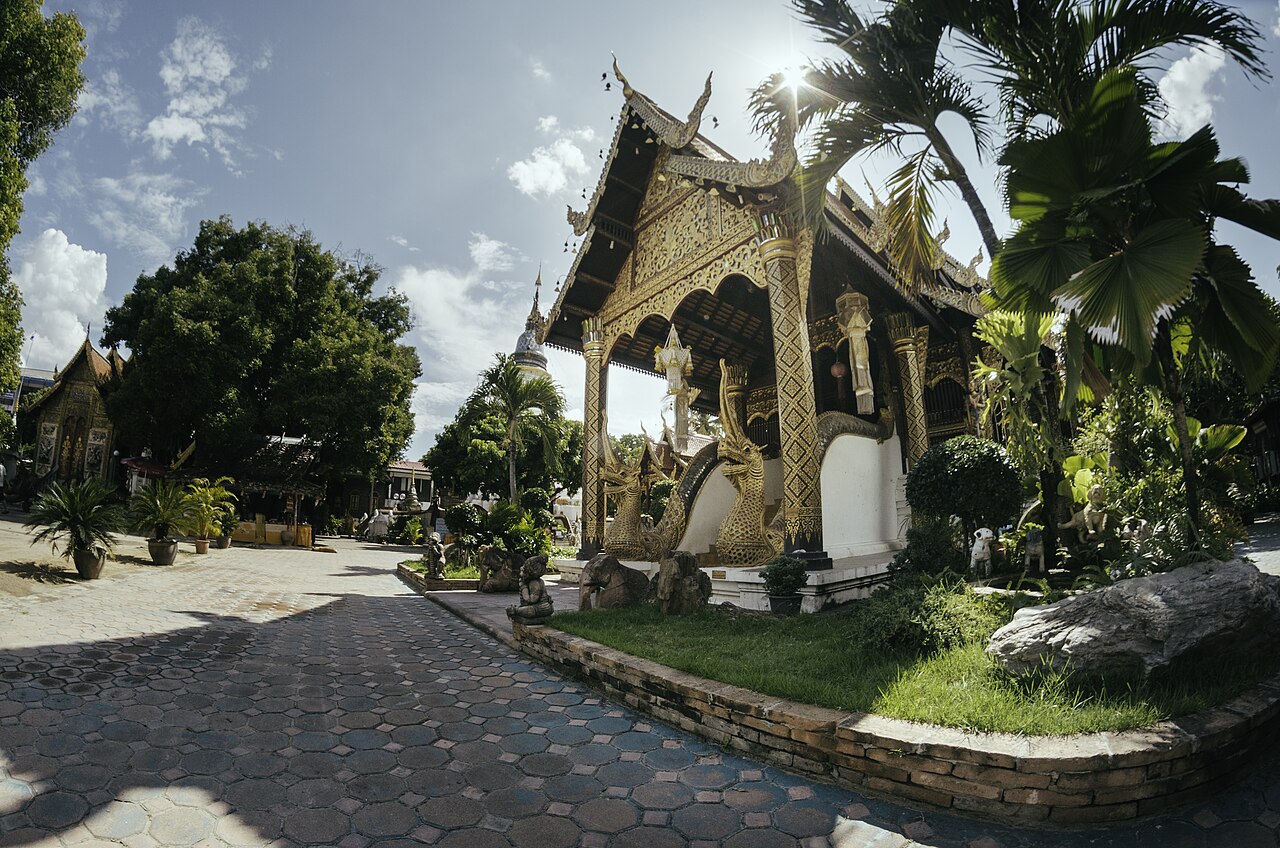
Wat Ket Karam is a Buddhist temple in Chiang Mai, northern Thailand. Situated east of the old city centre near the Ping River, it belongs to the broader constellation of historic wats that define Chiang Mai's cultural landscape. The temple serves religious functions for the local community while also attracting visitors interested in Lanna heritage. Its location away from the most heavily trafficked tourist circuits gives it a comparatively subdued atmosphere. Daily 08:00–18:00. The Tourism Authority of Thailand lists one daily schedule and designates no weekly closure day. Free general admission to the temple.
Checked 2026-08-31 · Source
Visitors may observe Buddha images, mural paintings, and ornamental elements typical of northern Thai temple design. Decorative features may incorporate both traditional Lanna motifs and later restorative work. Visitors should approach with appropriate expectations of a functioning religious site rather than a curated museum display. The Tourism Authority of Thailand lists one daily schedule and designates no weekly closure day. Free general admission to the temple. The official photographs show level open-air circulation through much of the compound. The viharn and wooden community museum are raised buildings with stepped entrances, limiting step-free access to their interiors.
Checked 2026-08-31 · Source
A visit to Wat Ket Karam typically requires between thirty minutes and one hour for casual observation of the exterior grounds and principal structures. Devotees or those with specific research interests may choose to extend their stay. The modest scale of the temple compound relative to major Chiang Mai landmarks such as Wat Phra Singh or Wat Chedi Luang supports this estimate. Visitors combining multiple east-bank or riverside temples in a single excursion should allocate proportionate time. Free general admission to the temple.
Checked 2026-08-31 · Source
Visitors should verify current accessibility before travelling, as Buddhist temples in Thailand generally maintain variable schedules and may restrict entry during certain ceremonies or monastic activities. Early morning and late afternoon typically offer favourable lighting conditions and reduced heat. Rainy season months may present accessibility challenges. Daily 08:00–18:00. The temple is at 96 Charoen Rat Road on the east bank of the Ping River. RTC Chiang Mai City Bus R3 Yellow serves Warorot Market and Ton Lam Yai Market; from either named stop, continue across the river to Charoen Rat Road. The Tourism Authority of Thailand also estimates 10–15 minutes by car from central Chiang Mai.
Checked 2026-08-31 · Source
Many Buddhist temples in Chiang Mai do not charge foreign visitors an entry fee, though some major sites have implemented modest donations or ticketing. Visitors should carry small denomination cash in case voluntary contributions are solicited for temple maintenance or specific structures. Any requested payment should be made directly to official temple representatives rather than intermediaries. Free general admission to the temple. The official photographs show level open-air circulation through much of the compound. The viharn and wooden community museum are raised buildings with stepped entrances, limiting step-free access to their interiors.
Checked 2026-08-31 · Source
Wat Ket Karam occupies a location east of Chiang Mai's old city moat area, accessible from the riverside zone. The temple can be reached by songthaew, tuk-tuk, or private vehicle from the city centre. Cycling represents a viable option for visitors comfortable with local traffic conditions. The temple is at 96 Charoen Rat Road on the east bank of the Ping River. RTC Chiang Mai City Bus R3 Yellow serves Warorot Market and Ton Lam Yai Market; from either named stop, continue across the river to Charoen Rat Road. The Tourism Authority of Thailand also estimates 10–15 minutes by car from central Chiang Mai.
Checked 2026-08-31 · Source
Visitors must observe standard Buddhist temple etiquette throughout the compound. Appropriate dress covering shoulders and knees is expected; shoes must be removed before entering any viharn or shrine building. Behaviour should remain quiet and respectful, particularly during active worship or meditation sessions. Dogs and other animals may be present on temple grounds. Uneven surfaces, steps, and worn flooring present trip hazards. The official photographs show level open-air circulation through much of the compound. It was founded in 1428 during the reign of King Sam Fang Kaen, the seventh ruler of the Mangrai dynasty.
Checked 2026-08-31 · Source
Interior photography may be restricted or require explicit permission; visitors should observe signage and refrain from using flash near sensitive paintings or artifacts. Tripod use could attract attention or intervention. Monks and worshippers should never be photographed without clear consent. The riverside location and relative tranquillity may offer compositional opportunities distinct from more congested temples. Early morning light conditions typically prove favourable. Drone operation would require separate verification of regulatory and institutional permissions and is not assumed permissible. Yes. Wat Ket Karam was formerly called Wat Sa Ket. The chedi is believed to contain a relic of the Buddha’s hair.
Checked 2026-08-31 · Source
It was founded in 1428 during the reign of King Sam Fang Kaen, the seventh ruler of the Mangrai dynasty.
Yes. Wat Ket Karam was formerly called Wat Sa Ket.
The chedi is believed to contain a relic of the Buddha’s hair.
Yes. Wat Ket Karam Museum, also called Wat Sa Ket Museum, occupies a former senior monk’s wooden residence.
Its donated collection includes Buddha images, musical instruments, Rama VII-era tableware, Lanna textiles and clothing, historic Chiang Mai photographs, and banknotes.
The former monastic residence was renovated and preserved as a museum in 1999 following requests from the local community.
Loading the interactive map…
The interactive map could not be loaded.

Last updated:
Source: OpenStreetMap contributors, Wikidata ·