

9 min walk
Wat Chiang Yuen
- Must see · Heritage site
- Place of worship
Place of worship · Chiang Mai
วัดกู่เต้า
| Monday | 06:00 – 18:00 |
|---|---|
| Tuesday | 06:00 – 18:00 |
| Wednesday | 06:00 – 18:00 |
| Thursday | 06:00 – 18:00 |
| Friday | 06:00 – 18:00 |
| Saturday | 06:00 – 18:00 |
| Sunday | 06:00 – 18:00 |
Checked 2026-08-31 · Source
| Per person | Free entry |
|---|
Checked 2026-08-31 · Source
Read from the OpenStreetMap access tags; anything not listed has no tag recorded.
Set the group type to family in the planner and the day window contracts to about three quarters of a solo day.
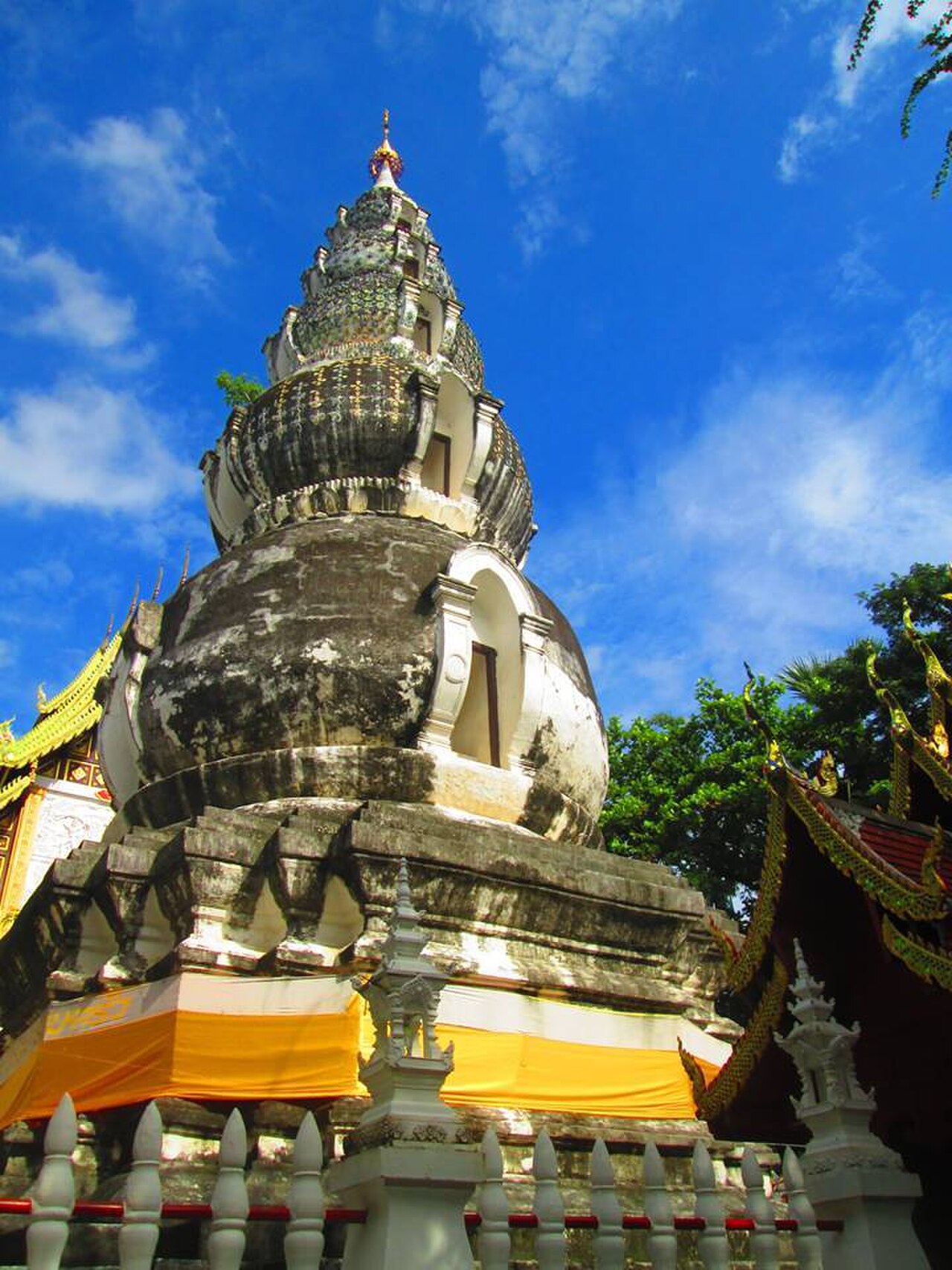
Wat Ku Tao is a Buddhist temple in Chiang Mai, northern Thailand. Its name translates to Watermelon Temple, referencing the distinctive hemispherical chedi resembling stacked watermelons. The temple stands within the historical fabric of Chiang Mai, a city renowned for its Lanna heritage and numerous religious sites. The structure reflects architectural influences that blend local traditions with broader Theravada Buddhist practices. Visitors encounter a site of ongoing religious significance rather than a purely historical monument. Daily 06:00–18:00. Open seven days a week with no regular weekly closure day. Free general admission; voluntary temple donations are welcome.
Checked 2026-08-31 · Source
The temple's most notable feature is its unusual chedi with rounded, diminishing tiers that create the watermelon-like silhouette. The compound contains typical temple structures including the viharn and monastic buildings. Decorative elements and religious imagery follow established Buddhist conventions. The chedi's form distinguishes it from more common bell-shaped or prang-style stupas found elsewhere in Thailand. The architectural peculiarity makes this site memorable among Chiang Mai's numerous temples. Visitors should observe respectfully, noting that functioning religious spaces maintain areas restricted to practitioners. Open seven days a week with no regular weekly closure day.
Checked 2026-08-31 · Source
A visit to Wat Ku Tao typically requires between thirty minutes and one hour for most travelers. This duration allows adequate time to appreciate the distinctive chedi, observe the temple compound, and absorb the atmosphere without rushing. Those with particular interest in Buddhist architecture or photography may extend their stay slightly. The compact nature of the site prevents lengthy exploration. Visitors often combine this temple with other nearby religious or historical attractions in Chiang Mai's central area. Free general admission; voluntary temple donations are welcome.
Checked 2026-08-31 · Source
Chiang Mai experiences distinct seasonal patterns affecting visitor comfort. The cool dry season from November to February generally offers pleasant conditions for temple exploration. Hot season months bring intense midday heat that may discourage extended outdoor activity. Rainy season precipitation occasionally interrupts travel plans though showers are typically brief. Daily 06:00–18:00. Municipal bus B3 serves Mueang Chiang Mai Stadium. From the stadium, use Chang Phueak Soi 6/Ku Tao Road; the temple entrance is approximately 100 metres along the lane. Drivers can use the named landmark “Mueang Chiang Mai Stadium” or “Wat Ku Tao.”.
Checked 2026-08-31 · Source
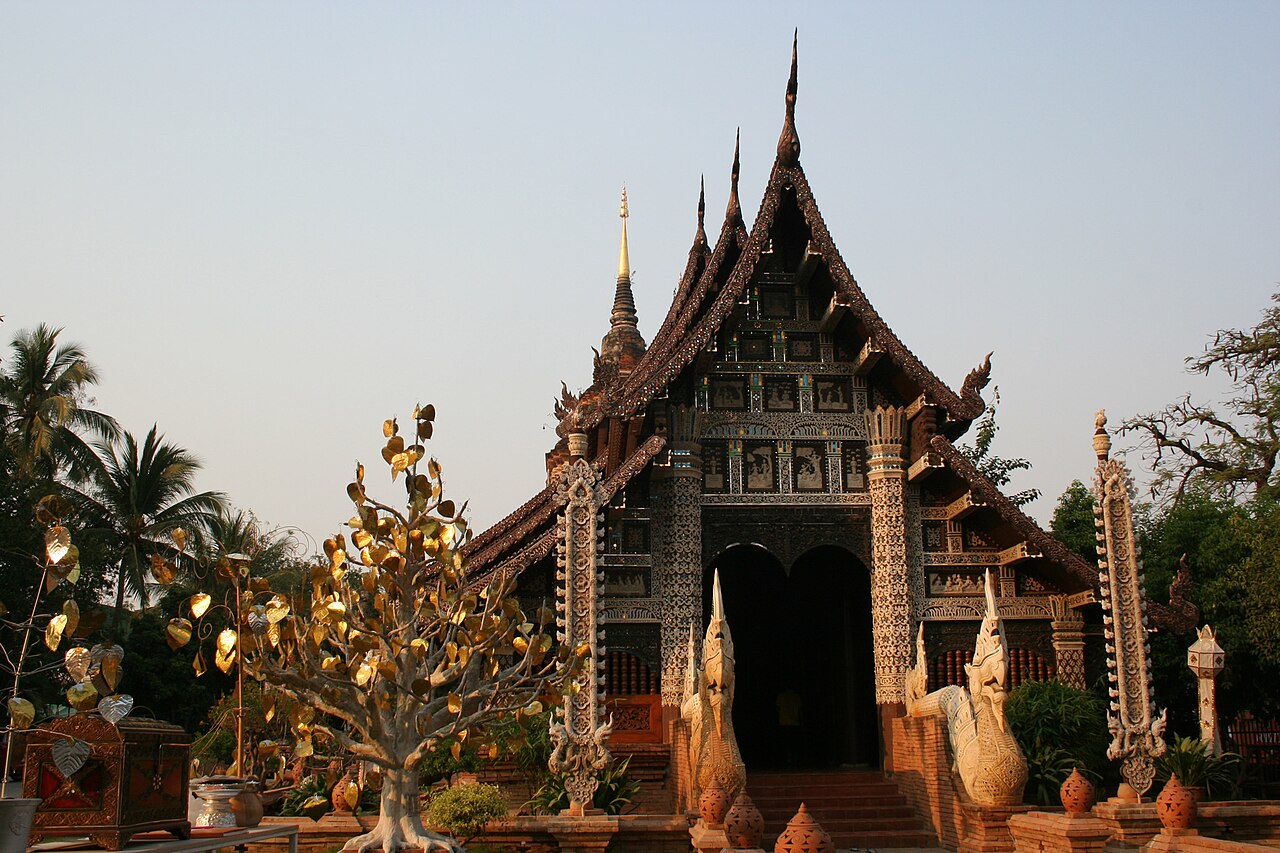
Many Buddhist temples in Thailand do not charge formal admission fees, though voluntary donations support maintenance and monastic activities. Some sites popular with international visitors implement modest entry charges. Wat Ku Tao's specific fee structure reflects its particular management approach. Visitors should carry small denomination currency for potential contributions or incidental offerings. Free general admission; voluntary temple donations are welcome. The ground-level compound and exterior of the Ku Tao chedi are accessible without climbing the principal staircase. The elevated main viharn is reached by a naga-flanked staircase; no lift or ramp serves its upper level.
Checked 2026-08-31 · Source
Wat Ku Tao occupies a location within Chiang Mai's central area accessible by various transportation modes. Songthaew shared trucks constitute common local transport, negotiable for direction or joining existing routes. Tuk-tuk and motorbike taxi services offer direct conveyance with fares requiring advance agreement. Municipal bus B3 serves Mueang Chiang Mai Stadium. From the stadium, use Chang Phueak Soi 6/Ku Tao Road; the temple entrance is approximately 100 metres along the lane. Drivers can use the named landmark “Mueang Chiang Mai Stadium” or “Wat Ku Tao.”. The elevated main viharn is reached by a naga-flanked staircase; no lift or ramp serves its upper level.
Checked 2026-08-31 · Source
Active temples demand respectful behavior regardless of visitor religious affiliation. Photography restrictions may apply in specific areas; observe signage and local practice before capturing images. Footwear removal precedes entering buildings, with secure placement recommended given shared spaces. Free-roaming dogs occasionally inhabit temple grounds throughout Thailand; maintain calm awareness without direct engagement. The ground-level compound and exterior of the Ku Tao chedi are accessible without climbing the principal staircase. Its official name is Wat Weluwan Wanaram, while Wat Ku Tao is the commonly used local name.
Checked 2026-08-31 · Source
The distinctive watermelon chedi offers compelling photographic subject matter with its unusual silhouette against sky or surrounding vegetation. Natural lighting conditions vary dramatically by time of day and season, affecting image quality and mood. Early morning and golden hour provide warm directional illumination enhancing dimensional form. Overcast conditions reduce harsh shadows and reveal surface texture evenly. Wide-angle lenses accommodate the structure's scale in confined compound space. Interior photography requires explicit permission where not expressly prohibited. In the local name, “ku” refers to a funerary or relic monument and “tao” refers to the gourd or watermelon-like form of the chedi.
Checked 2026-08-31 · Source
Its official name is Wat Weluwan Wanaram, while Wat Ku Tao is the commonly used local name.
In the local name, “ku” refers to a funerary or relic monument and “tao” refers to the gourd or watermelon-like form of the chedi.
The brick-and-stucco chedi consists of five diminishing rounded tiers, each with Buddha niches on four sides; upper tiers retain glazed-tile decoration.
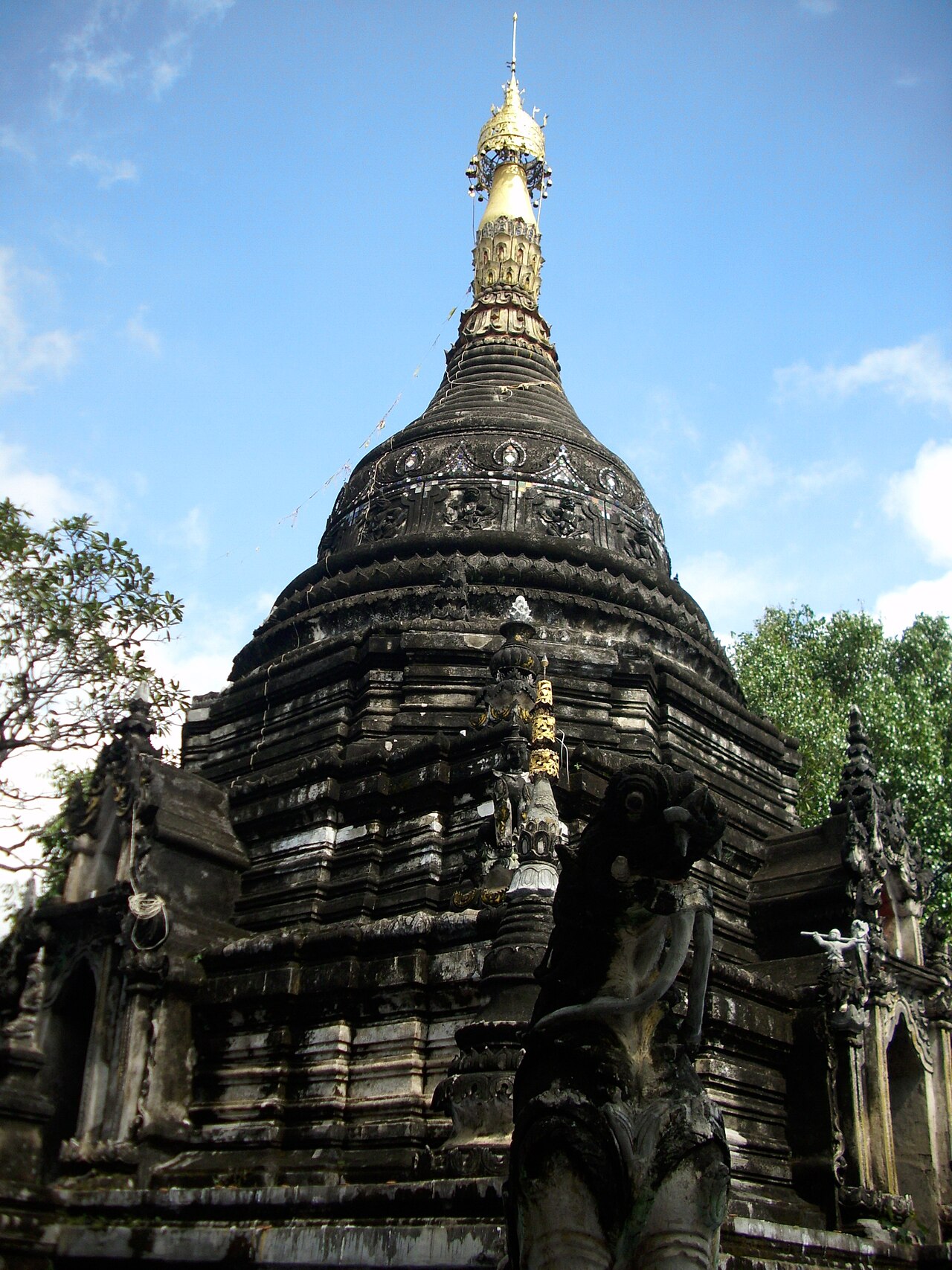
The temple tradition associates the chedi with the ashes of Nawrahta Minsaw, the Burmese ruler of Chiang Mai who died in the early seventeenth century.
Yes. It remains a functioning Buddhist temple and a religious centre for Chiang Mai’s Shan community.
Wat Ku Tao hosts Poi Sang Long, the Shan novice-ordination tradition whose ceremonies and processions normally extend over three days.
Loading the interactive map…
The interactive map could not be loaded.
Last updated:
Source: OpenStreetMap contributors, Wikidata ·