
289 min walk
Hamaxia
- Notable
- Historic monument
Language · 11 published
Historic monument · Antalya
Alara Kalesi
Reviewed by Elena Voss · Roavina Travel Editor
It was built in the Ottoman architecture style.
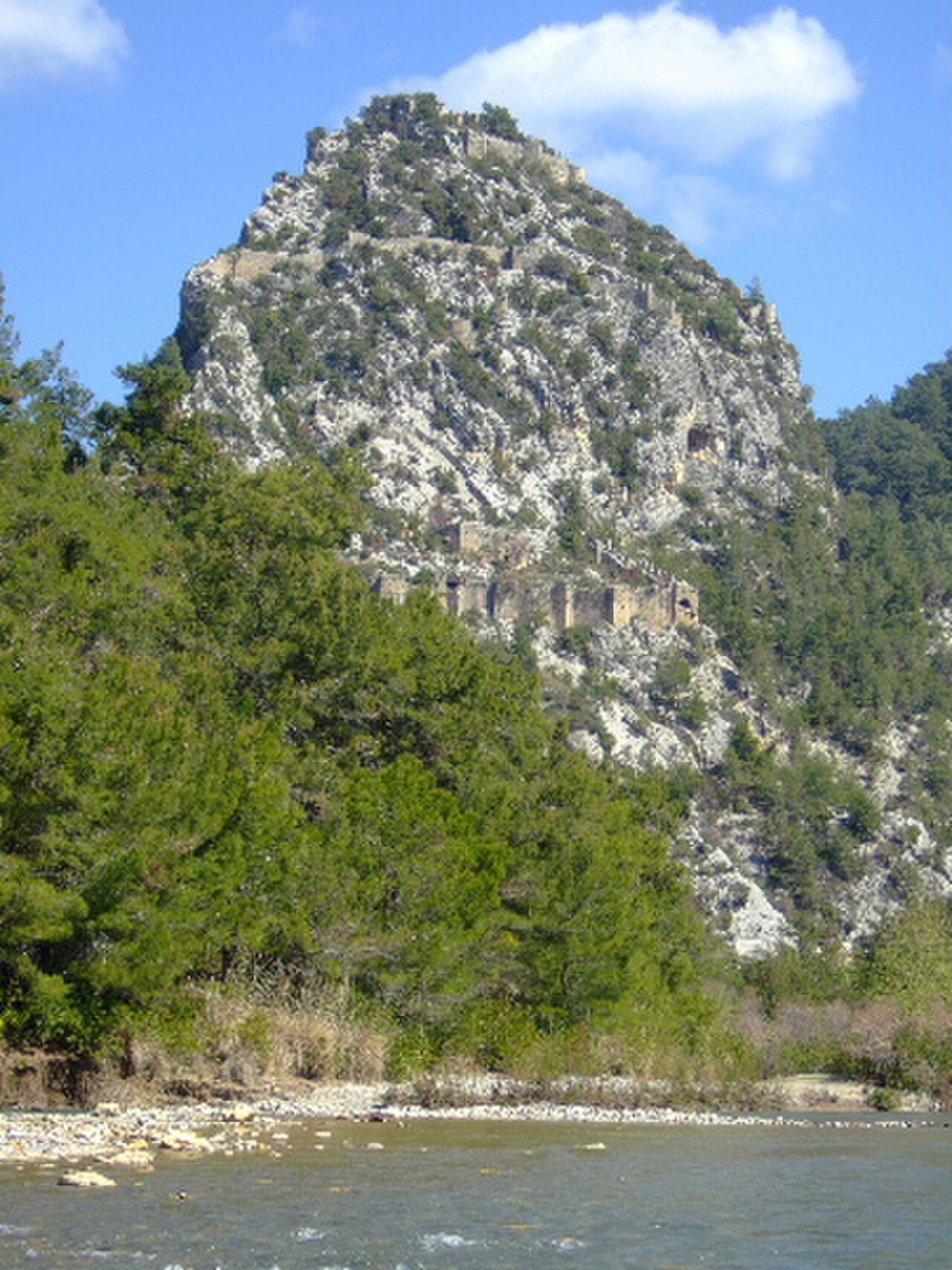
Alara Castle is a hilltop fortress ruin above the Alara River in Antalya Province. The castle’s character comes from its position: elevated ground overlooks the river corridor and separates the site from the province’s coastal resort landscape. A visit is primarily an outdoor exploration of surviving defensive stonework, rocky slopes and broad views rather than a museum experience. The approach and the setting are inseparable from the attraction, making Alara Castle most rewarding for visitors interested in ruins, landscape and the relationship between a fortified position and the valley below. Alara Castle, known locally as Alara Kalesi, is a historic fortress situated near Antalya in southern Turkey. The castle occupies a strategic position overlooking the Alara River and the surrounding landscape. As a visitor-relevant point of interest matched to the production city pool, it represents an important element of the region's historical architecture. The structure reflects centuries of layered construction and regional defensive traditions. Its elevated location would have provided natural surveillance advantages for controlling movement through the river valley below. The site contributes to understanding settlement patterns and military architecture in the broader Antalya region. The site presents hazards including unguarded drops, loose stonework, and steep terrain that may challenge young children. Parental supervision would need to be constant and vigilant. No child-specific facilities are recorded.
Checked 2026-08-26 · Source
The castle presents weathered defensive walls and masonry rising from uneven, rocky ground. Surviving structures should be read as parts of a ruined fortress landscape rather than as a sequence of furnished rooms or curated galleries. The Alara River valley is an important part of what can be seen from the elevated site.
Checked 2026-08-26 · Source
Allow about one to two hours for Alara Castle, including the uphill approach, cautious movement across uneven ground and pauses for views over the Alara River. A brief stop focused on the main surviving walls may take less time, while photographers and visitors examining the masonry carefully will need longer. The physical effort of reaching the elevated ruin can shape the visit more than the amount of surviving architecture. Keep the schedule flexible, particularly if the castle is combined with other stops along the Antalya–Alanya corridor.
Checked 2026-08-26 · Source
Morning is generally the most comfortable time for an exposed uphill visit during Antalya’s hot summer season, when direct sun can make the rocky approach tiring. Spring and autumn usually offer more agreeable conditions for combining the fortress with landscape viewing. Rain can make stone and earth surfaces more difficult to cross, so weather matters more here than it would at an indoor attraction. Alara Castle has no confirmed timetable or seasonal schedule in the available practical information, and the ruin should be planned around daylight.
Checked 2026-08-26 · Source
Plan the visit without relying on a published fare, a particular ticket category or a confirmed payment method. The absence of a recorded price should not be interpreted as proof that entry is free. Carry the practical supplies needed for the rural approach and allow flexibility for the access arrangement you encounter on the day.
Checked 2026-08-26 · Source
Reach the Alara Castle area from the D400 coastal corridor between the Antalya and Alanya sides of the province, then turn inland toward the Alara River and the higher ground above it. The exact final approach, road surface and parking point are not established in the supplied location record. Expect to walk uphill after leaving the vehicle, and use the recorded OpenStreetMap position for the final navigation stage.
Checked 2026-08-26 · Source
Alara Castle is a rugged ruin with steep ground, uneven rock, loose masonry and unprotected edges. Wear shoes with a secure grip, keep a careful distance from damaged walls and supervise children continuously near drops or unstable surfaces. The elevated approach can be strenuous in hot weather, while rain may make the climb and stonework slippery. Visitors should carry drinking water and avoid entering areas that appear unstable. The terrain deserves particular consideration from anyone with limited mobility or difficulty walking on irregular ground.
Checked 2026-08-26 · Source
The most distinctive photographs at Alara Castle connect the surviving stonework with the steep hillside and the Alara River valley. Use wide compositions to show the fortress in its setting, then move closer for weathered masonry, vegetation and the changing texture of the ruin. Early or late daylight can bring out stone detail more gently than the strong summer midday sun. Keep cameras and tripods stable on uneven ground, especially near edges. No photography permit, designated platform or drone permission is recorded for the site.
Checked 2026-08-26 · Source
The steep approach, uneven ground, loose stone and unprotected edges make Alara Castle demanding for young visitors. Children should remain under close adult supervision throughout the visit, with adults choosing conservative routes around the ruined masonry.
Restroom information is not available for Alara Castle. Organise personal needs before taking the inland approach and do not build the visit around access to a toilet at the ruin.
Independent exploration may be possible, but visitors must navigate a rugged ruin carefully and make their own safety decisions around steep ground and damaged masonry.
Plan the visit in daylight, when the uphill approach, uneven surfaces and condition of the ruined walls are easier to assess.
Bring the water and other supplies needed for the rural approach rather than depending on a refreshment stop at the ruin.
What can be described directly is the castle’s hilltop defensive setting above the Alara River and its surviving stonework integrated with the rocky terrain.
Loading the interactive map…
The interactive map could not be loaded.
Last updated:
Source: OpenStreetMap contributors, Wikidata ·