203 min walk
Olympos
- Must see
- Historic monument
Language · 11 published
Historic monument · Antalya
Gagai
Reviewed by Elena Voss · Roavina Travel Editor
This place is a Attraction.
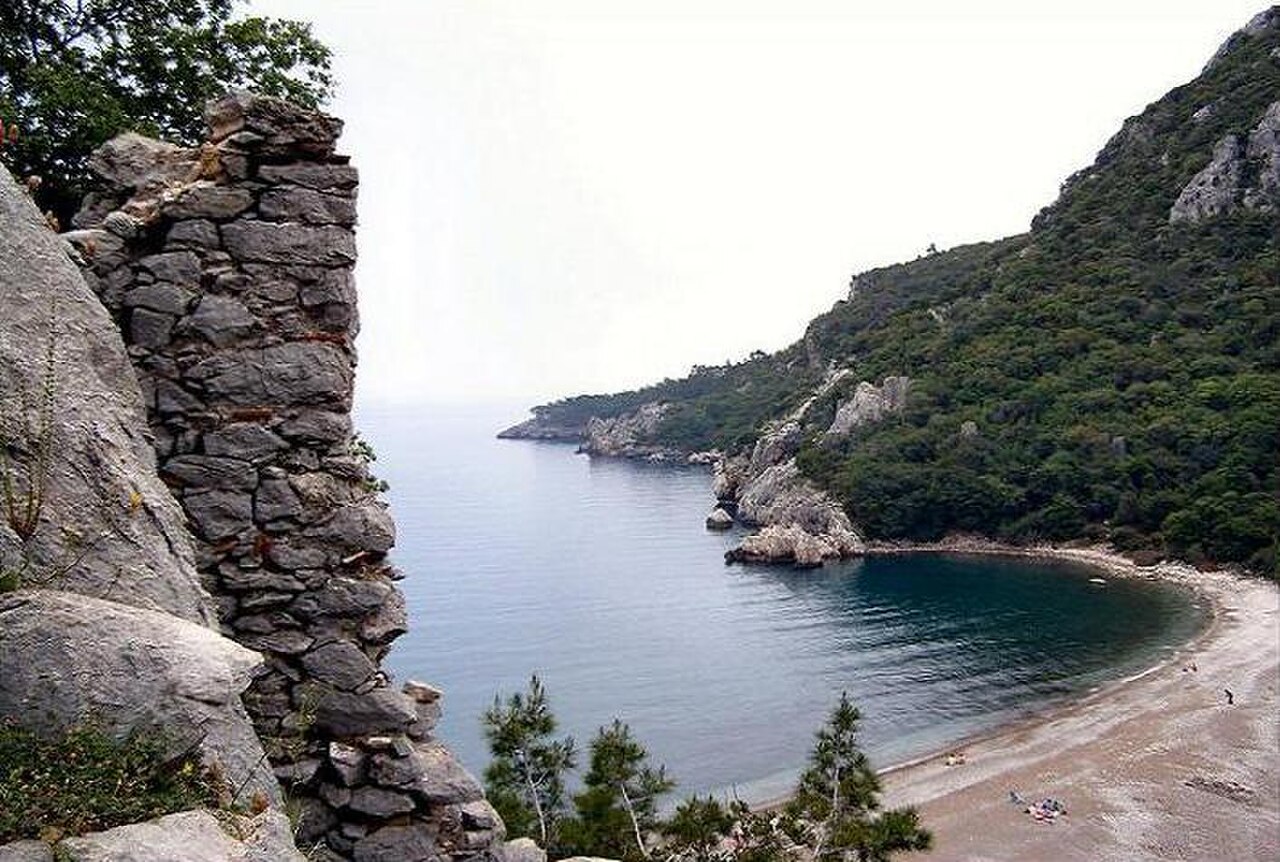
Gagae, known locally as Gagai, is an ancient archaeological site situated in the Antalya region of southern Turkey. This ruined settlement represents a former Lycian city that once held significance in the classical Mediterranean world. The site preserves scattered remains of its ancient past, including structural fragments and architectural elements that testify to centuries of human occupation. Today it stands as a testament to Lycian civilisation, attracting visitors interested in antiquity and regional history. The location offers a quieter alternative to more heavily promoted archaeological destinations along the Turkish coast, appealing to travellers seeking less crowded heritage experiences in a Mediterranean landscape setting.
Checked 2026-08-26
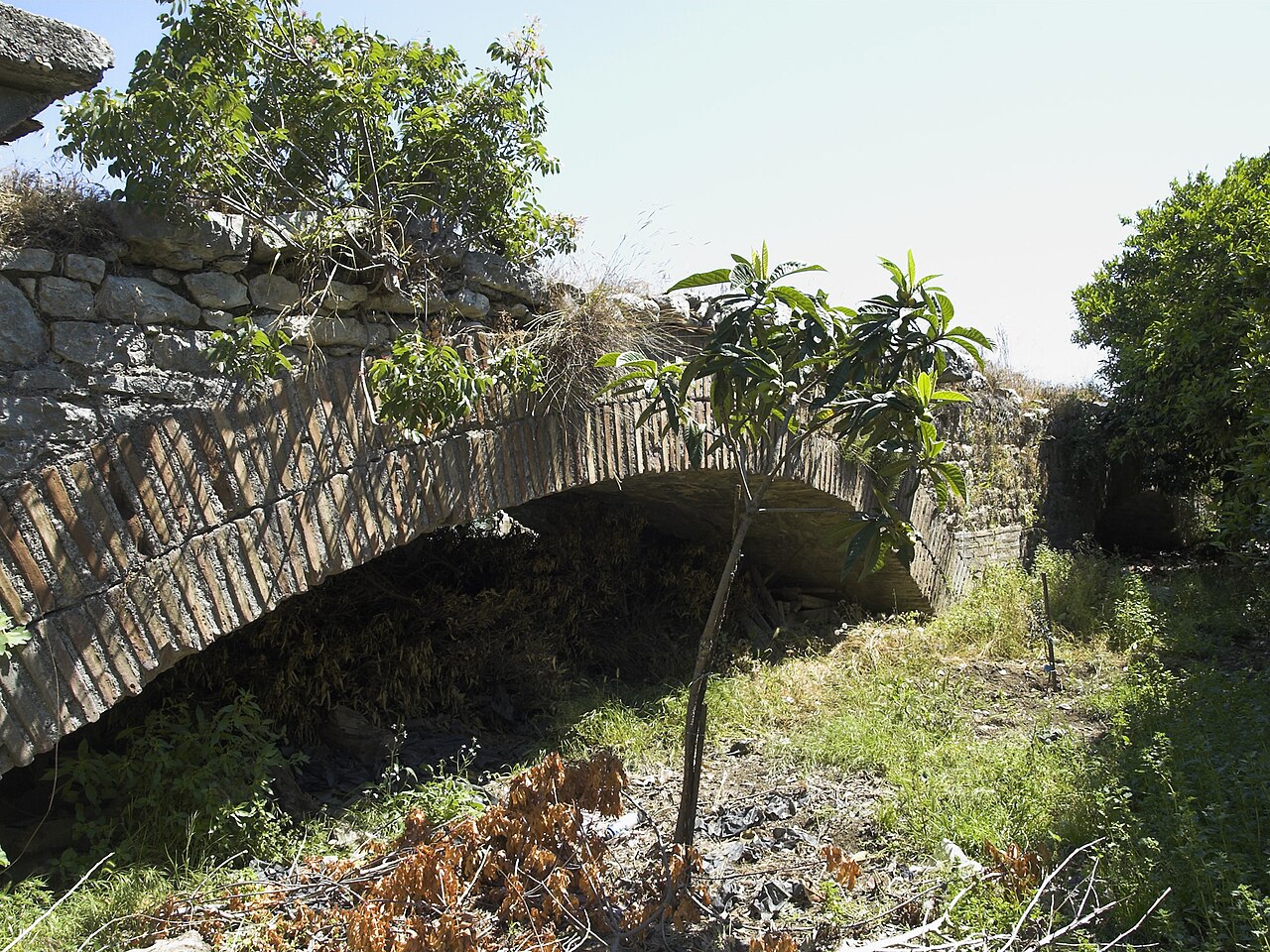
The archaeological remains at Gagae consist primarily of ruined structures and scattered architectural fragments distributed across the site. Visitors can observe remnants of ancient construction, including portions of walls, building foundations, and other stone elements that have survived from antiquity. The exact inventory of visible features varies with ongoing natural processes and any conservation interventions. No comprehensive modern excavation or restoration programme has made the site fully interpretable for casual visitors. Informational signage or on-site interpretation facilities are not documented. The ruins exist in a relatively unprocessed state, requiring visitors to bring their own knowledge or imagination to appreciate the historical significance of what they observe among the remains.
Checked 2026-08-26
A visit to Gagae typically requires between thirty minutes and one hour for most travellers, depending on individual interest in archaeological detail and physical exploration of the terrain. The compact nature of the visible remains means extensive time is unnecessary for a general appreciation of the site. Those with specialised knowledge of Lycian archaeology or classical architecture may wish to spend additional time examining specific construction techniques or stone elements. The surrounding landscape may extend the visit for those interested in photography or Mediterranean vegetation. No facilities for extended stays are present, so visitors should plan accordingly with water and sun protection for the duration of their exploration.
Checked 2026-08-26
The optimal visiting period for Gagae aligns with Antalya's broader Mediterranean climate patterns, favouring spring and autumn months when temperatures are moderate and conditions more comfortable for outdoor archaeological exploration. Summer visits are possible but demand adequate preparation for intense heat and strong sun exposure typical of the Turkish coast during July and August. Winter months may bring rainfall that affects ground conditions and accessibility. Visitors should verify current access arrangements before travelling, as unmanaged archaeological sites may have variable or unregulated visiting conditions without formal opening schedules or seasonal operational announcements from recognised management authorities. Check the operator's own site for the travel date before relying on a schedule or fare.
Checked 2026-08-26
Access arrangements for Gagae are not formally documented through standard tourism channels, reflecting its status as a less commercially developed archaeological location. Visitors should anticipate that no established ticketing infrastructure may exist at the site itself. Any fees or access contributions would require local verification upon arrival. Travellers are advised to carry small denomination currency in case informal arrangements apply, while remaining prepared for unrestricted access without payment. The absence of managed tourism infrastructure means conventional expectations about entry fees, guided services, or visitor facilities may not apply at this location, distinguishing it from major Turkish archaeological attractions with established commercial operations. Check the operator's own site for the travel date before relying on a schedule or fare.
Checked 2026-08-26
Gagae's specific location within the Antalya region requires private transportation or organised excursion arrangements, as public transit connections to this particular archaeological site are not documented. The general Antalya area is served by Antalya Airport with international and domestic connections, and by regional bus networks connecting major settlements. From Antalya city or coastal resorts, visitors would need to navigate toward the site's approximate coordinates using road transport. Detailed driving directions or wayfinding information specific to the final approach are not recorded. The rural setting suggests final access may involve unmarked tracks or local roads requiring careful navigation. Visitors should prepare adequate mapping resources and fuel before departure from established centres.
Checked 2026-08-26
Visitors to Gagae should exercise caution appropriate to unregulated archaeological sites in rural Mediterranean environments. Uneven ground, loose stones, and partially collapsed structures present trip and fall hazards requiring sturdy footwear and careful movement. No safety infrastructure such as barriers, signage, or emergency communications is documented. Sun exposure is substantial with limited shade; water, head covering, and sun protection are essential. Wildlife including snakes and insects inhabits such terrain. The remote location means medical assistance is not immediately available. Visitors should inform others of their itinerary and estimated return. Respect for archaeological fabric is obligatory; removing or disturbing stone elements constitutes illegal damage to heritage resources under Turkish law.
Checked 2026-08-26
Photography at Gagae offers opportunities to capture archaeological ruins within Mediterranean landscape settings, though the unstructured nature of the site presents compositional challenges. Morning and evening light provides favourable conditions for revealing texture in ancient stonework and reducing harsh shadows during brighter hours. The absence of crowds permits unhurried photographic exploration without competing visitors in frames. Wide-angle lenses accommodate landscape context while detail shots isolate architectural fragments. Drone operation would require verification of Turkish aviation regulations and any site-specific restrictions. No commercial photography permits are documented. The weathered, unrestored character of remains yields atmospheric images emphasising antiquity and natural reclamation rather than reconstructed monumental presentation found at more developed heritage destinations.
Checked 2026-08-26
The uneven terrain and lack of facilities make challenging conditions for those with mobility limitations. Careful assessment of individual capabilities is advisable.
Commercial facilities at or immediately adjacent to the site are not recorded. Visitors should provision adequately in larger settlements before travelling.
Formal guide services at the site are not documented. Visitors seeking interpretation should arrange knowledgeable accompaniment in advance through Antalya-based providers.
Standard wheelchair accessibility is not feasible given the archaeological terrain and absence of prepared paths or facilities.
Sturdy closed footwear, sun-protective clothing, and a hat are recommended for safety and comfort in exposed conditions.
The extent of current conservation activity is not recorded. Visitors should expect an unrestored archaeological state.
Loading the interactive map…
The interactive map could not be loaded.
Last updated:
Source: OpenStreetMap contributors, Wikidata ·