


4 min walk
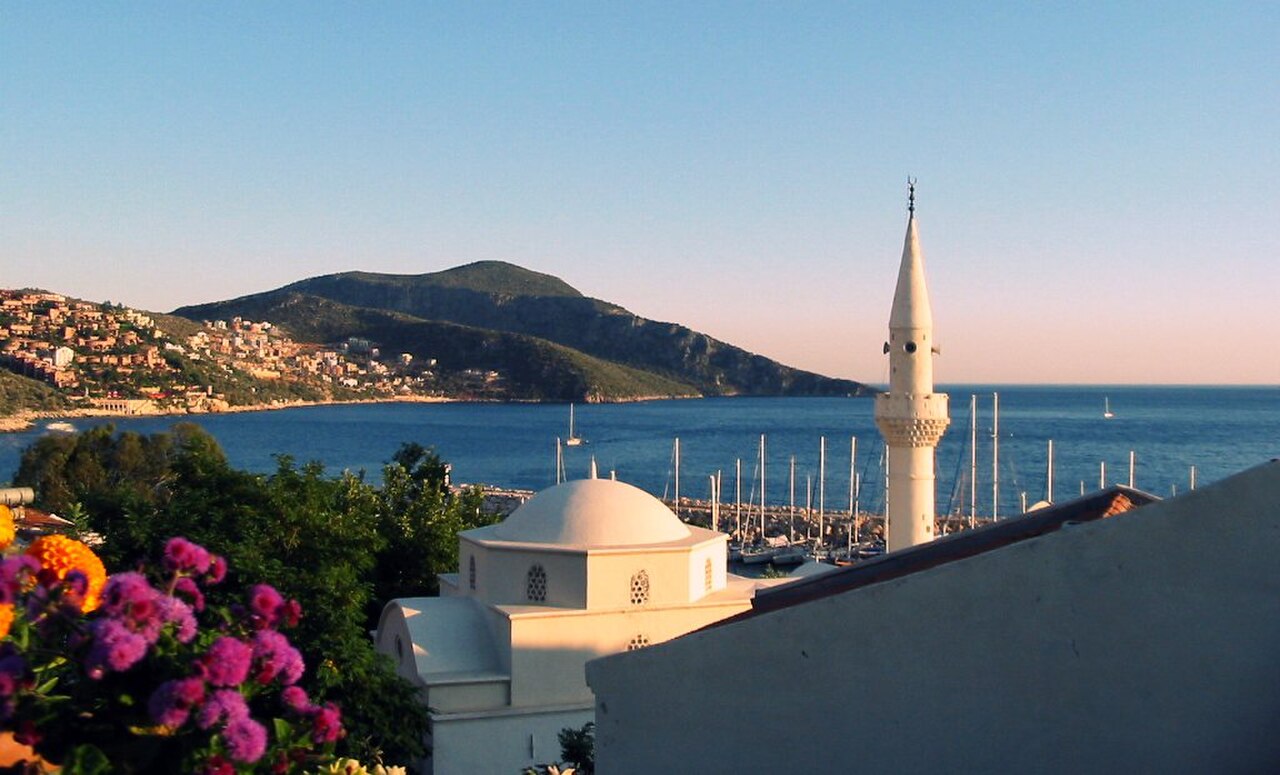
New Mosque, Kaş
- High
- Historic monument
Historic monument · Antalya
Antiphellos Ancient Theatre
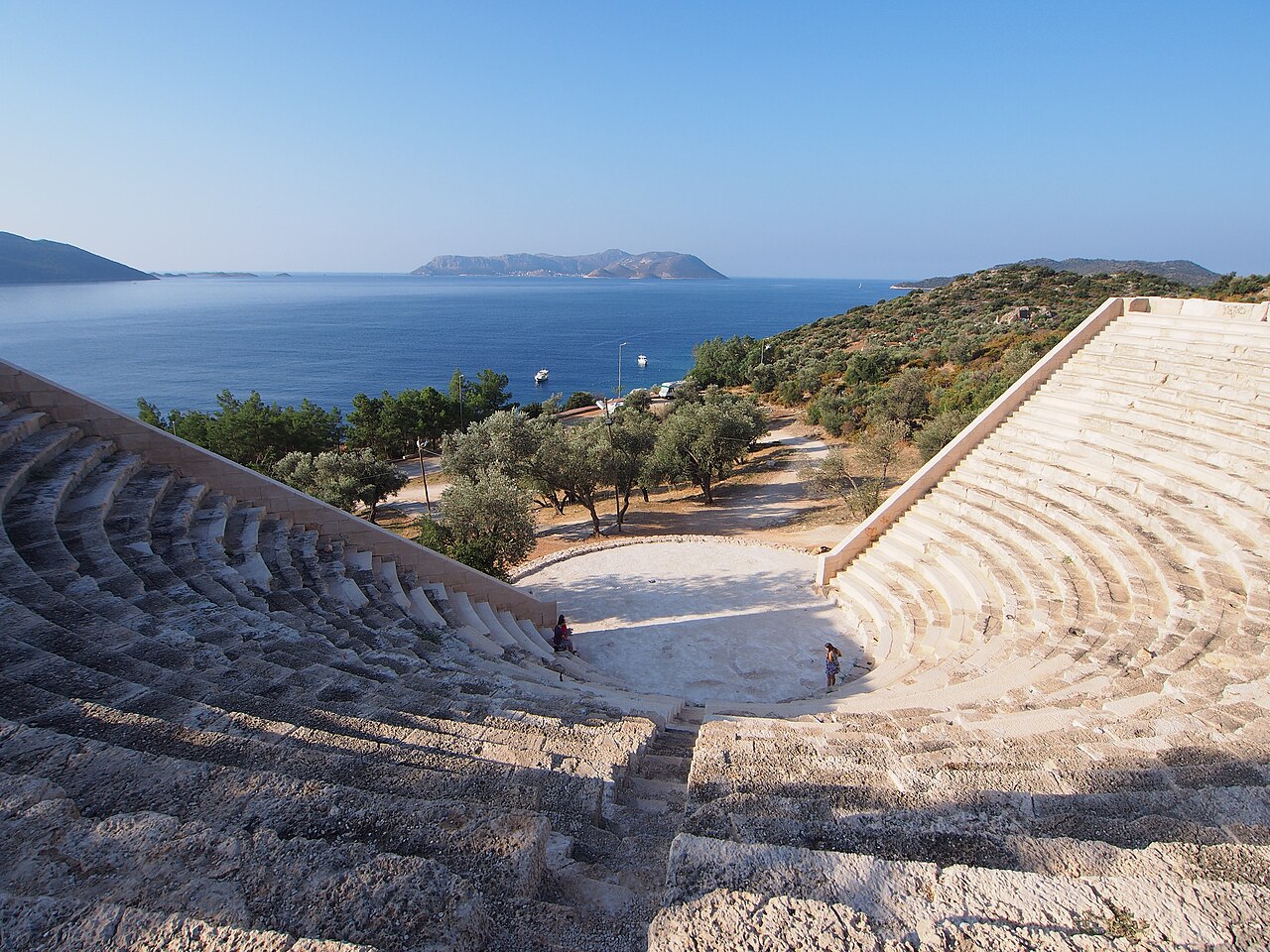
The Greek Theatre of Antiphellos is an ancient open-air theatre in Kaş, Antalya Province. It belonged to the Lycian settlement of Antiphellos, the ancient town beneath modern Kaş. Built into the hillside, the theatre combines a classical monument with a striking Mediterranean outlook. Its surviving seating gives travelers a direct encounter with the region’s ancient landscape, while the sea and the town create a vivid setting around the archaeological remains. The Greek Theatre of Antiphellos is an ancient theatre located in Kaş, within the Antalya province of southwestern Turkey. It was originally part of the ancient Lycian settlement of Antiphellos. The structure represents a well-preserved example of Hellenistic theatre architecture adapted to the hillside terrain. The theatre faces the Mediterranean Sea, offering views toward the Greek island of Kastellorizo. The site stands as evidence of the region's classical past and its integration into the wider Greek cultural sphere of antiquity. Visitors encounter a monument that has survived through multiple historical periods. Yes. The Greek Theatre of Antiphellos is located in modern Kaş, which occupies the site of ancient Antiphellos. The names refer to the same monument.
Checked 2026-08-26 · Source
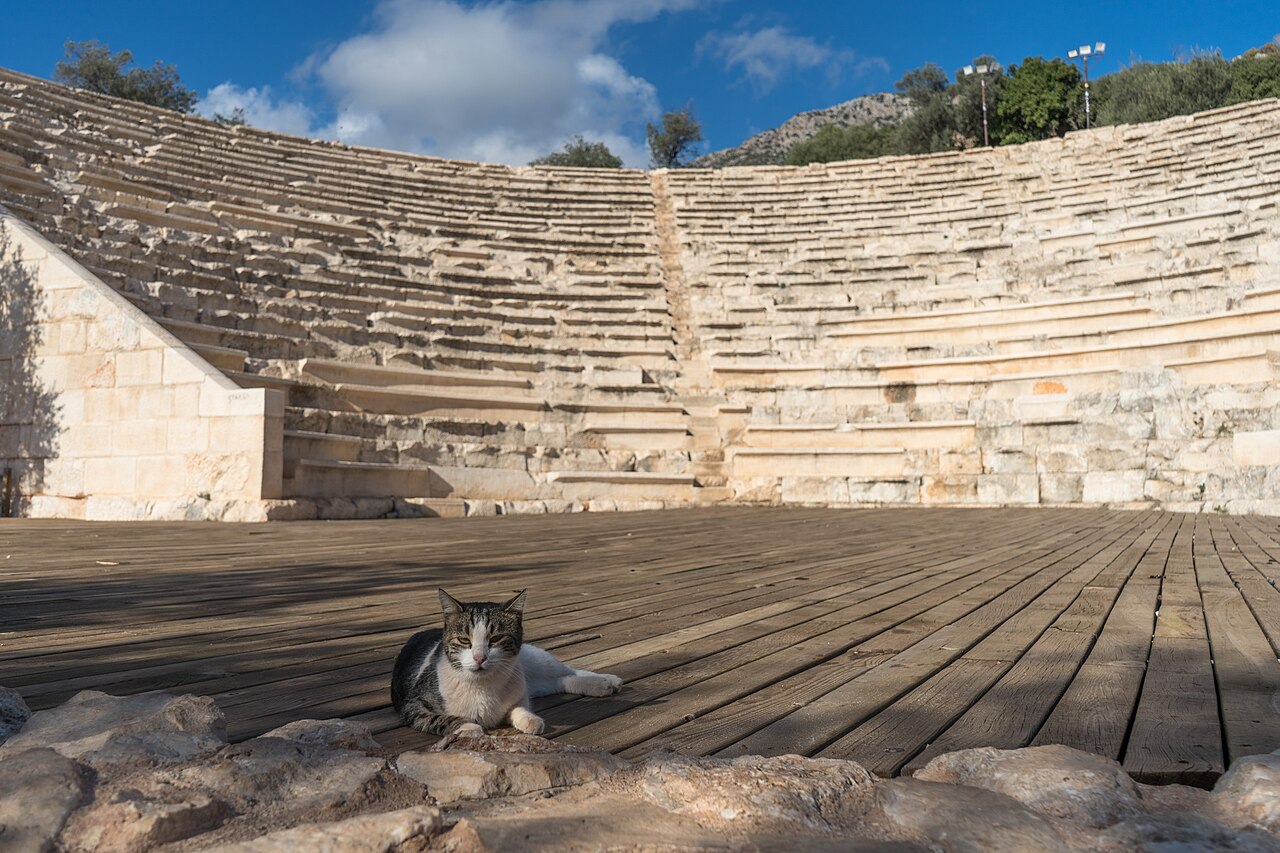
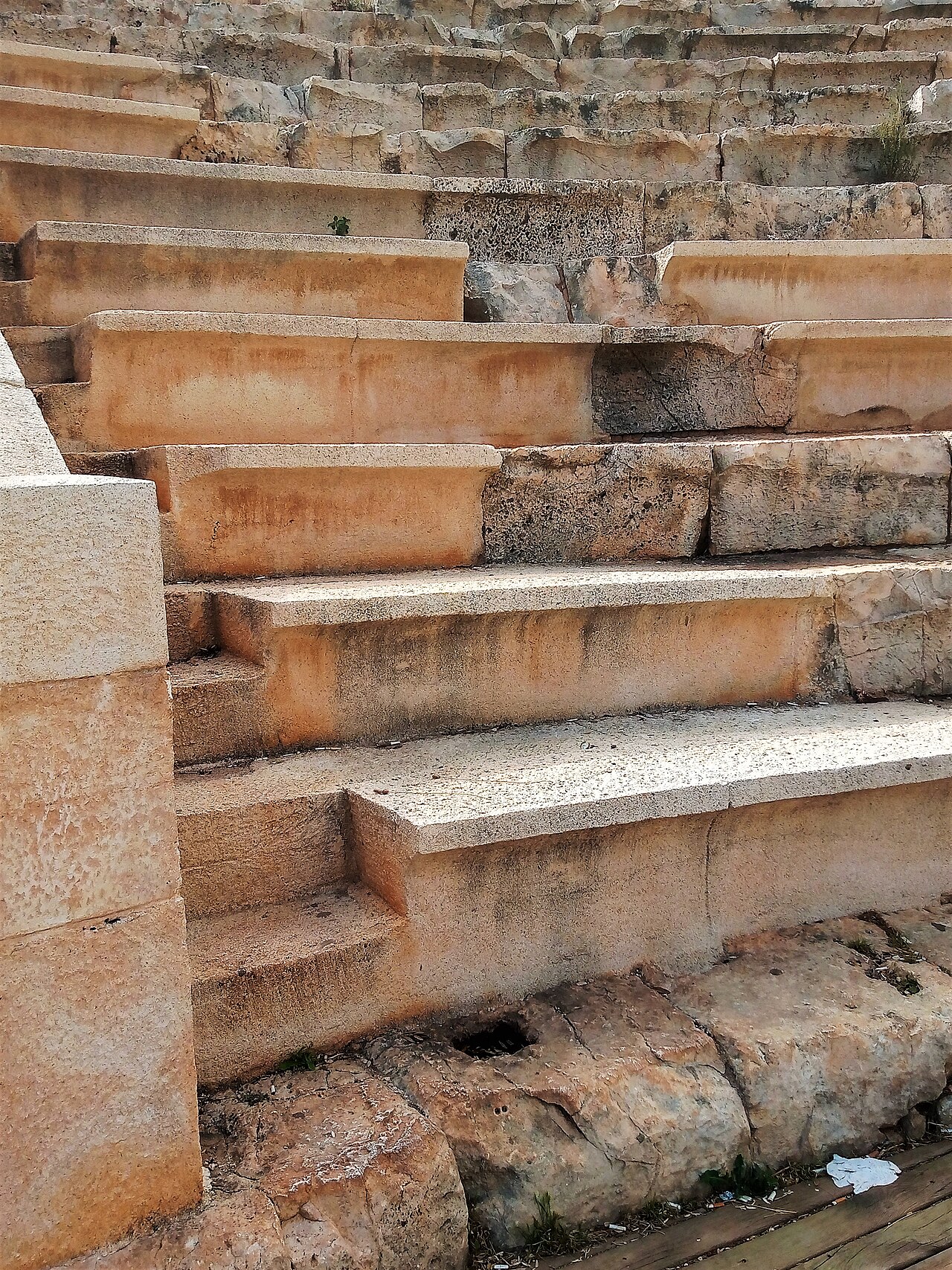
The main surviving feature is the semi-circular stone seating, or cavea, which rises from the orchestra area along the slope. Much of the seating form remains visible, while the theatre’s stage building is not fully preserved. From the upper rows, you can look across Kaş toward the Mediterranean and Kastellorizo. There is no visitor centre or museum on the site, so the experience is an open-air walk among exposed archaeological remains. The theatre features semi-circular stone seating carved into the hillside, with rows ascending from the orchestra area. The cavea, or seating section, retains much of its original form. The structure lacks a fully preserved skene building, common in more complete ancient theatres. The seating offers views across the sea and toward the modern town of Kaş below. The monument's exposed position means vegetation and weathering are visible.
Checked 2026-08-26 · Source
Allow thirty minutes to one hour for the theatre. A shorter visit covers the seating, orchestra, and principal views; a slower visit gives you time to study the stonework and enjoy the hillside setting. The theatre sits close enough to Kaş to combine with a town walk, harbour time, or a visit to the town’s Lycian remains. Ancient-history enthusiasts may want longer for architectural observation and photography.
Checked 2026-08-26 · Source
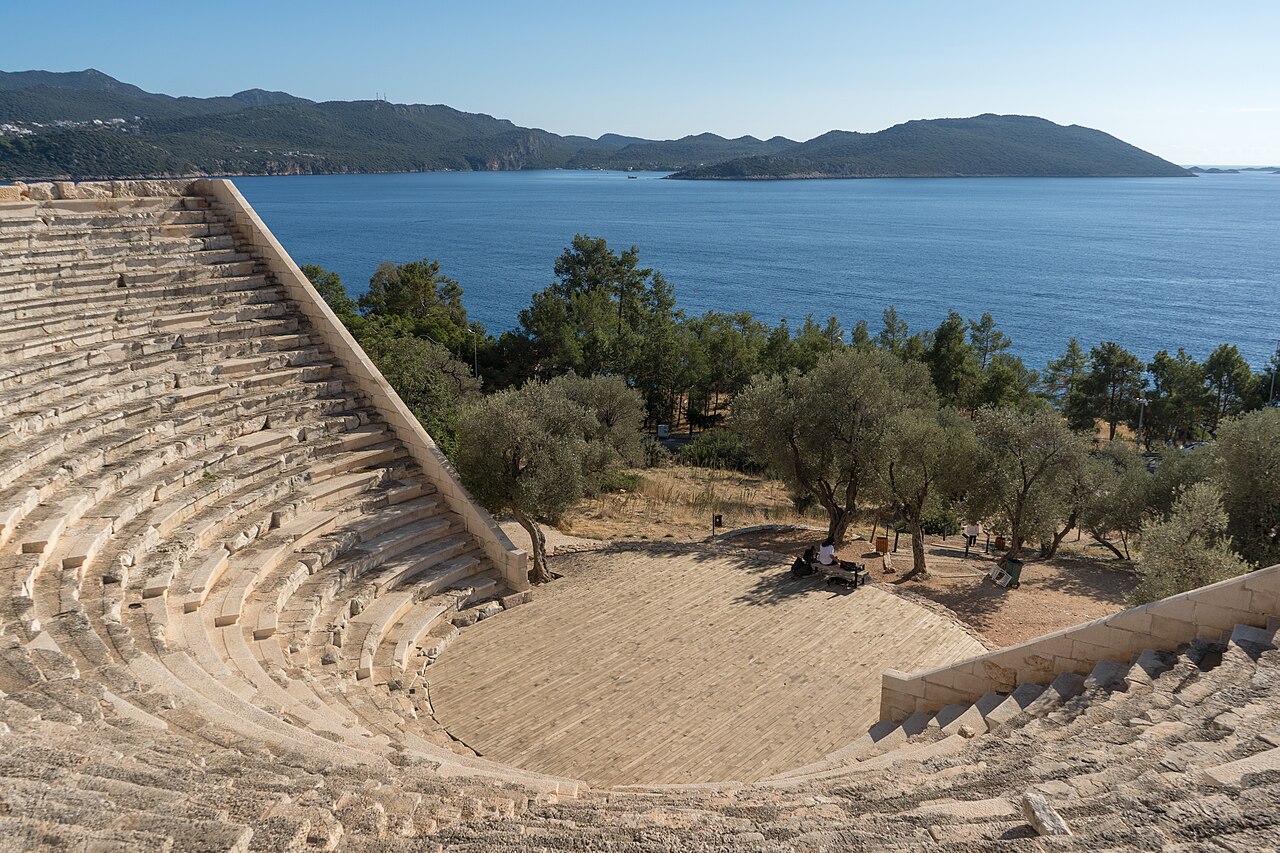
Daylight is essential for seeing the theatre’s stone seating and coastal position. Early morning and late afternoon are comfortable choices, especially during Kaş’s hot summer season, when the exposed slope receives strong sun. The open-air setting also makes the theatre attractive in the mild winter and shoulder-season months. Bring water and sun protection for a midday visit, and allow extra care after rain when stone may be slippery.
Checked 2026-08-26 · Source
The theatre has an open, unenclosed character and is visited as an outdoor archaeological monument. Plan for a self-directed walk among the surviving seating and views rather than a ticket-office experience. There is no museum building or exhibition programme on site. Because the visit is compact, it is easy to include the theatre in a wider Kaş day without setting aside a separate half-day schedule.
Checked 2026-08-26 · Source
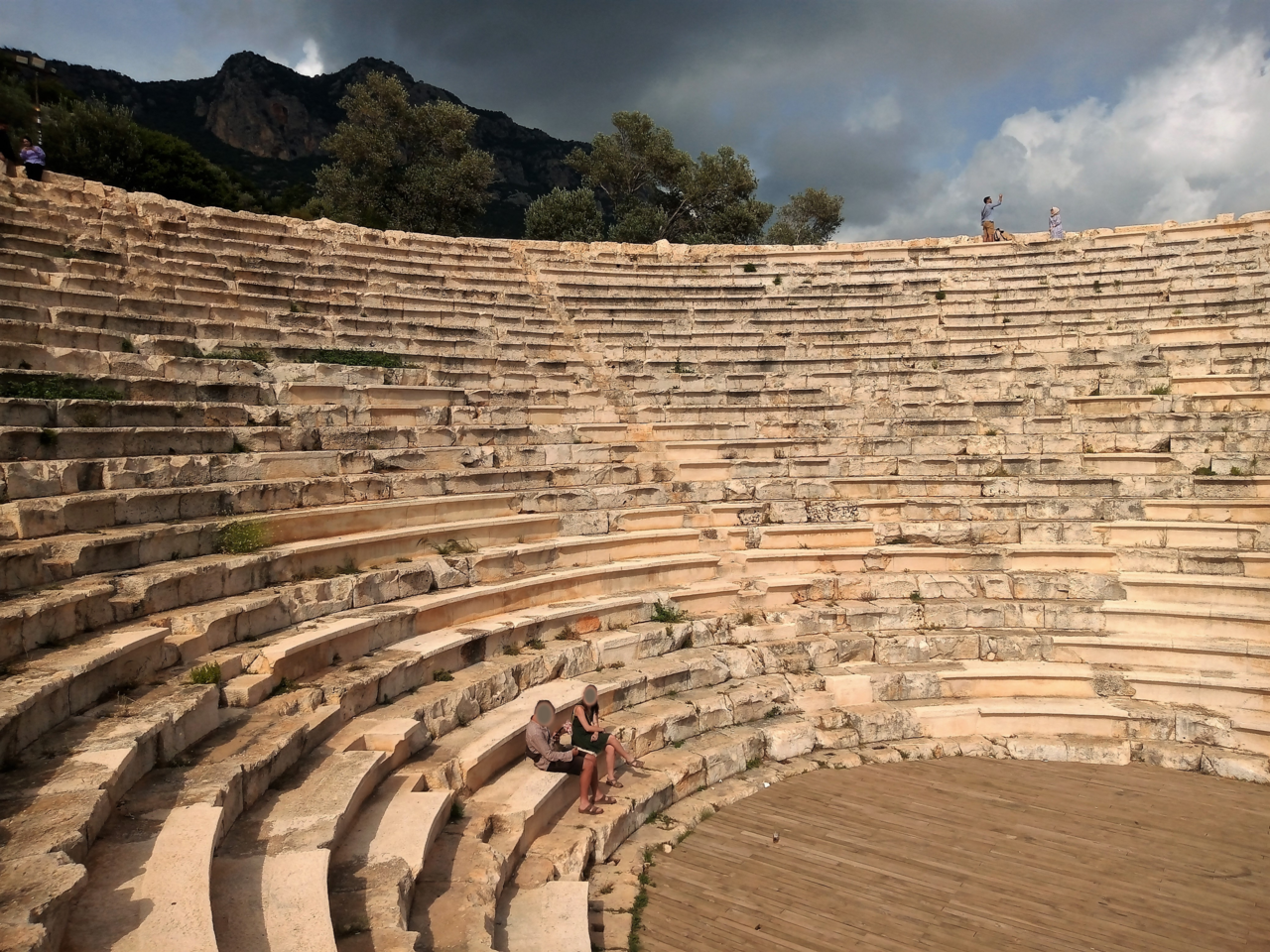
The theatre is on the western side of Kaş, within walking distance of the town centre, harbour, and main commercial streets. The route climbs through the town and includes uneven surfaces, so sturdy shoes make the approach easier. Kaş is reached by road from Antalya and Fethiye, with buses and dolmuş services serving the town. Once in Kaş, walking is the most natural way to combine the theatre with other central sights.
Checked 2026-08-26 · Source
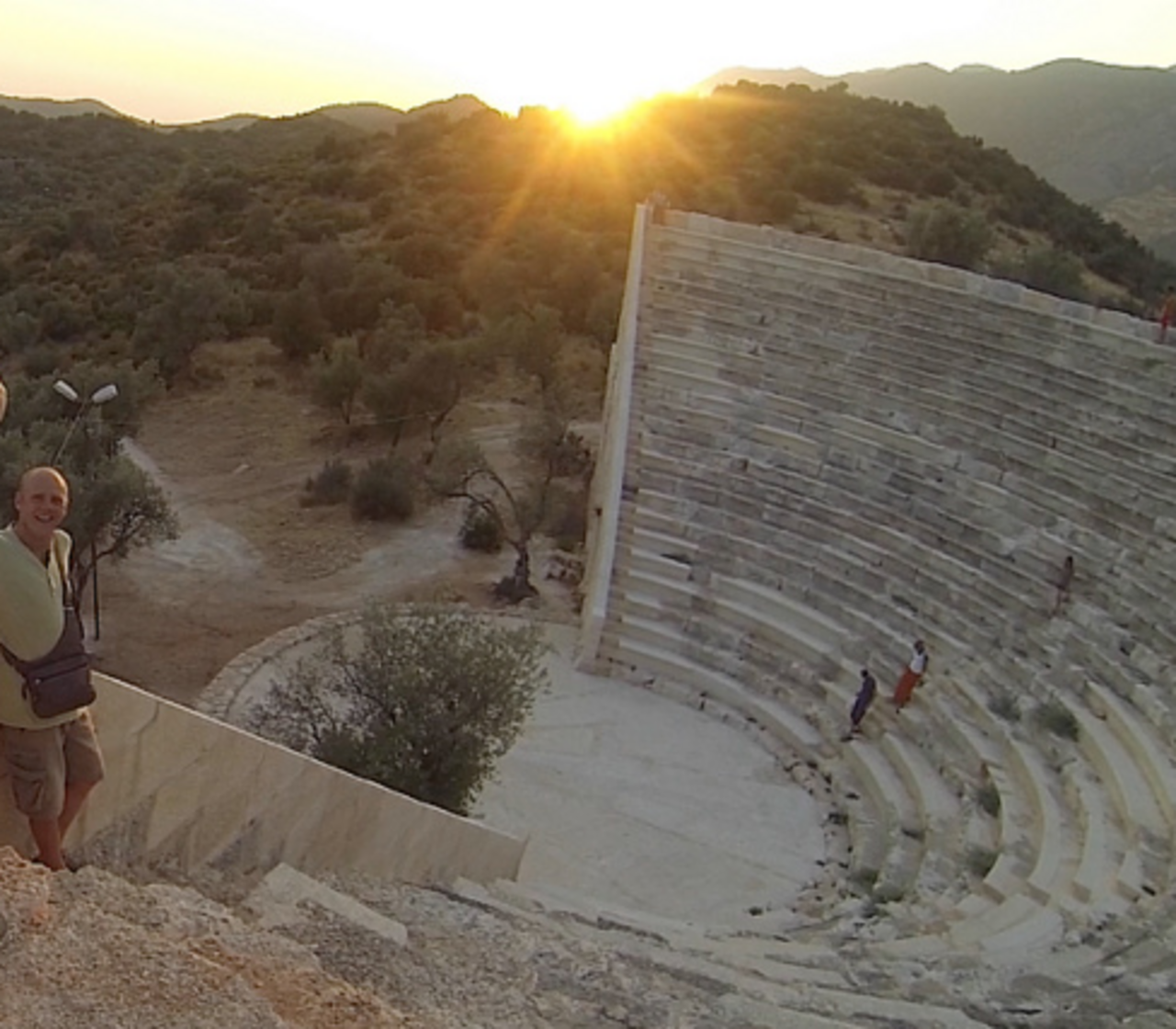
The ancient seating and approach contain uneven, worn stone, with little shade and no modern visitor facilities at the theatre itself. Wear shoes with good grip and carry water, particularly in summer. Move carefully near upper rows and edges, where guardrails are not part of the ancient structure. Do not climb fragile masonry. Keep noise low in the residential surroundings and leave the stonework undisturbed for other visitors.
Checked 2026-08-26 · Source
The theatre is one of Kaş’s strongest viewpoints for combining ancient stonework with the Mediterranean. Photograph the curve of the cavea from below, then use the upper seating for wider views toward the sea and Kastellorizo. Early and late light brings out texture in the stone and softens the brightest contrast. Stay clear of edges and pathways while framing your shot, and avoid placing equipment where it obstructs other visitors.
Checked 2026-08-26 · Source
It is in Kaş, Antalya Province, on the site of ancient Antiphellos and within walking distance of the modern town centre.
You can see the semi-circular stone cavea, the orchestra area, surviving ancient masonry, and views across Kaş toward the Mediterranean and Kastellorizo.
Most visitors need thirty minutes to one hour, depending on how much time they spend on the seating, architecture, views, and photographs.
Yes, it is within walking distance of central Kaş, although the approach climbs through town and includes uneven surfaces.
Bring sturdy shoes, water, and sun protection. The theatre is exposed, has uneven ancient stone, and has no modern visitor facilities on site.
Yes. The curved seating, hillside position, Mediterranean, and view toward Kastellorizo create strong subjects, especially in early or late daylight.
Loading the interactive map…
The interactive map could not be loaded.

Last updated:
Source: OpenStreetMap contributors, Wikidata ·