


82
45 min
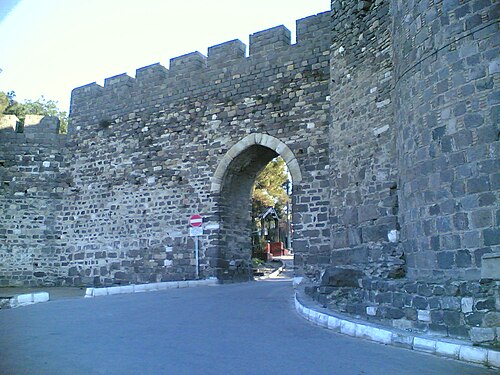
Kadifekale
Kadifekale, also called Velvet Castle, is an open-air archaeological site on Pagos, the 186-metre-high hill south of İzmir’s city centre.
- Must see
- Historic monument
- İzmir
Country guide
Türkiye is 783,562 km² across 81 provinces, most of it Anatolia in West Asia with East Thrace on the European side of the straits. It has three coasts to choose...
Photograph · Benh LIEU SONG · CC BY-SA 4.0
Reviewed by Elena Voss · Roavina Travel Editor
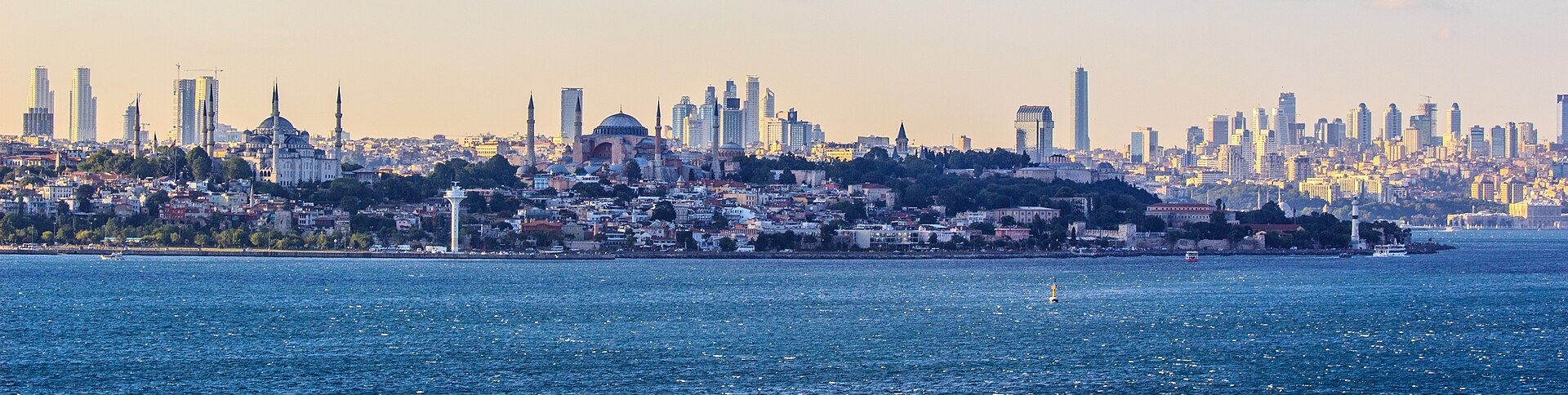
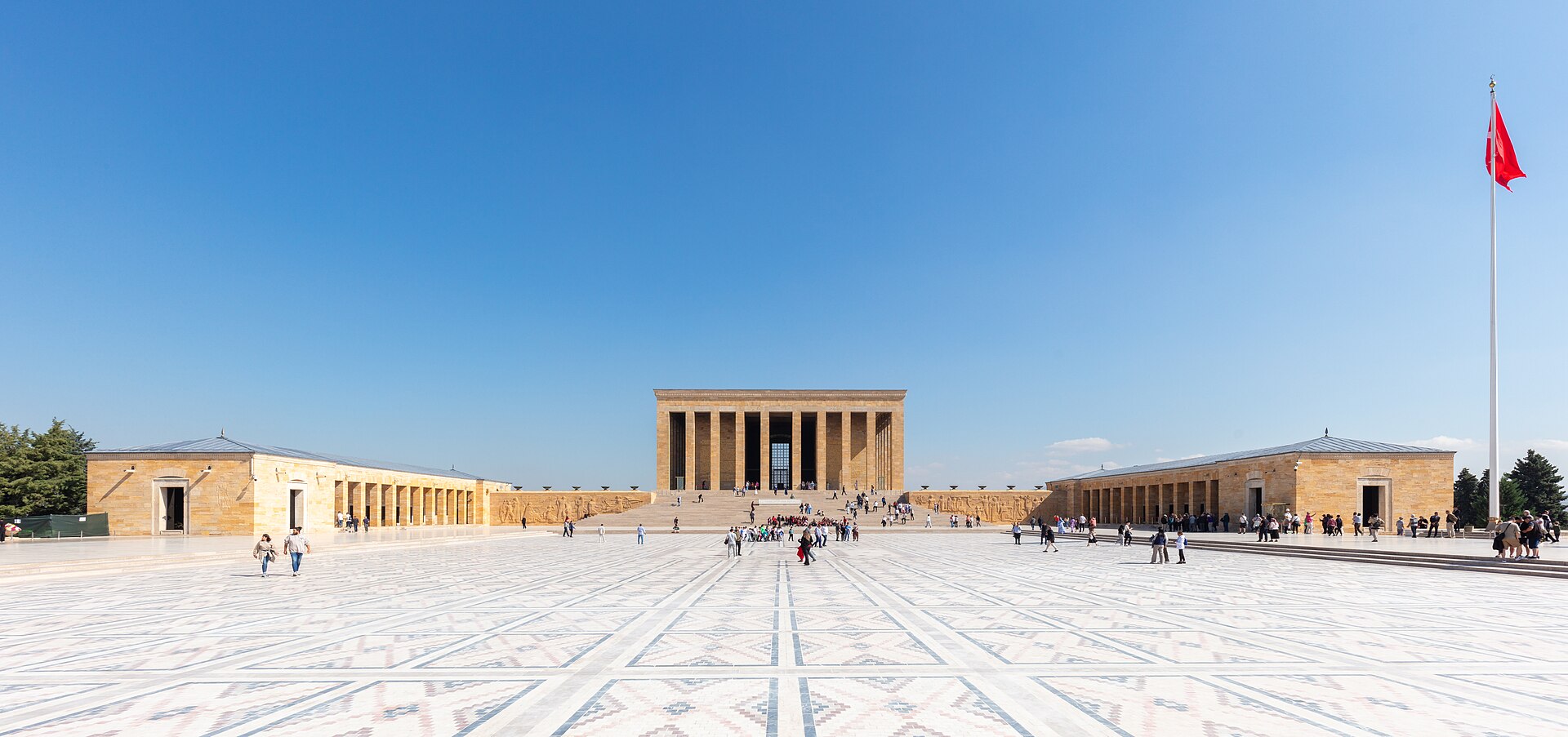
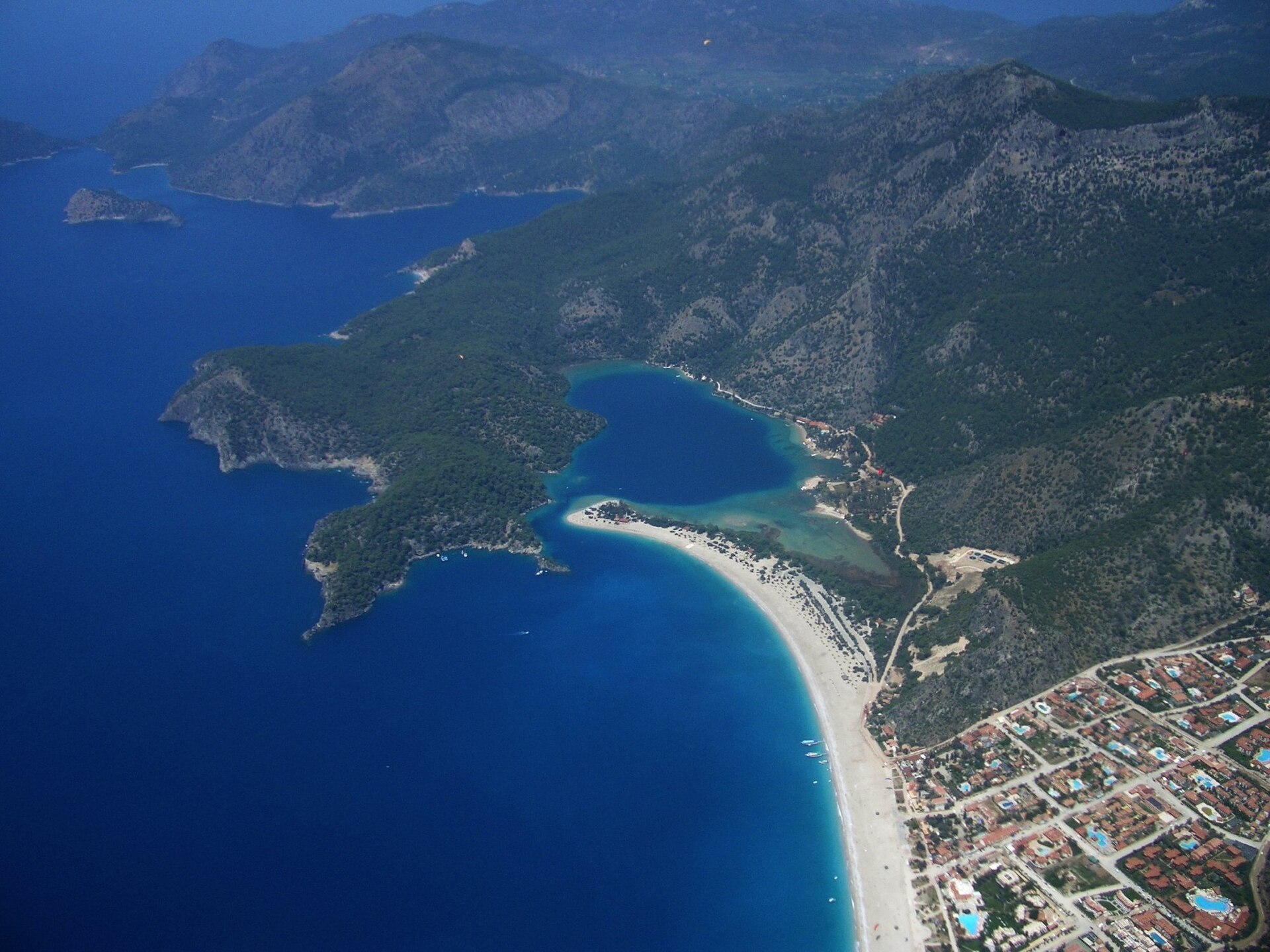
Türkiye is 783,562 km² across 81 provinces, most of it Anatolia in West Asia with East Thrace on the European side of the straits. It has three coasts to choose between — the Black Sea to the north, the Aegean to the west, the Mediterranean to the south — and an interior plateau that behaves like a different country in winter. Istanbul is the largest city and the economic centre, Ankara the capital and the second-largest, and the December 2025 population of 86,092,168 is weighted heavily to the west. A first trip is usually Istanbul and one coast; the plateau is the second trip.
Checked 2026-08-25
Every city catalogued in this country so far, ranked by how much there is to see.
Photograph · Ben Morlok · CC BY-SA 2.0
Photograph · Diego Delso · CC BY-SA 4.0
Photograph · REHBER0770 · CC BY-SA 4.0
Photograph · Anonymous · CC0
Photograph · Dan Taylor · CC BY 2.0
Photograph · Dogaaunlu · CC BY-SA 4.0
Photograph · Egemenakgul · CC BY-SA 4.0
Ranked by importance — sitelinks, pageviews and heritage status, not editor preference.
421 places match
Category
Typical visit duration
Interests
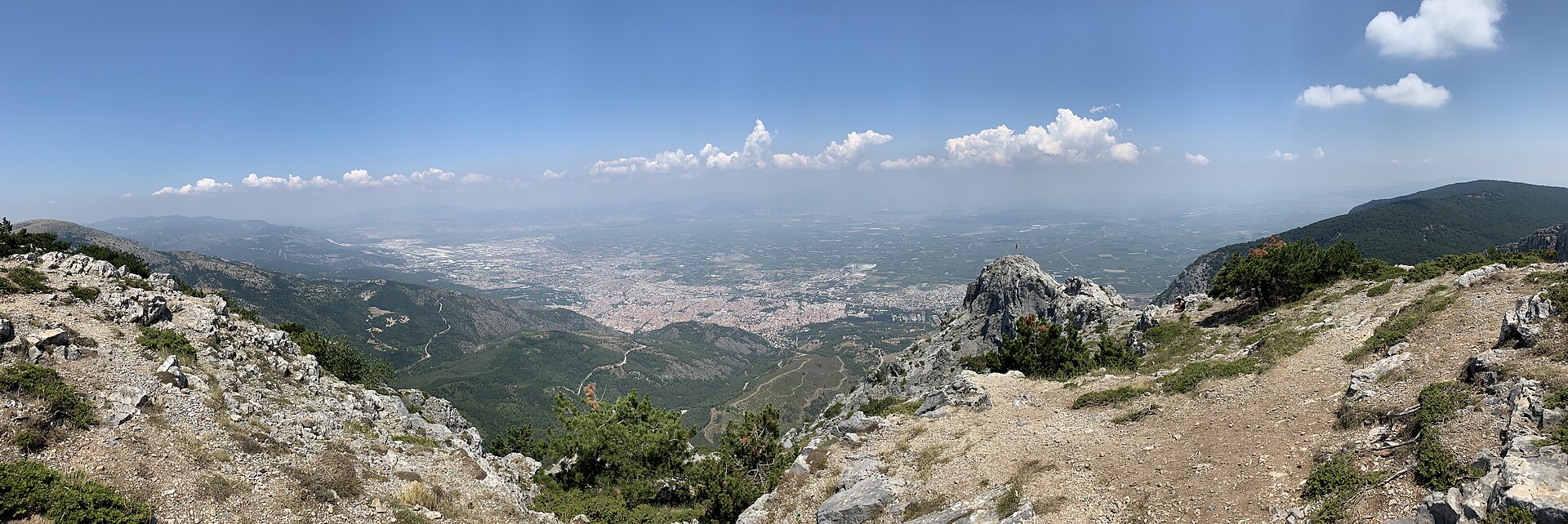
Kadifekale, also called Velvet Castle, is an open-air archaeological site on Pagos, the 186-metre-high hill south of İzmir’s city centre.
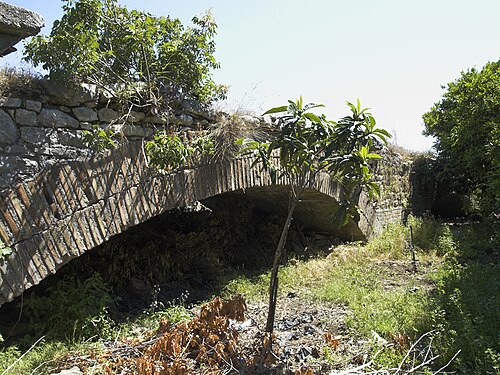
Limyra is an ancient Lycian city in the Finike district of Antalya Province. Its open-air ruins introduce visitors to a settlement shaped by several periods of Anatolian history.
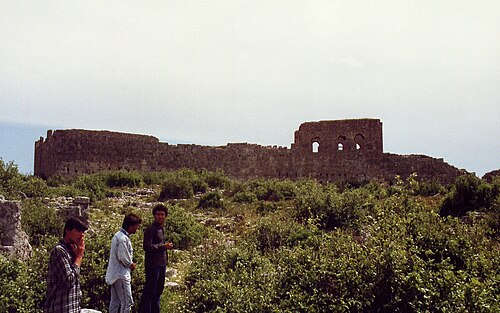
Sillyon is an ancient fortified settlement perched on a steep hilltop in the Pamphylian plain near Antalya. The site commands dramatic views across the coastal landscape and preserves substantial remains from multiple civilizations.
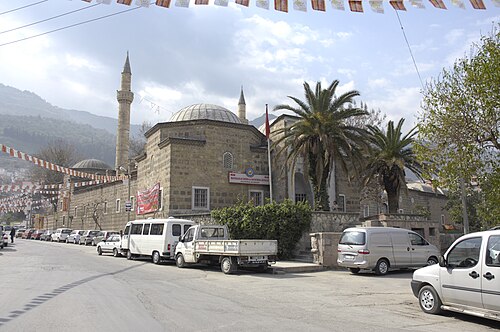
Sultan Camii
The Sultan Mosque is the centrepiece of Manisa and the reason the city has a festival.
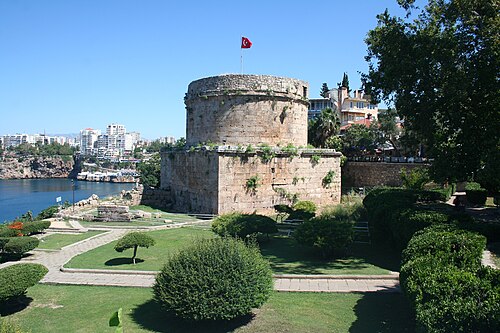
Hıdırlık Kulesi
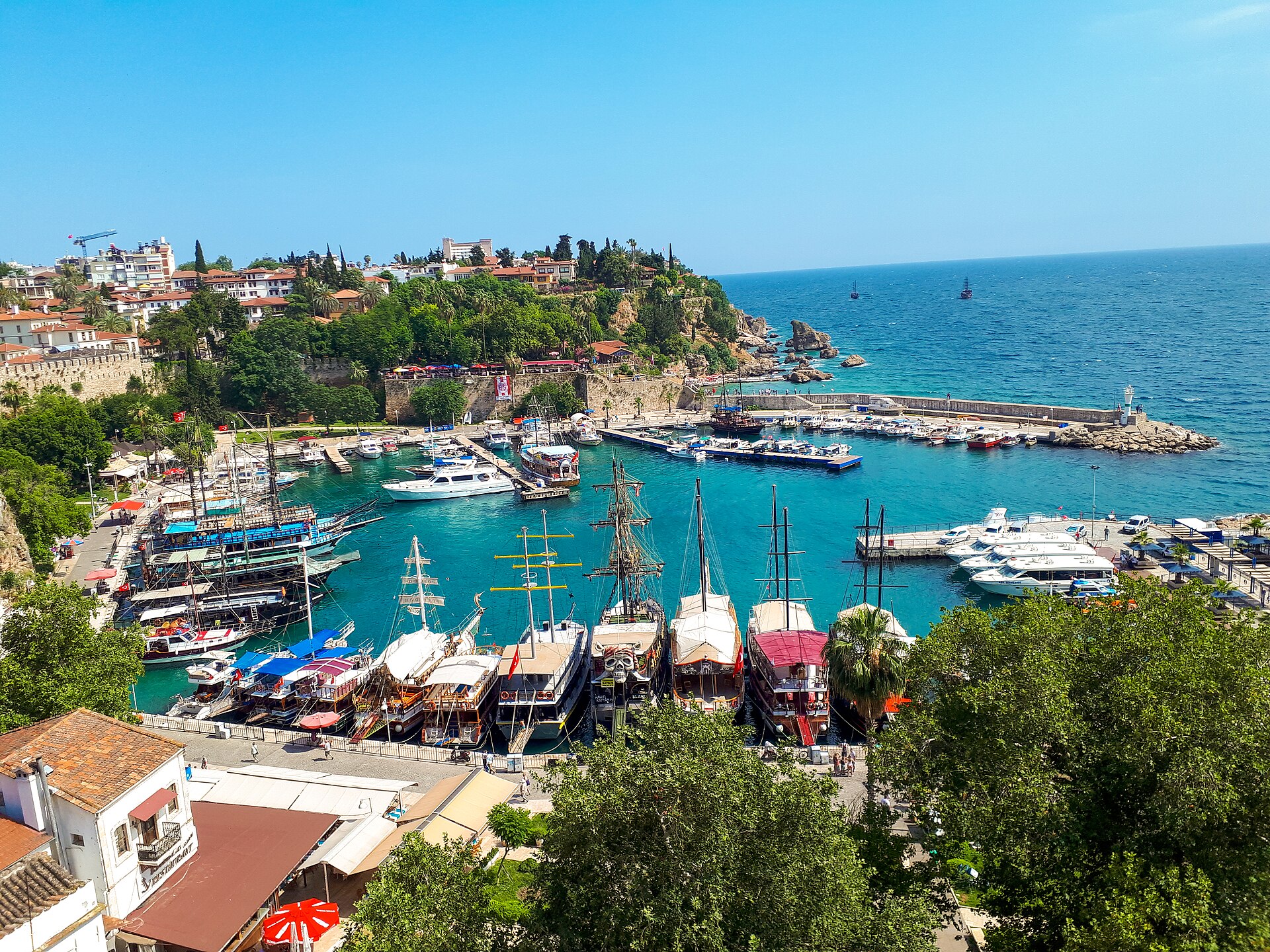
Hidirlik Tower is a compact cylindrical stone landmark on the southwestern edge of Kaleiçi, Antalya’s historic old town, beside the harbour.
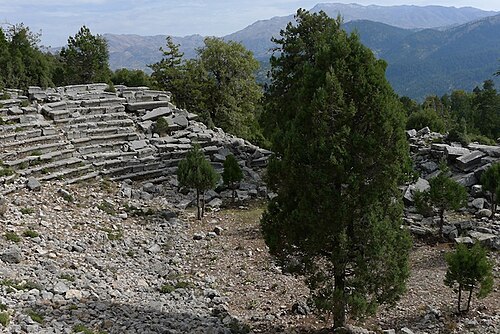
Oinoanda
Oenoanda is a remote ancient city of northern Lycia near İncealiler village in Seydikemer, Muğla, occupying an isolated mountain ridge rather than a compact monument.
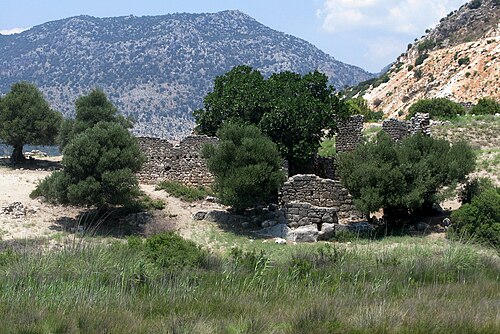
Andriake-Plakoma
Andriaca, locally known as Andriake-Plakoma, is an ancient archaeological site situated within the Antalya region of southern Turkey. The settlement served as the port city for ancient Myra, an important Lycian urban centre.
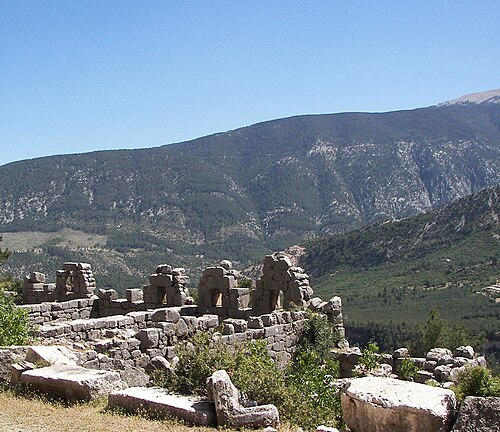
Arikanda
Arycanda, locally known as Arikanda, is an ancient Lycian city ruin situated in the mountains of Antalya Province. The archaeological site occupies a dramatic hillside position with steep terraced construction typical of Lycian urban planning.
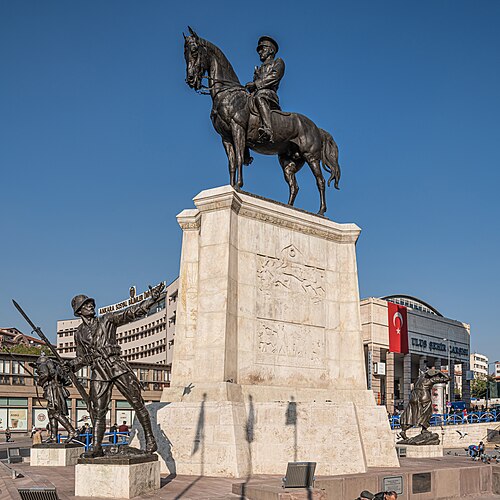
Ankara Zafer Anıtı
Victory Monument, also known as the Ulus Atatürk Monument, stands in Ulus Square in Ankara’s Altındağ district.
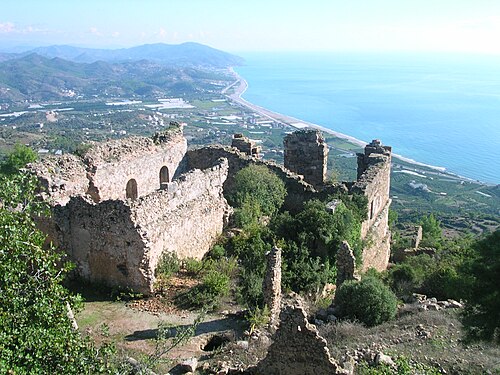
Syedra Antik Kenti
Syedra is an ancient city on a hillside above Turkey’s Mediterranean coast near Alanya, in Antalya Province.
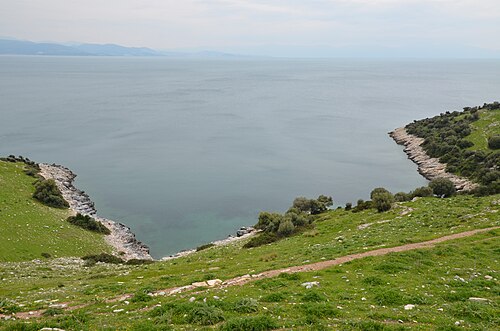
Notion is an ancient Greek city spread across two hills at Ahmetbeyli in Menderes, İzmir.
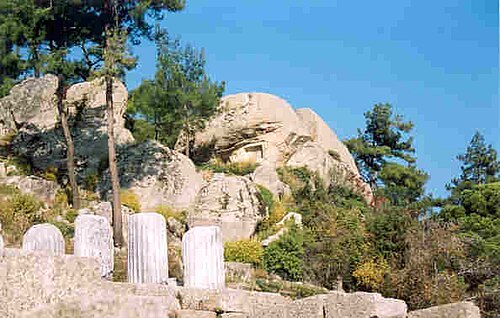
Labranda
Labraunda is a mountain sanctuary near Kargıcak in Muğla Province, about 14 kilometres northeast of Milas. In antiquity it belonged to Mylasa and became one of Caria’s major sacred places.
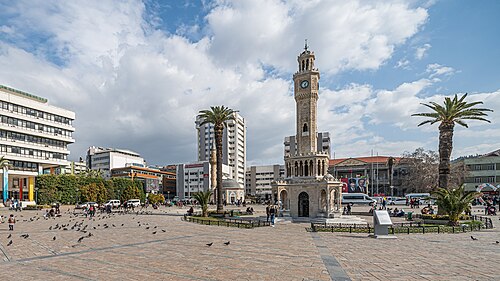
Konak Meydanı
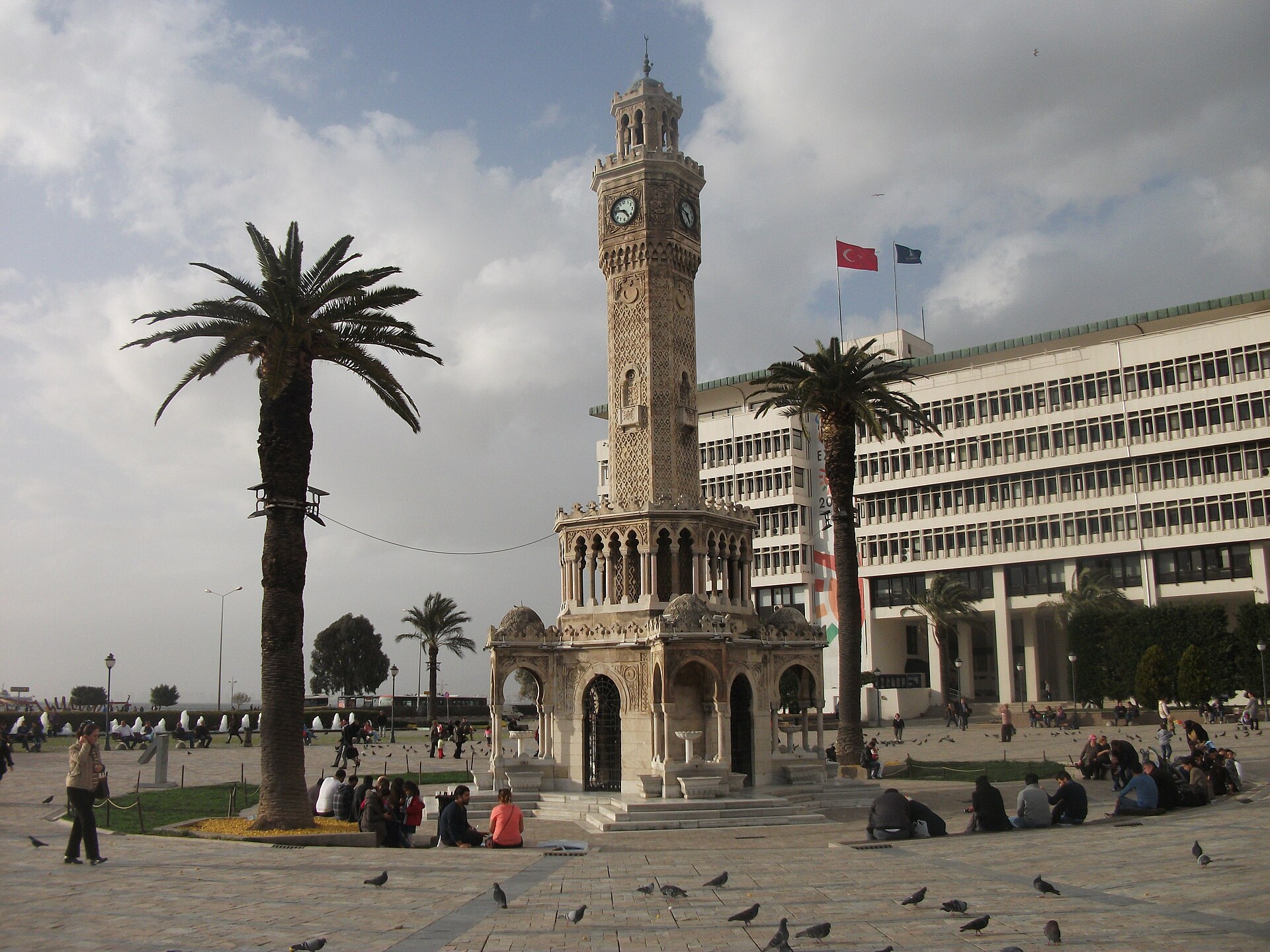
Konak Square is İzmir’s civic waterfront heart, where the city centre opens towards the Gulf and the historic entrance to Kemeraltı. Its defining landmark is the İzmir Clock Tower, completed in 1901 and rising 25 metres above the square.
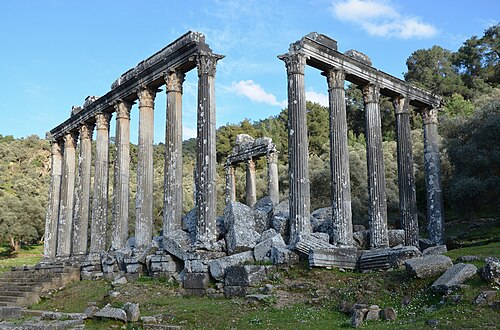
Euromos
Euromus is a roadside open-air archaeological site in Selimiye Mahallesi, within Muğla’s Milas district.
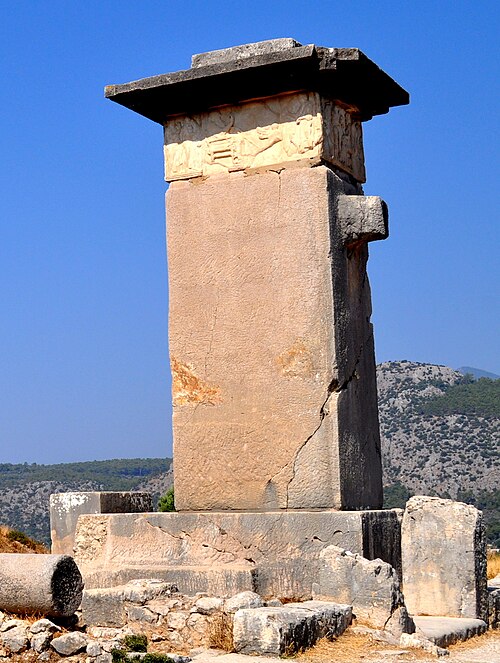
The Harpy Tomb is an ancient Lycian funerary monument located in the Xanthos archaeological area within Antalya province.
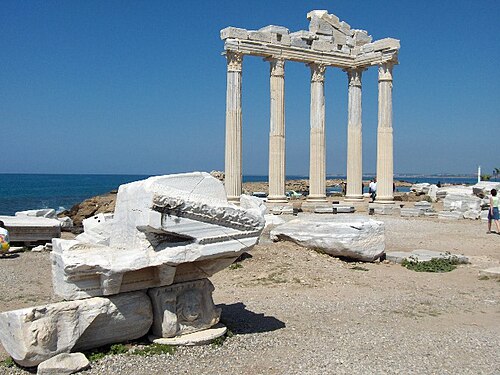
Apollon ve Athena Tapınağı
The Temple of Apollo, locally known as Apollon ve Athena Tapınağı, is an ancient religious site in Antalya, Turkey. It stands as a significant archaeological landmark within the region's rich classical heritage.
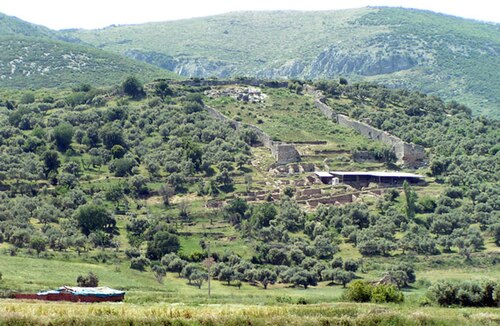
Metropolis is an ancient city between Yeniköy and Özbey in Torbalı, İzmir. Its name is understood to mean “City of the Mother Goddess,” reflecting the religious and civic identity associated with the settlement.
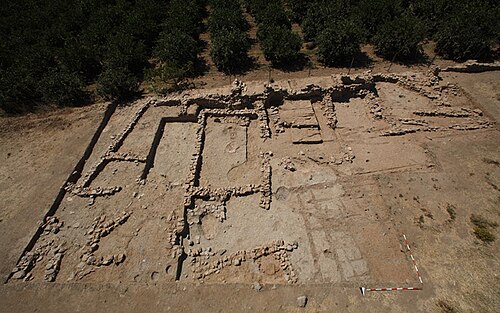
Çukuriçi Höyük
Çukuriçi Höyük is a prehistoric settlement mound in Selçuk, İzmir, southeast of ancient Ephesus and near the Aegean coast. Its importance lies in the archaeological sequence beneath and around the mound, not in standing monuments designed for modern visitors.
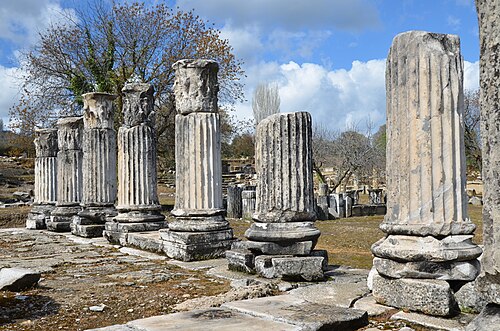
Lagina is a Hecate sanctuary in Turgut Mahallesi, Yatağan, where a gateway, processional route and temple platform still describe the logic of an ancient Carian cult centre.
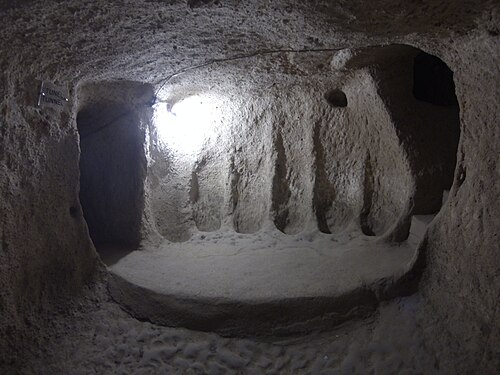
Kaymaklı yeraltı şehri
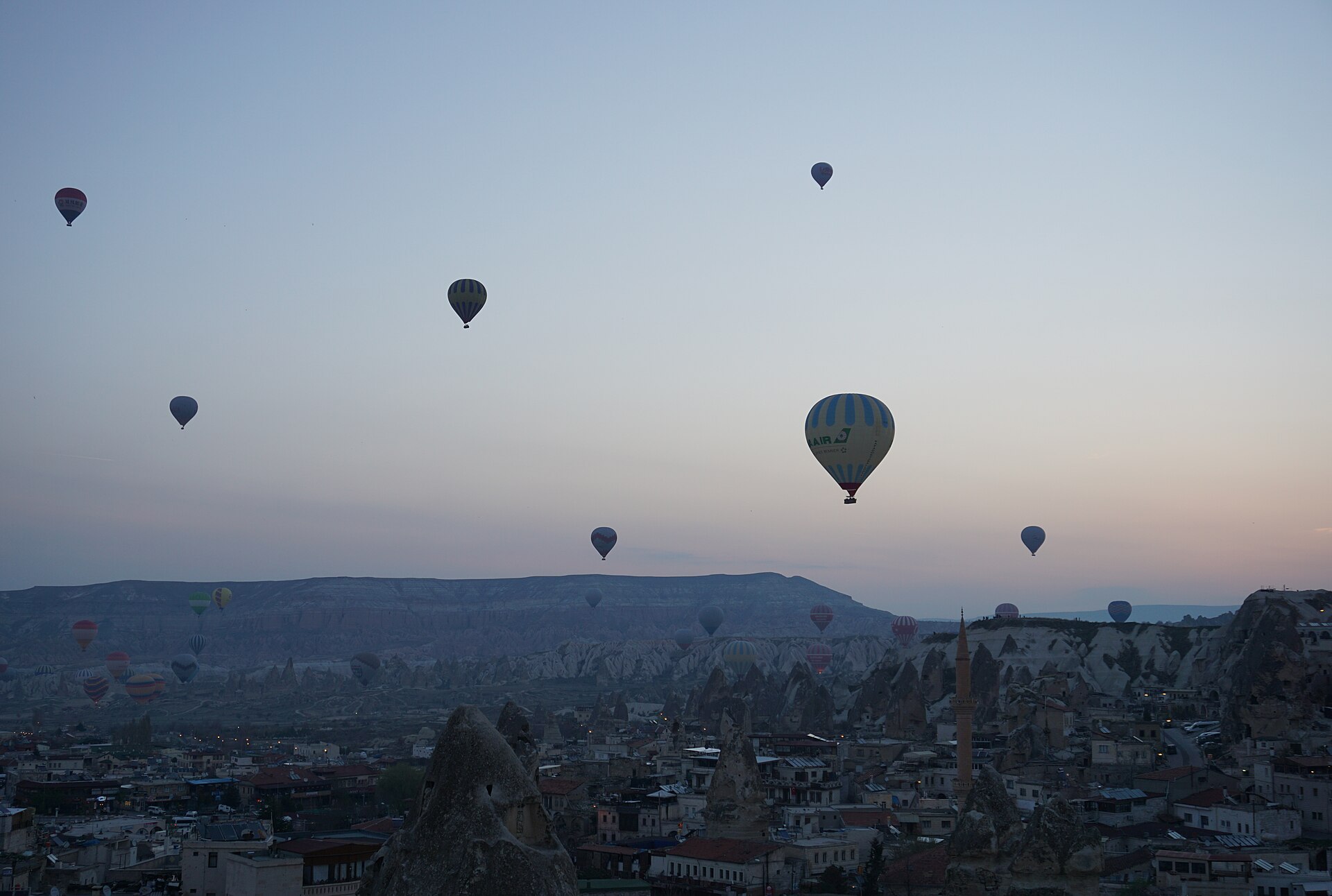
Kaymaklı is an underground city museum in Kaymaklı town, about 20 km from Nevşehir. Rather than presenting a single above-ground monument, it takes visitors into a subterranean settlement shaped by volcanic rock, compact circulation and successive underground levels.
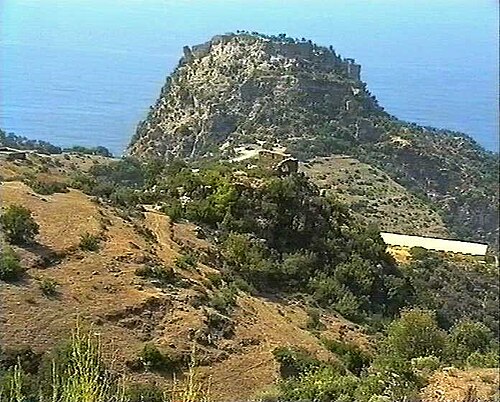
Antiochia ad Cragum is an ancient archaeological site situated on the southern coast of Turkey's Antalya province. The settlement was established during the Hellenistic period and later developed under Roman rule.
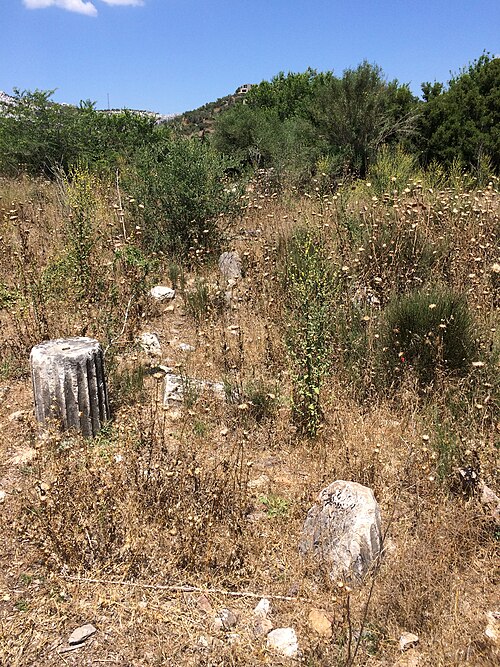
Bargylia/Barbylia
Bargylia is an open-air archaeological site in Boğaziçi, the modern settlement identified with the ancient city on a small peninsula south of Güllük Gulf.
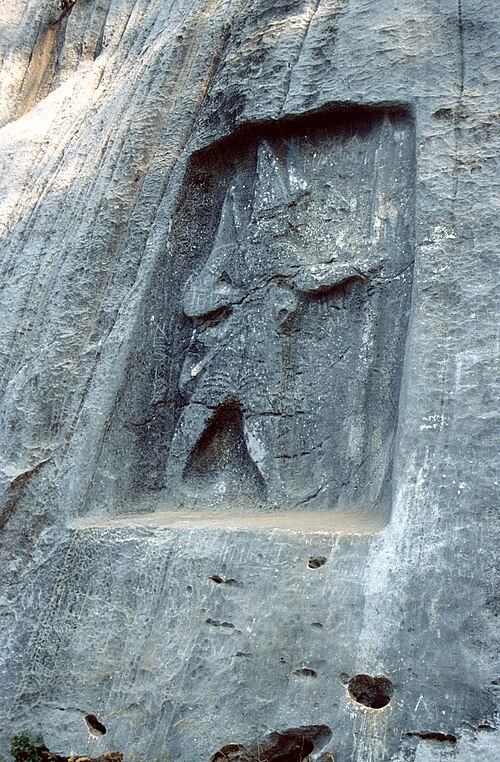
Karabel Kaya Kabartması
Karabel relief is a Hittite-Luwian rock monument carved into the south-facing slope at Karabel Pass near Kemalpaşa.
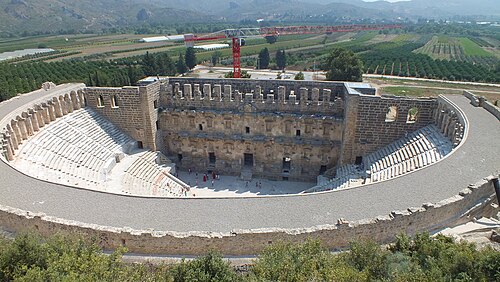
Aspendos Amfi Tiyatrosu
The Roman Theatre of Aspendos is an ancient amphitheatre located near the modern city of Antalya in southern Turkey. Its local name is Aspendos Amfi Tiyatrosu.
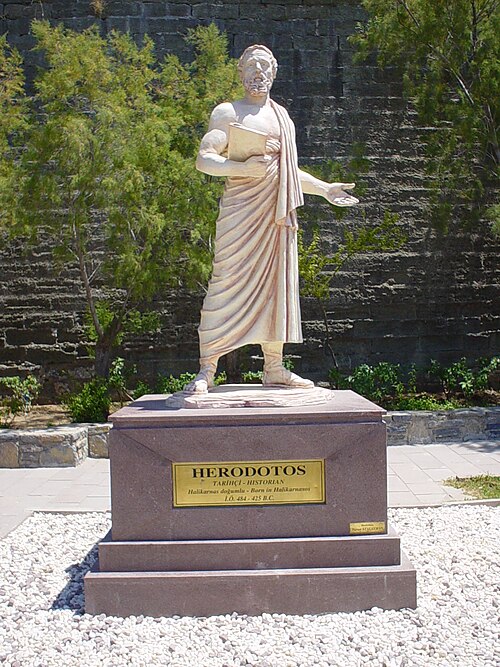
Bodrum Antik Tiyatrosu
The Ancient Theatre of Halicarnassus is an open-air archaeological theatre on the southern slope of Göktepe in Bodrum, in today’s Yeniköy area.
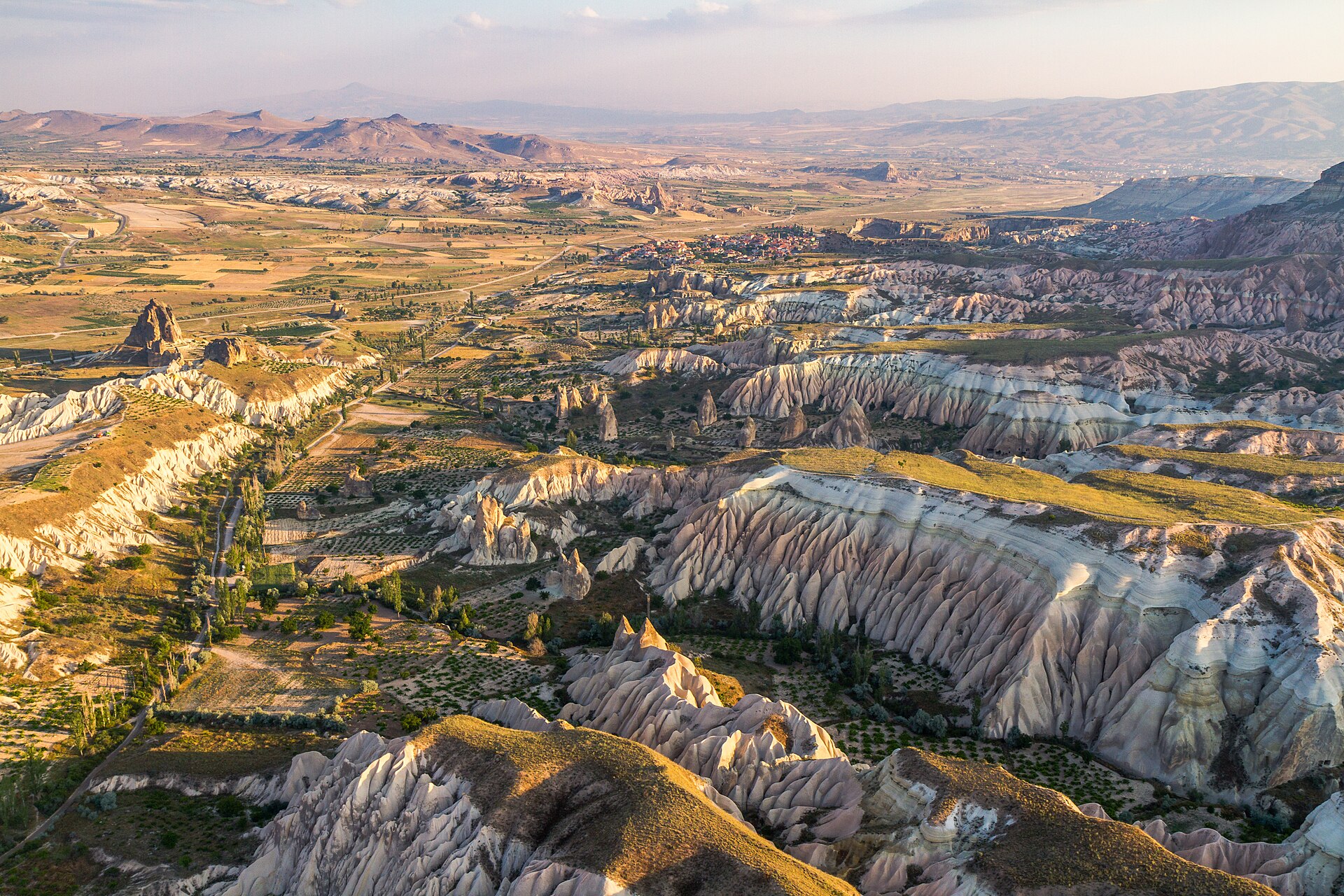
Ten to fourteen days allows about four days in İstanbul and at least three around Antalya when coastal archaeology is included. Cappadocia needs its own regional stay, and a one-way coastal route is more workable than returning to the same city each night.
Türkiye's visa position varies by passport and purpose. Verify the rule through the Ministry of Foreign Affairs and, when eligible, use only the official e-Visa service rather than an intermediary.
İstanbul's two airports and Antalya are the principal gateways for this itinerary. Domestic flights cover long cross-country legs, coaches serve many city pairs, and high-speed rail is most useful on the İstanbul-Ankara axis rather than as a universal substitute.
April to May and September to October are broad choices for combining İstanbul with the Mediterranean coast. Cappadocia nights, inland heat, and Antalya's coastal conditions differ, so confirm weather for each overnight base.
Türkiye uses the Turkish lira (TRY). Keep lira available for smaller transport and market transactions even when cards are accepted, and review the displayed amount in TRY before agreeing to any card conversion.
Dial 112 for emergencies in Türkiye. Electricity is 230 V through Type C and F sockets; tap-water safety is not recorded here, so obtain current local advice at each stop.