Dubai Textile Souk
سوق دبي للمنسوجات
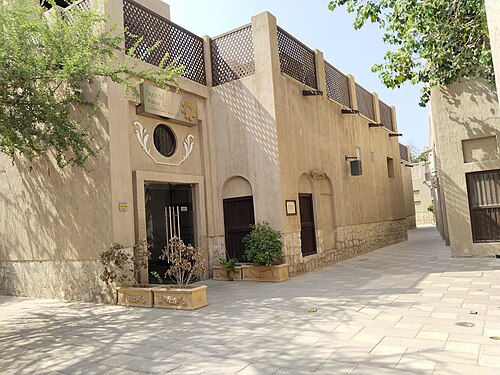
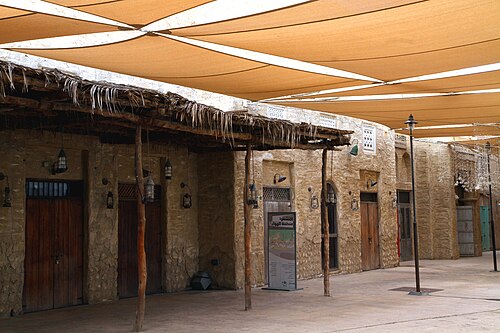
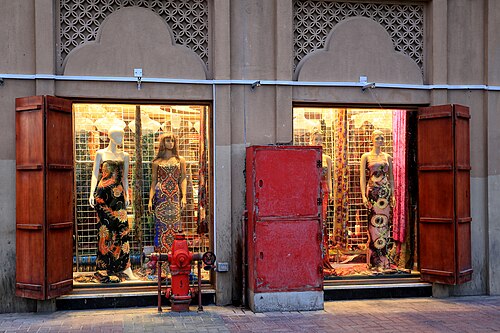
Dubai Textile Souk, known locally as سوق دبي للمنسوجات, is a traditional market located in the Bur Dubai district near the Dubai Creek.
- Must see
- Historic monument
City guide · United Arab Emirates
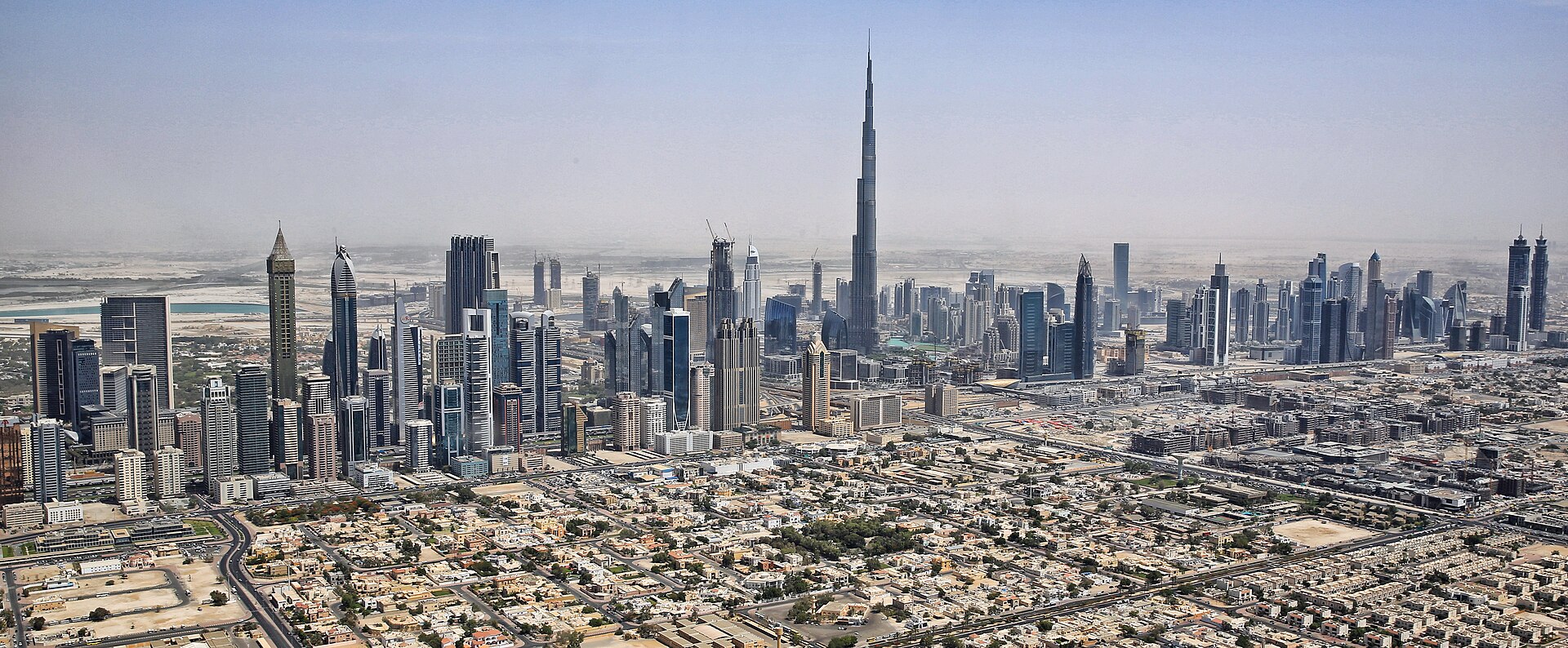
Dubai is a long coastal city rather than a compact centre. Historic districts cluster around Dubai Creek, the modern business and visitor core follows Sheikh Za...
Photograph · Tim Reckmann from Hamm, Deutschland · CC BY-SA 3.0
Set your days, your pace and the hours you actually want to be out. The planner works around closing days and travel time, and leaves room to eat.
Reviewed by Elena Voss · Roavina Travel Editor
Dubai is a long coastal city rather than a compact centre. Historic districts cluster around Dubai Creek, the modern business and visitor core follows Sheikh Zayed Road, and resort districts continue southwest through Dubai Marina and Palm Jumeirah. A practical visit groups sights by corridor because crossing between old Dubai, Downtown and the marina repeatedly wastes time. The metro handles the main north-south spine, while taxis and buses cover the final connection to places away from it.
Checked 2026-08-26
September · September's 38.7°C mean high and 26.3°C mean low create recurring severe heat for extended outdoor visits in Dubai.
Ranked by importance — sitelinks, pageviews and heritage status, not editor preference.
23 places match
Category
Typical visit duration
Interests
سوق دبي للمنسوجات
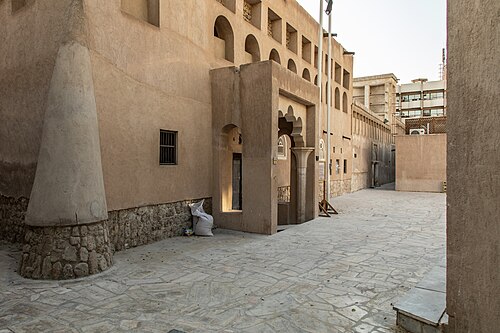
Dubai Textile Souk, known locally as سوق دبي للمنسوجات, is a traditional market located in the Bur Dubai district near the Dubai Creek.
موقع جميرا الأثري
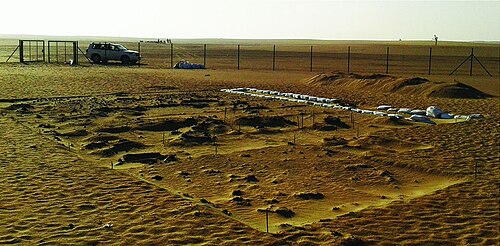
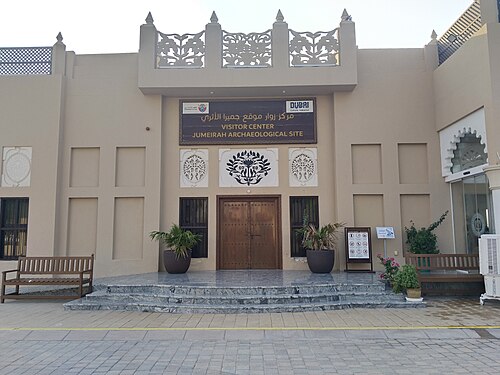
Jumeirah Archaeological Site is a place of archaeological and historical interest in Dubai’s Jumeirah area. It represents evidence of past human activity and settlement within a district now known for modern urban development.
موقع ساروق الحديد الأثري
Saruq Al Hadid Archaeological Site is an important archaeological location in Dubai emirate. Finds from the site connect it with ancient metallurgy, craft production and trade.
موقع الصفوح الأثري
Al Sufouh Archaeological Site is a heritage location in western Dubai, in the Al Sufouh area near the coastline between Dubai Marina and Palm Jumeirah.
بحيرات القدرة
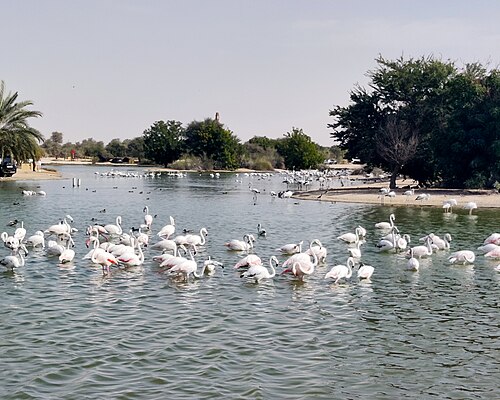
Al Qudra Lakes is a man-made desert oasis in Dubai’s Dubailand area, where interconnected bodies of water sit among open arid plains.
Bluewaters Island is a man-made island development off the coast of Jumeirah Beach Residence in Dubai. It is primarily known as the location of Ain Dubai, one of the world's largest observation wheels.
حي دبي للتصميم
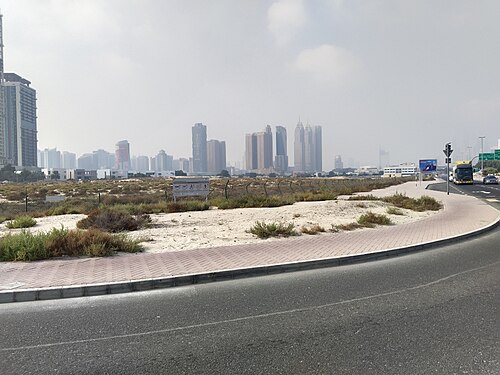
Dubai Design District, known locally as حي دبي للتصميم, is a purpose-built creative quarter in Dubai dedicated to design, fashion, and arts.
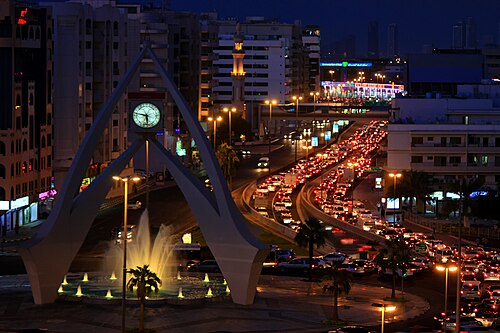
Deira Clocktower is a prominent roundabout monument located in the Deira district of Dubai, United Arab Emirates.
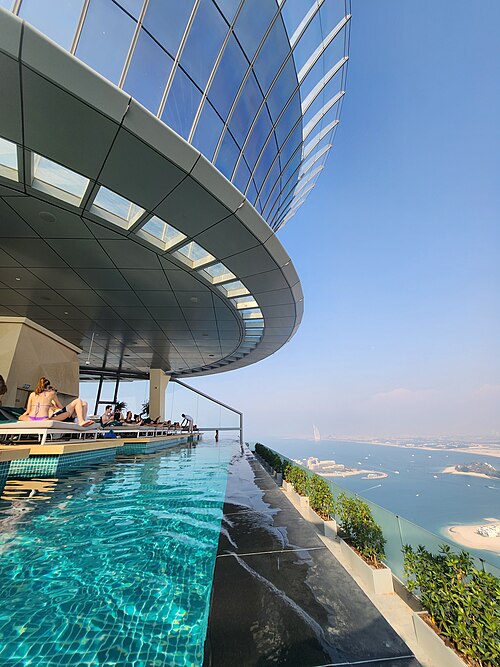
Aura Skypool is an elevated pool venue located in Dubai, positioned high above the city with panoramic views across the skyline and surrounding waters. The attraction functions as a swimming and leisure destination combining pool access with observation-level vantage points.
Al Seef Dubai is a waterfront destination along Dubai Creek, developed as a mixed-use leisure and retail precinct. The area blends contemporary architecture with design elements evoking traditional Emirati heritage.
Al-Oshoosh Archeological Site
Al-Ashoosh, locally known as the Al-Oshoosh Archeological Site, is an archaeological location in the Dubai emirate.
Heritage House is a cultural attraction in Dubai, United Arab Emirates. It forms part of the city's efforts to preserve and present traditional Emirati architecture and domestic life.
Al Ahmadiya School is a historic educational institution in Dubai, representing the emirate's early commitment to formal schooling. Established in the early twentieth century, it served as a pioneering centre of learning during a transformative period in the region's development.
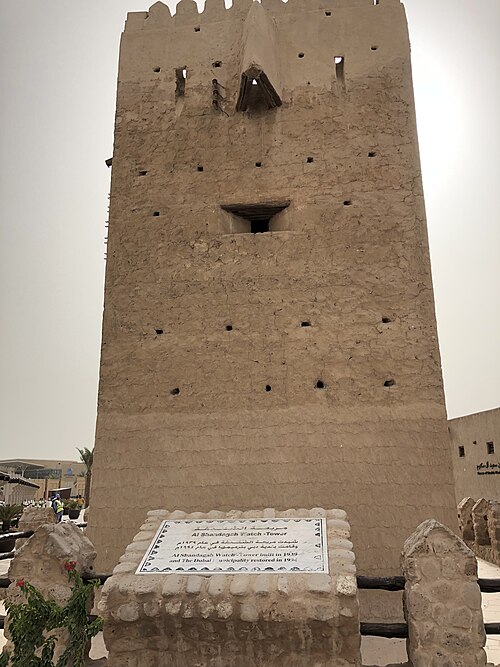
Al Shandagah Watch Tower is a historic defensive structure in Dubai’s Al Shandagah area. It represents the watchtowers that helped protect coastal settlements and monitor movement along the Arabian Gulf.
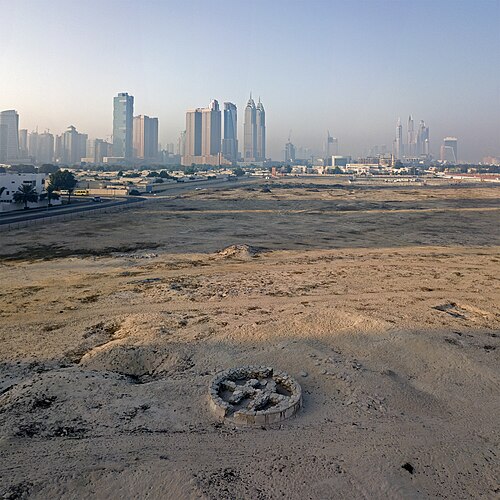
Al Sufouh Umm an-Nar Tomb is a Bronze Age burial monument in Dubai’s Al Sufouh area. The tomb belongs to the Umm an-Nar cultural tradition, which flourished in the third millennium BCE around the Arabian Gulf.
AYA is an immersive visitor attraction in Dubai, designed around experience-led entertainment rather than a conventional museum collection. The name identifies a contemporary stop within the city’s large portfolio of leisure destinations.
نافورة دبي
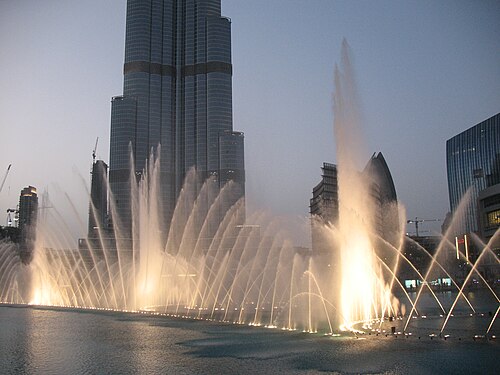
The Dubai Fountain is a choreographed water and light show staged on the Burj Lake, the artificial lake that lies between the Burj Khalifa, Dubai Mall and Souk Al Bahar in Downtown Dubai.
District boundaries come from OSM administrative relations, so a district page holds exactly the places inside it — plus, for the islands and the coast, the nearest district by proximity.
Dubai Creek divides the older quarters of Deira and Bur Dubai, where souks, abra crossings and the Al Fahidi district sit close together. Downtown Dubai and Business Bay form a separate cluster around Burj Khalifa and Dubai Mall. Farther southwest, the coast becomes the main organising line: Jumeirah, Madinat Jumeirah, Palm Jumeirah and Dubai Marina are successive districts, not one walkable resort zone. Desert attractions and Hatta require separate trips and should not be combined with a dense central sightseeing day.
Checked 2026-08-26
Use the Dubai Metro for the airport, old-city connections and the Sheikh Zayed Road corridor, then switch to tram, bus or taxi for districts beyond easy walking distance. The Red and Green lines connect the main urban spine and the creek-side districts, while the Dubai Tram serves Marina and links with the Palm monorail area. Stations can still be a long outdoor walk from a destination, especially in hot weather, so route planning should include the final kilometre rather than treating every metro label as doorstep access.
Checked 2026-08-26
Three to four days cover the main visitor corridors without crossing the city repeatedly. Use one day for the creek and old Dubai, one for Downtown, and one for the Jumeirah-Marina coast. Add a fourth only for a separate desert or Hatta trip.
November through March is the practical outdoor season. Summer heat makes long walks and exposed transfers difficult, so a warm-season itinerary needs shorter outdoor blocks and more time for air-conditioned transport and indoor attractions.
The metro is the best backbone for the airport, creek-side interchange points, Downtown and Sheikh Zayed Road. It does not place every attraction within a short walk, so tram, bus or taxi connections remain part of most days.
Keep Deira, Bur Dubai and Al Fahidi together; combine Burj Khalifa and Dubai Mall in a Downtown day; and treat Palm Jumeirah, Madinat Jumeirah and Dubai Marina as the coastal corridor. This avoids long backtracking.
The creek-side sights are the most walkable cluster, especially Al Fahidi, the souks and the abra crossings. The wider city is not compact, and distances between named districts are often too large for sightseeing on foot.