
_-_Cathcart_Castle_-_OG.1967.16.2.1_-_Glasgow_Museums_Resource_Centre.jpg)

_(14785181275).jpg)

5 min walk
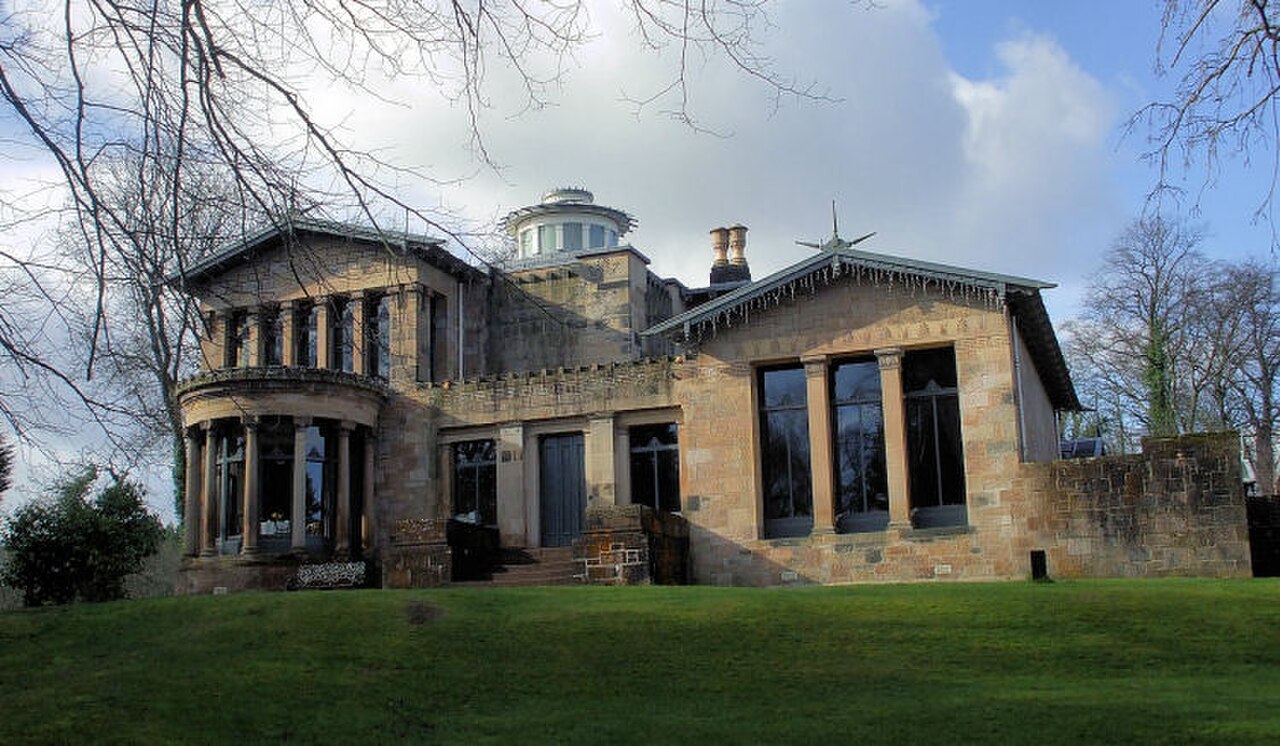
Holmwood House
- Must see · Heritage site
- Museum
Language · 11 published
Historic monument · Glasgow
Reviewed by Elena Voss · Roavina Travel Editor
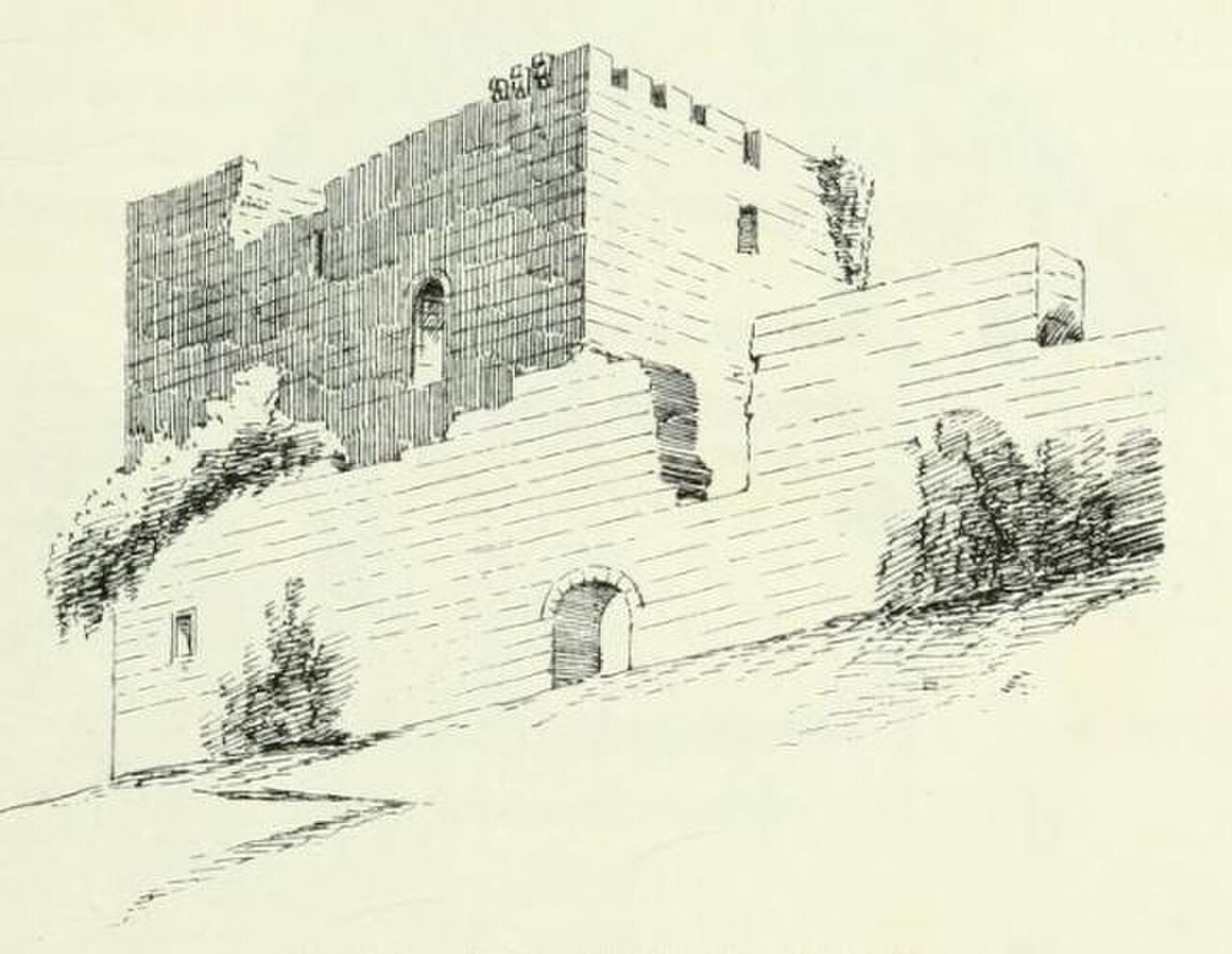
It carries the category C listed building heritage designation.
Cathcart Castle is a historic castle site in Glasgow’s Cathcart area, offering a quieter encounter with the city’s medieval past. It belongs to Glasgow’s wider historical landscape rather than its central landmark circuit. The site suits travellers who enjoy atmospheric heritage places, neighbourhood exploration and the contrast between an old defensive structure and the surrounding modern city. Cathcart Castle is a historic site in Glasgow, Scotland. The structure represents part of the city's medieval architectural heritage, situated in the Cathcart area of the city. As a castle site, it contributes to Glasgow's broader historical landscape, which includes various monuments and buildings from different periods. The castle connects visitors to Scotland's feudal past and the territorial conflicts that shaped the region. Its survival into the modern era makes it a point of interest for those exploring Glasgow's less central historical attractions, offering an alternative to the city's more prominent landmarks while still providing authentic historical atmosphere. Many Scottish castles of this era exist as partial ruins.
Checked 2026-08-26 · Source
Cathcart Castle is best approached as a castle site and historical setting, not as a furnished palace museum. The supplied description gives no confirmed rooms, exhibition galleries, furnishings or interpretive displays. Focus your visit on the surviving structure, its masonry and its relationship with Cathcart. The interest lies in atmosphere and place, with details best appreciated from the exterior. Visitors should not expect confirmed information about rooms, exhibitions, furnishings, or interpretive displays. Those interested in detailed interior exploration should seek updated guidance before visiting. The castle may exist primarily as a ruin or partial structure, which is common for medieval Scottish castles of this type. Any artifacts, information panels, or guided features would need verification from current operators or recent visitor reports to establish accuracy.
Checked 2026-08-26 · Source

Allow around fifteen to thirty minutes for a focused look at Cathcart Castle and its visible architectural details. Travellers with a strong interest in medieval heritage may stay longer to study the stonework and setting. Because the castle sits within the Cathcart area, it also works well as one stop in a wider neighbourhood walk rather than as a full-day destination. The duration required for a meaningful visit to Cathcart Castle cannot be precisely determined from available information. A brief exterior examination might take fifteen to thirty minutes for interested observers. More thorough exploration, if interior access exists, could extend this considerably. Visitors should allocate flexible time, combining this site with other Cathcart area attractions or Glasgow's broader offerings. The castle's scale and condition will ultimately dictate appropriate visiting time.
Checked 2026-08-26 · Source
Daylight is the practical choice for exploring Cathcart Castle, since the attraction is valued for its visible historic structure and outdoor atmosphere. Glasgow’s weather can change quickly, so bring a waterproof layer and shoes suitable for outdoor ground. The brighter, longer days of late spring and summer make stone details easier to see and leave more time for combining the visit with nearby walks.
Checked 2026-08-26 · Source
Cathcart Castle is presented as a historic site in Glasgow rather than as a major ticketed attraction. Plan it as a heritage stop whose value comes from seeing the place itself, while keeping your wider Glasgow attraction budget separate for venues with established ticket arrangements.
Checked 2026-08-26 · Source

Cathcart Castle lies in Glasgow’s Cathcart district. Cathcart railway station provides a useful public-transport reference for reaching the area, with a walk continuing toward the castle site. Buses also serve the district, while cyclists and drivers can approach through Glasgow’s urban street network. Use a current map for the final walking route, as the attraction is less prominent than central Glasgow landmarks.
Checked 2026-08-26 · Source
Treat Cathcart Castle as an old masonry site. Uneven ground, weathered stone and slippery surfaces can make close exploration awkward, especially after rain. Wear shoes with secure soles and keep children close around historic walls or changes in level. Glasgow’s changeable weather may leave little shelter, so carry suitable clothing. Daylight provides the clearest conditions for seeing and moving around the site.
Checked 2026-08-26 · Source
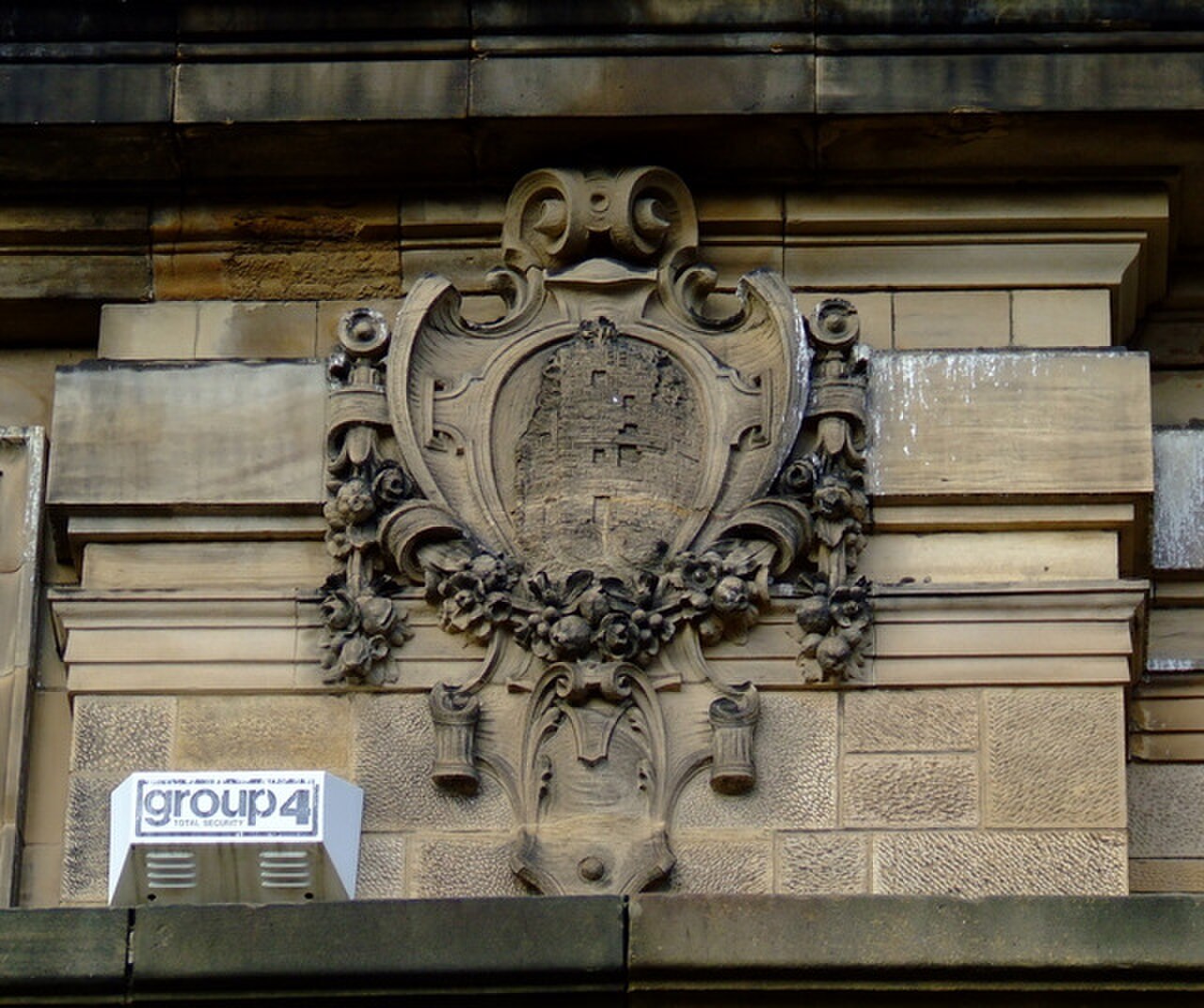
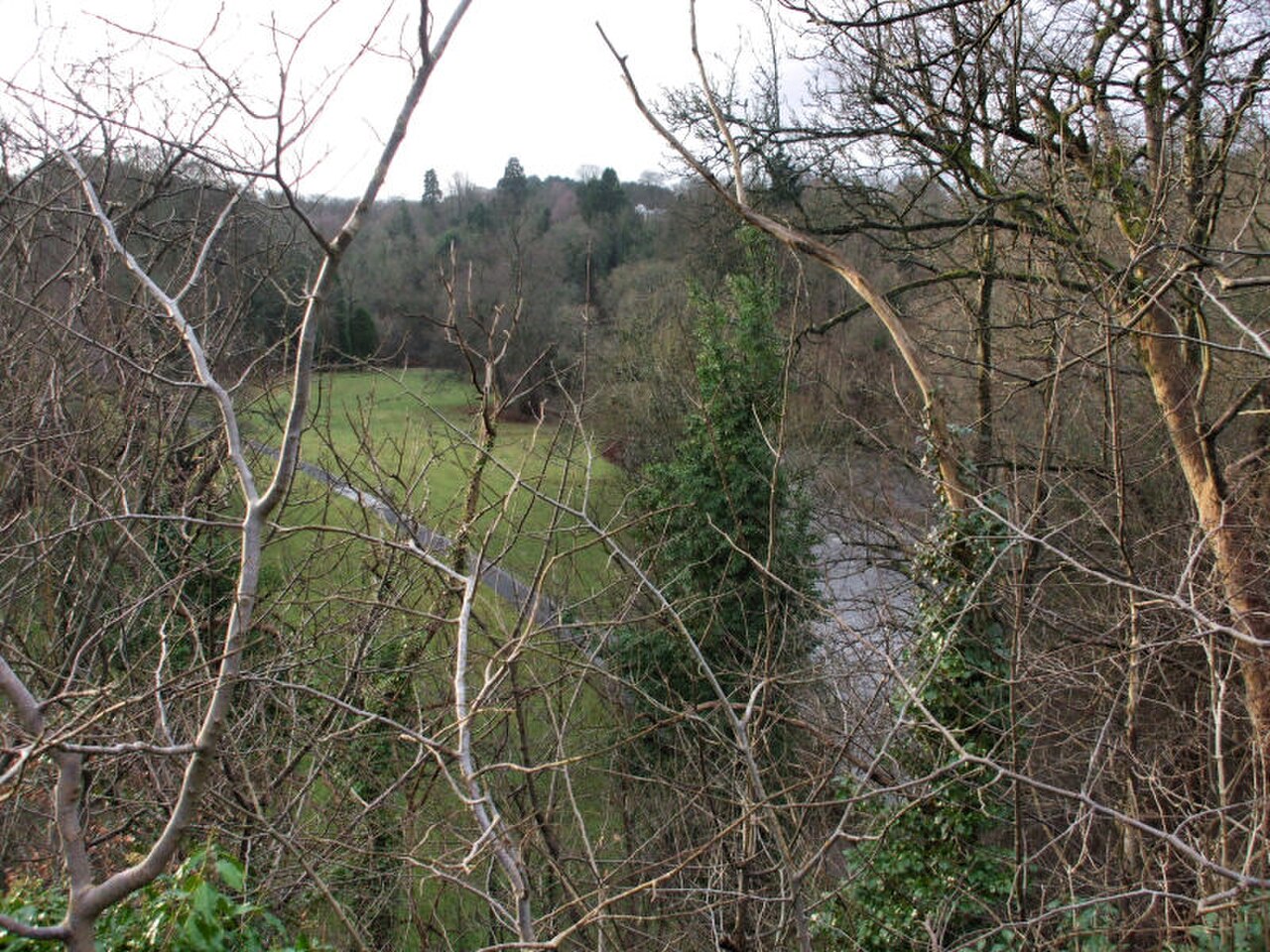
Photograph Cathcart Castle through its stone texture, surviving architectural lines and connection with the Cathcart neighbourhood. Overcast light can soften contrast across the masonry, while late-day light may add warmth to the historic surfaces. Wider views help place the castle within Glasgow’s urban landscape. Stay on safe ground, avoid climbing the structure and respect any signs or restrictions encountered at the site.
Checked 2026-08-26 · Source
Cathcart Castle is a historic castle site in Glasgow’s Cathcart area, suited to travellers interested in medieval heritage and atmospheric neighbourhood discoveries.
A focused visit can take around fifteen to thirty minutes, with extra time worthwhile for travellers studying the stonework or including the site in a Cathcart walk.
The castle is in Glasgow’s Cathcart district, with Cathcart railway station serving as a useful transport reference for reaching the area.
Yes. Its neighbourhood location and compact heritage focus make it suitable for a brief visit combined with other activities in Cathcart or wider Glasgow.
Wear secure outdoor footwear and bring a waterproof layer. Weathered masonry, uneven ground and Glasgow’s changeable weather make practical clothing useful.
Good subjects include the surviving stonework, architectural details and the castle’s relationship with the surrounding Cathcart neighbourhood.
Loading the interactive map…
The interactive map could not be loaded.
Last updated:
Source: OpenStreetMap contributors, Wikidata ·